Key Signs Often Overlooked
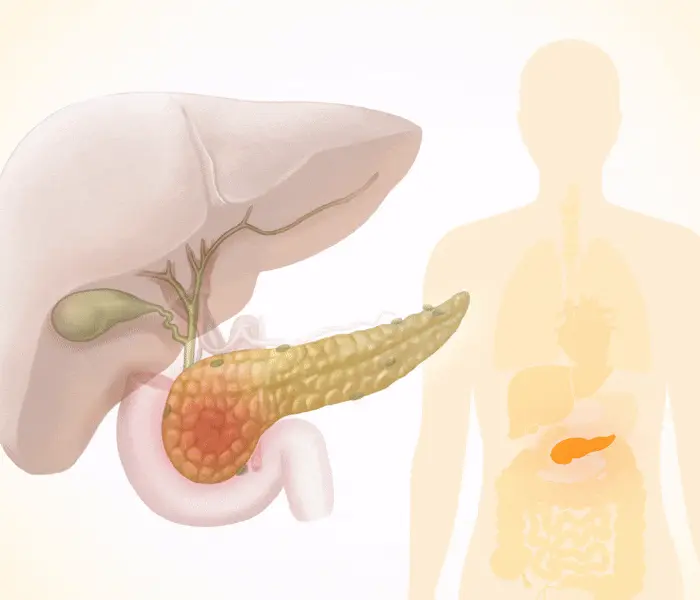
Before looking at the signs, it helps to understand the pancreas itself.The pancreas is a long, flat organ located deep in the abdomen, behind the stomach and near the small intestine. It helps digest food by producing enzymes and regulates blood sugar by releasing hormones such as insulin.
1. Unexplained Weight Loss
Unintentional weight loss, even as little as 5 to 10 pounds, can be an early warning sign, according to Dr. Shanel Bhagwandin, program director of the National Pancreas Foundation Pancreatic Cancer Center of Excellence at Jupiter Medical Center. This is driven by early metabolic changes triggered by the tumor.2. New-Onset Diabetes
Pancreatic cancer can damage the pancreas’s insulin-producing cells, reducing insulin secretion and impairing the body’s ability to remove glucose from the bloodstream, which leads to high blood sugar.“In some patients, diabetes is not a risk factor but an early manifestation of the tumor itself, ” Bhagwandin told The Epoch Times. “Unfortunately, this is often treated as routine Type 2 diabetes without further evaluation.”
3. Stool Changes
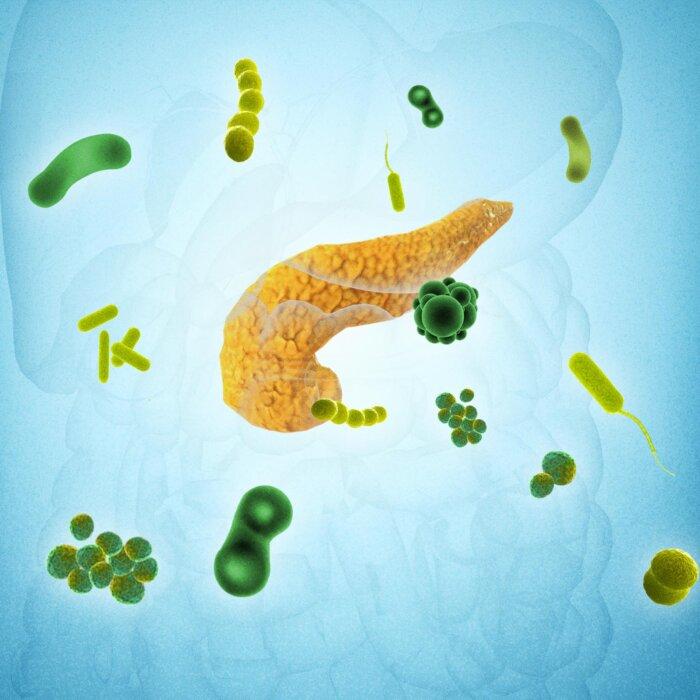
“Pancreas dysfunction leads to fat malabsorption and thus causes greasy, floating, and foul-smelling stool,” Dr. Pablo Prichard, cofounder and surgical director of Vincere Cancer Center, told The Epoch Times.4. Loss of Appetite
Feeling full after only a small amount of food or losing interest in eating altogether is another easily overlooked sign of pancreatic cancer. It can occur when a pancreatic tumor presses against the stomach or the first part of the small intestine.5. Persistent Mid-Back or Upper Abdominal Pain
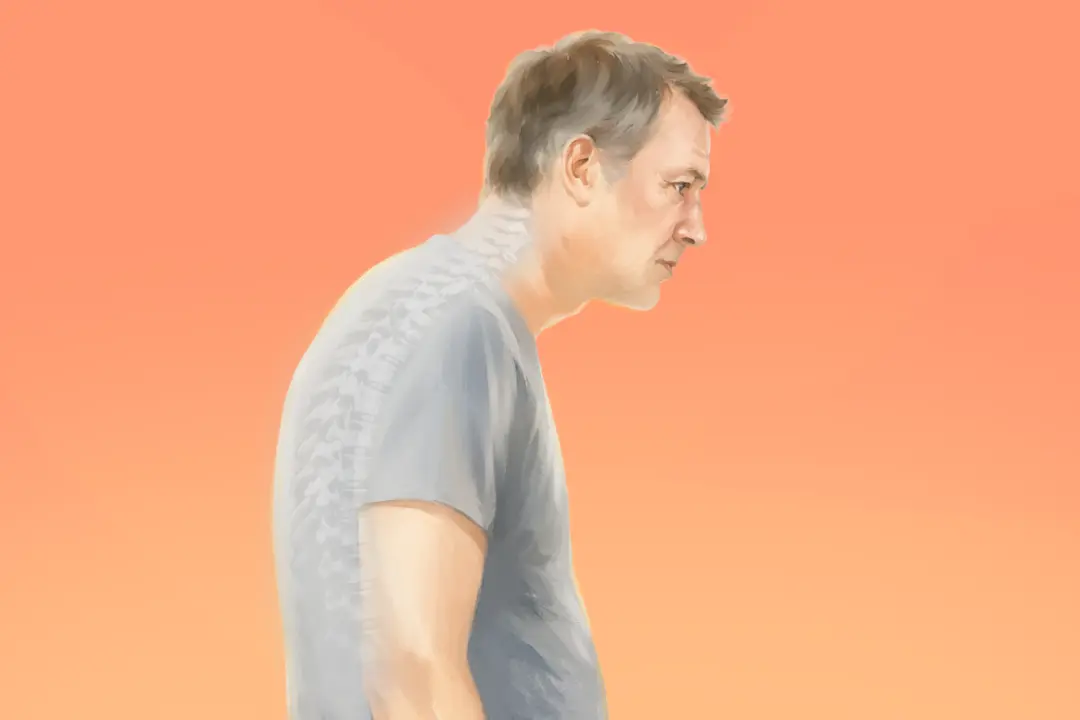
Often described as dull or gnawing, this pain may come and go at first, beginning in the upper abdomen before radiating to the sides or back. Because it closely mimics musculoskeletal strain or degenerative spine disease, it is routinely dismissed, especially in active or aging adults.6. Jaundice
When a tumor develops in the head of the pancreas, it can block bile flow, causing a yellow substance called bilirubin to build up in the body. This can lead to jaundice, which often appears as yellowing of the skin and eyes, as well as dark urine and pale stools. Mild jaundice is painless, which means that it can go unnoticed or be dismissed as insignificant.7. Blood Clots
Blood clots, such as unprovoked deep vein thrombosis or pulmonary embolism, especially when combined with weight loss or abdominal discomfort, should raise concern for pancreatic cancer, which is highly “pro-thrombotic,” meaning that it significantly increases the risk of blood clots (thrombosis), Prichard said.Why Signs Get Missed
“Pancreatic cancer can have symptomatic progression that evolves over many months, even years,” Dr. Vincent Picozzi Jr., who is an oncologist specializing in pancreatic cancer at Virginia Mason Medical Center, told the Epoch Times.Because back pain, appetite loss, and weight loss all creep in gradually, there is rarely a single moment that triggers alarm. Mild symptoms may temporarily ease with over-the-counter pain relievers or antacids, further delaying concern.
“The absolute incidence in the population is quite low, making diagnosis much more unlikely and thus more difficult,” Picozzi said.
For instance, many people experience abdominal pain, but only a few actually have pancreatic cancer. This base-rate reality makes it statistically reasonable for both doctors and patients to attribute these signs to more common conditions.
“The advice I give to primary care physicians is that in any patient with abdominal pain and any combination of the following—weight loss, jaundice, unexplained pancreatitis, and/or new-onset diabetes—pancreatic cancer should be considered,” Picozzi said.