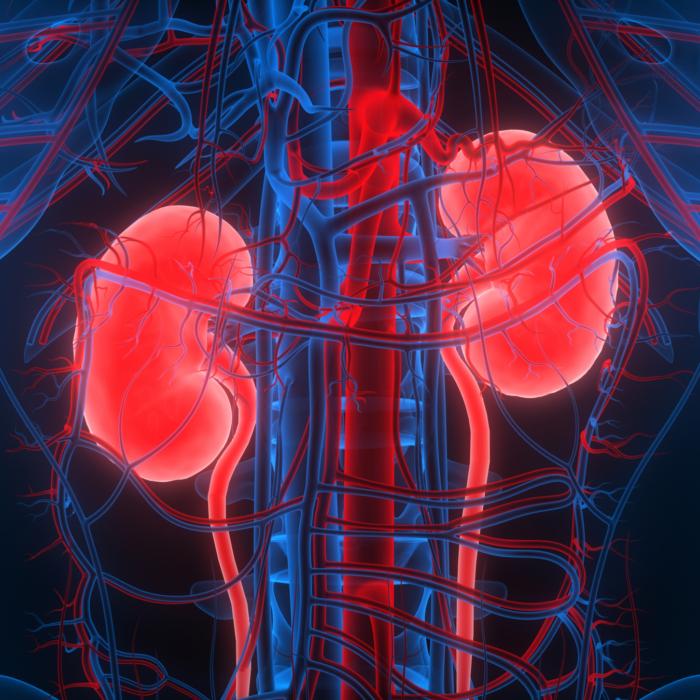
The kidneys are intricately designed to play a crucial role in eliminating waste, excess fluids, and toxins produced within the body. However, despite their meticulous design, kidneys are fragile. People with conditions such as hypertension, diabetes, and autoimmune diseases in particular are highly susceptible to kidney damage.
7 Categories of Medications That May Harm the Kidneys
1. Anti-inflammatory and Analgesic Medications
ibuprofen, naproxen sodium, and acetaminophen medications that may harm the kidneys. These drugs provide analgesic and anti-inflammatory effects by suppressing the body’s inflammatory response. However, they can reduce blood flow to the kidneys, affecting their ability to filter toxins and remove excess fluid, leading to potential harm. Additionally, these medications can have adverse effects on the cardiovascular system. Therefore, if you are experiencing common headaches or fever, it is advisable not to hastily turn to these medications. Patients with chronic joint pain and persistent discomfort, in particular, should exercise caution due to the potential kidney damage associated with the long-term use of these medications.2. Blood Pressure Medications
While lowering blood pressure is generally beneficial for the kidneys, prolonged use of certain blood pressure medications may increase the renal burden. Particularly, diuretics, when used excessively, can lead to decreased kidney blood flow, potentially resulting in kidney damage. Additionally, it is crucial to exercise caution when using angiotensin-converting enzyme inhibitors, especially in dehydrated conditions or when concurrently used with other medications, as it may contribute to kidney damage.3. Antibiotics
Doctors sometimes inappropriately prescribe antibiotics for patients experiencing a cold or fever. However, these drugs are only effective against acute bacterial infections and have no impact on viral infections. Excessive use of antibiotics may lead to the development of antibiotic-resistant strains of bacteria. In such cases, certain antibiotics, such as vancomycin and aminoglycosides, may pose a risk of kidney toxicity.4. Antiviral Drugs
Patients with HIV/AIDS require the use of antiviral medications, typically in the form of therapy combining multiple drugs. This treatment approach can result in kidney damage, especially with prolonged use or higher doses, potentially leading to more severe adverse effects. Naturally, other antiviral medications may also present a similar concern.5. Osteoporosis Drugs
Older people, more prone to osteoporosis, are often prescribed osteoporosis drugs. However, they may lead to the formation of calcium deposits in the renal tubules, causing dysfunction and potential harm to the kidneys.6. Immunosuppressants
Individuals undergoing organ transplantation often need drugs like calcineurin inhibitors, which reduce the rejection response of lymphocytes. However, these medications have nephrotoxic effects on the renal tubules and glomeruli. The higher the dosage and the longer the duration of use, the greater the toxicity. Therefore, it is crucial to prioritize organ health in everyday life to prevent related diseases. If the need for organ transplantation arises, it not only raises a series of medical ethics questions but, more importantly, significantly impacts people’s quality of life due to potential complications.7. Contrast Agents
During CT (computed tomography) scans, a contrast agent is injected into the body for better visualization of bones and blood vessels. However, some contrast agents may be radioactive, potentially causing direct damage to the kidneys in certain individuals. Some people report experiencing kidney injury after completing a CT scan.Symptoms of Kidney Damage
Kidney damage can be asymptomatic. How do we assess the condition of our kidneys? To begin with, it is advisable to pay attention to early or even mild symptoms when starting any of the aforementioned medications. If you experience the following symptoms, it could indicate kidney damage, and seeking medical attention is recommended.Blood or Foam in Urine
Hematuria, the presence of blood in urine, may indicate kidney damage or issues with the urinary system. Specifically, it suggests damage to the glomeruli or other parts, causing blood to seep into the urine. On the other hand, foamy urine may be a sign of proteinuria, wherein kidney damage results in an excess of protein entering the urine.Darkening of Urine Color
Changes in urine color may indicate the presence of blood or an increased amount of waste in the urine.Frequent Urination or Difficulty Urinating
These may be due to urinary tract infections, inflammation, or prostate issues, and should also be considered as a potential sign of kidney damage.Lower Back or Abdominal Pain
Pain in the region near the kidneys is a clear sign of inflammation.Urinary Retention
The inability to urinate may necessitate catheterization for urine drainage, and it is an indication of more severe kidney damage.During my medical studies, a mentor once told me that when a normally healthy person suddenly experiences new symptoms, the first consideration should be the potential effects of medications. Some kidney damage conditions may lack distinct symptoms. Therefore, when using the aforementioned medications, it is crucial to closely monitor any changes in kidney function.
If the above symptoms arise, patients should promptly communicate with their doctors. Typically, doctors would conduct further assessments and examinations to determine the presence of kidney issues and decide on adjustments to relevant treatment approaches. This may include discontinuing or modifying the use of medications to reduce the risk of kidney damage.