
A red meat allergy caused by ticks may be present in or possible in as many as 1 in 4 people in some states, the Centers for Disease Control and Prevention said in a study published July 2.
Researchers at the CDC and other institutions analyzed 3,000 serum samples from adult blood donors across 10 states to provide better insight into the prevalence of alpha-gal syndrome (AGS), an allergy, in the United States.
They found that in five states previously identified by previous studies as having high numbers of suspected cases, 24 percent of the samples tested positive for alpha-gal–specific immunoglobulin E (IgE) antibodies.
The highest percentage of samples testing positive came from Arkansas, where 31 percent tested positive, and Missouri, where 26 percent did.
The other three states were Kentucky, Tennessee, and Virginia.
Only one to 10 percent of the samples from the other five states—Maine, Minnesota, New Mexico, South Carolina, and Washington—tested positive.
Most people with antibodies do not show symptoms, but additional tick bites could trigger them.
“People living or traveling to areas where they may be exposed to ticks should be aware of the variety of AGS symptoms, including hives, itching, stomach upset, and difficulty breathing,” Dr. Eleanor Saunders, clinical assistant professor of hospital medicine at the University of North Carolina School of Medicine, and one of the study’s authors, told The Epoch Times via email.
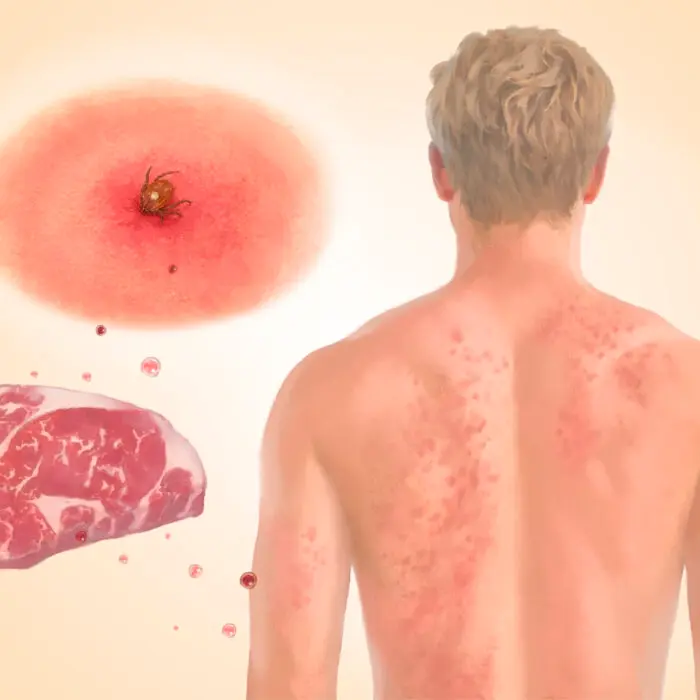
Symptoms of alpha-gal syndrome include diarrhea, hives, and severe stomach pain, and usually appear two to six hours after exposure to products containing alpha-gal, such as red meat and dairy.
Saunders said people who experience symptoms should consult a health care provider, and that providers should order blood tests only if a person has symptoms of AGS to avoid overdiagnosis.
The CDC published the paper in its quasi-journal, the Morbidity and Mortality Weekly Report.
Up to 450,000 people in the United States were estimated to have AGS in 2023, the CDC said.
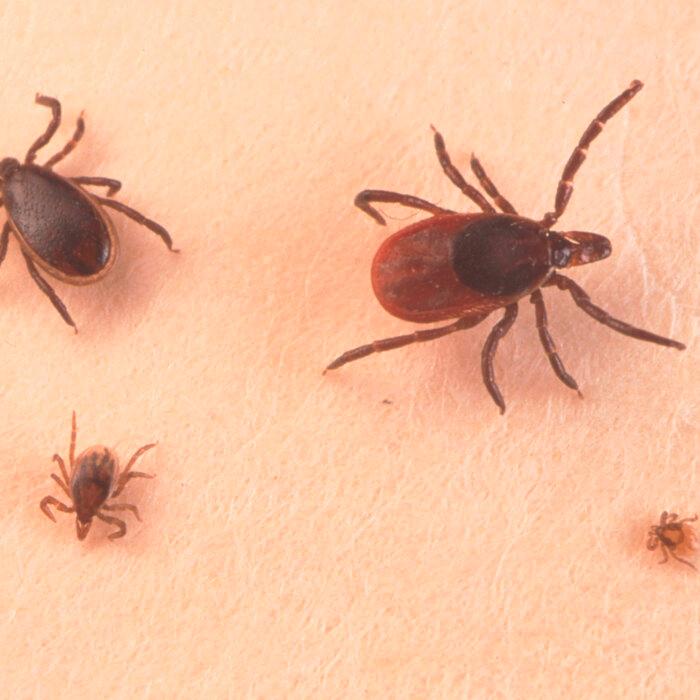
The primary known cause of AGS is bites from the Lone Star tick. Each year, an estimated 31 million people in the United States are bitten by ticks.
The process starts when a tick transfers alpha-gal from its saliva into a person’s blood, and a person’s immune system identifies alpha-gal as a threat and produces the antibodies. The antibodies can later cause allergic reactions in people when they are exposed to alpha-gal from other sources, such as beef, Saunders said.
AGS has increasingly been recognized by clinicians, according to the American College of Allergy, Asthma, and Immunology, and the American Academy of Pediatrics.
The CDC warned that month that emergency room visits for tick bites were higher than usual and that people should take steps to avoid them, as they could lead to diseases such as AGS.
The best way to prevent AGS is to avoid additional tick bites. Experts recommend using insect repellent when going outside, checking for ticks after spending time outdoors, and immediately removing any ticks found.