A new clinical trial aimed at identifying a safe and effective treatment against the virus behind the growing Ebola outbreak in Africa began on July 2.
The trial is assessing a monoclonal antibody and an antiviral medication, both developed by U.S.-based companies.
The World Health Organization (WHO) is sponsoring the trial, which involves Congo’s national research institute, Belgium’s Institute of Tropical Medicine, the UK’s University of Oxford, and several nonprofits, including The Alliance for International Medical Action.
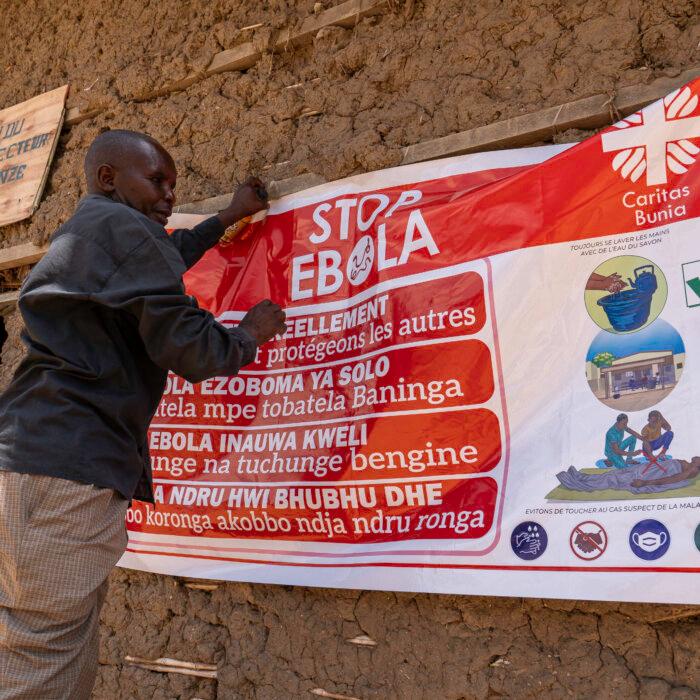
Some 1,406 people have been confirmed to have contracted Ebola in the outbreak, which was detected in May and has primarily been confined to Congo and Uganda. Of those, 438 people have died, and 192 have recovered.
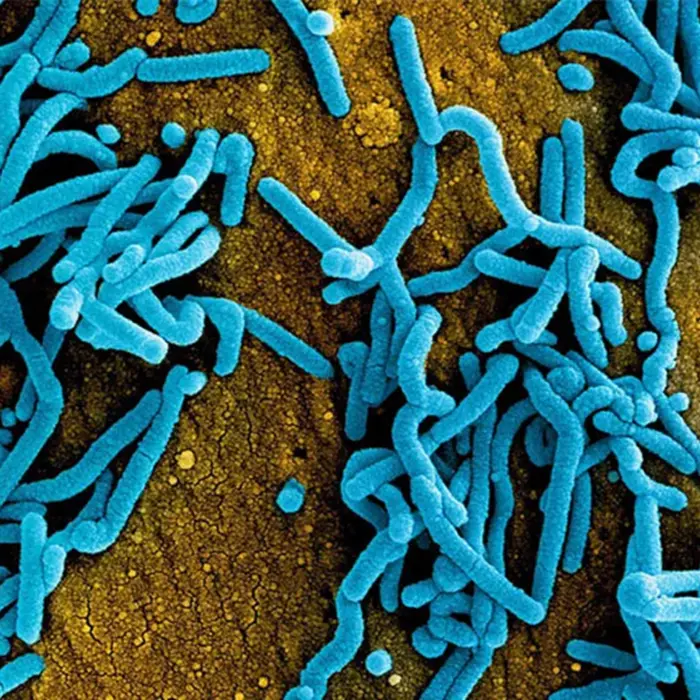
Testing has identified the Bundibugyo virus as causing the outbreak. The rare ebolavirus has no approved vaccines or treatments, in contrast to the more common Zaire ebolavirus.
“Even without approved therapeutics, people are recovering from this disease, but of course, we could save many more lives with safe and effective therapeutics in our toolkit,” Tedros Adhanom Ghebreyesus, WHO’s director-general, said in a statement.
A WHO technical advisory group reviewed data on possible treatments and selected the antibody and antiviral for the trial.
Patients in the randomized, controlled trial must have confirmed Ebola infection from Bundibugyo. They will be given early supportive care, including intravenous fluids, and monitored for at least 28 days following enrollment.
“By integrating this trial into clinical care, we are giving patients access to promising investigational treatments while generating the evidence needed to improve care for current and future outbreaks,” Jean-Jacques Muyembe-Tamfum, director-general of Congo’s Institut National de Recherche Biomédicale, said in a statement.
The number of people who will be enrolled depends on how effective the therapies are because the trial will continue until officials are “confident about the results,” Vasee Moorthy, a scientist with WHO, told reporters during a briefing in Geneva.
“From what we see at the moment, this is going to take some time,” Moorthy said. “So we shouldn’t expect that this is going to be over in weeks. It will take some months. It could go even into next year. It could be that we need over a thousand patients enrolled in the trial until we get a definitive answer. That will be earlier if there’s a very high efficacy from the trial.”
The trial will start at a single facility in Ituri Province, officials said. That’s where most of the Ebola cases and deaths have been recorded.
They declined to identify the exact facility, citing security concerns. Multiple Ebola facilities have been attacked by crowds in recent weeks.