The remarks come amid a renewed diplomatic push to settle the Iran war, with markets rallying on hopes for an agreement.
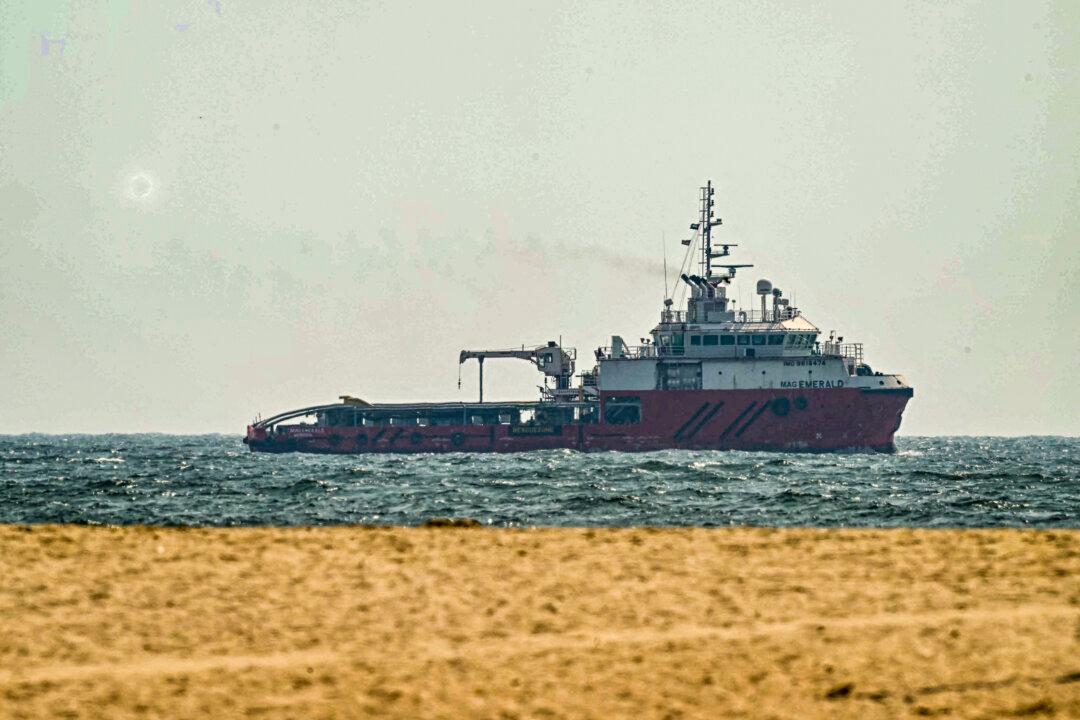
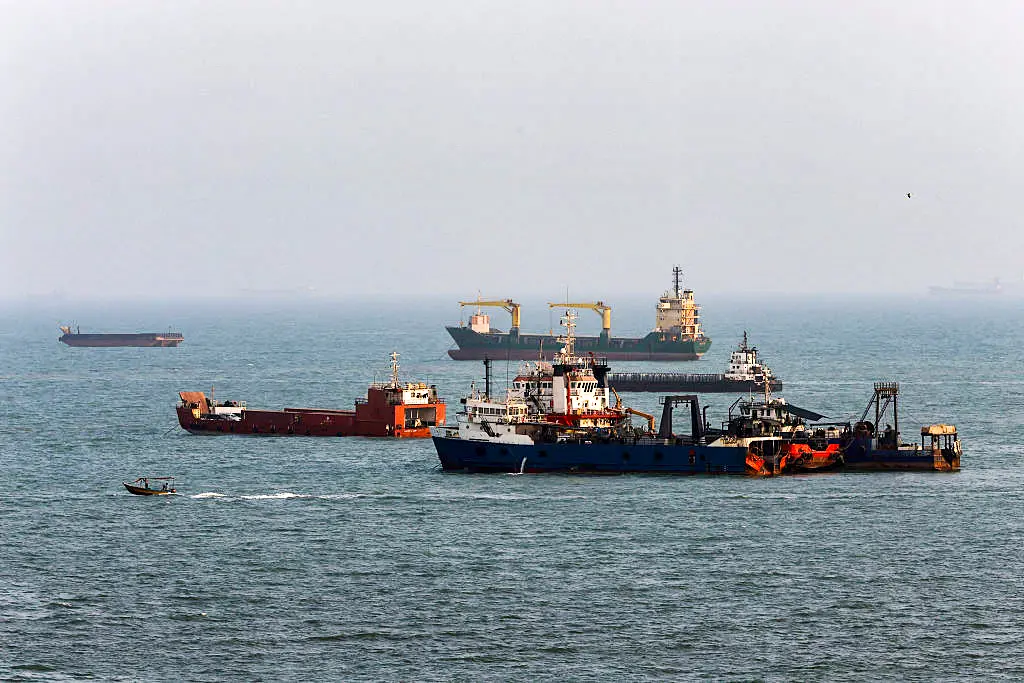
Blocked shipping lanes hammer China’s exporters while Iran and Washington sideline Beijing’s mediation push.
Despite diplomatic momentum, divisions within Tehran’s leadership continue to threaten prospects for a lasting agreement, the officials said.
As U.S. blockade holds, Iran’s inability to store tens of millions of barrels of oil could alter the course of the war, analysts say.
The visit comes as the US presses China to help reopen the Strait of Hormuz and ahead of President Trump’s summit with Xi Jinping.
The president said he paused the operation to give an opportunity to see if a final agreement could be reached with Iran.
Rubio said he is unsure whether the resolution can survive a permanent veto from Russia or China.
The Chinese regime intends to use increasing imports from the United States as leverage over the important issues in the summit, according to an insider.
The UAE trade minister said joining Washington’s small group of swap-line partners would be an ‘elite matter,’ not a bailout.
The United Arab Emirates’ defense ministry said in a Tuesday statement that it is ‘currently dealing with missile and drone attacks’ from Iran.
Chairman of the Joint Chiefs of Staff Gen. Dan Caine said that Iranian attacks were below the threshold of ’major combat operations.'
‘We either make the right deal, or we win very easily,’ the president said.
U.S. Treasury Secretary Scott Bessent said, ‘China, let’s see them step up with some diplomacy and get the Iranians to open the strait.’
Mike Wirth said the United States won’t be able offset all the lost oil, LNG, and refined-product that flows to to Europe and Asia.
Wall Street gains offered some relief Tuesday, but ongoing tensions in the Gulf kept supply concerns and volatility elevated.
Abu Dhabi’s move could loosen quota discipline, accelerate direct oil deals, and put pressure on prices once Hormuz risks ease, experts say.
More than a dozen missiles and drones were engaged by its forces, the United Arab Emirates said.
President Donald Trump stopped short of saying that the ceasefire has been violated.
U.S. officials warn that disruptions in Hormuz could set precedents for other key global shipping routes.
Fujairah is the only oil exporting zone in the country.
The remarks come amid a renewed diplomatic push to settle the Iran war, with markets rallying on hopes for an agreement.
Blocked shipping lanes hammer China’s exporters while Iran and Washington sideline Beijing’s mediation push.
Despite diplomatic momentum, divisions within Tehran’s leadership continue to threaten prospects for a lasting agreement, the officials said.
As U.S. blockade holds, Iran’s inability to store tens of millions of barrels of oil could alter the course of the war, analysts say.
The visit comes as the US presses China to help reopen the Strait of Hormuz and ahead of President Trump’s summit with Xi Jinping.
The president said he paused the operation to give an opportunity to see if a final agreement could be reached with Iran.
Rubio said he is unsure whether the resolution can survive a permanent veto from Russia or China.
The Chinese regime intends to use increasing imports from the United States as leverage over the important issues in the summit, according to an insider.
The UAE trade minister said joining Washington’s small group of swap-line partners would be an ‘elite matter,’ not a bailout.
The United Arab Emirates’ defense ministry said in a Tuesday statement that it is ‘currently dealing with missile and drone attacks’ from Iran.
Chairman of the Joint Chiefs of Staff Gen. Dan Caine said that Iranian attacks were below the threshold of ’major combat operations.'
‘We either make the right deal, or we win very easily,’ the president said.
U.S. Treasury Secretary Scott Bessent said, ‘China, let’s see them step up with some diplomacy and get the Iranians to open the strait.’
Mike Wirth said the United States won’t be able offset all the lost oil, LNG, and refined-product that flows to to Europe and Asia.
Wall Street gains offered some relief Tuesday, but ongoing tensions in the Gulf kept supply concerns and volatility elevated.
Abu Dhabi’s move could loosen quota discipline, accelerate direct oil deals, and put pressure on prices once Hormuz risks ease, experts say.
More than a dozen missiles and drones were engaged by its forces, the United Arab Emirates said.
President Donald Trump stopped short of saying that the ceasefire has been violated.
U.S. officials warn that disruptions in Hormuz could set precedents for other key global shipping routes.
Fujairah is the only oil exporting zone in the country.