Experts suspect there are also many unreported cases: ‘The true figure is certainly larger,’ said one.
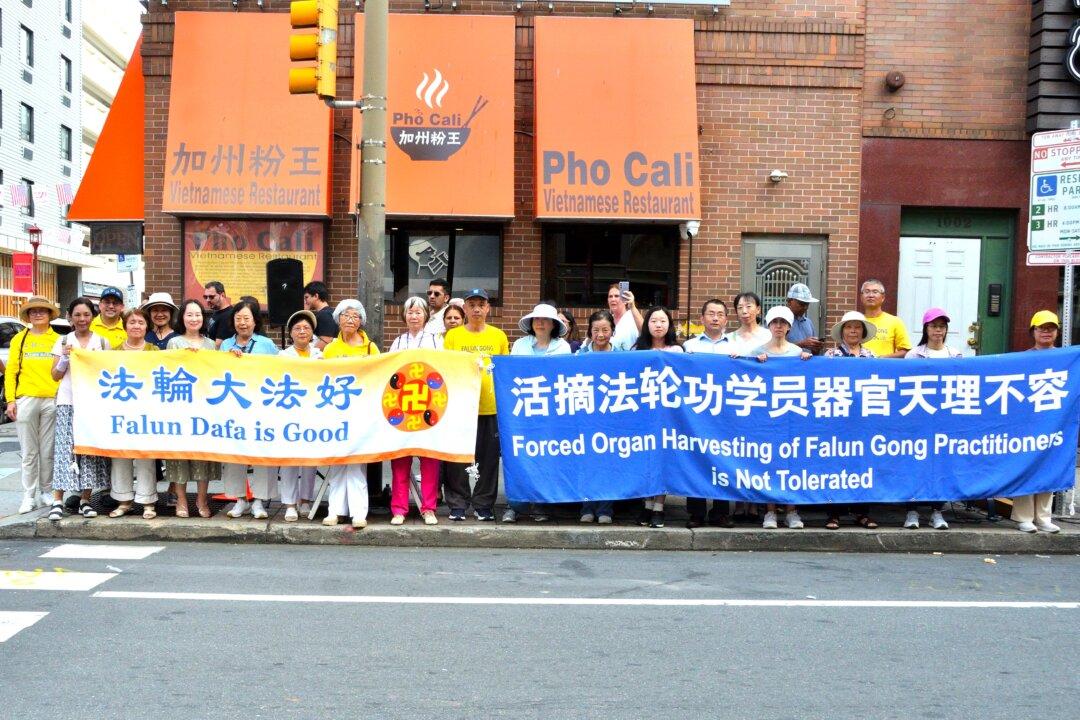
The bill would penalize foreigners who traffic organs and would prevent U.S. medical institutions from aiding abusive practices, such as by training surgeons.
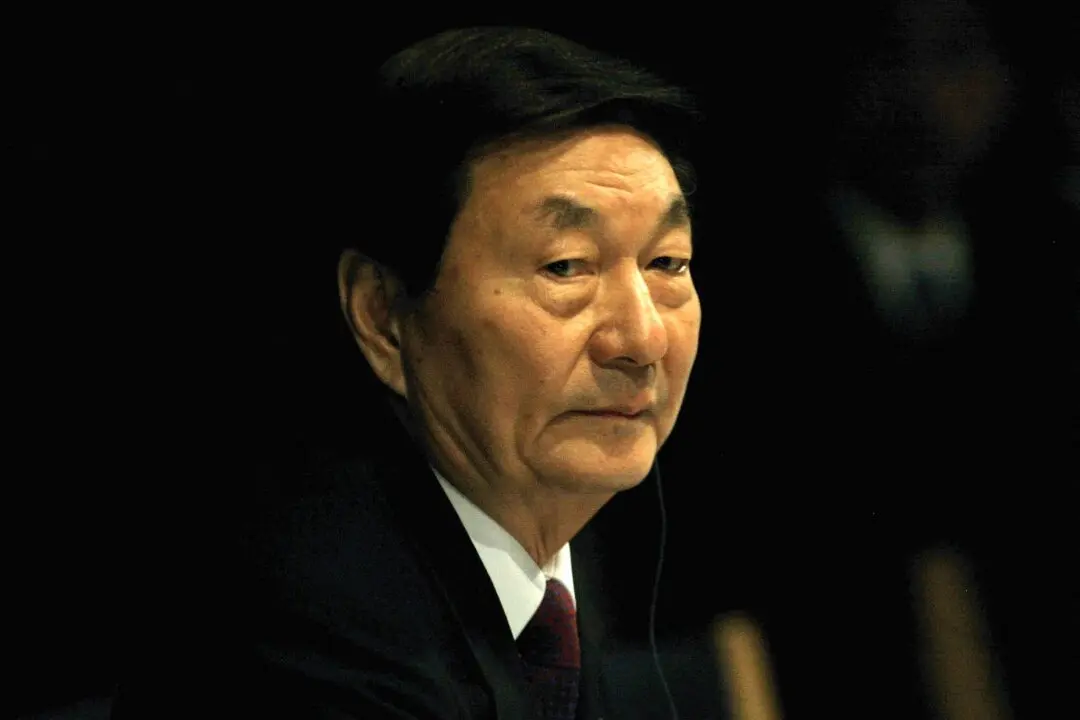
Veteran journalist Gao Yu said security officers warned her not to write further about Zhu, as personnel and barriers restricted mourners at his ancestral home.
The bipartisan legislation calls for U.S. sanctions against Chinese human rights violators.
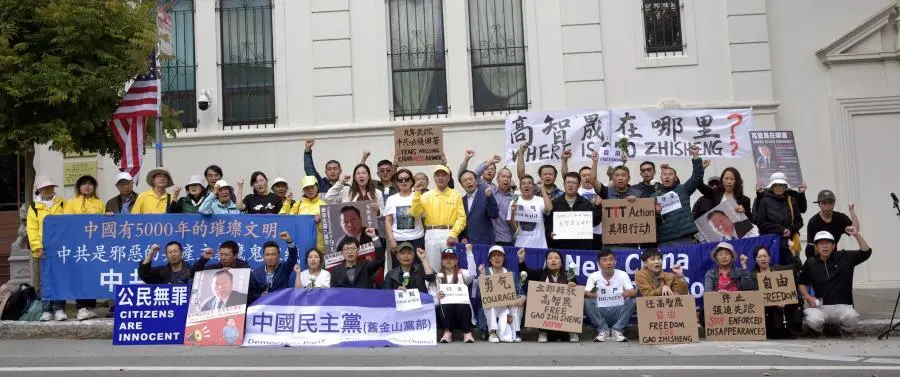
Gao Zhisheng’s wife and supporters gathered in San Francisco to demand his release and an end to the persecution of his family.
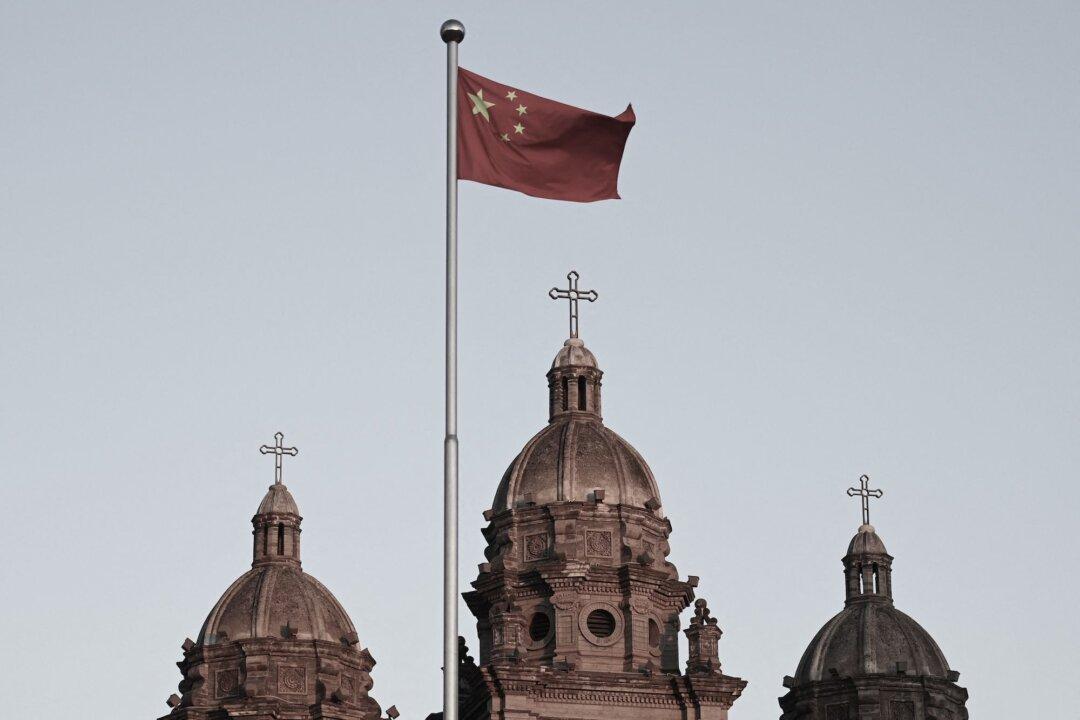
A Chengdu hospital ordered all employees to disclose their religious beliefs, while schools collect information on students’ and parents’ religious beliefs.
The CCP fears public mourning for the reform-era leader could become an outlet for broader expression of dissatisfaction with the regime, an insider said.
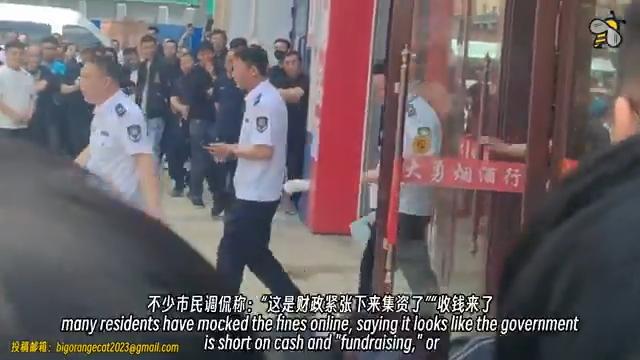
Shop owners described unpredictable standards, unaffordable fines, and warnings that sent entire commercial streets rushing to close.
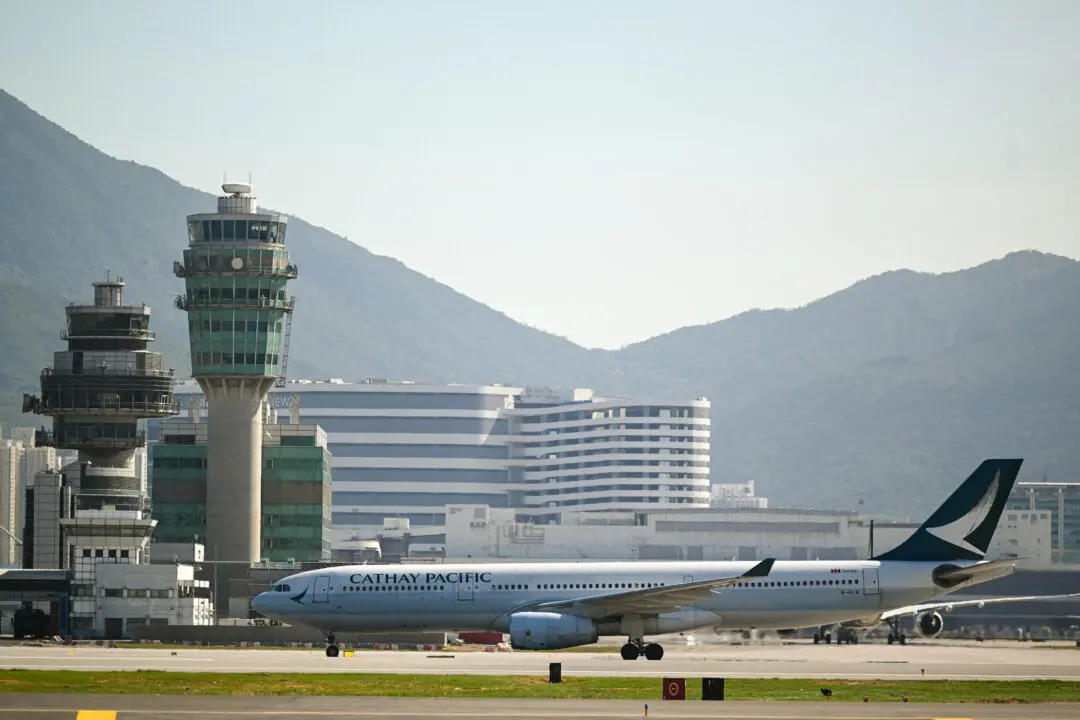
A passenger transiting through Hong Kong recounted the newly implemented additional airport security screening in a popular online video.
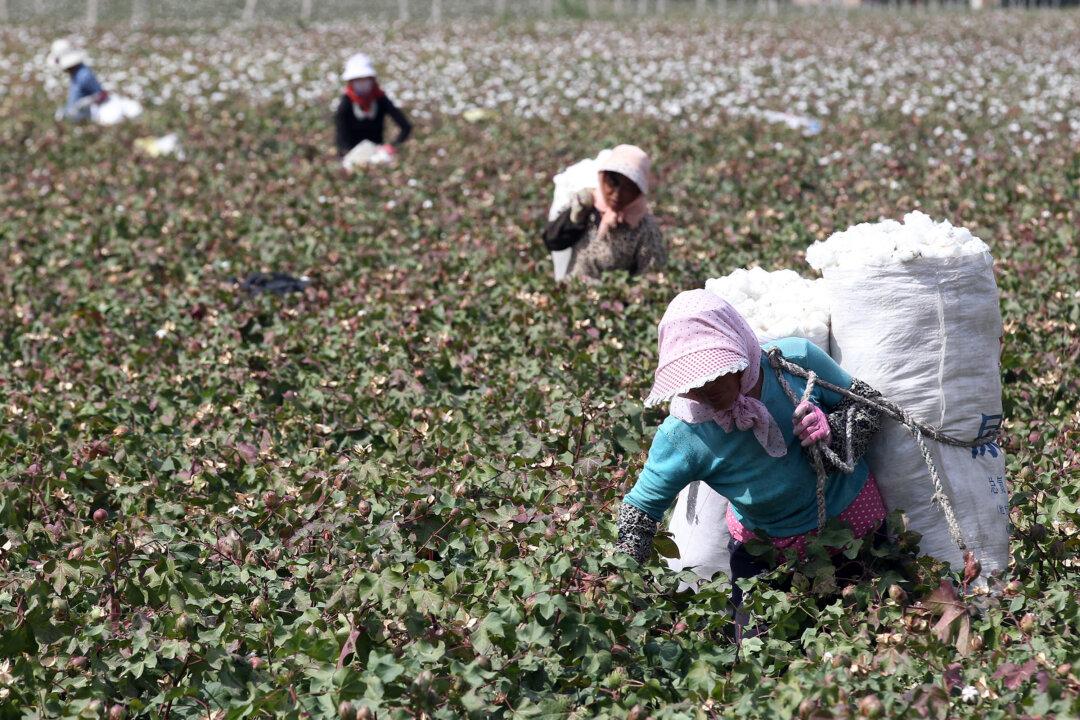
U.S. importers must prove their goods are free of Xinjiang forced labor, and the two sanctioned firms sell forensic testing that makes that proof possible.
Medical workers say employers are collecting passports, while some residents report failed passport applications before new rules take effect.

The Shanghai-based company waited nearly a year to disclose the boy’s death and changed the trial’s public status five days before the announcement.

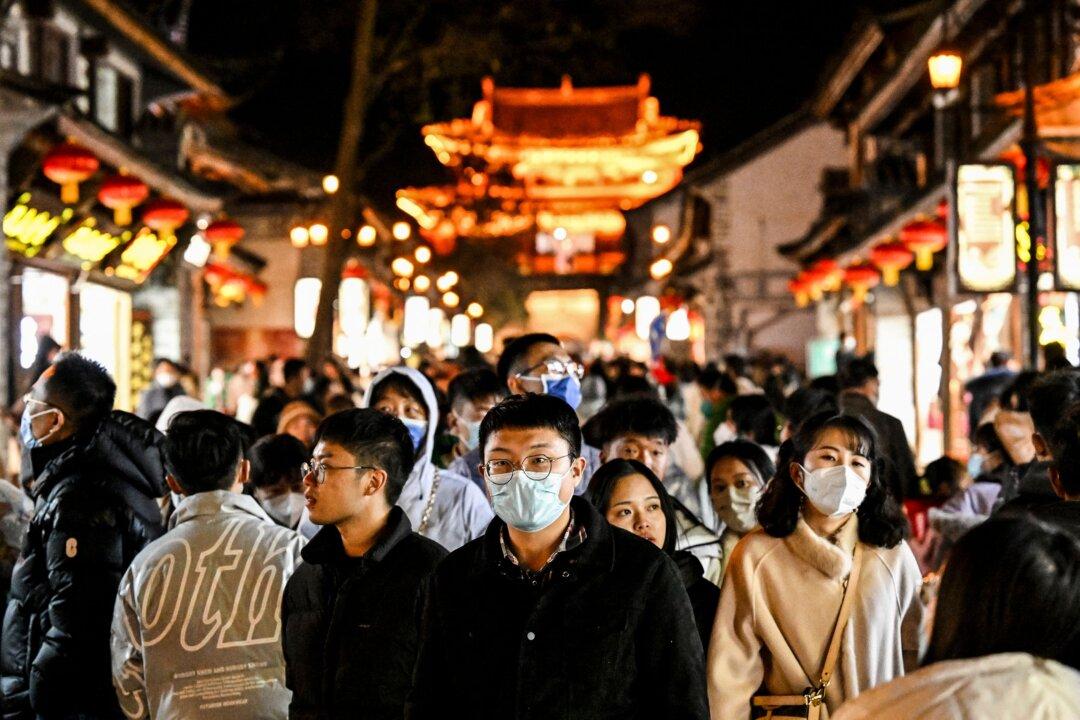
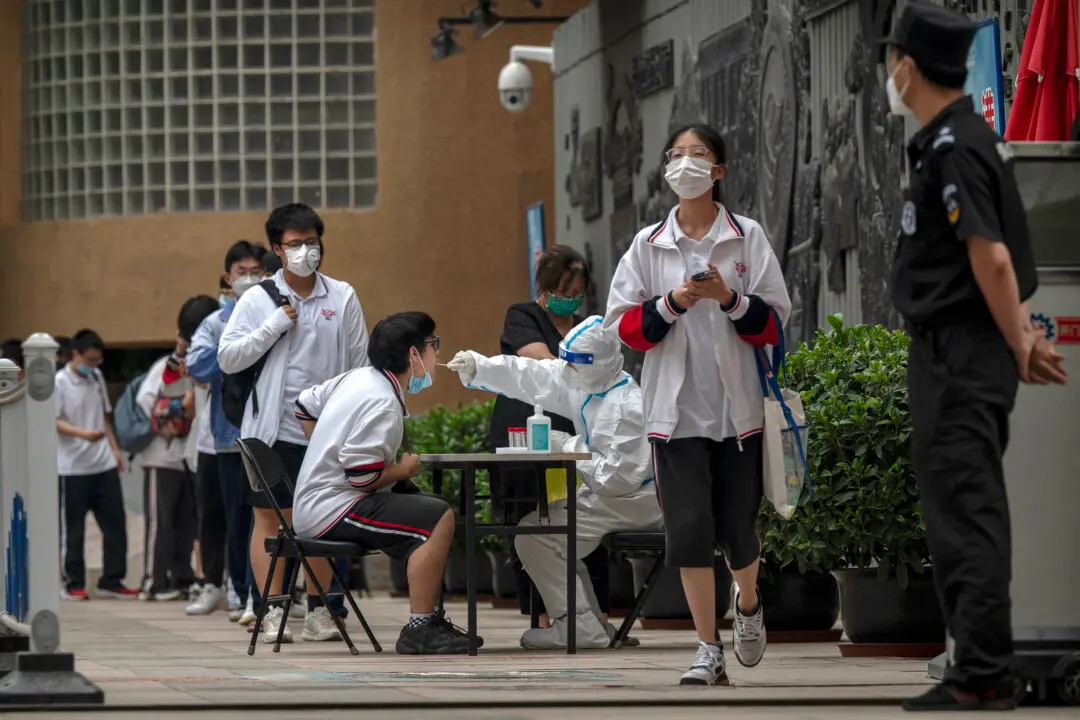
Medical experts said when the positivity rate exceeds 20 percent, the epidemic is likely to reach a high prevalence level.
Under the 19-part regulations, citizens accused of endangering national security at home or abroad could face exit bans of up to three years.
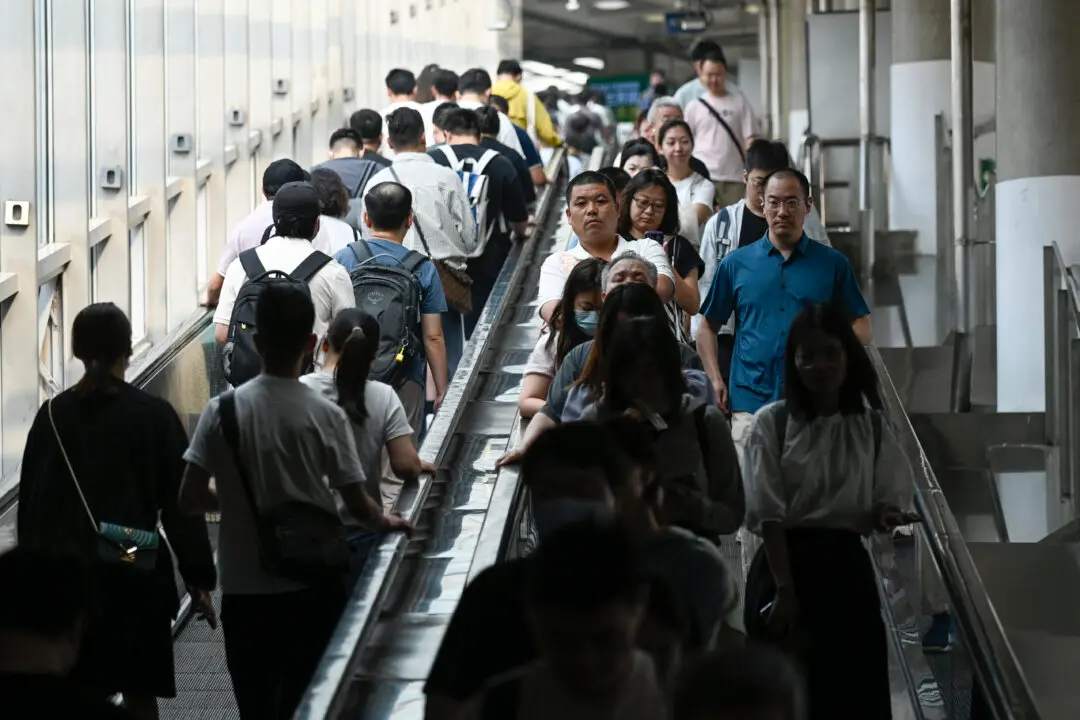
New rules granting authorities broader powers to question travelers and review data are being tested ahead of a Sept. 15 rollout.

The new yearlong campaign adds ‘public opinion extortion’ to anti-gang enforcement, prompting critics to warn of broader censorship and tighter online controls.
The case highlights China’s tightening security around the CCP’s annual Beidaihe retreat, where petitioners are blocked from reaching senior leaders.

Leaked documents and interviews indicate some state-owned enterprises now require workers to disclose family ties, travel records, and personal histories.

C100 records say the program sought to improve perceptions of China; organizers selected participants, itineraries, and whom delegates met.
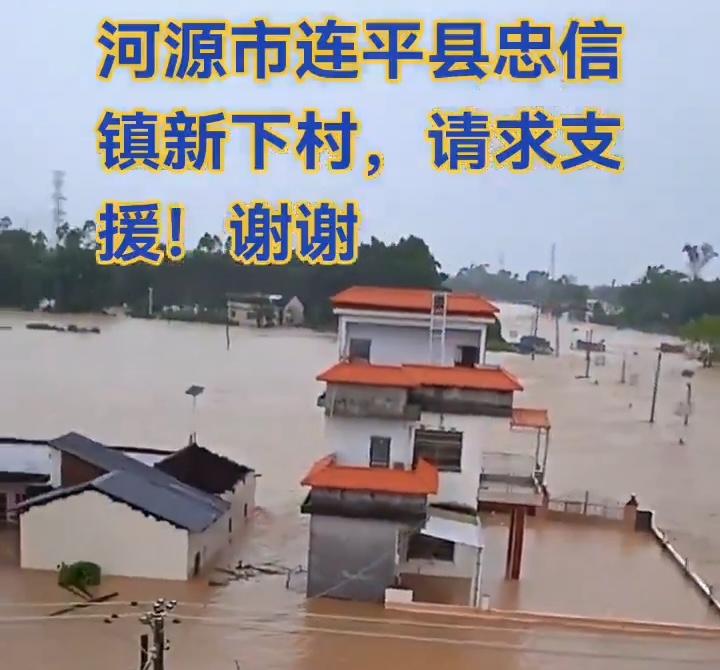
A resident said people and vehicles were swept into rivers as extreme rainfall flooded homes, shops, roads, and farmland across Guangdong.