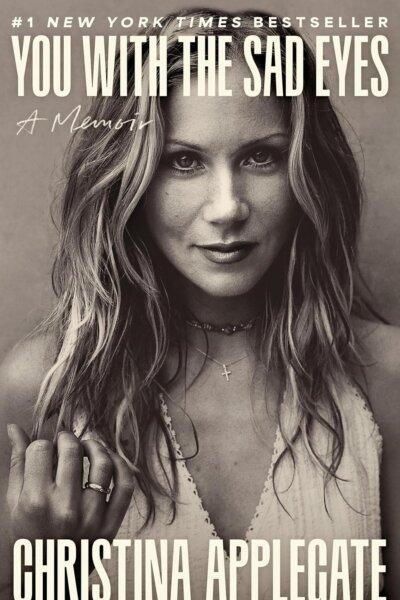
Christina Applegate is a household name. We’ve watched her rise from child star to wise-guy teen and then to an accomplished Emmy-winning actress.
Her personal struggles and professional highlights, we learn, have been many, and she discloses them all in her emotional and intimate account, “You With the Sad Eyes: A Memoir.”
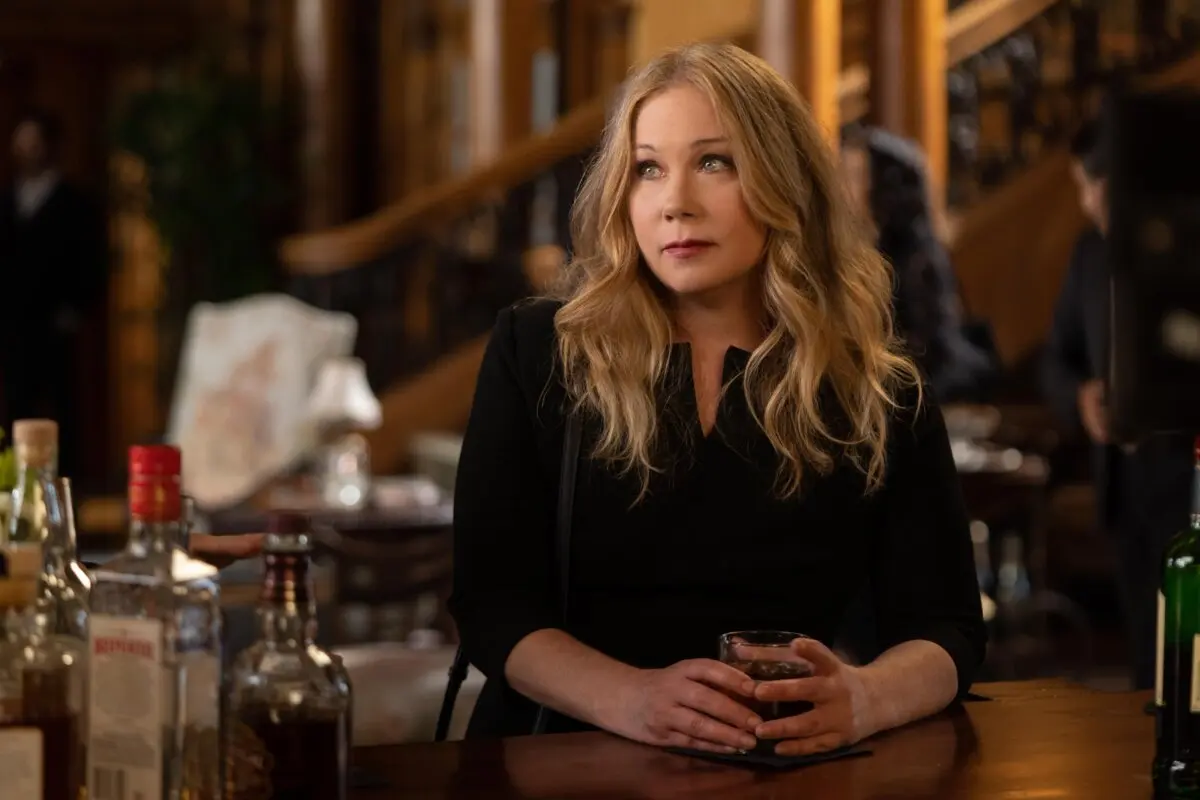
Her powerful, sure-of-herself celebrity persona was forged by experiences no child should ever endure. Now a wiser woman in her 50s, she is navigating a potentially life-threatening challenge with her 2021 multiple sclerosis diagnosis.
‘Sad Eyes’
How Applegate got the title of “sad eyes” is answered in the first sentence. It’s something her mother always noted about her. Nancy Priddy simply believed her daughter “just came out that way.”Applegate contends that it was the result of a childhood rife with abuse, terror, and “awful” experiences she outlines in detail. Despite Applegate’s career success, she can never totally erase the road to get there.
Jack Nicholson’s Hollywood
Her career aspirations for stardom began at only 5 years old when attending the Los Angeles opening of “Star Wars” in 1977, and afterward, a visit to Grauman’s Chinese Theatre. Placing her tiny hands into Jack Nicholson’s prints sealed the deal; she found it a magical experience, writing, “I could feel something sparking in me.”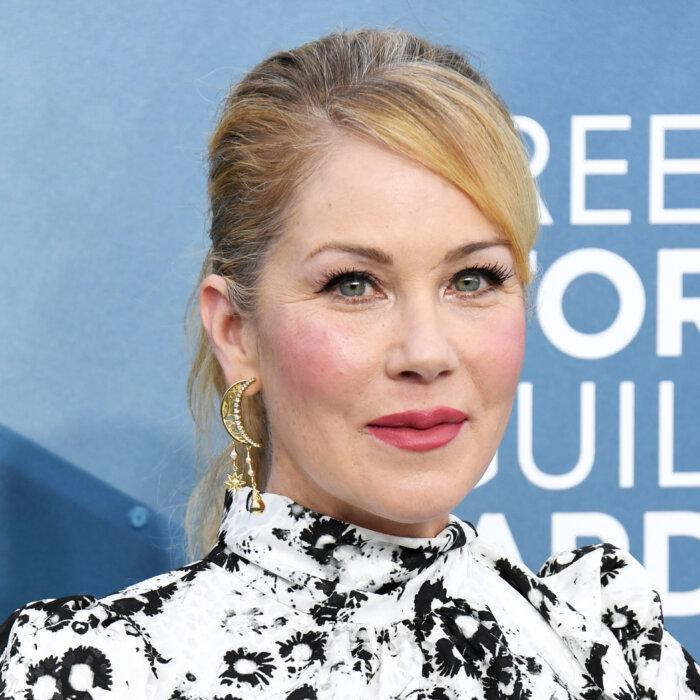

Before Applegate’s birth, her mother enjoyed her own promising but short-lived career as a singer, performing gigs in 1960s Greenwich Village and releasing a Phil Ramone-produced album in 1968. Things changed completely when she met the charming Bob Applegate.
The family life to come was far from a Hollywood fairytale. Abandoned by Christina’s father, Priddy fell into a struggling life with abusive men and drug addiction. Applegate praises her mother for doing her best to pick up the pieces, and for teaching her the value of things and “never made us feel like we were poor.”
For Applegate, success would start small with roles in TV commercials, before hitting a regular spot on “Heart of the City,” a police drama where she played the teenage daughter, and rocketing to stardom in “Married With Children.”
Multiple Sclerosis Diagnosis
In addition to that inner strength, other themes emerge. Readers see her sense of identity, her vulnerability, motherhood, and humor.Then, there is the multiple sclerosis diagnosis. What began as unusual numbness catapulted into the discovery of brain lesions and a one-month shutdown of her Netflix series. Her life became one of constant fatigue. Walking down a flight of stairs became almost impossible. Yet Applegate found the strength to finish out the show’s final season.
There’s little explanation as to how or why multiple sclerosis attacked her body, and there’s no need. It’s her new daily reality: She deals with pain, loss of independence, uncertainty about the future, and concern for her daughter. All these are fears and physical changes readers can understand.
Some of her stories could have included deeper exploration. But it may be Applegate’s belief that those she did cover in depth were the ones necessary, and that held the most meaning.
Little Hollywood Gossip
Those looking for behind-the-scenes stories, industry revelations, or celebrity gossip will find little in these pages. It’s what makes memoirs such as these refreshing.Her memoir is not full of bells and whistles but lays bare a life with as many joys as there are sorrows. In one section, we read how Applegate wished to distance herself from the celebrity that accompanied her name, going so far as to ask her friend to cease using her first and last names in her phone book.
“Anyone who truly knows me knows I am not Christina Applegate.” She prefers another name, two short syllables revealed only in the final pages. When referred to by that simple name, she writes, “I feel they know me in the deepest and most beautiful way.”
By the end of this memoir, so will the reader.