What is it about David Bowie? With almost 500 books about the British singer, actor, and songwriter, one might say it’s all been said. In “David Bowie and the Search for Life, Death and God” by Peter Ormerod, readers are introduced to yet another side—Bowie’s lifelong search for spiritual meaning.
While Ormerod isn’t a well-known name in the realm of rock and roll journalism, he may be uniquely qualified in this subject. As a regular contributor to The Guardian on faith and culture, he has the experience to delve into the musician’s search for a faith.
The author explores Bowie’s search for answers to the meaning of life, what happens after death, and the significance of religious symbols. It’s not your typical rock and roll bio that focuses on the artist’s life and musical career. It shows there is much more to Bowie than what’s on his records and in his movies.
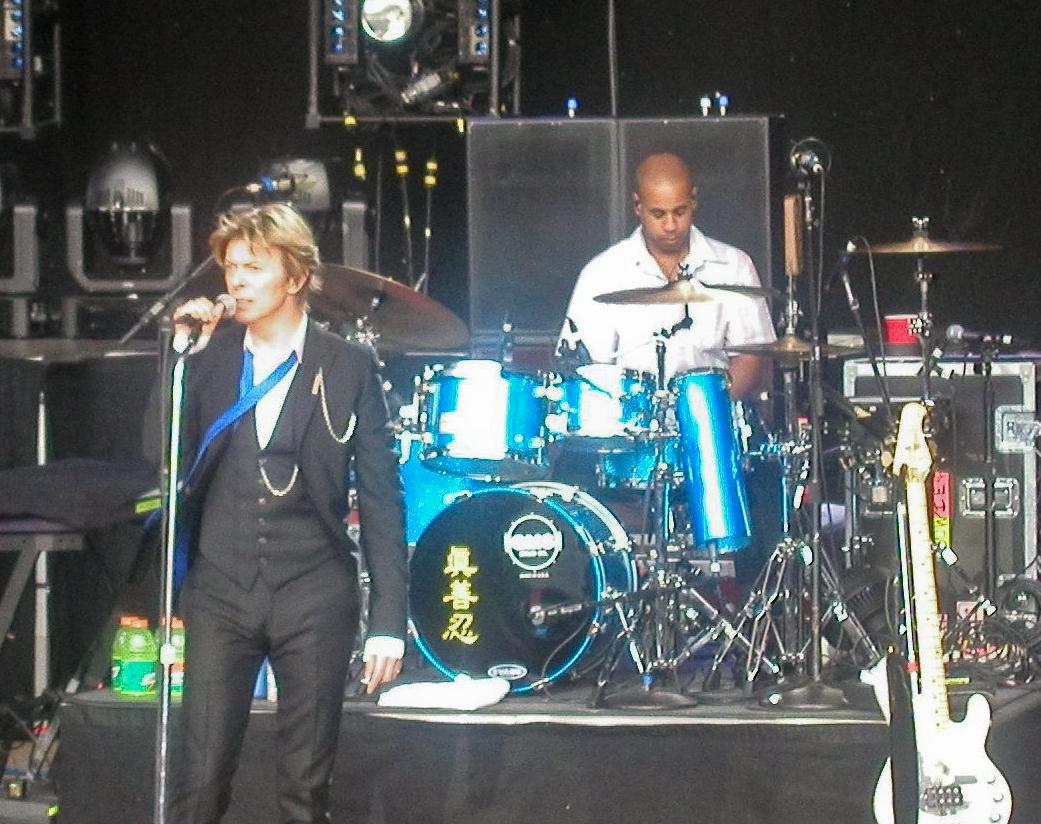
His Music
What sparked Bowie’s interest in music? It wasn’t his early years in a church choir, but Little Richard’s hit “Tutti Frutti.” The author writes, “Rock and roll was converting the young. Here was something new to believe in.”Born in 1953, David Jones chose a new last name after the famous frontier knife that was sharpened on both sides so it “cut both ways.” Already the emerging artist was planning a life of ambiguity.
The book has chapter titles not based on the musical genres that Bowie pursued, but by spiritual and mystical beliefs. The first chapter, Choirboy, begins with his first experience with organized religion, and later chapters refer to Buddhism and Gnosticism.


The final one, Magician, is based on a persona Bowie took on his later years, defined as “the human entertainer.” At that time, he had completed two major projects: a theatre piece and an album.
Though aware he was terminally ill, Bowie was creating music that wasn’t the work of a dying man, but of one who was “ferociously living.”
Today, when about 35 percent of young adults have left the religion they were born into, and 30 percent of American adults aren’t affiliated with an organized religion, this book should prove of interest to many, not solely Bowie fans.
The artist wandered from one faith to another, wrestling with and exploring serious questions while never seeming satisfied. Maybe the answers he sought weren’t found in books, but from the passions within him. The lyrics of Bowie’s hit “Space Oddity” are more about a man reflecting on a spiritual quest than a failed trip into space.
Spiritual Journey
When Ormerod describes Bowie’s personal life, such as his marriage to supermodel Iman, it’s not to add a biographical element, but to illuminate his spiritual journey. The marriage is given only passing reference, a mention of the ceremony held in a church resembling the church Bowie attended as a child.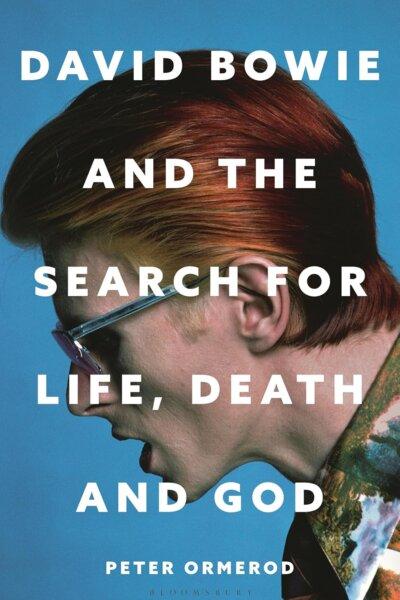
Bowie questioned higher themes of life and death, and faith and disbelief. He also used the personas like Ziggy Stardust and The Thin White Duke as a new identity to try on. Never settling on one, the artist spent a lifetime asking, “Who am I?”
It’s not the first time a book about a musical celebrity focused on something beyond their career. Books about Bono and Leonard Cohen offer a similar read. These books focus on how public figures have questioned the deeper meaning of their existence.
Bowie passed away in January 2016, not long after releasing his final album, “Blackstar.” One of the songs on the album, “Lazarus,” achieved significant commercial and critical success.
It’s interesting to note that the first line of the lyric is, “Look up here, I’m in heaven.” Sounds like the words of a man who, while not have uncovered all the answers to his questions, may have found one at the end that brought him peace.