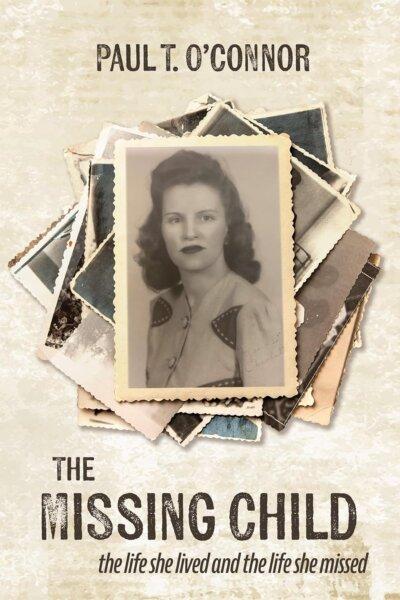
In this deeply personal memoir, the opening scene sets the stage. The author and his sister have just buried their mother. Discovering a locked box of documents, they find an envelope with simple instructions: “Burn without opening.”
This suspenseful new book combines a family’s quest for answers, a genealogical detective investigation, and a love letter to an extraordinary woman.
Read or Destroy?
With the envelope before them, O’Connor and his sister ask themselves, “Destroy my mother’s papers or read them?” Both had been aware of their mother’s adoption, not once but twice, due to the death of the first adopted mother.What could their own mother have been hiding, and did her children have the right to know? With the decision made, O’Connor begins a multi-year project of court petitions, placing newspaper ads, and taking to the road to follow any thread of a lead.
Because of the advancements in genealogical research with websites like Ancestry.com and 23andMe, O’Connor combined those resources with his own investigative skills to explore his mother’s adoption process. His first discovery was that, always known as Charlotte, his mother had been given the name Irene at her birth in August 1917.


Hidden Stories
Over the course of the investigation, Charlotte’s family would have to face new details of the life their mother could have had and the one that was kept from her. It’s a story about how lives are altered, for better or for worse, by the stories kept hidden.Since the author is her son, the revelations hold greater meaning, and their effects are more powerful. Readers may find themselves wondering what they would do if faced with a similar situation.
O’Connor doggedly pores over family records, old letters, and photos, as well as orphanage documents and public archives. He creates his first Ancestry.com account. In many cases, he elicits the assistance of an orphanage coordinator who, with the resources and experience, assists with adoption searches.
He referred to his earlier research attempts as “feeble.” Noting the advancements in technology over the last decade, he encourages readers with a family mystery of their own to give it a try.
Ordinary Lives, Extraordinary Stories
Charlotte comes to life as a vibrant woman, resourceful, independent, and resilient. She endured poverty and uncertainty, especially with the men in her life. The author demonstrates that ordinary lives can hold extraordinary stories and asserts that where we come from matters.“On the day we found Charlotte’s papers,” he writes in the Epilogue, “we rationalized our reading them on the belief that they were also our papers, that they told us more about who we were.”
Among the strengths of the book, and perhaps the most important one, is the journalist’s experience of taking readers along with him on his relentless search. The number of people listed in the “cast of characters” section includes fellow journalists, landlords, brothers, nieces, and friends.
All either played a role in Charlotte’s life or helped O’Connor solve another piece of the puzzle. In the back of the book, readers will find a few family trees, making it easy to keep track of the connections.
A Genealogical Search
Because of the depth of research material included, readers may grow weary of an overload of dates and names and struggle to remember how “so and so” figures into the picture. Not every fact needs to be absorbed to enjoy the ride.For an accomplished journalist, however, every detail is necessary. Those looking to get into journalism, or genealogy studies, should take a lesson from these pages.
In the chapter Charlotte’s Last Conversation, readers may feel a sense of dread at what’s to come, having come to care for Charlotte, despite being fully aware of her status from the get-go.
The accolades and tributes by family members at her funeral service prove she had a life worth remembering. One statement went, “My dear Charlotte … your strongest asset was how human you were, and you had strength like no other.” And this one, “You were a Ms. before they gave it a title.”
O’Connor has done a masterful job at documenting his mother’s life. By including many family photos, he helps readers put a face to a name. One can only imagine that Charlotte surely has forgiven her children for not following her last request.