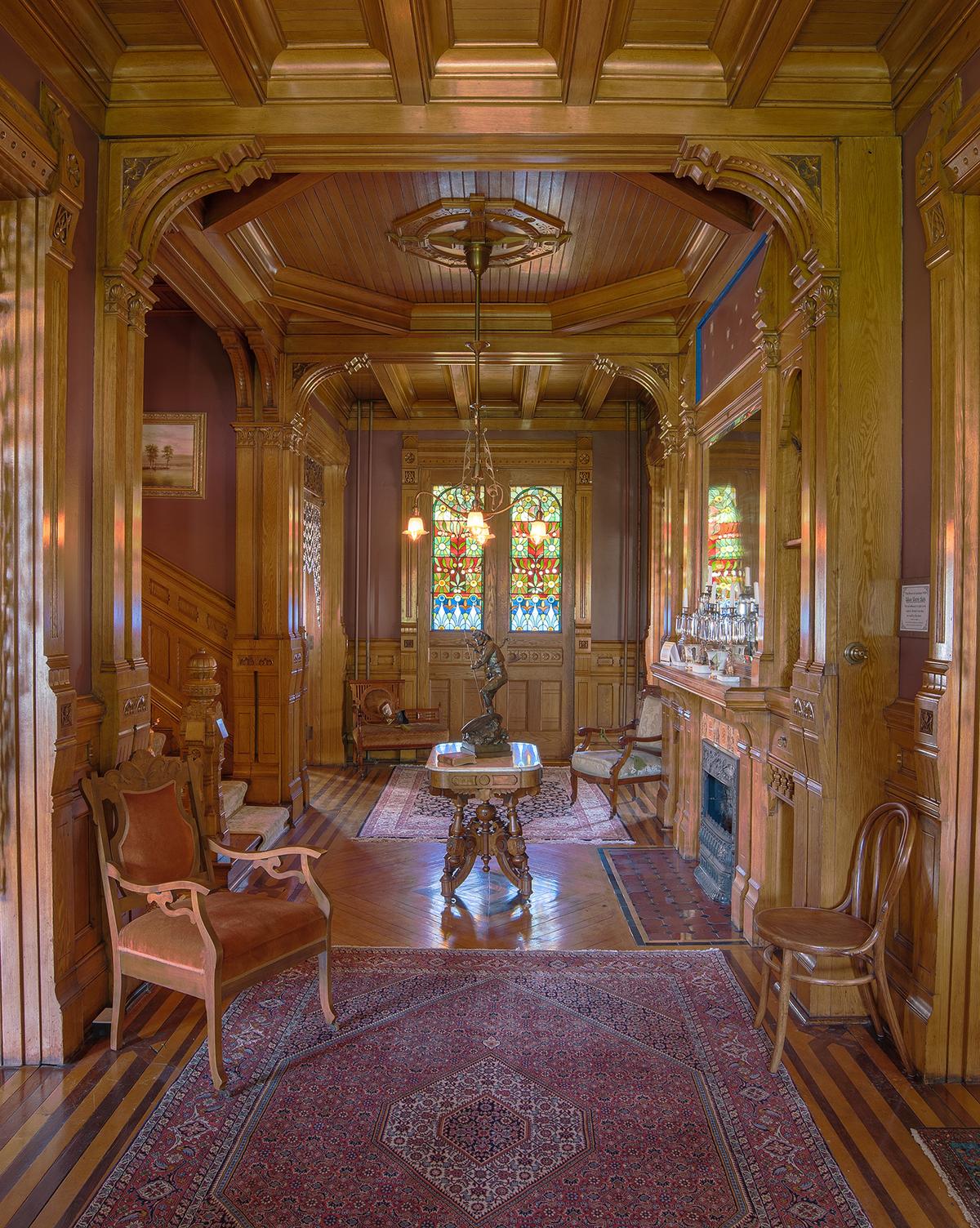
Candles glow at the Hearthstone Historic House Museum in Appleton, Wisconsin. But on September 30, 1882, the two-story, 9,000-square-foot, limestone-brick residence became the first in the world to light its interior using hydroelectricity. It came from a central system designed by Thomas Edison. In fact, the standard command to “turn the lights on” literally originated in this house. Visitors to the house museum can view aspects of the lighting system, including original and working Edison electroliers (light fixtures), light switches, and wiring.
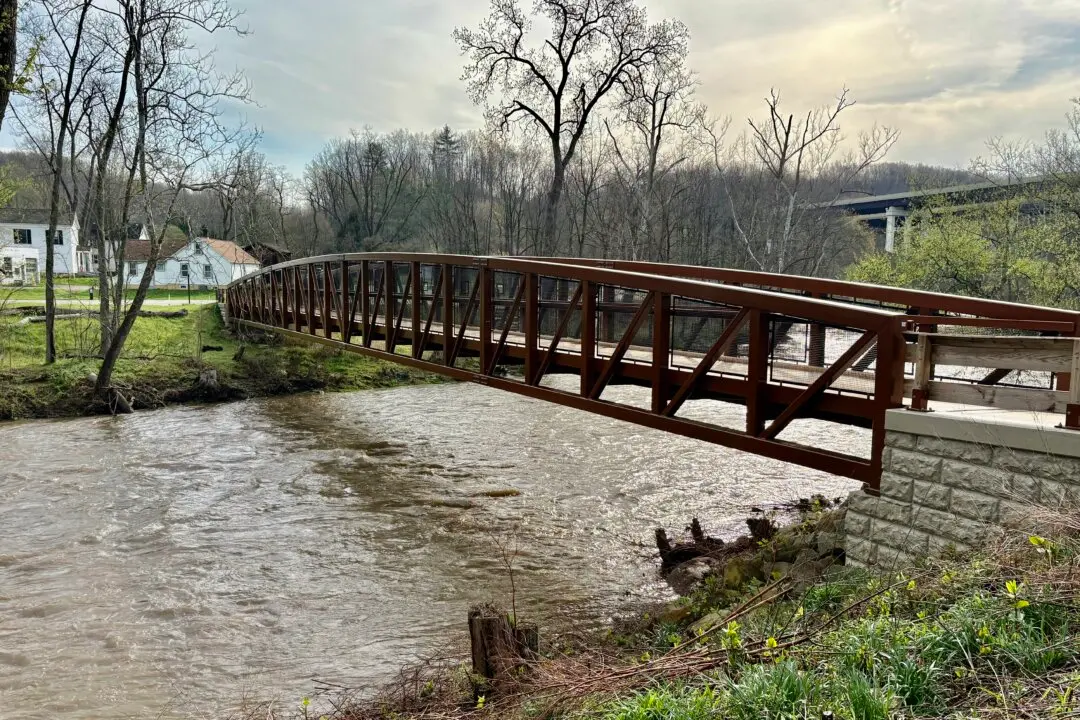
Hearthstone Historic House has been on the National Register of Historic Places since 1974, primarily for the technological milestone that took place there. The Fox River, which flows across central and east-central Wisconsin and directly through Appleton, allowed for the possibility of hydroelectricity. This new, green energy source came at a time when the Industrial Revolution was responsible for excess pollutants pouring into the atmosphere.
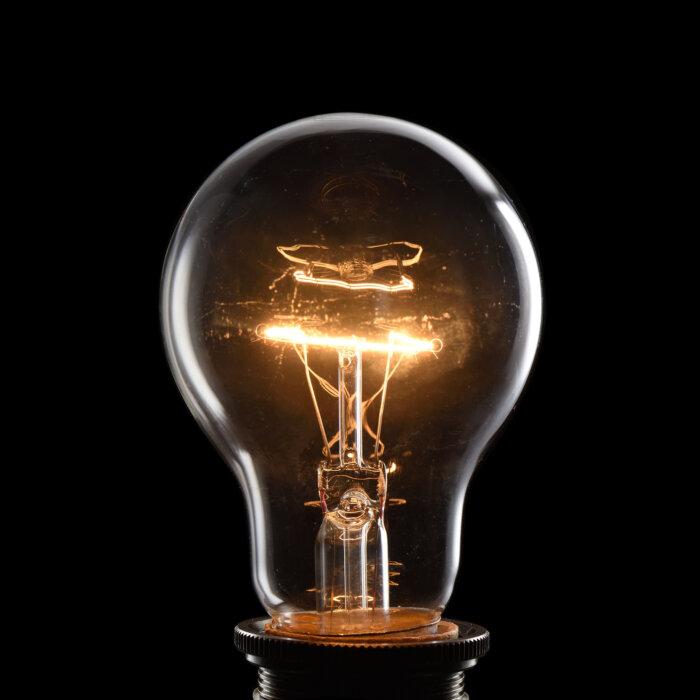
Hearthstone’s owners, industrial entrepreneur Henry Rogers and his equally visionary wife, Cremora, were acquainted with Edison’s work related to electricity and the light bulb. Edison had established the first commercial steam-powered power plant at Pearl Street Station in New York. Thus, Rogers and a few investors decided to use the power of the Fox River and water wheels at a paper-pulping operation to try to generate electricity. After some trial and error, they were successful—initially lighting up Hearthstone.
Eventually, Rogers and his investment partners formed the Appleton Edison Light Company. The successful electrification of Hearthstone quickly lit the way for the technology to be used in residences and commercial buildings throughout America.
Victorian Christmas Traditions
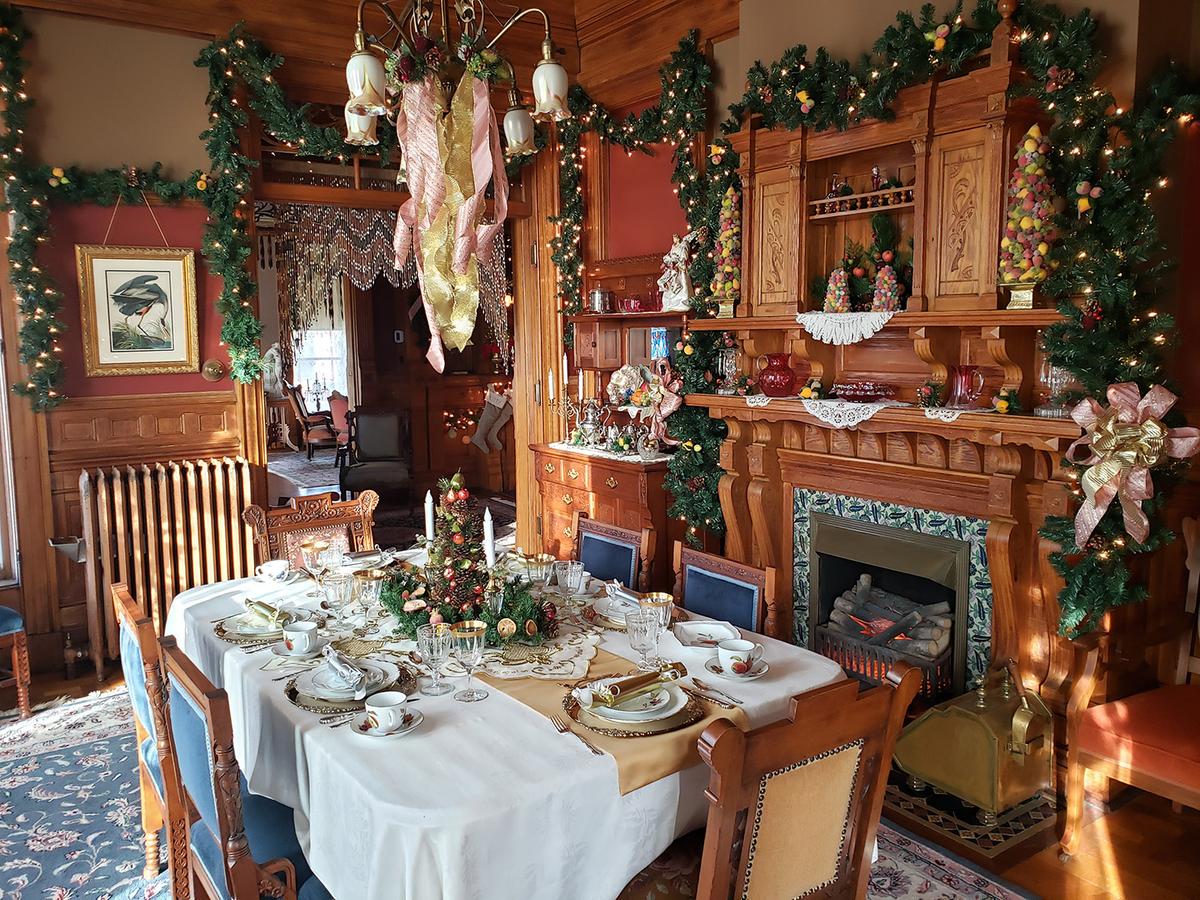
While 14 of the 39 rooms at Hearthstone Historic House are accessible year-round, its grandest display is exhibited during the Christmas season. According to Executive Director George Schroeder, Hearthstone’s first public, illuminated Christmas celebration was in 1987, which was also the first year the museum opened.

“We’ve been decorating and celebrating every year since,” he said.
Hearthstone’s curator, Lynne Phillips, develops new decorative themes years in advance, and preparations for each year’s Christmas extravaganza begin at least 14 months out. “At the very latest, the execution starts in earnest in January,” she said. “As a result, Christmas decorating is a year-round process, taking 11 to 14 months from conception to finished installation.”
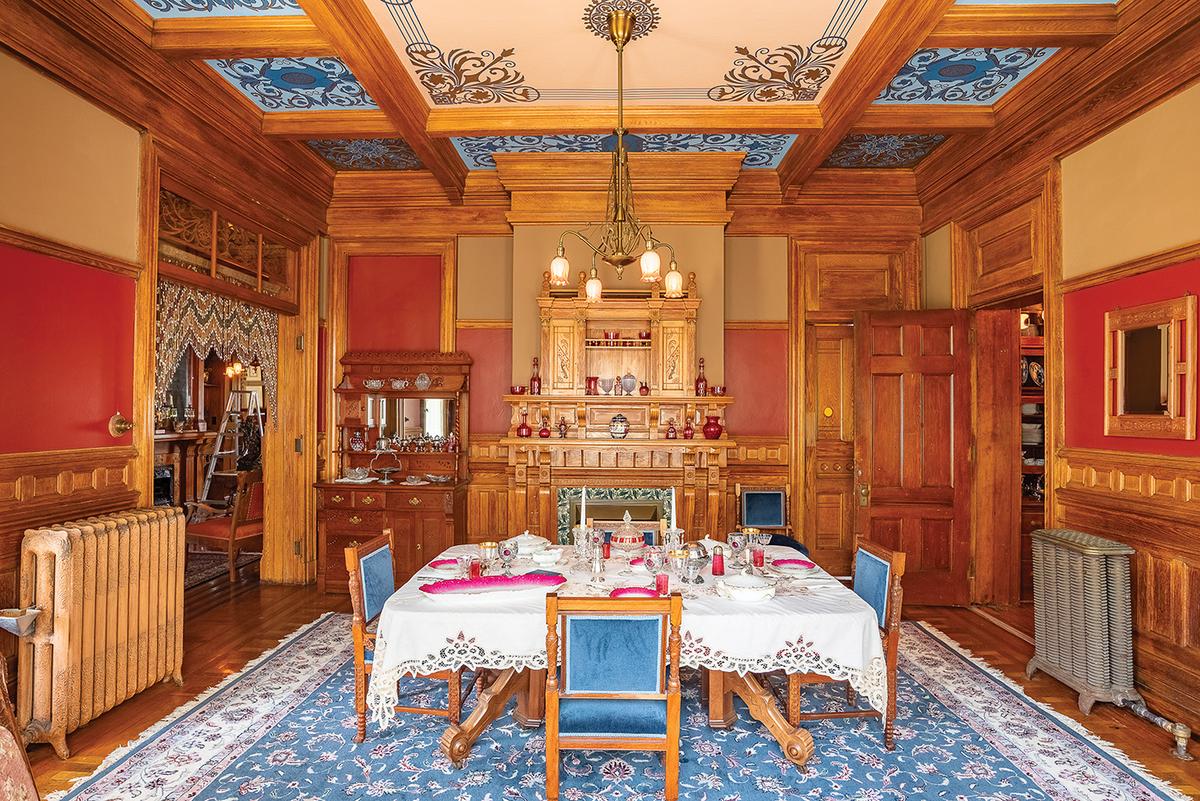
A main focus is also always on natural elements, but this coming season, nature is especially highlighted.
“Victorians loved to bring the outdoors indoors,” Schroeder said.
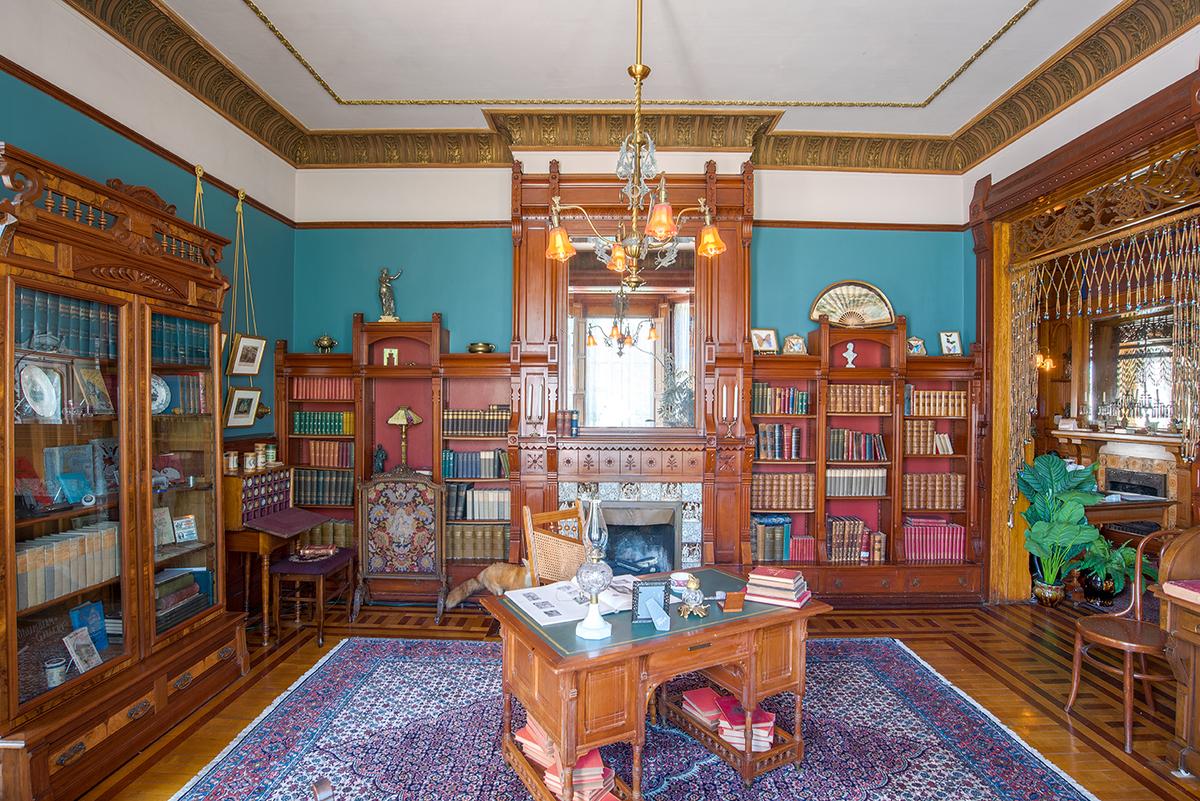
The decorations serve to enhance the ornately appointed interior. Showcased is Hearthstone’s white oak, cherry, and bird’s-eye maple handcrafted workmanship, as well as Victorian period furnishings, art, lighting fixtures, and accessories.
“This year, each room has a theme, such as trees, vines, flowers, birds, fruits and vegetables, marine life, and animals,” Phillips shared.
For fire safety, “most of the elements are unfortunately artificial, though we will be using dried natural items and taxidermied animals” common during the Victorian era. “Hearthstone has amassed a large collection of Christmas ‘raw materials’ over the past 39 years, so the majority of the decorations and ornaments will come from that trove.”
Christmas decorations are arranged each year not only by the curation staff and volunteers but also by some of the local Fox Valley Technical College’s Interior Design students.
“Every year, our volunteers take the raw elements—a plain wreath or swag, ribbon, wire, fruit, lights, feathers, berries, etc.—and put them all together to make beautifully decorated trimmings for each room of the house,” described Phillips. “The entire residence is festooned with greenery, bows, and garlands, leaving no surface untouched, in the true spirit of Victorian design.”
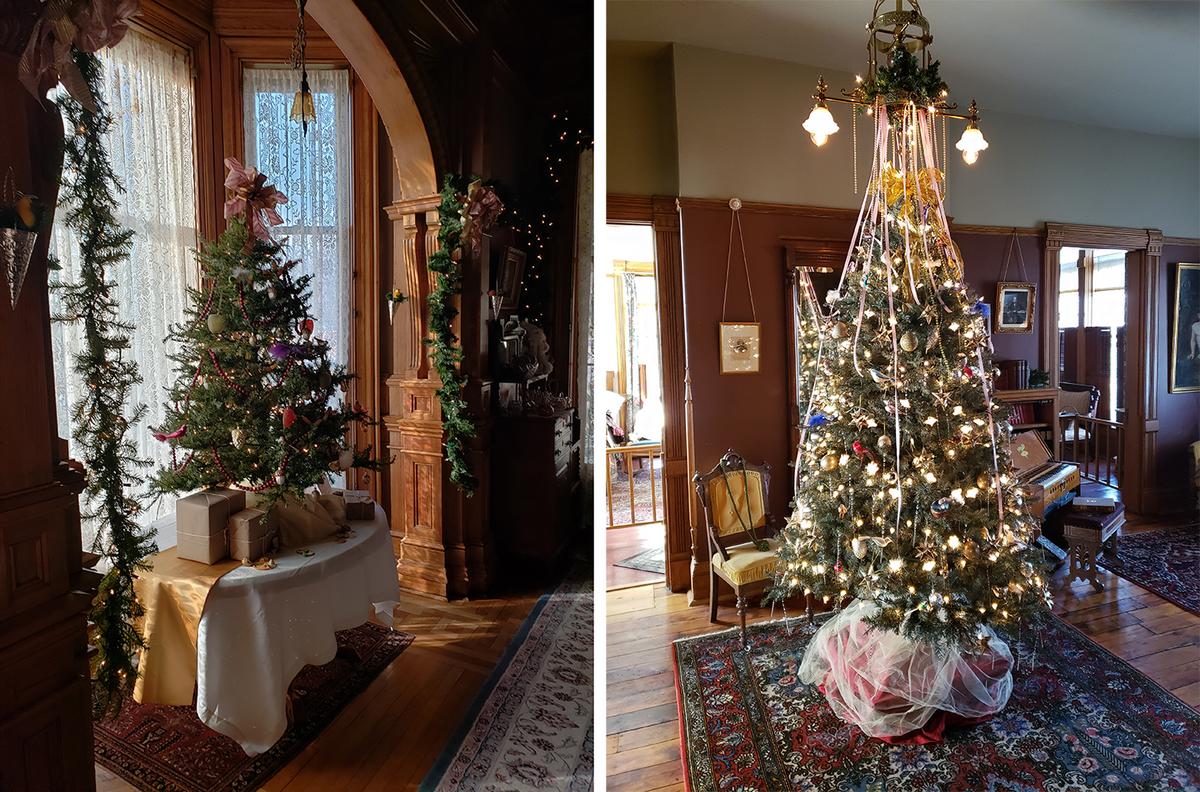
Also underscored are German-inspired traditions, because of the number of German descendants who settled in Wisconsin. Christmas trees, which originated in 16th-century Germany, are an important part of Hearthstone’s annual holiday ambiance. Although the multiple trees on display in the house are artificial, they are realistic in appearance.
“We utilize trees that are as natural in appearance as possible,” Schroeder said.
“They are chosen to fit into the various spaces of the house, some full-size for large spaces like the parlor with its 12-foot ceiling, some narrow for small areas like the mid-staircase landing, and some are small but lavishly decorated tabletop trees—which stem from the original German and Dutch roots of the holiday. In fact, every year, one tabletop tree is displayed upside down to represent not only a fascinating German tradition but also the impact of the German-speaking servants who lived and worked at Hearthstone.”
The custom, which dates back to the seventh century, is attributed to St. Boniface, who used the triangular shape of an upside-down fir tree to teach pagans about the Holy Trinity.
The overall experience of visiting Hearthstone at Christmas is sensory. Besides the radiance and colors on display and smells emanating from cookie-scented candles, some December evenings include live performances of traditional Christmas carols by a pianist on the house’s 1875 Kranich and Bach square grand piano.

“A large part of the evening events is sharing ‘How Victorians Invented Christmas,’ as almost everything we do today in our modern secular celebrations started in Victorian England,” Schroeder said, adding that “America built on German and Dutch traditions,” too.
A Small Town Wonder
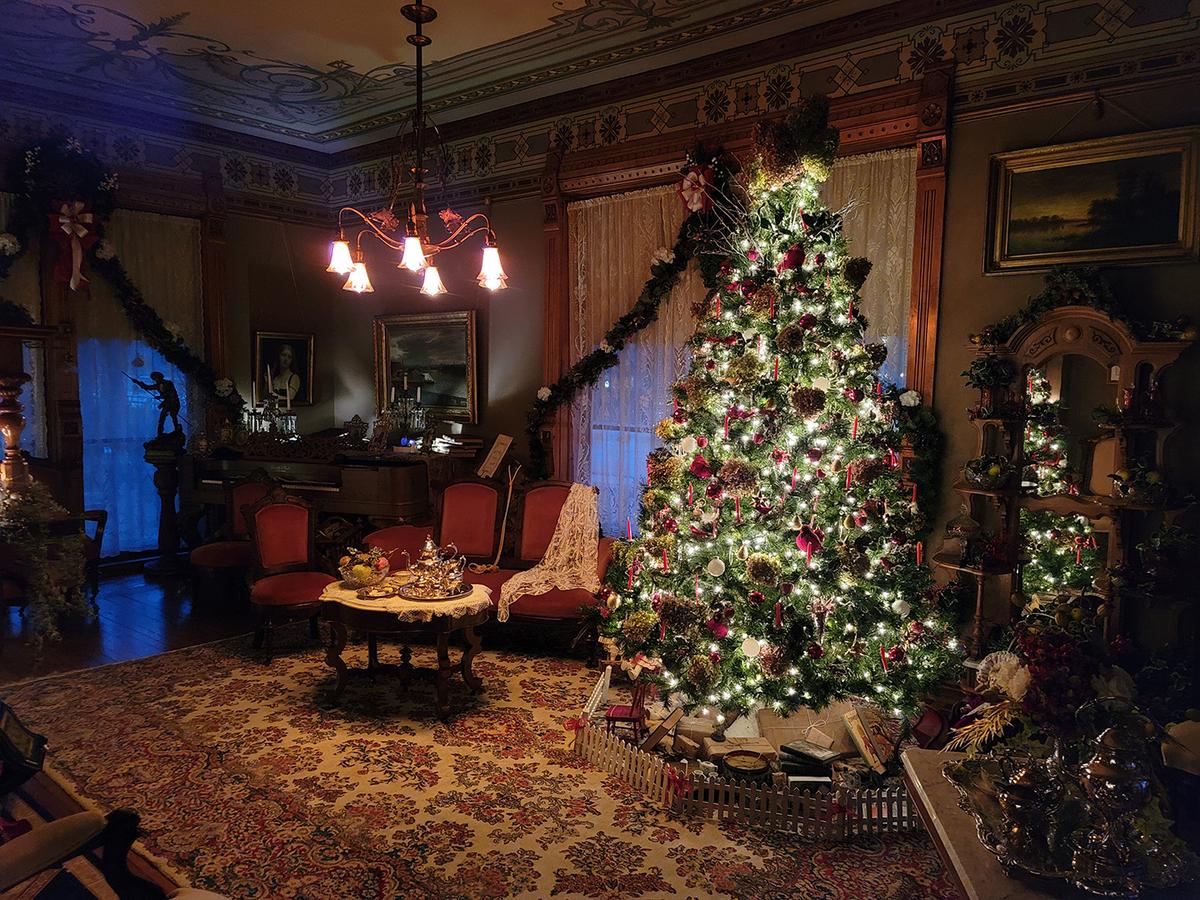
Hearthstone’s annual Victorian Christmas celebration opens the Saturday of Thanksgiving weekend and runs through the weekend after New Year’s. All the preparation leads to around 2,000 visitors participating in regular daytime tours, evening open houses, and specialty tours such as “The Invention of Christmas Lights.”
Schroeder noted, “Unsurprisingly, school tours are also popular at this time of year. For a small museum like ours, … [the Christmas event] accounts for almost 20 percent of our annual attendance, which tops 10,000 guests for all tours and events.”
Schroeder pointed out that he wants guests to appreciate that big ideas can come from small places. He said:
“Our little town in Northeast Wisconsin was a hub of innovation, high technology, and industrialization in America—the Silicon Valley of its day, with more buildings with electricity than any other city in the world! That li’l ol’ Appleton, in a very real and profound sense, changed the world.”
Indeed, Hearthstone Historic House’s well-planned and -executed Christmas affair also reminds visitors that tradition and technology can go hand in hand.