A relatively new genre of internet content has emerged over the past few decades. It might be more accurately described as “meta-content”—content about content. I refer to the comments section underneath YouTube videos, news articles, and social media posts, a chaotic environment that is by turns humorous, heartbreaking, and horrifying.
Comments sections, with their off-the-wall jokes, impassioned debates, and startling perspectives, have become such a vibrant feature of online discourse that they sometimes even eclipse the main content (the news story, social media post, or video that gave them origin).
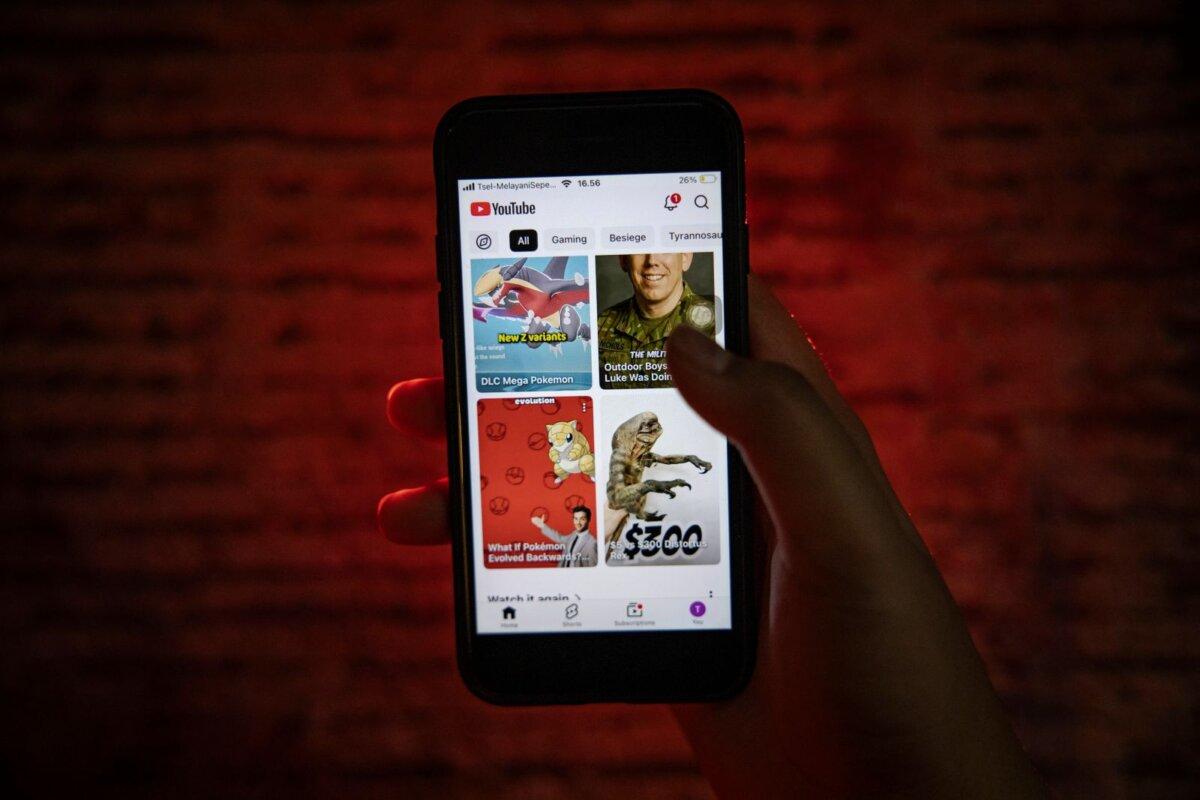
A recent study from the University of Texas at Austin demonstrated what many had surmised: A large number of internet users have more interest in the comments section than the article or video itself.
While it’s true that most users avoid news site comments (partly because of their potential toxicity), there’s still a substantial minority that barely read the article before leaping into the comments section to unleash their opinions. Users who comment at least weekly were more likely to be men and those with a high school education, according to the study.


The comments section can be attractive even for those who aren’t looking to share their own views. One in three users at least skim through comments even if they don’t plan to leave one themselves. Part of the enticement has to do with the unpredictability of these spaces. “At their best, comment sections are thriving examples of civil discourse,” Purtill wrote. “At their worst, they are troll-infested pits of cruelty, bigotry, and ignorance, where personal attacks and slurs count as dialogue.”
As a writer, I’ve certainly encountered instances where readers completely misinterpret what I’ve written and accuse me of the most malicious intentions. At the same time, I’ve had plenty of commenters who grasp what I’ve written and express appreciation for it in the kindest of terms. You’ll find both extremes in comments sections.
Most of us have probably read through a comments-section dialogue with horrified fascination, or laughter, or maybe even a real sense of human solidarity. Some people will be surprisingly vulnerable in comments sections, sharing deep personal struggles or losses. Probably, the relative anonymity makes them feel they can open up online in a way they never could in person. Those types of comments are brief, flashing glimpses into the hidden sorrows we carry, normally hidden under the cloak of everyday routine and social expectations. Online, candidness and even brokenness will sometimes cut through the facade.

Another Redditter opined that the reason people turn directly to comments sections is because we get dopamine hits from them. “You’re rewarded (dopamine spike!) by novelty. Comments are always new and different, and sometimes they’re even really, really good (which is EXTRA rewarding, because probabilistic rewards are even better at training than certain, small rewards). So you’ve been trained—'If I scroll down to the comments, I get a dopamine hit.’ So you scroll.”
Another common sentiment is expressed by a third commenter on the Reddit thread: “[I]’ve come to realize that in a way, [I] want to see what other[s] think to validate my own opinions, which is completely messed up.”
Sometimes, the comments sections are simply more entertaining than the content itself. One example is the genre of intentionally funny Amazon reviews. These are obviously exaggerated and absurd fake reviews of strange products on Amazon, such as a UFO detector, horse mask, and the book “How to Avoid Huge Ships.” Small cult followings have arisen around these products, not for their own sakes but for the laugh-out-loud comments about them, with each user trying to outdo the others in creativity and humor.
Humor can also be laced with social commentary, satire, or political resistance. I once watched a series of J.R.R. Tolkien-loyalists obliterate the Tolkien-inspired TV series “The Rings of Power” by posting outlandish comments on a series of YouTube trailers for the show.
The commenters established a set formula in which they described as their “favorite part” some absurd sequence that doesn’t exist in the actual show. It was an elaborate and playful way to mock what fans saw as infidelity to Tolkien’s work in the new TV adaptation. And it became immensely popular, with some comments sections under “Rings of Power” videos made up entirely of these hilarious, mocking comments.
As I clicked from video to video, tracing the fan-backlash to the series, I was engaged in what Francois describes as “comment surfing,” “the practice of following a thread of comments from one video to another, from one account to the next, like following breadcrumbs through a digital forest.” He explains, “It’s not the post that pulls us in, but the comment that sparks curiosity, nudging us to seek out ‘the context.’ ”
The meta-content surrounding the “Rings of Power” videos gave Tolkien fans a space to connect with one another, push back against corporate exploitation of beloved literature, and generate laughs. Comments sections (like those on the “Rings of Power” videos) have become microcommunities, with their own languages and customs. In Francois’s words, “A comment is media within media. ... The comment is no longer a reaction—it’s a piece of cultural transmission.” This transmission includes reflecting on and even altering the message or story contained in the primary content. Comments “enrich context, twist meanings, and tell stories within the story.”
Savvy brands and influencers have begun to utilize this new form of discourse to their advantage, developing a “comment culture” specific to their products. From a marketing standpoint, comments can be a powerful tool that engages audiences, galvanizes opinion, and develops brand images. (Take note, “Rings of Power.”)
The glories and horrors of comments sections reflect a form of cultural participation that could only exist in the internet age. In brief, often grammatically incorrect little bursts, we see humanity expressed often more vibrantly than we would in real life—both the good and the bad.
Online comments sections have undoubtedly degraded the quality of public discourse, and they’ve encouraged hasty judgements, irrational personal attacks, and alarmist wailings. But they also offer a place for civic engagement, social commentary, and human solidarity and compassion in wacky, unpredictable format.
It’s a wild place—the jungle of internet comments. But it isn’t surprising, I suppose, that some people are drawn more to this unruly tangle, where both the flowers and the thorns of humanity are on display, than they are to the article or video around which it springs up.