In its strictest sense, the word “classical” refers to a specific period of music from approximately 1750 to 1820, when the art form transitioned from the baroque period to the Romantic period. Classical music also refers to refined, well-studied compositions that differ from folk or popular styles.
Classical music changed greatly in the 20th century. Many European and American composers experimented with progressive tonality, while others continued to compose in traditional classical styles.
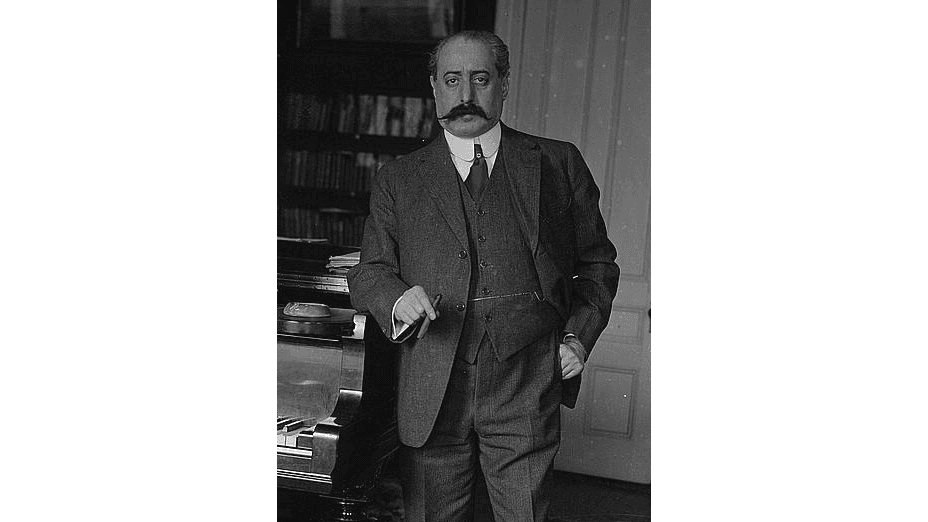
One of America’s greatest unsung heroes in the field of composition is the Italian American Vittorio Giannini (1903–1966), considered a true traditionalist. He wrote in a rich neo-Romantic style throughout his career.
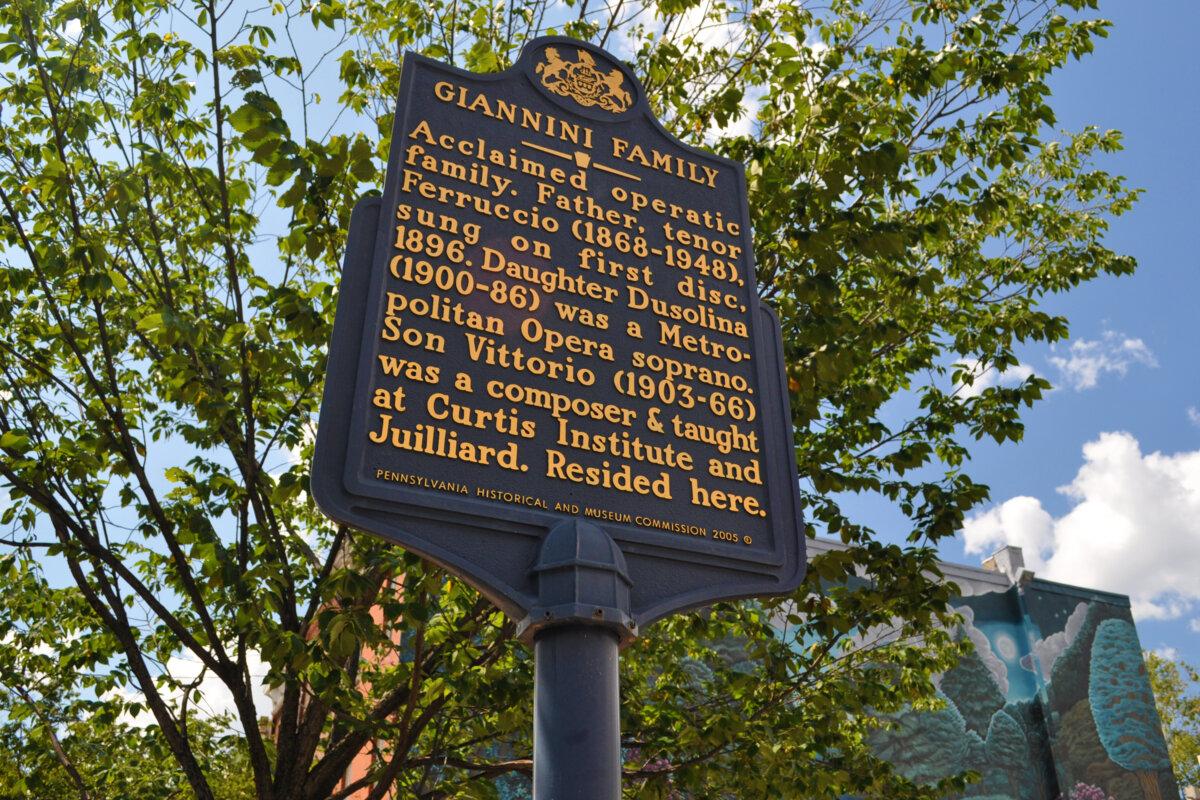
A Musical Family
Don’t let the name fool you. Although this composer’s name couldn’t be more Italian, he was a native-born American citizen. He was born in Philadelphia on Oct. 3, 1903, into a very musical family of Italian immigrants.His mother, Antonetta, was an accomplished violinist, and she gave Vittorio his first music lessons. His father, Ferruccio, was an operatic tenor who inspired Vittorio’s future love for writing operas.
All four of the Giannini children received musical training in childhood, and all but one went on to have careers in music. Although Vittorio’s only brother, Francesco, was a promising cellist, he traded a profession in music to become a psychiatrist. Meanwhile, his two sisters, Euphemia (1895–1979) and Dusolina (1899–1986), both followed in their father’s footsteps to study voice.
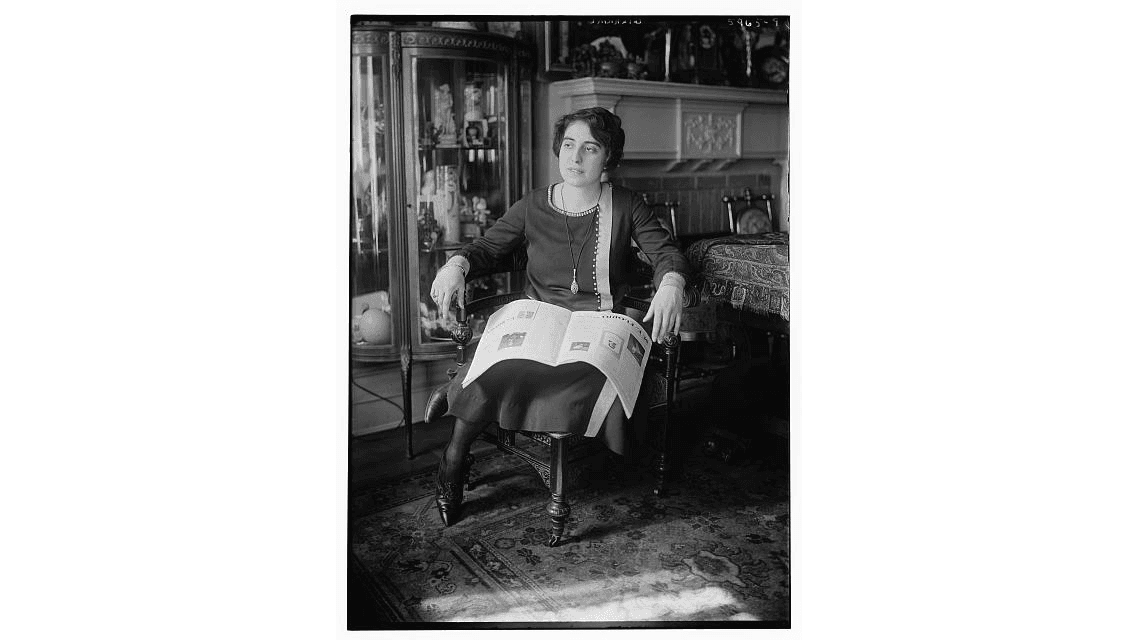
Euphemia, the older sister, was a professor of voice and diction for years at the Curtis Institute of Music in Philadelphia. The younger sister, Dusolina, took her singing to the stage, and she became one of the most acclaimed operatic divas of the 1930s and 1940s. Her operatic success in Europe and the United States aided the reception of brother Vittorio’s operas, as she often debuted in their lead roles.
Musical Training
Giannini’s mother taught him to play the violin. Showing great promise, he went to Italy for a formal education. He won a scholarship to the Milan Conservatory when he was only 10. He studied there from 1913 to 1917.Back in the United States, he enrolled at New York’s acclaimed music conservatory, the Juilliard School, in 1925. There, he studied violin with Alsatian violinist Hans Letz (1887–1969) and composition with Rubin Goldmark (1872–1936).
The Composer Emerges
In the 1920s, between his studies at the Milan Conservatory and Juilliard, he wrote “Stabat Mater” for chorus and orchestra in 1922. One of his best-known works is the 1927 “Tell Me, O Blue, Blue Sky,” for which he wrote the piano music and vocal arrangement. His friend Karl West Flaster wrote the lyrics.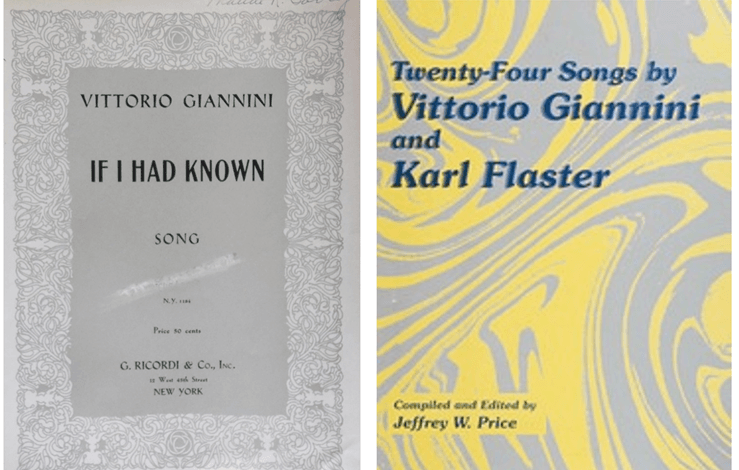
Flaster, was a young poet who is best known for his work with Giannini. After a chance meeting at a bus stop in the early 1920s, the two men were close friends for decades. As Giannini’s preferred librettist, Flaster wrote the words for most of the composer’s songs and operas.
In the 1930s, Giannini’s career took off when his first two operas debuted in Europe. “Lucedia” was first performed in 1934 in Munich, and “The Scarlet Letter” premiered in 1938 in Hamburg.
Flaster wrote the libretti for both operas, and Dusolina starred in “The Scarlet Letter.” Giannini composed three operas specifically to be performed on the radio. These were “Flora” (1937), “Beauty and the Beast” (1938), and “Blennerhasset” (1939). CBS Radio commissioned the latter two; the operas proved very successful and have since been performed onstage many times.
In all, Giannini wrote 15 operas. The most popular, “The Taming of the Shrew,” was inspired by Shakespeare’s famous play. He worked on this three-act “opera buffa” (comedic opera) sporadically for 12 years, using a libretto by Dorothy Fee.
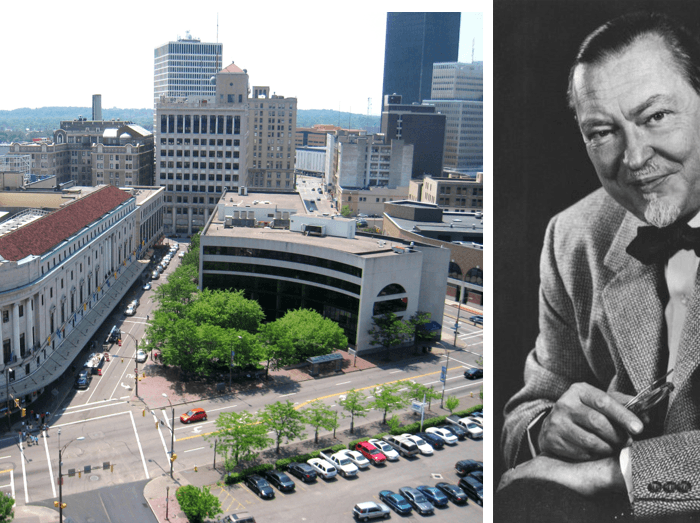
Completed in 1950, it was first performed in concert in Cincinnati in 1953. The next year, a shortened version was performed by NBC Television Opera Theatre, marking the first time an opera had been broadcast in color.
In addition to his operas, Giannini wrote numerous orchestral works, including symphonies, sonatas, divertimentos, and other symphonic pieces. He also wrote a few works for soprano and orchestra, including “The Medead” in 1960 and “Antigone” in 1962.
A Legacy of Music Education
In addition to his impressive output as a composer, Giannini left an impressive legacy as a music educator. In 1939, he joined the faculty of Juilliard. Two years later, he began teaching composition at the Manhattan School of Music. In 1956, he began his tenure at Curtis Institute of Music.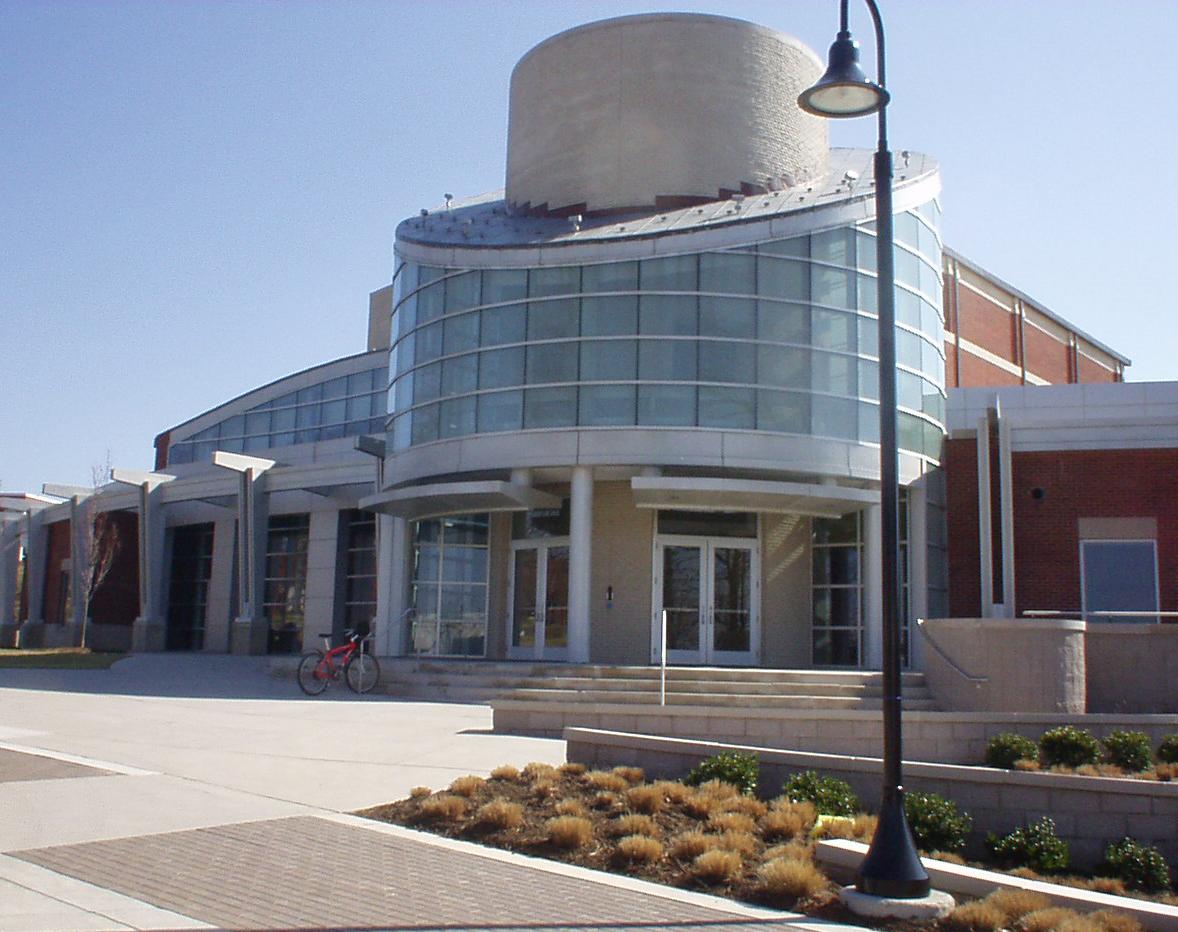
In the 1960s, Giannini faced the shadow of approaching death, as he knew he had terminal heart failure. Nevertheless, he continued teaching and composing.
In 1965, just one year before his death, he became the first director of the North Carolina School of the Arts, America’s first public arts conservatory. He served in that capacity until he died on Nov. 28, 1966.
Now part of the University of North Carolina school system, this arts school thrives today and continues to honor the composer through the Giannini Society.
In a time of changing musical styles, Giannini was unafraid of being labeled “old-fashioned.” He received less regard as a composer in his lifetime because he was indifferent to trends and remained a passionate devotee of traditional music.