Opera is a genre that America has struggled to make its own. While performances of the European classics have been applauded in the United States since the 19th century, American composers have tried to create new works that reflect our national heritage and language.
Before the introduction of electronic supertitles at major U.S. opera houses in the 1980s, audiences had to guess at the meaning of operas sung in foreign languages.
It was common practice in the early 20th century to translate masterpieces originally written in Italian, French, or German into English. This proved problematic, however, as the new English lyrics often sounded contrived and comical. In addition, English is notoriously difficult to sing in classical vocal technique.
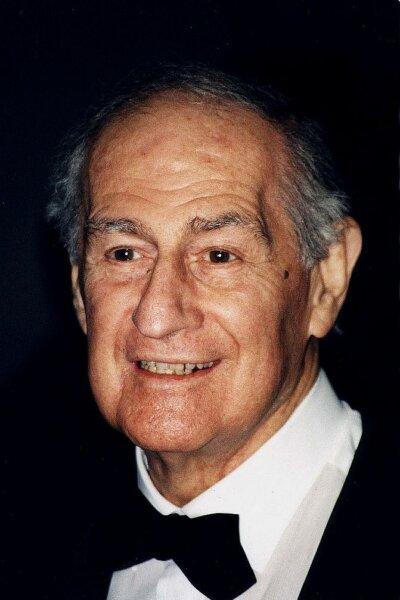
In the late 1930s, one young Italian American composer combined his rich European musical background with his American education to pioneer a distinctly American operatic genre. He wrote clever words with inventive melodic patterns; his unpredictable vocal lines are vocally fluid yet understandable.
From Italy to Philadelphia
Although Menotti is usually considered an American composer, his roots were in the old world. He was born on July 7, 1911, in Cadegliano, Italy. One of 10 children, he received his first musical training from his talented mother.He showed prodigious talent at a young age, composing by age 7 and writing his first opera, “The Death of Pierrot,” at age 11. The next year, he wrote a second opera, “The Little Mermaid,” which is believed to be lost. Neither of these operas was ever performed professionally.
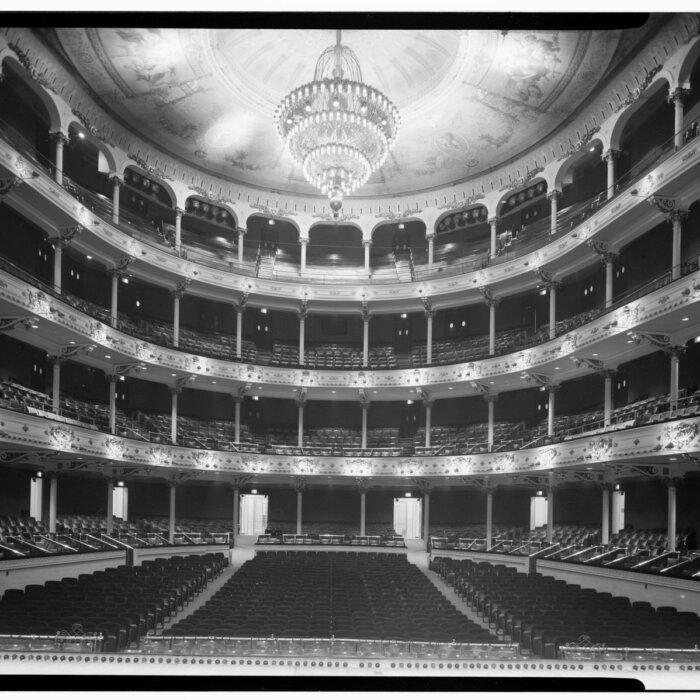
At age 12 in 1923, Menotti entered the Milan Conservatory, where he studied until 1927. While in Milan, he frequently attended performances at the famous opera house there, Teatro alla Scala. When he was 17, his father died, which changed his life drastically.
Menotti and his mother emigrated to the United States, and he received a scholarship to the Curtis Institute of Music in Philadelphia in 1928. There, he studied composition under the renowned violinist and composer Rosario Scalero.
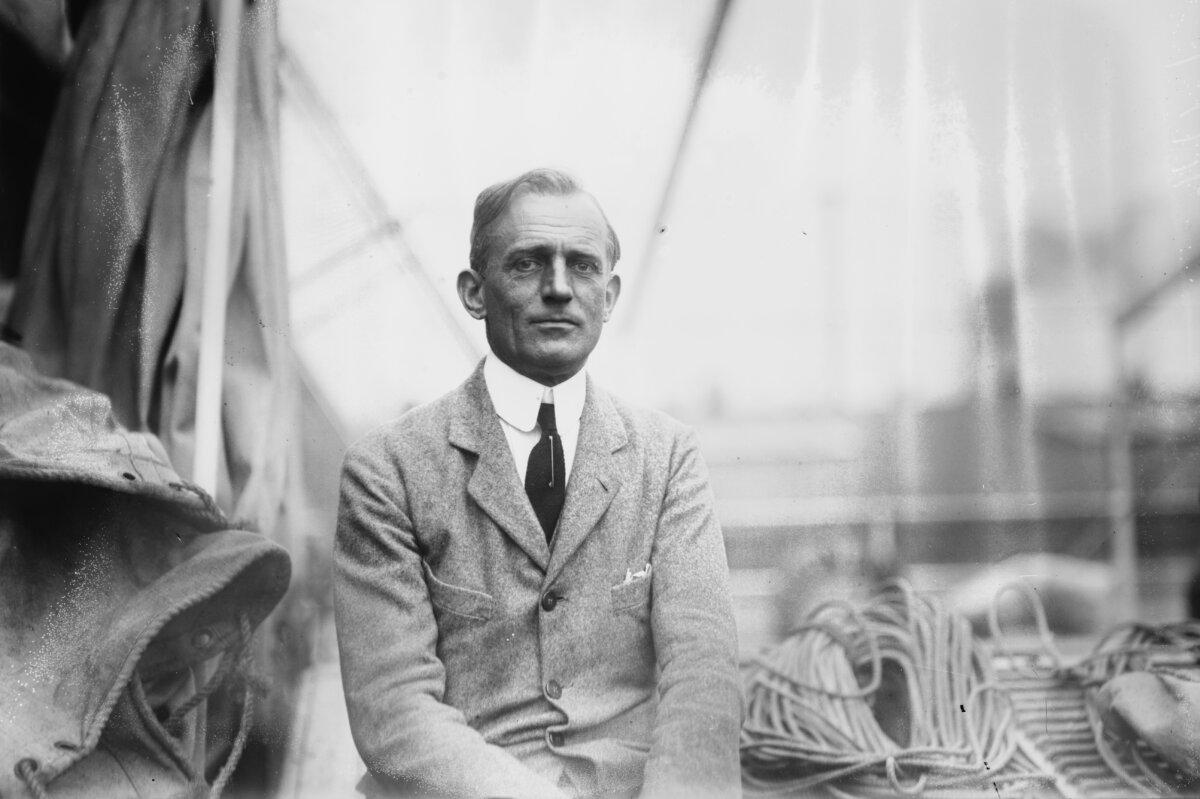
He also met and befriended future composer Samuel Barber, a fellow student who introduced him to the American music scene and would become his frequent collaborator.
In 1933, Menotti graduated from Curtis with honors. The same year, he began writing his first mature opera, “Amelia al Ballo.” He wrote both the music and the Italian libretto (lyrics) to this opera himself. It was first performed in 1937 by the Curtis Institute at the Philadelphia Academy of Music.
Americans weren’t interested in a new work in Italian, however, so the lyrics were translated into English by George Mead. The newly titled “Amelia Goes to the Ball” was the only time that Menotti didn’t supply his own English lyrics.
The difference between the cadence of these words and his later libretti is noticeable. The opera was so successful that it was performed again the next year at the Metropolitan Opera again.
Opera for Radio and Television
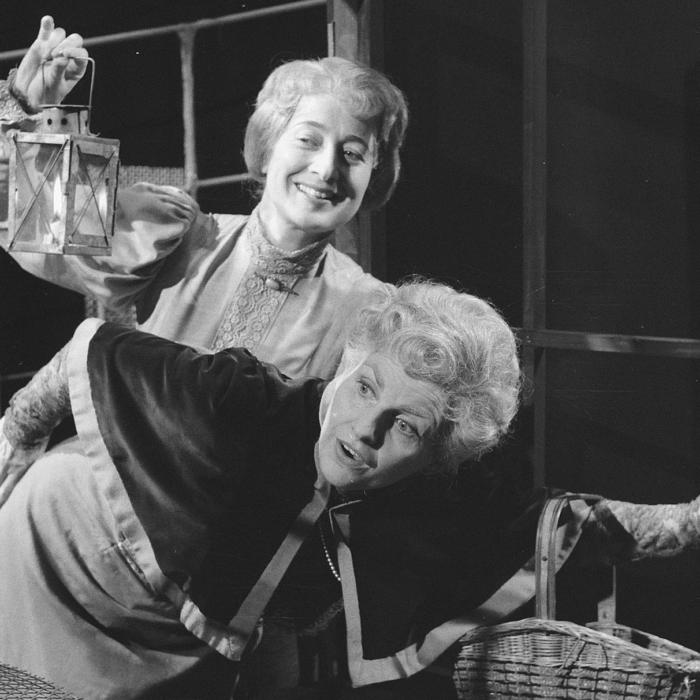
Most operas were composed for great theaters and halls, but two of Menotti’s best-known works were written for very modern media. One of the young composer’s first big hits, “The Old Maid and the Thief,” was written specifically for radio in 1939.This wasn’t the first time an opera had been written for radio, as others were written as early as the 1920s. However, it was one of the most successful radio operas.
With 14 short scenes and just four singing characters, this comedy is just an hour long. It marked the first time Menotti wrote his own English libretto, and made him a respected American composer before age 30.
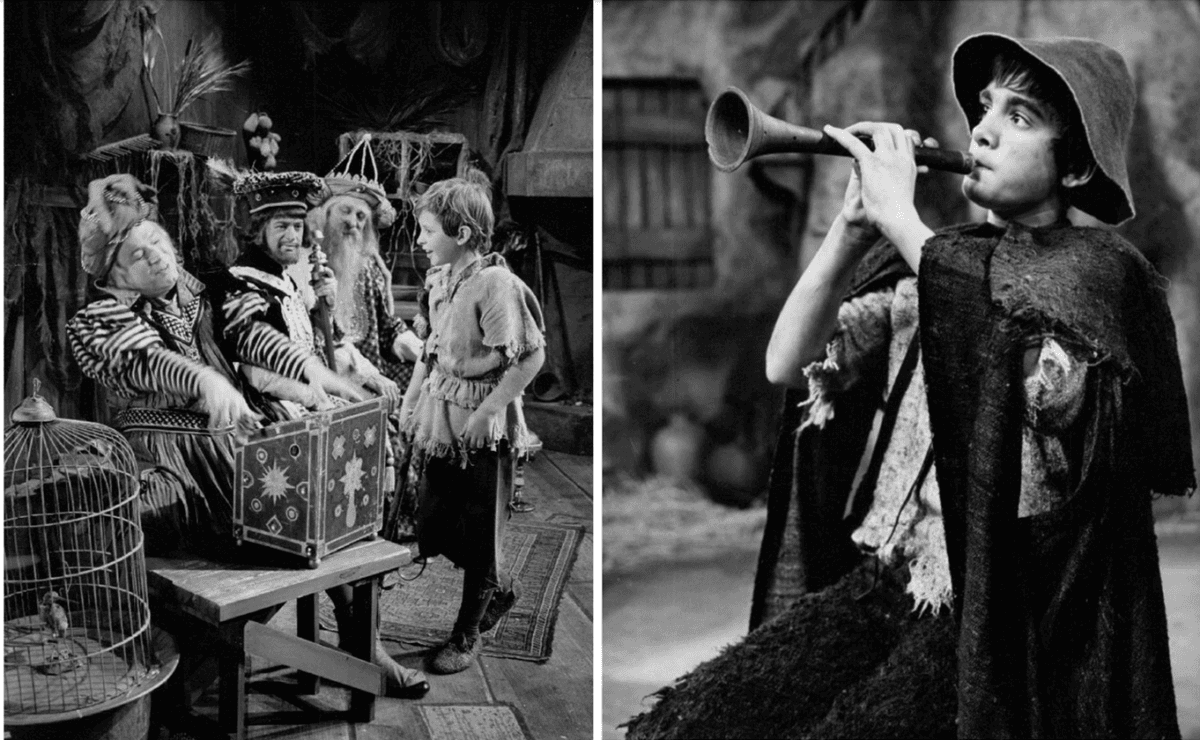
Over 10 years later, Menotti would trailblaze opera into another new frontier—television—for the first time ever. Because of his growing popularity during the 1940s, NBC commissioned a holiday-themed opera to be broadcast on Christmas Eve.
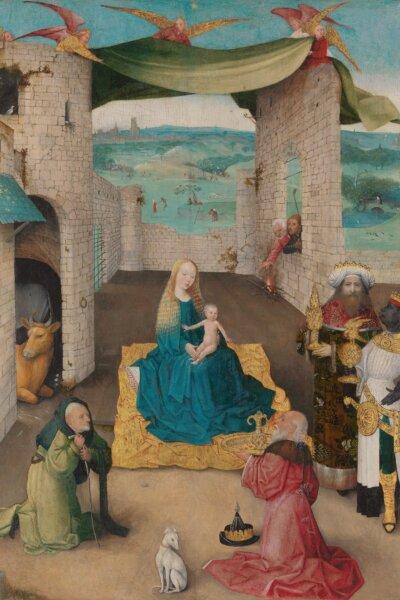
The composer struggled for months to find the right topic for this Yuletide one-act opera. One day, he found himself wandering around New York’s Metropolitan Museum of Art. His eyes fell on Hieronymus Bosch’s painting “Adoration of the Magi.” He recalled the enchanting stories of his Italian childhood, when he eagerly waited for the Three Wise Men to leave him gifts on their way to Bethlehem.
A Musical Legacy
During his long life, Menotti wrote 25 operas (not counting his two childhood endeavors). His first full-length opera was the 3-act “The Consul,” which many consider his most impressive work. All his previous operas, both comic or tragic, were only one act.“The Medium,” written in 1946, proved controversial because Menotti wanted it to be debuted in a more intimate venue than the grand Metropolitan Opera House. His choice to perform it at a smaller theater on Broadway changed how American operas were performed.
Beginning with “Amahl,” Menotti enjoyed writing operas specifically for children, and his whimsical style was well-suited for operas not only to be enjoyed but also to be performed by young people.
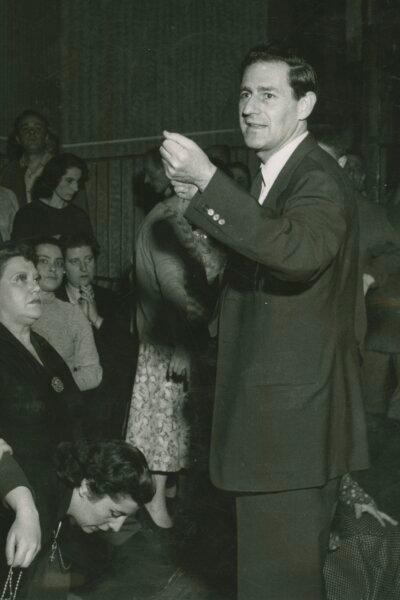
He also wrote further operas specifically for television, including “Labyrinth” in 1963. Two of his operas, “The Consul” and “The Saint of Bleecker Street” (1955), won Pulitzer Prizes.
Although he’s best remembered as an opera composer, Menotti also wrote for other genres of classical music. His other compositions include ballets, concertos, symphonic poems, songs for solo voice and piano, choral works, and dramatic cantatas. He also composed a madrigal fable for a chorus, 10 dancers, and nine instruments with the absurd title “The Unicorn, the Gorgon and the Manticore” (1956).
Although most people, including Menotti himself, consider him an American composer, he never gave up his Italian citizenship to officially become an American citizen. He did, however, spend the better part of his life in the United States.
His fondness for his unofficial adopted country was expressed in his nine-part cantata “Landscapes and Remembrances,” which he wrote for the U.S. Bicentennial as an autobiographical portrait of his 45 years in America.
Music was the way Menotti knew how to express himself. He’s quoted as saying: “Music is ... a form of remembering, a return to the seasons of the heart long gone.”