Hollywood soundtracks soared during the Golden Era of Hollywood thanks to the talents of gifted composers. These men used their training in classical music and composing for the stage to craft compelling accompaniment for onscreen drama.
Many of these composers began their music training in Europe or on the American East Coast, studying, performing, and composing in very formal classical settings. They later would forego the concert hall for the movie theater, as they dedicated the better part of their careers to writing motion picture soundtracks.
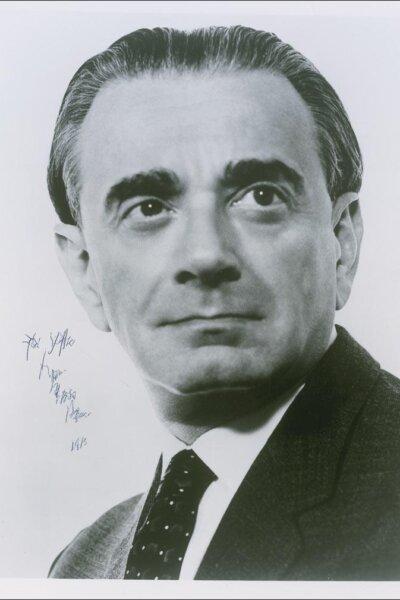
Hungarian Roots
In his early days, Rozsa faced a different kind of double life. He had to choose between chemistry, the practical profession his father wanted him to study, and music, his personal passion since childhood.Born on April 18, 1907, in Budapest, he also had different parental backgrounds. His father, a successful, landowning industrialist, came from the country; his mother, a classically trained pianist, was from Budapest.
While he naturally inherited his love for music from his mother, his father inspired in him a deep compassion for Hungarian peasants. They expressed this in their mutual appreciation for the folk songs of the common people.
The Rozsa household was filled with music, from his father’s singing of folk songs to his mother’s playing of opera excerpts, ballet pieces, and piano compositions.
At age 5, Rozsa asked his great uncle to bring him a violin from Paris—not a toy, a real one. His uncle obliged, and the boy quickly began learning to play it. Although he had no ambitions to become a virtuoso, he quickly showed prodigious talent.
Rozsa learned to read music before he read words; throughout his schooling he preferred musical studies to the other subjects. By age 7, he was performing publicly, dressed in a silk jacket. He played a piece by Mozart as first violin and conducted Haydn’s “Toy Symphony.” Around the same time, he began composing.
Leaving Budapest
By age 18, Rozsa felt stifled in Budapest. His father had the means to send him to any university, but they disagreed over his career path. His father eventually compromised. At the University of Leipzig in Germany, Rozsa agreed to study chemistry with a minor in musicology. Although the young man applied himself to chemistry, his heart was in music. After his first year, his father let him abandon chemistry and study music at the Leipzig Conservatory instead.After years of study, Rozsa graduated in 1929 cum laude with a degree in composition. For the next two years, he remained in Leipzig, where he continued his studies, composing and supplementing his income by teaching music.
He soon found that Germany was no longer a place where a bold young composer (particularly a Jewish one) could experiment with creative freedom, due to the oppressiveness of the rising Nazi Party. In spring of 1931, he moved to Paris.
Writing for the Screen
By 1934, Rozsa found himself in Paris with few resources and little financial compensation for his talent.At dinner one night, he asked his friend and fellow composer Arthur Honegger how he supported himself as a musician. Honegger revealed that he’d begun composing movie soundtracks for films in the French film industry and recommended that Rozsa should do the same.
At first, the Hungarian purist scoffed at the idea of writing cheap popular songs and foxtrots as accompaniment for motion pictures. Honegger urged his colleague to watch “Les Miserables,” which he'd recently scored. Rozsa was delighted to realize that the score was classical and beautiful.
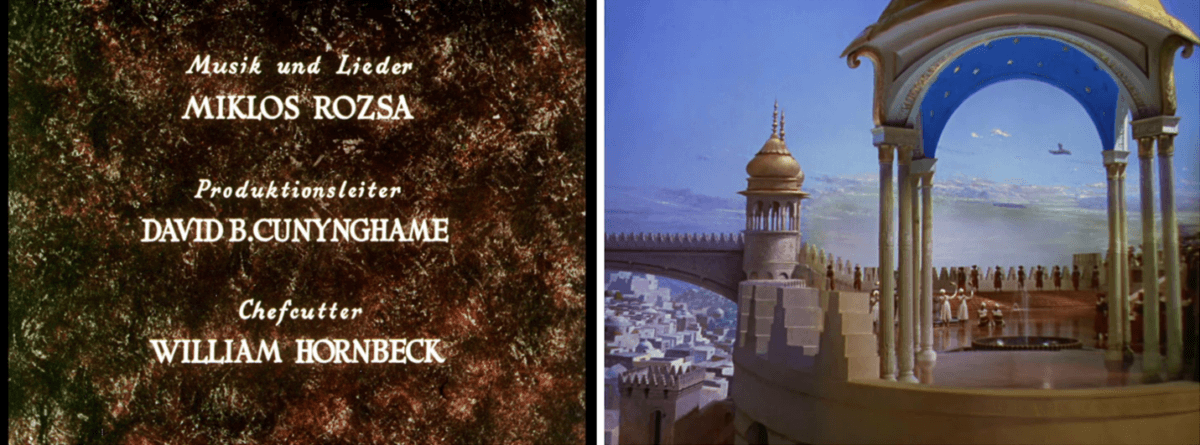
However, it would be years before his first film-scoring opportunity materialized. That film was “Knight Without Armor” (1937), a British picture starring German actress Marlene Dietrich, produced by fellow Hungarian Alexander Korda. It was very successful, so Rozsa continued writing scores while living in London.
Another Korda production, “The Thief of Baghdad” (1940), gave Rozsa the opportunity to write a lush, exotic score. The Technicolor fantasy film relocated to Hollywood to finish its production, perhaps for filming locations and perhaps to escape the newly emerged World War II,
Heyday in Hollywood
Rozsa flourished in the American film industry for the next several decades, becoming one of Hollywood’s most respected film composers. Rather than having a long-term association with one studio, he was under contract to most of the big studios for short periods of time.He worked with United Artists in 1938–1942 (beginning during his London days), Paramount in 1943–1944, Universal in 1946–1948, and MGM in 1948–1962.
At MGM, he gained the greatest prestige. By the 1950s, he had first choice on scoring every major production. He was also allowed a three-month sabbatical each year to compose and conduct concert works.
In 1945, Rozsa wrote the score for the Alfred Hitchcock thriller “Spellbound,” which David O. Selznick produced. Riding on his laurels from “Gone With the Wind,” Selznick micromanaged every aspect of the score, and Rozsa politely obliged. “Spellbound” earned Rozsa his first win at the Oscars.
This haunting score marks the first time film music included a theremin, an electronic instrument with an eerie voice-like quality that is now associated with 1950s science fiction.
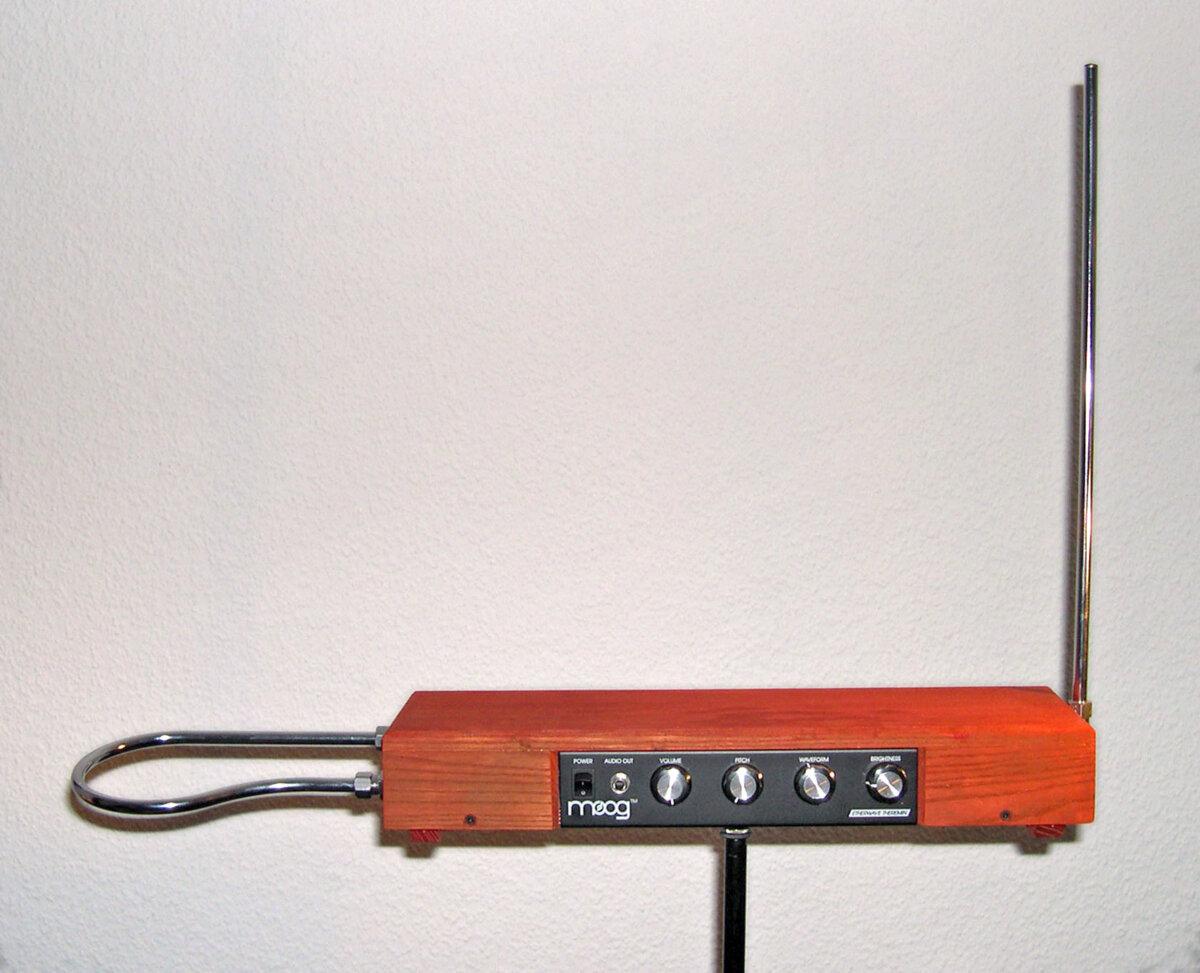
Rozsa enjoyed the chilling effect so much that he used the theremin again in another score he wrote that same year: Billy Wilder’s “The Lost Weekend.” Selznick was outraged at what he deemed a breach of trademark, but Rozsa pointed out that neither Selznick nor anyone else owned a particular instrument.
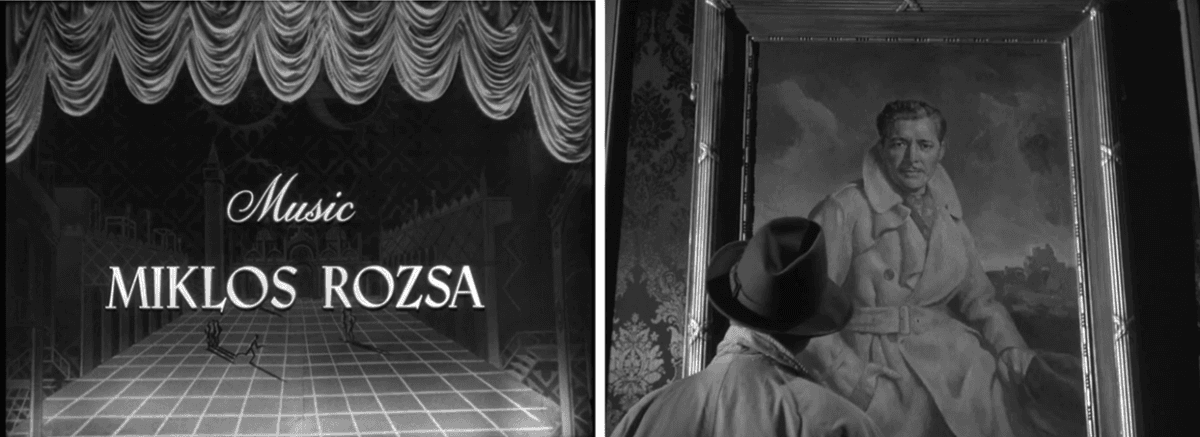
Throughout the 1940s, he continued writing thriller, suspense, and crime film scores, heightening the onscreen tension with his daring and lush music. In 1947, he won his second Academy Award for “A Double Life.”
In 1951, Rozsa’s career took a new turn as he wrote the score for the historical epic “Quo Vadis.” He researched ancient Greco-Roman music when composing it, and the results were impressive.
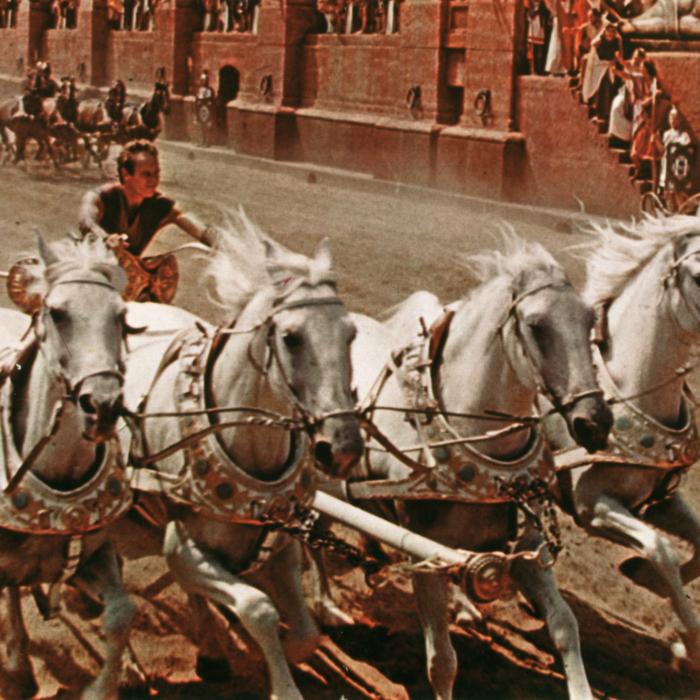
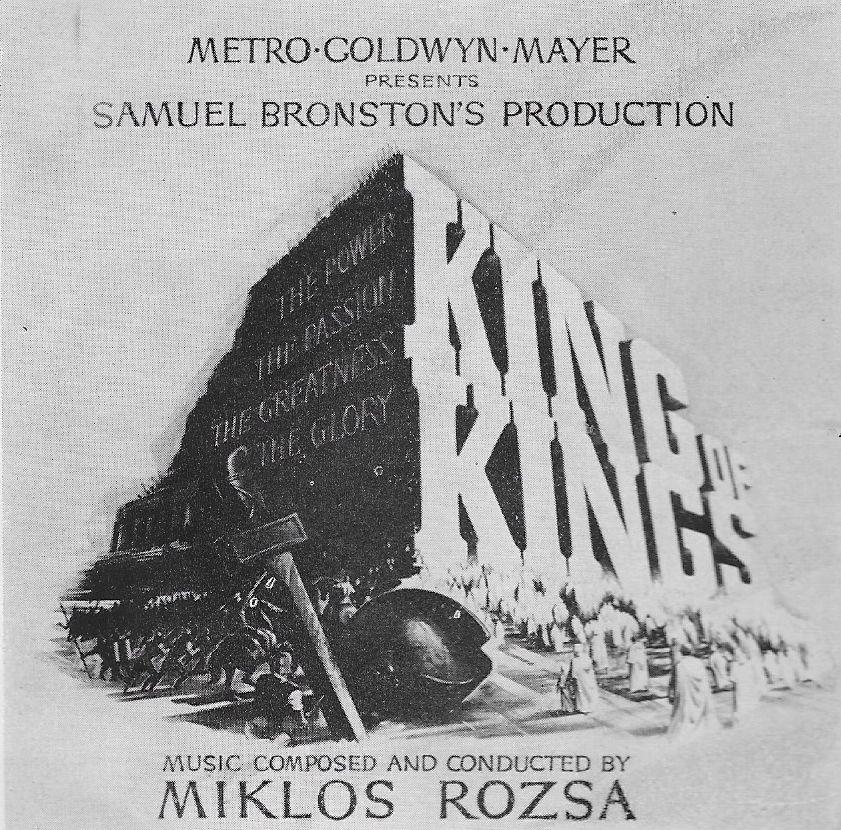
He wrote the scores for many other historical epics after that, including several pieces set in historic or ancient times: “Ivanhoe” (1952), “Julius Caesar” (1953), “Knights of the Round Table” (1953), “Ben-Hur” (1959), “King of Kings” (1961), and “El Cid” (1961).
His Double Life
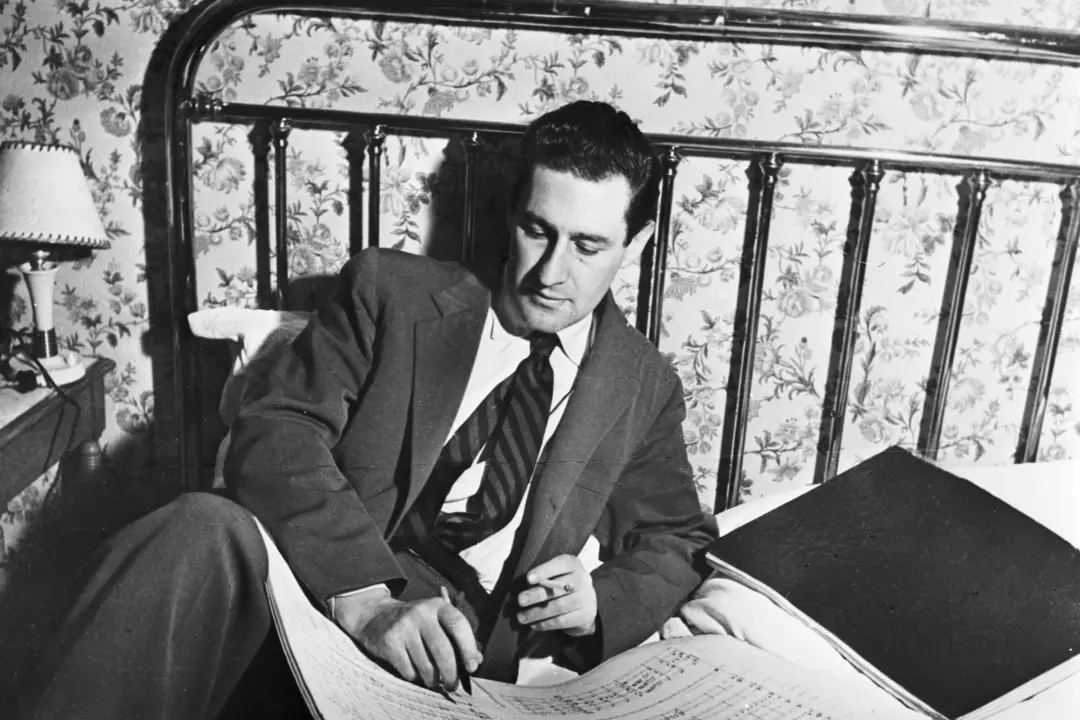
Throughout his long career writing film scores, Rozsa never lost his zeal for composing for the concert stage. He penned many concerti, orchestral works, and choral pieces.He said, “I don’t say film music is lower in value, but it is written for millions. It has to be direct and easily understandable, whereas concert music is written first of all, for myself, and for people who like music, who go to a concert to hear music.”
Whether acting as a “supporting player” in films or as the “leading player” in a concert work, Rozsa’s music is always beautiful to hear.