A Masterful Achievement
This is of Frederick Chopin’s Etude No. 11 in A minor, from the set of 12 etudes, Op. 25, known in English as the “Winter Wind” etude. The nickname, not supplied by Chopin, is a case study in the application of extra-musical titles to wordless musical compositions. Of unknown origin, the title captures the cutting, brittle sound of the descending right-hand notes.Chopin (1810–1849) composed three sets of piano etudes, all before the age of 30. His Op. 10 etudes, published in 1833, made the Parisian public sit up and pay attention to the new arrival from Poland. This prompted the writing of a second set, Op. 25, published in 1837. A short, third set followed in 1840 but is generally thought to be less masterful.
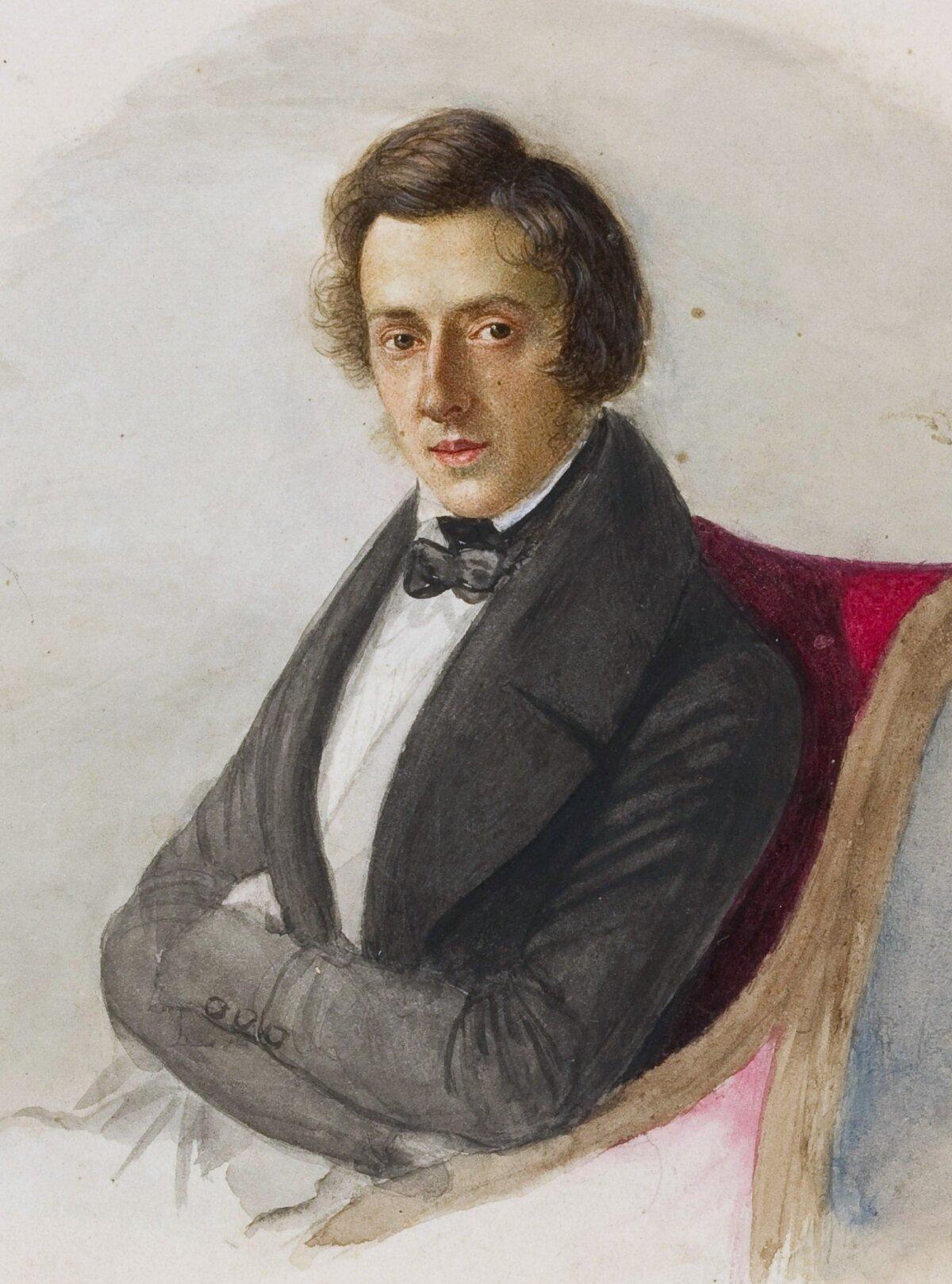
At the time Chopin composed the etudes, the piano was little more than 100 years old. Its repertoire was divided roughly between expressiveness on the one hand and technique, or virtuosity, on the other.
“Etude” means study, and the form was intended to promote the technical abilities of its players. Carl Czerny (1791–1857) spent most of his career writing etudes, publishing volumes with names like “Daily Exercises” and “School of Velocity.”
Chopin’s achievement in opuses 10 and 25 was fashioning works that were both intensely virtuosic and artistically expressive. Chopin’s etudes lifted the form from mere technical studies to musical art, paving the way for later artistically substantial etudes, such as those of Schumann and Debussy.
“Winter Wind” is among the four or five hardest pieces of all Chopin’s etudes. The cascading right-hand notes (the “winter wind” of the nickname) give the pianist no easy pattern to latch on to. Every beat features a different configuration of rapid-fire notes. Meanwhile, the opening theme gains in power as it struggles to maintain its own against the onslaught of winter-wind flurries.


In a recording by pianist Kimiko Douglass-Ishizaka, the main section of the piece starts at :32 seconds, repeats at :48, and begins an extensive transformation of the theme at 2:33. The falling notes are relentless until, at 3:25, we hear the last mad crush of the winter wind and the opening theme’s final stand.