After going independent and slowing down on his tour schedule, country singer-songwriter Chase Rice is making his most personal music yet.

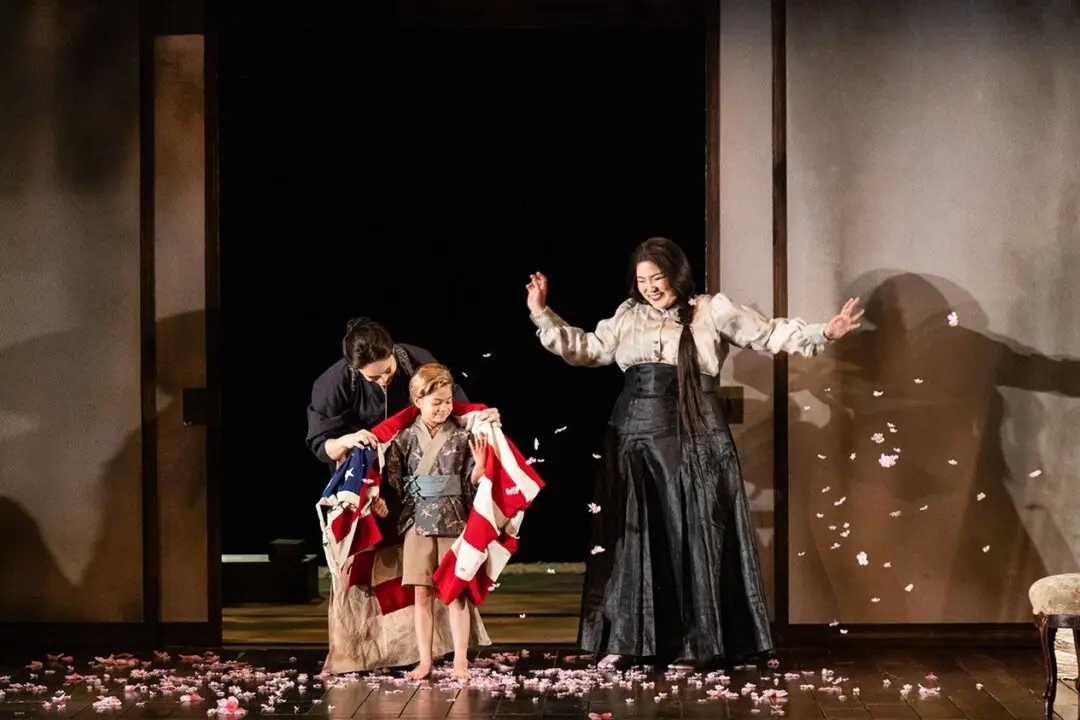
The sorrowful opera combines tragedy with lyrical beauty.
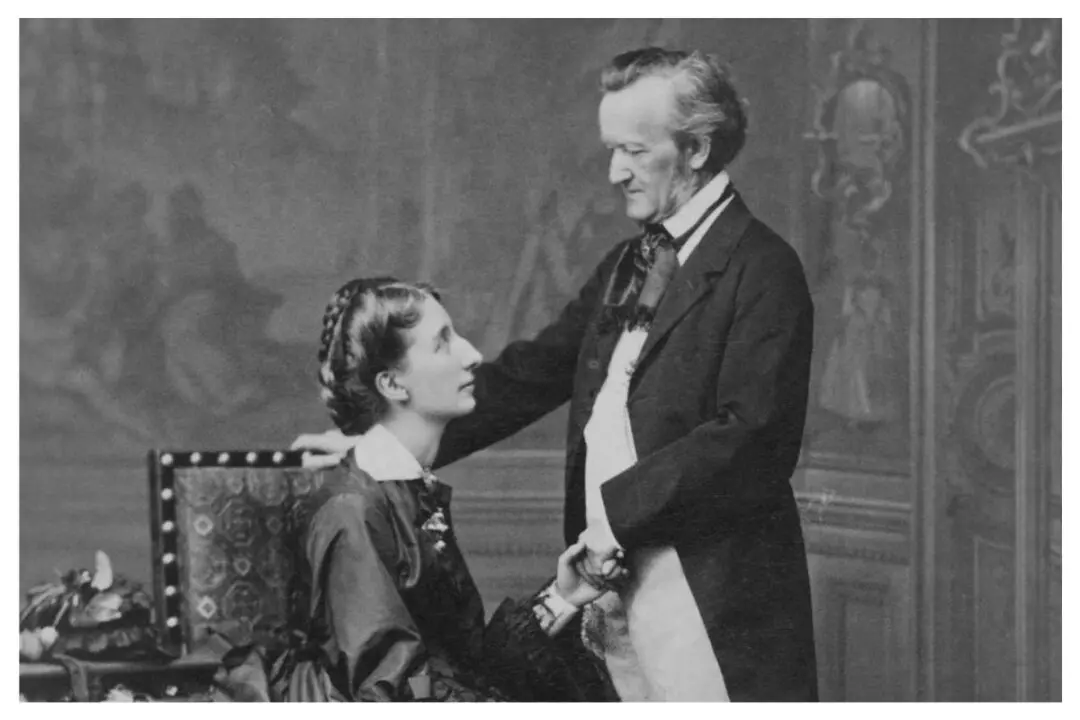
The German composer reveals his softer side in his birthday composition to his beloved wife, Cosima.
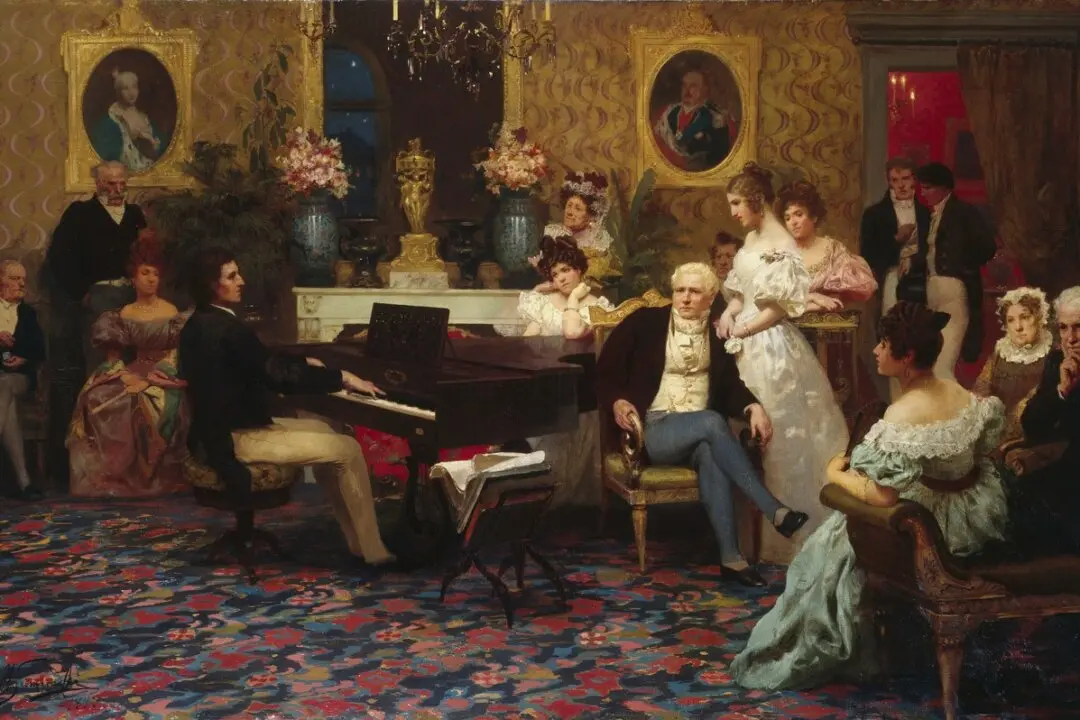
How the Polish maestro revolutionized the piano by fusing classical rigor with romantic drama.
This week, we put the question of “which American symphony was first” to the test.
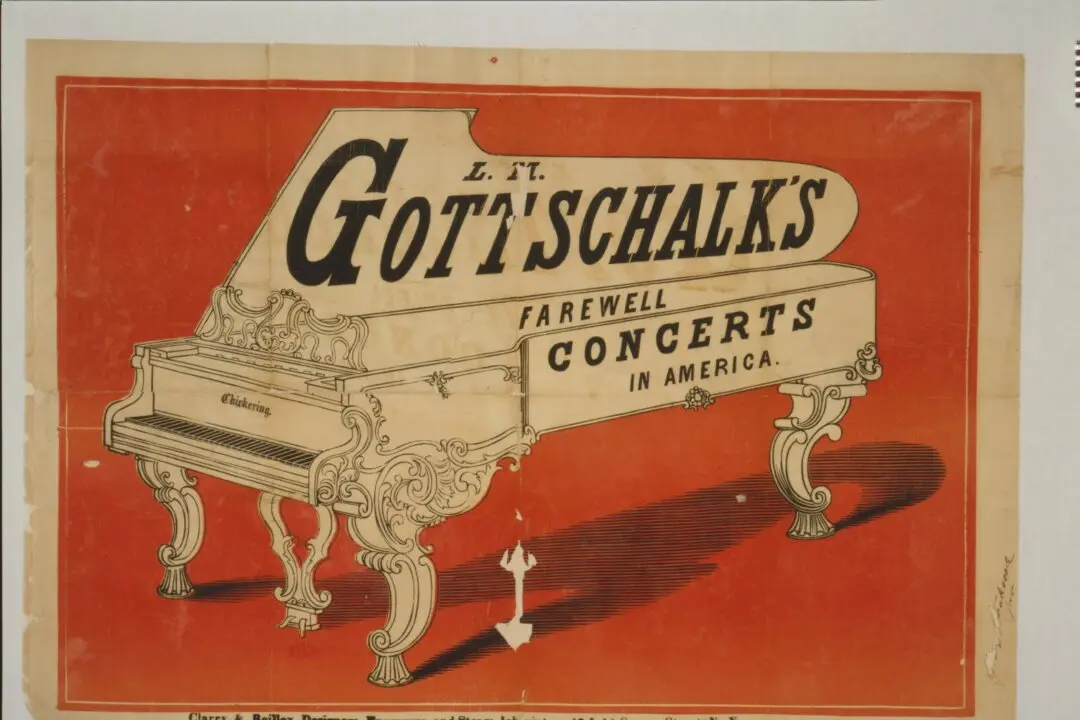
Fingers fly and notes sprinkle through the air like confetti in one of Beethoven’s most physically demanding piano sonatas.
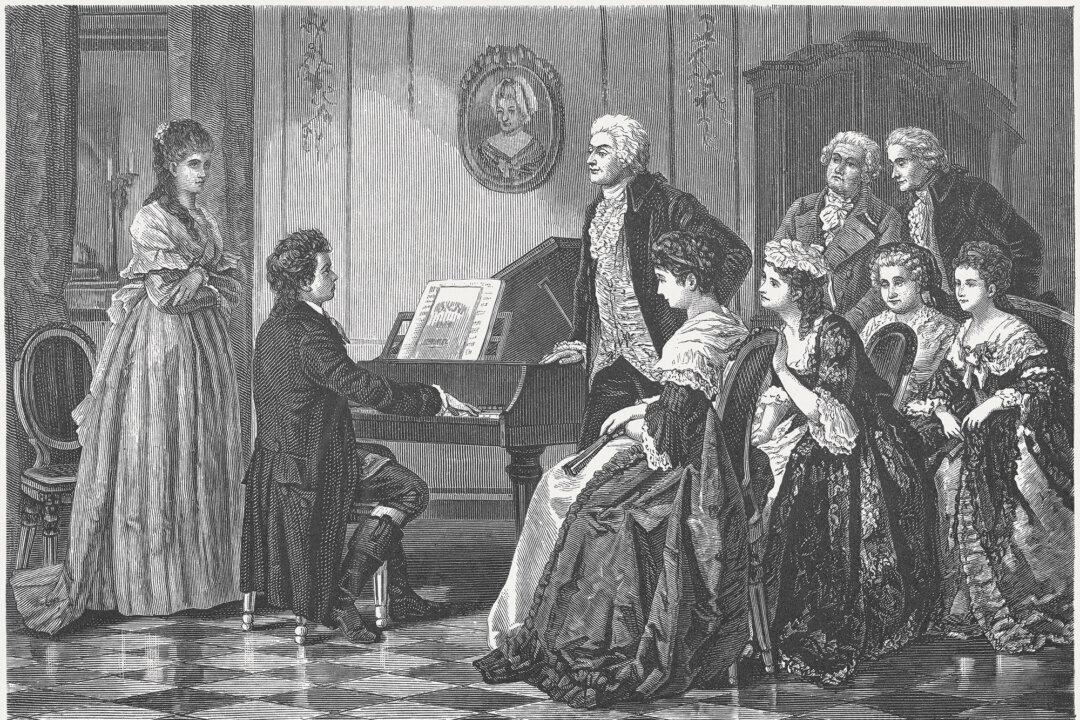
Berlioz’s obsession with a Shakespearean actress inspired his work.
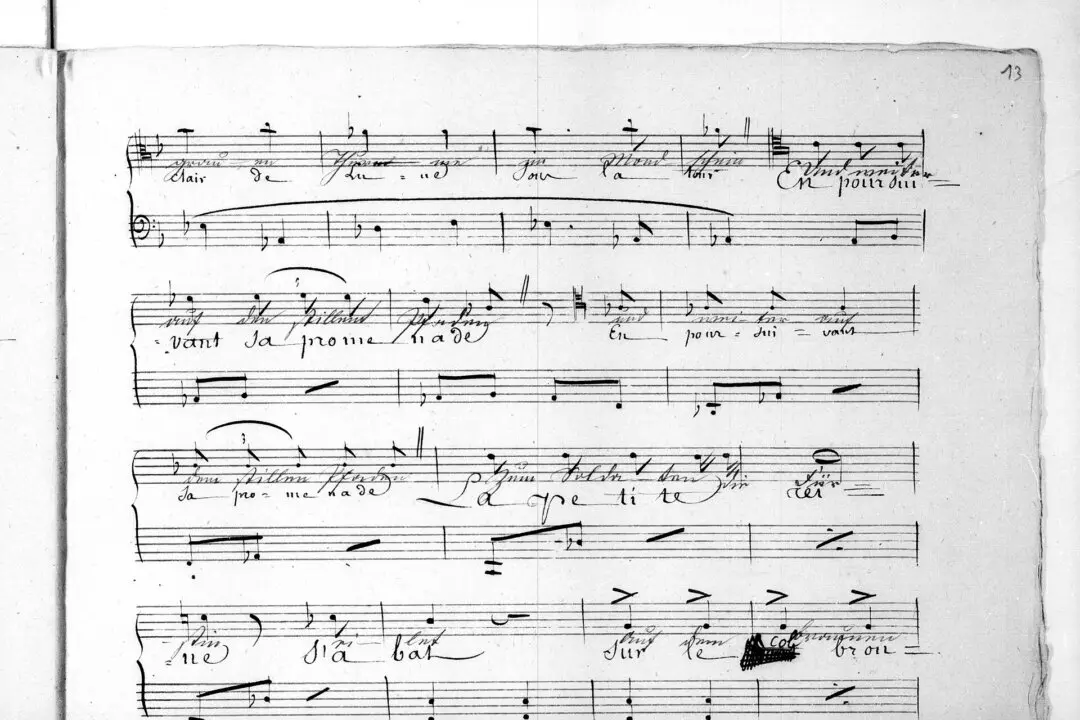
Are there truly American elements in Dvorak’s Symphony No. 9?
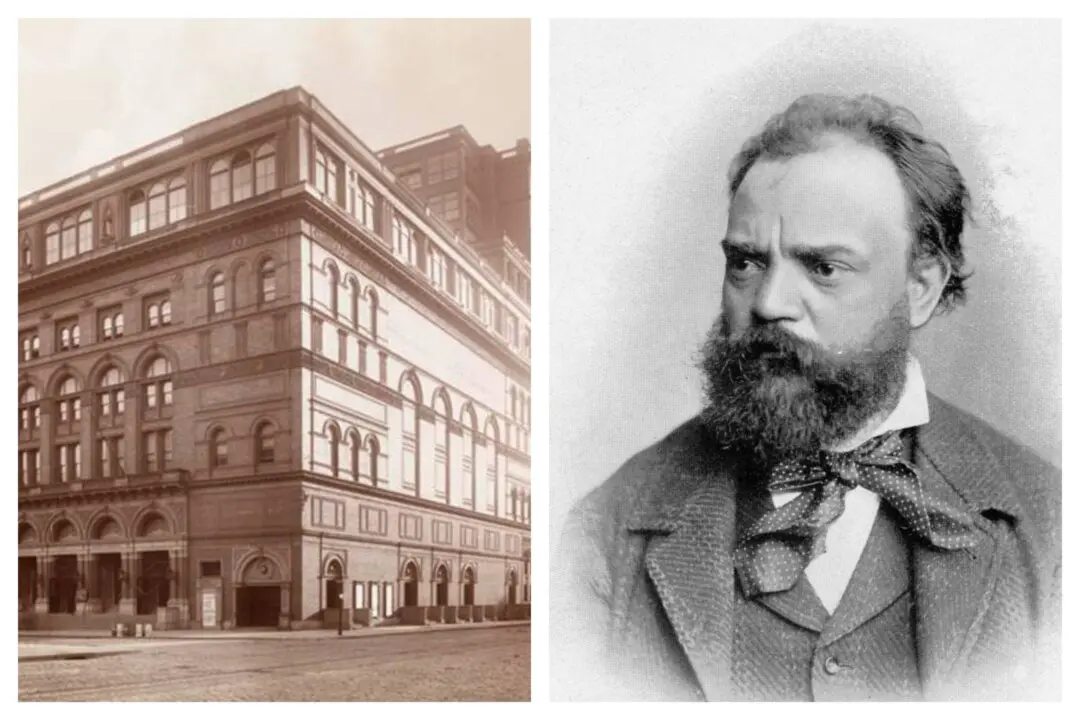
How a set of traditional piano duets caught the ear of Johannes Brahms and launched Antonin Dvorak onto the global stage.

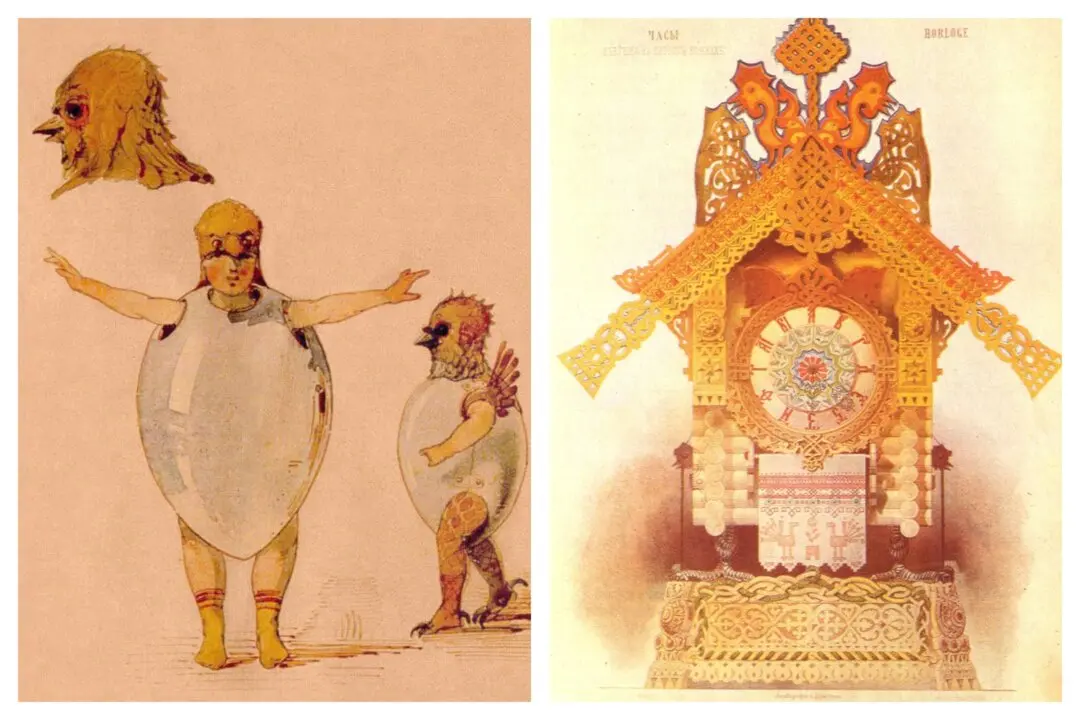
Modest Mussorgsky’s musical stroll through an art exhibit honored his friend, an artist who had died too young.