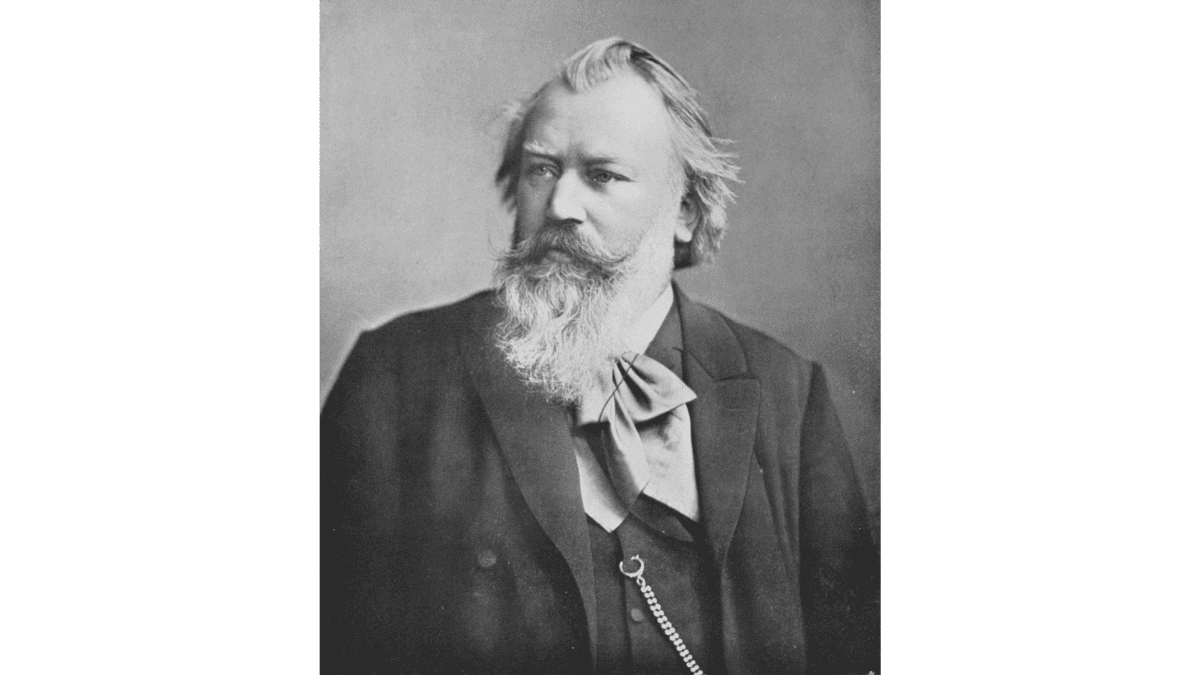
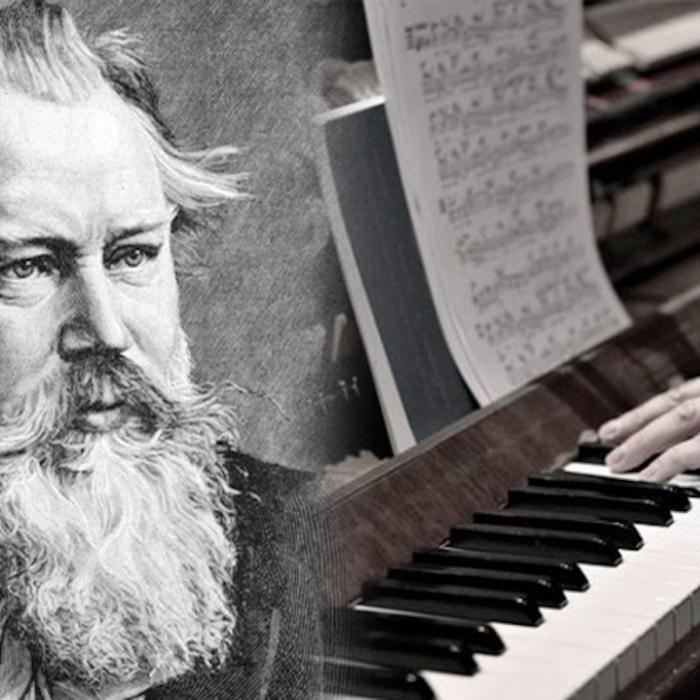
The pictures are generally of a very old man with long, scruffy gray whiskers and a pronounced paunch, often chomping a cigar. This is the Johannes Brahms that usually accompanies stories about him or recordings of his music.
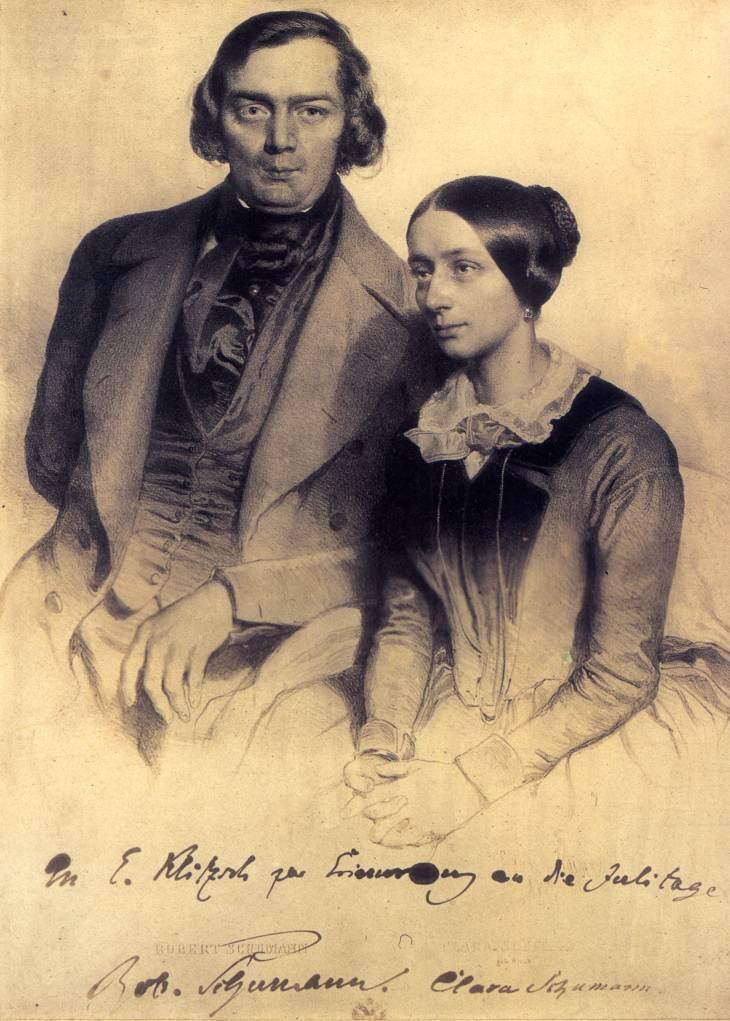
But in 1853, Johannes Brahms (1833–1897) was a handsome, slender, clean-shaven 20-year-old composer of dazzling gifts. In September of that year, he met the two people who would change his life forever, Robert and Clara Schumann.
A Musical Friendship Deepens
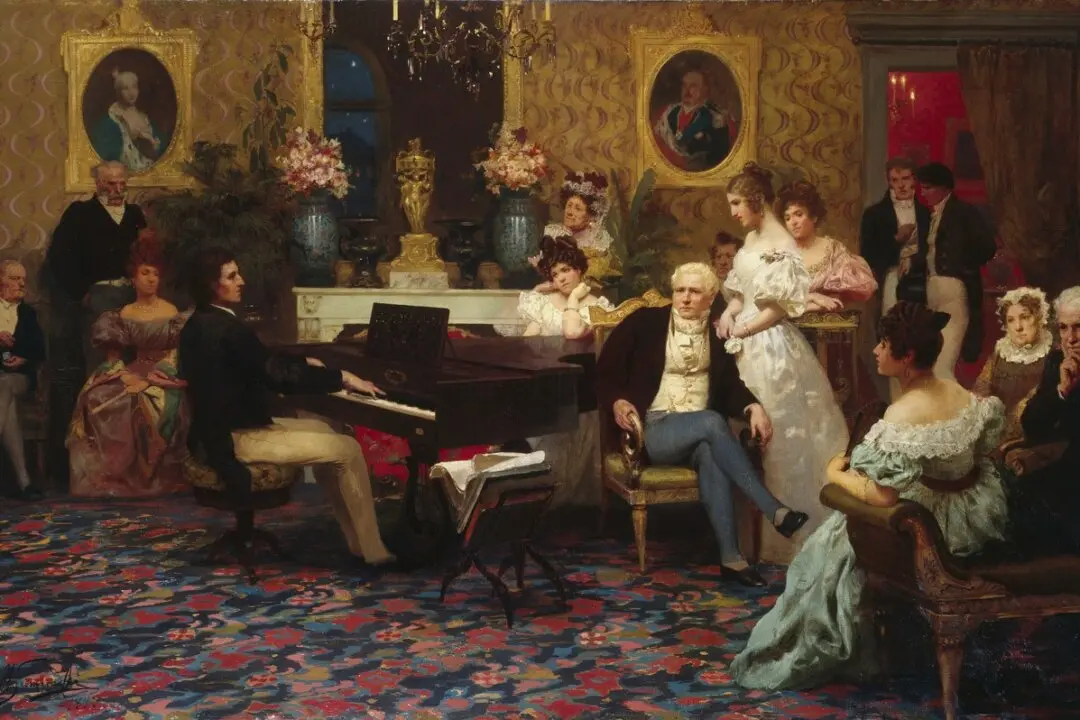
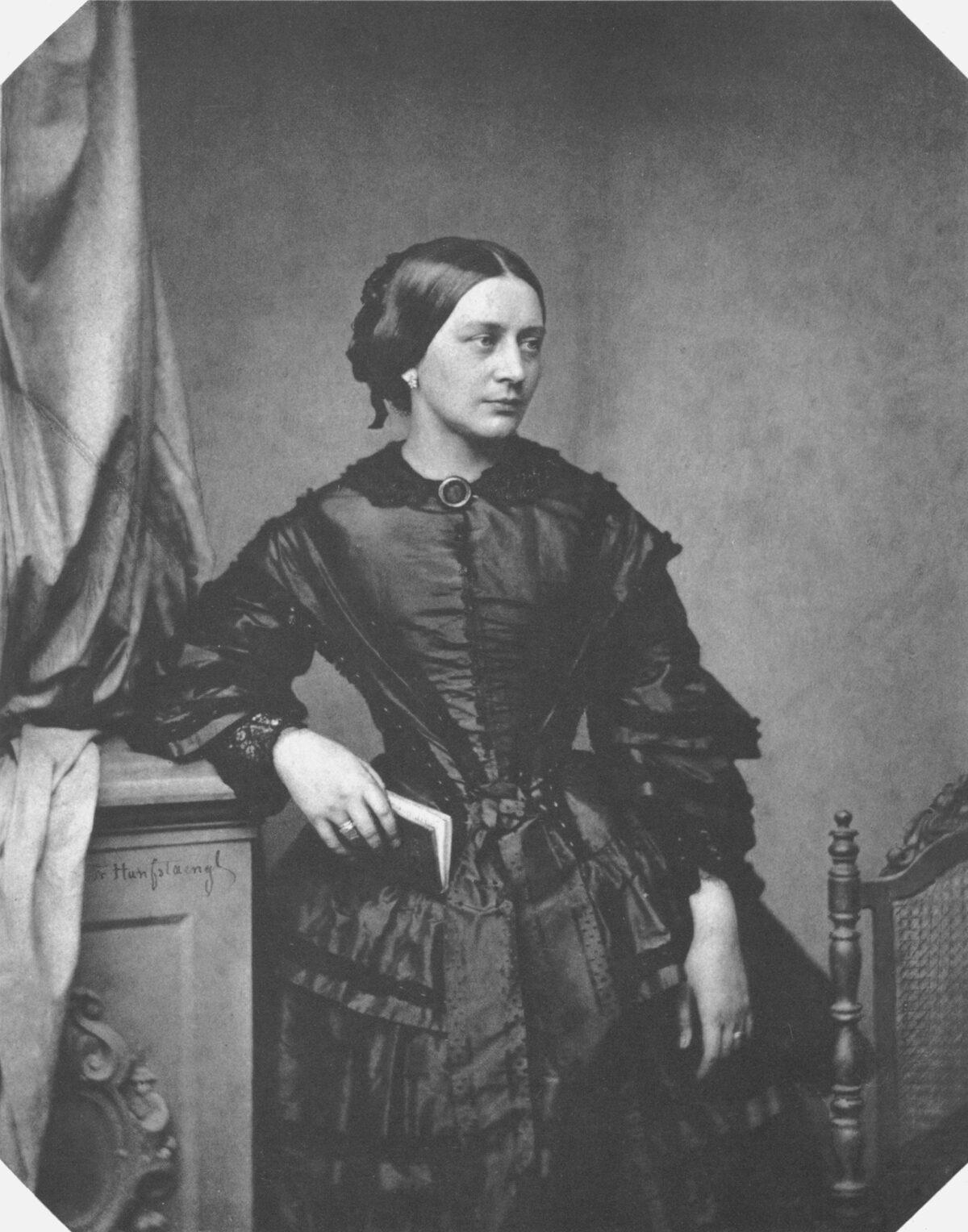
Robert Schumann (1810–1856) was a celebrated composer-critic. Clara (1819–1896), his wife, was a composer as well, though she was far better known as a virtuoso pianist. Schumann’s fame as a composer was equaled by his insights into musical matters of the day, and especially his ability to spot emerging musical luminaries. Decades earlier, hearing the music of young Frederic Chopin, Schumann had famously announced, “Hats off, gentlemen, a genius!”Now came Brahms from Hamburg to Dusseldorf, where Schumann conducted the orchestra, to play his music for the man he called “revered master.” Upon hearing Brahms for the first time, Schumann sat down and wrote an article for a major music journal, assuring the world that here at last was Beethoven’s true successor. For Brahms, this meant his career was largely assured.
Love, Loyalty, and Legacy
Brahms rushed to Clara’s side to lend support. She was pregnant for the tenth time and was now the sole support of her large family. More than ever, her career as a concertizing virtuoso demanded attention if she was to earn a living. Brahms looked after the children and helped put Robert’s affairs in order. Clara successfully relaunched her career that spring and would be known for many decades hence as one of the world’s greatest pianists.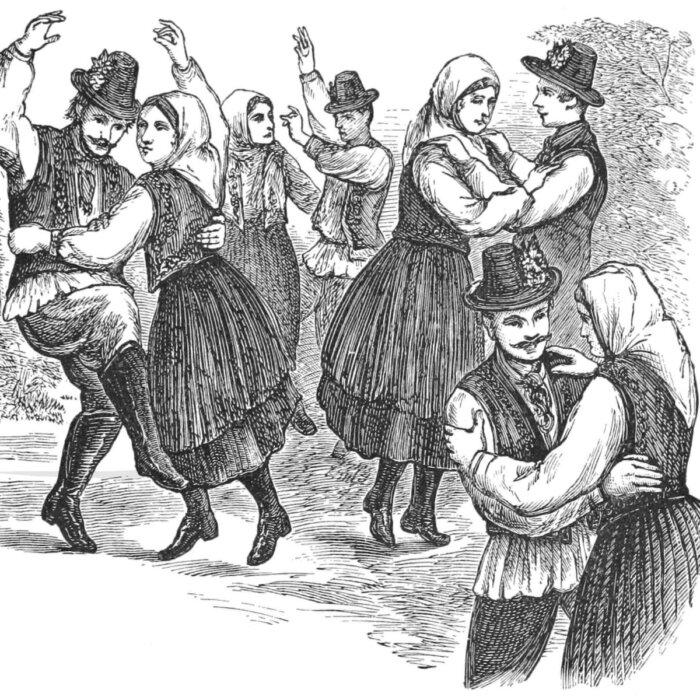
During this time, Brahms’ feeling for Clara, already passionate, deepened. He wrote to a friend: “I often have to restrain myself forcibly from just quietly putting my arms around her.” Then, he wrote to her, while she was away on tour, the first of many love letters he would send over the next 40-plus years. She wrote back to him, but never quite with the passion that he wrote to her, as in the following:
“I can do nothing but think of you and am constantly looking at your dear letter and portrait. What have you done to me? Can’t you remove the spell you have cast over me?”
Brahms and Clara burned many of the letters from early in their relationship, yet today more than 700 survive. Frustratingly, they are difficult to obtain in English, but those that are accessible make clear Brahms’s eternal devotion to Clara and her different, yet equally strong, devotion to him as a friend. He never married. Clara never remarried. She died in 1896. Brahms followed her a few months later.
Brahms’s Intermezzo, Op. 118, No. 2
Here is one letter of Brahms to Clara that needs no translation:Brahms’s Intermezzo, Op. 118, No. 2, is widely considered the composer’s most intimate statement of his feeling for Clara. The tempo indication reads “Andante teneramente.” The latter word means “tenderly,” and one couldn’t come up with a better description of the piece’s overall effect. While Opus 118’s entire set of five pieces is dedicated to Clara, this piece is singled out for its special feeling.
Analysis isn’t really required, but the opening A section is based on a distinctive melodic gesture that will continue throughout. At 2:45, the sturdier B section arrives, and at 4:21, the opening idea slips back in unprepared. One extraordinary moment deserves mention. At 2:00, and again at 5:31, the opening six-note gesture is inverted, notes go up where they went down and down where they went up, to magical effect.
“The modern biographers ask the rude, irrelevant question of our age, as if the event of two bodies meshing together establishes the degree of love, forgetting how softly Eros walked in the nineteenth-century, how a hand held overlong or a gaze anchored in someone’s eyes could unseat a heart, and nuances of address not known in our egalitarian language could make the redolent air tremble and shimmer with the heat of possibility.”
What arts and culture topics would you like us to cover? Please email ideas or feedback to [email protected]