PG | 1h 42m | Children, Fantasy, Comedy, Animation | 2026
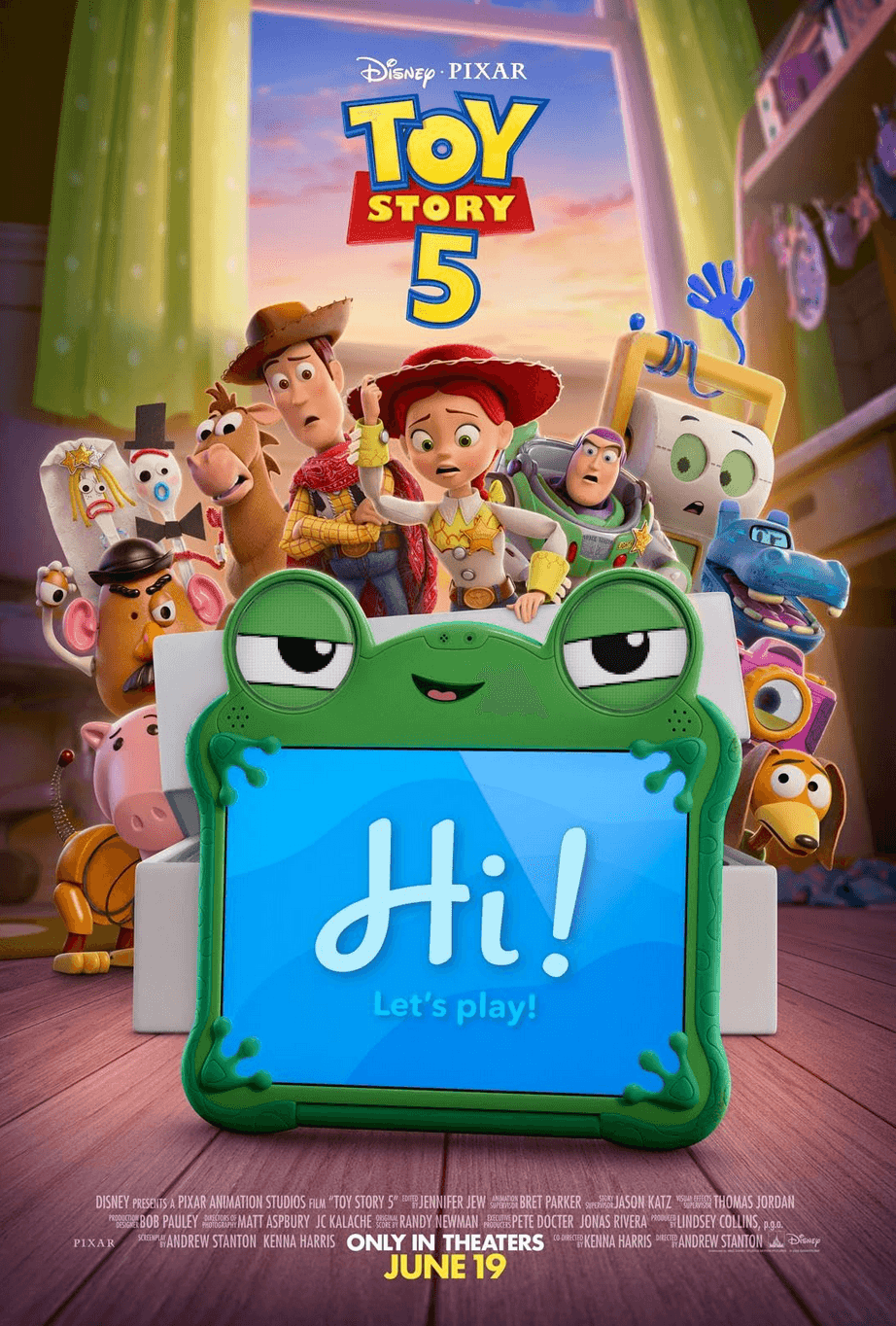
In terms of message, “Toy Story 5” might be the best of the franchise. It addresses all the concerns raised in “Toy Story 4” and is a remarkably relevant movie. Honest, reflective, and quite chuckle-worthy, it’s the summer of 2026 kid blockbuster.
Unless you’ve put your children in a Waldorf school, toys are becoming more and more disposable (the point of this movie). Will “5” conclude the run? Being that it’s Hollywood supply-and-demand, Pixar will obviously continue cashing in if people still want to keep hearing about this little collection of increasingly vintage toys.
The Dire Need to Rescue Children’s Imaginations
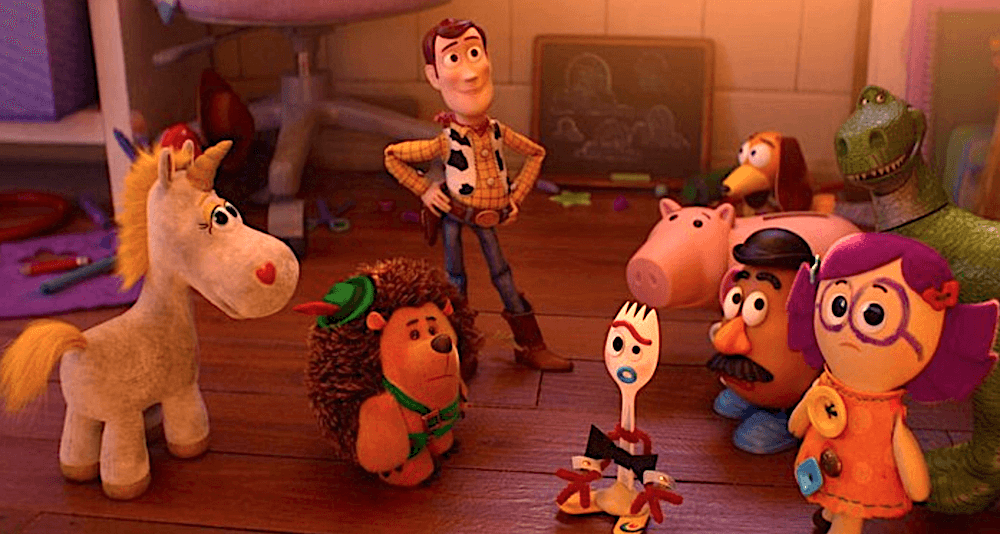
With the usual impressive animation by Pixar (for Walt Disney Pictures), “Toy Story 5” delivers a narrative about the importance of friendships—which has been the crux throughout the franchise’s run. Whether humans or toys, companionship is what matters most, and all the films illustrate the do-or-die lengths that these toys will continue to go to in order to protect each other and their human child. They show up through the good times and the bad.
The new toys provide new laughs—especially Conan O'Brien as a potty-training toy that during the stylized, imagination-only interludes looks exactly like him, with the rabbit teeth, down-turned mouth corners, and carrot-top pompadour. The main characters we’ve grown to love remain just as delightful. Woody’s return with Bo Peep is very satisfying, and the last scene finally captures what his friendship with Buzz has always been about.
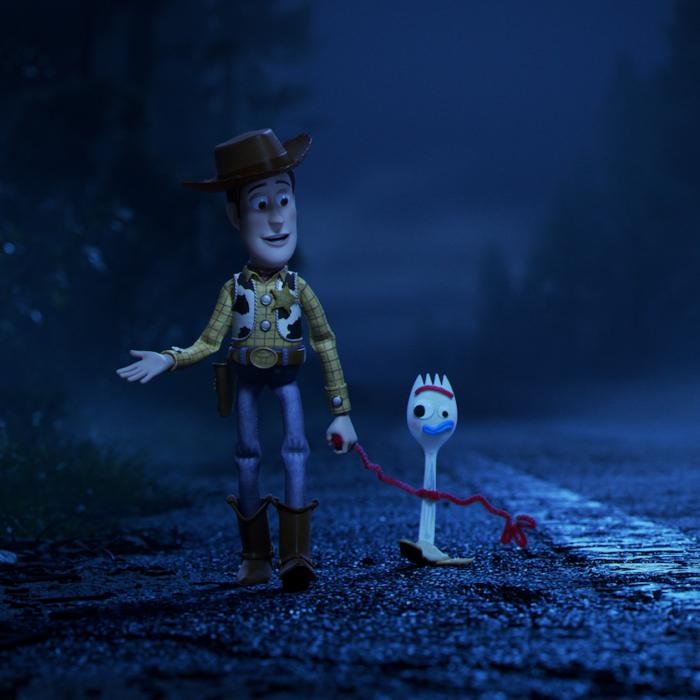
My personal favorites—Keanu Reeves’s Duke Caboom and Tony Hale’s Forky—could have been given more to do. Now, this aside really belongs to “Toy Story 4”: I love that Forky—a cobbled-together craft-project toy made of a plastic spork, pipe cleaners, and popsicle sticks—produced a deeply naive, anxiety-ridden personality of eternal wide-eyed bewilderment. His hilarious, ongoing existential crisis is driven by the single-minded conviction that, having been made from trash, he is therefore destined to return to the trash can. What a brilliant creation that is.
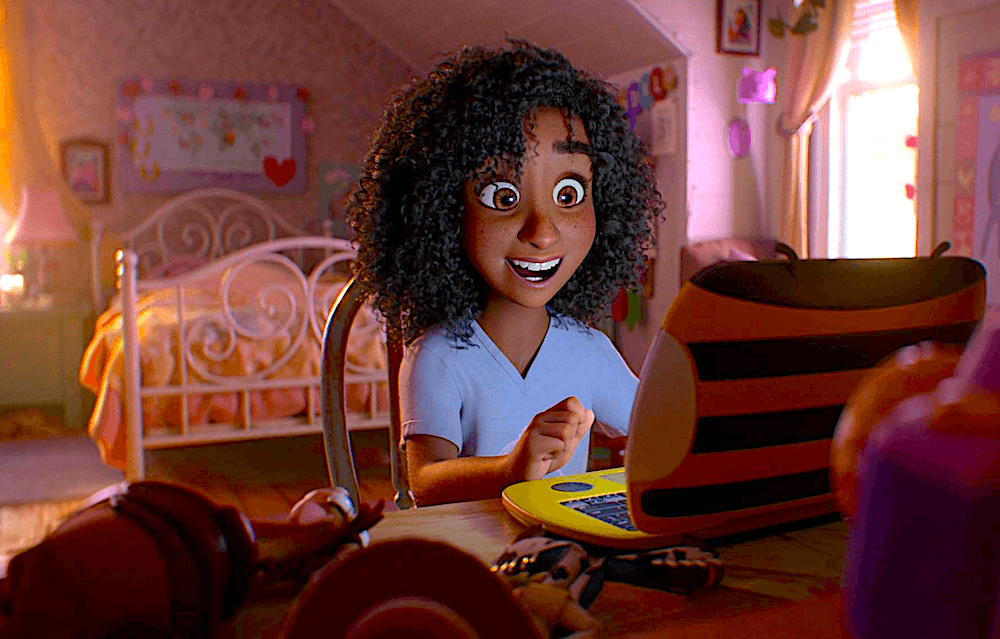
The happy ending, which sees girl child Bonnie make friends with another little girl whose mind is equally as creative as her own, is the perfect illustration of the optimal state of childhood.
Homage to Girlhood
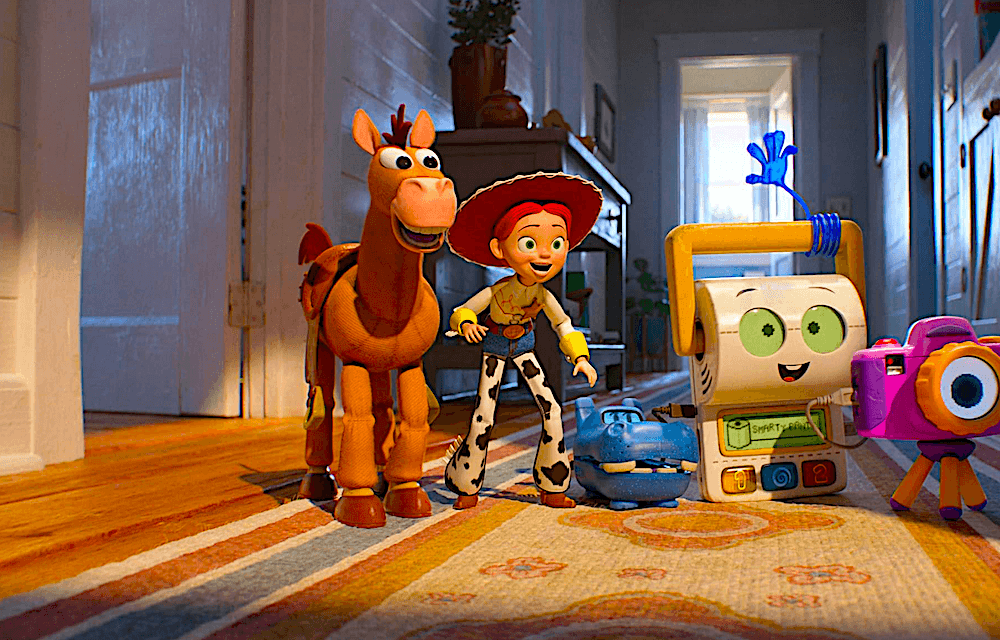
The star of “Toy Story 5” is Calamity Jane homage-toy Jessie (voiced by Joan Cusack), along with her wee horse Bullseye. That, and the all-girl human character cast, makes the entire movie a love letter to girlhood.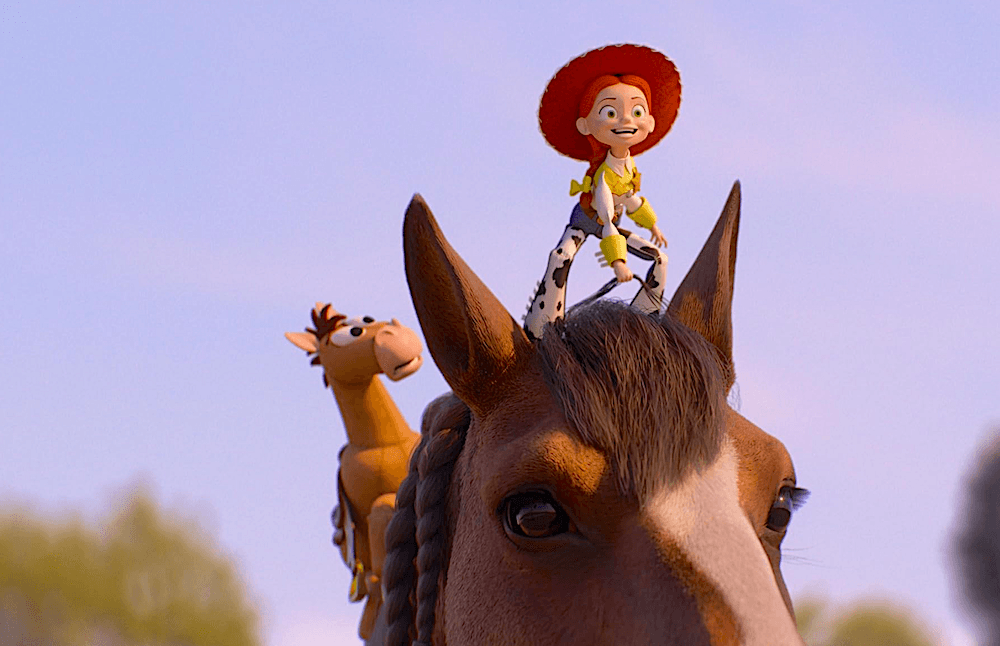
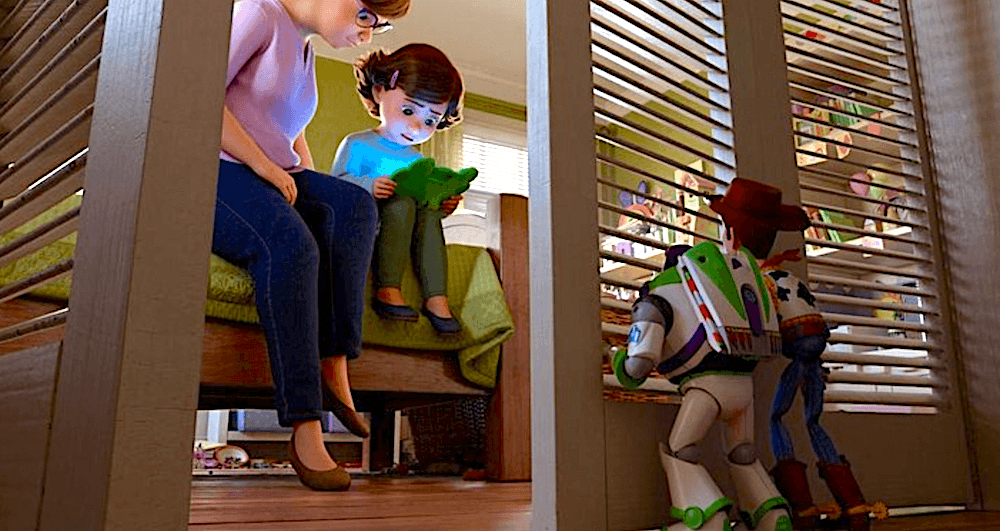
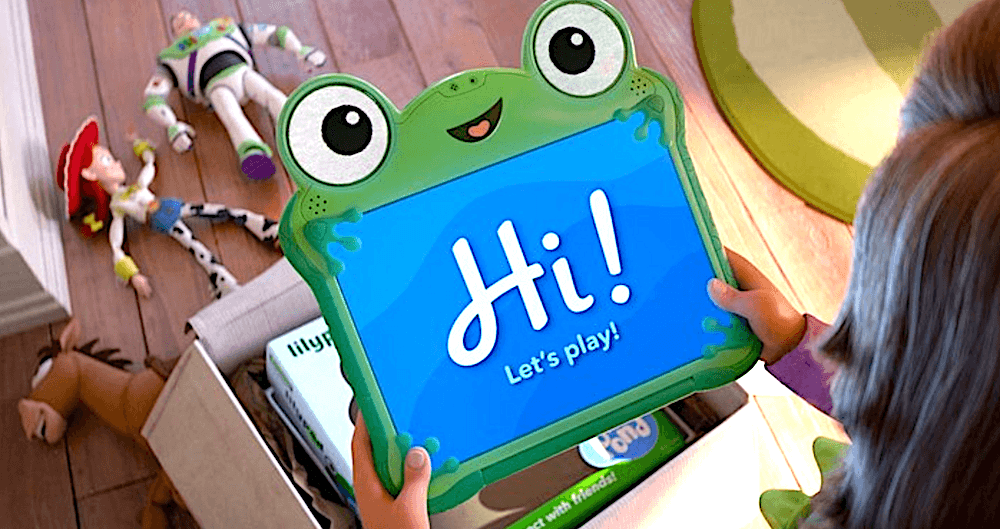
The nutshell premise concerns our No. 1 societal and cultural malaise—tech is usurping children’s imaginations. Kids don’t play with toys anymore because of phones and tablets.
That said, “5” compellingly subverts expectations regarding the concept of villainy. Lilypad (voiced by Greta Lee), the froggy-green tablet-ish device with the potential to become the most powerful villain the franchise has ever seen, is also responsible for delivering a compelling plot twist that makes the movie’s narrative stick.
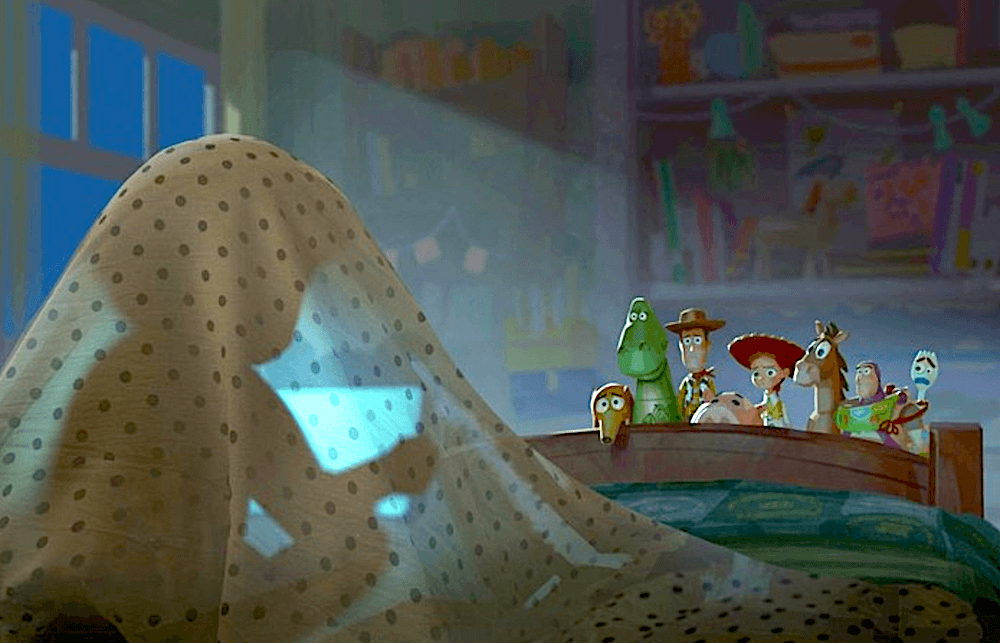
Why? Because tech isn’t inherently bad. Computers and phones are powerful tools. They have changed the world completely.
The problem is the built-in addictive qualities that humans have added, combined with the fact that most humans, if they aren’t involved in some form of personal improvement, will always struggle with moderation. Control and boundary setting are key. AI in moderation is a superpower, but AI tethered to bad intentions spreads internet lies like the bubonic plague. This perspective is presented by anthropomorphizing Lilypad with good intentions and a conscience.
The movie’s most moving detail is that Jessie finally gets to have closure regarding her long-held belief that her human, Emily, forgot about her all those years ago. Jessie’s backstory is one of the saddest scenes in the “Toy Story” series, and its closure provides Jessie everything she deserves. It’s a standalone reason for moviegoers of all ages to go see “Toy Story 5.”