Beatrix Potter is one of the most well-known of the children’s book writers and illustrators, having given life to Peter Rabbit, Benjamin Bunny, Mrs. Tiggy-Winkle, and many other lovable characters. Yet Potter was more than just a children’s book illustrator and writer. In fact, the Beatrix Potter Society catalogues Potter’s various interests and skills throughout her life as a naturalist, scientist, gardener, farmer, preservationist, and entrepreneur.
Marvelously Simple Mediums
The mediums Potter used were as simple as her artistic style. Her use of only ink and pen was absolutely marvelous. In a letter to her “dear Eric,” Potter told of her new mouse and covered the page with several illustrations, which she brought to life through pen and ink. Her strokes both outlined animals and objects and textured them, giving them movement, life, and character.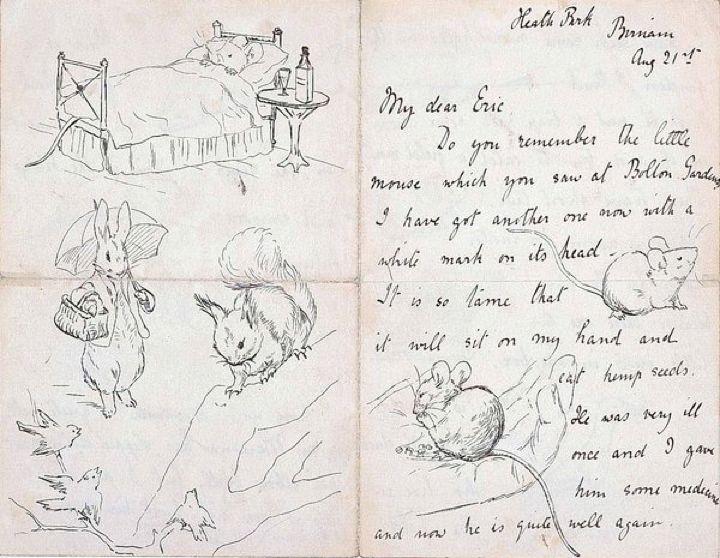
She outlined the mouse with single lines, then added a few more strokes to emphasize both fur texture and shadows, leaving the rest of the mouse blank to emphasize highlights.
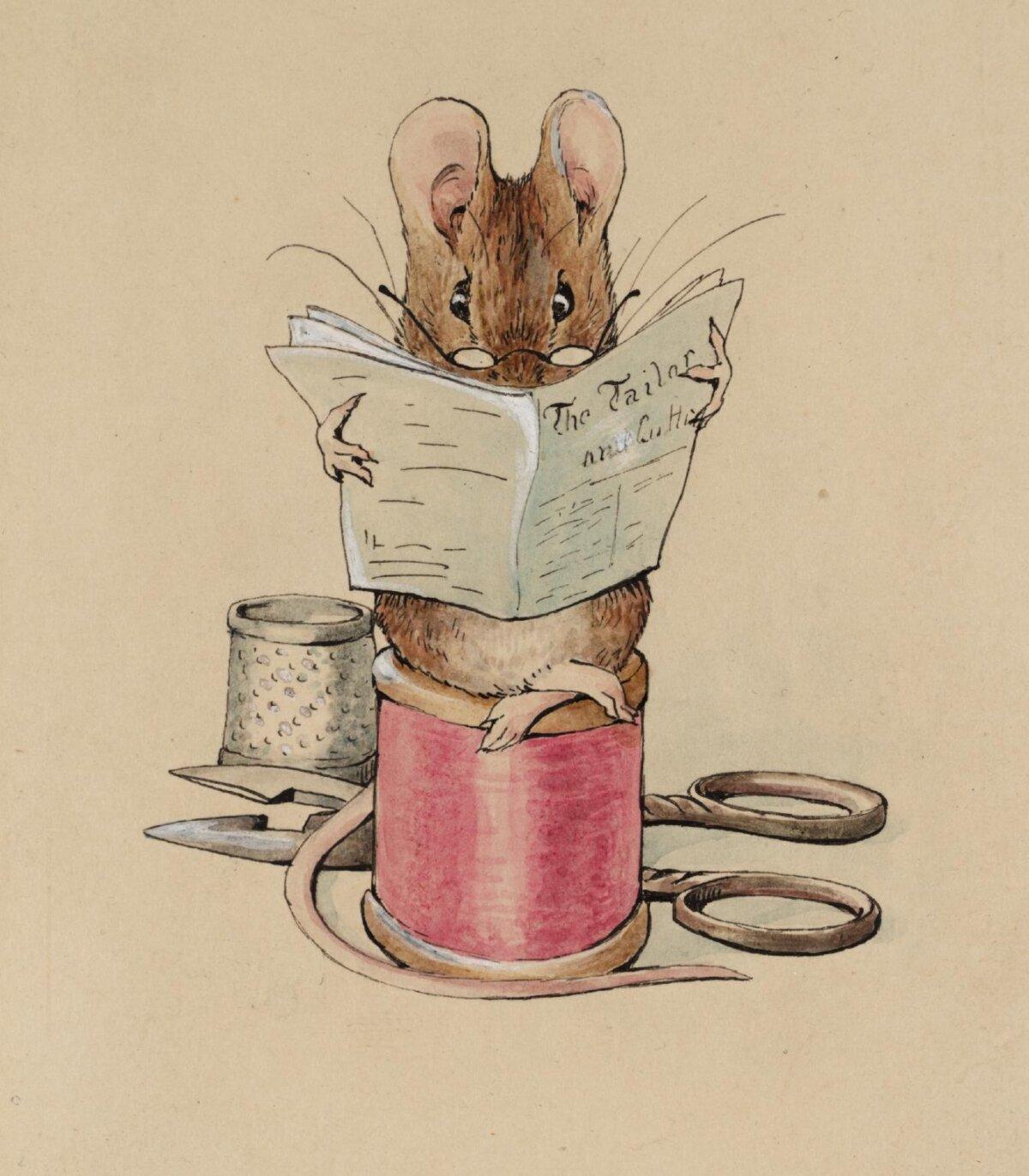
Potter’s watercolor was just as simple and just as affective. In her illustration of “The Tailor Mouse” from “The Tailor of Gloucester,” she outlined the mouse and other items with a basic line of ink, then succinctly used her brush direction to depict the proper coloring and texture of the mouse’s fur, as well as the direction of the thread on the spool. With upward strokes for the fur and rounded strokes for the ears, Potter added direction and, thus, texture, color, and depth to the mouse in a logical way, so that it became real and tangible for the viewer. She then added a few small pen strokes to further emphasize the shadows and texture on the mouse, thimble, scissors, and newspaper.
Simply Magnificent
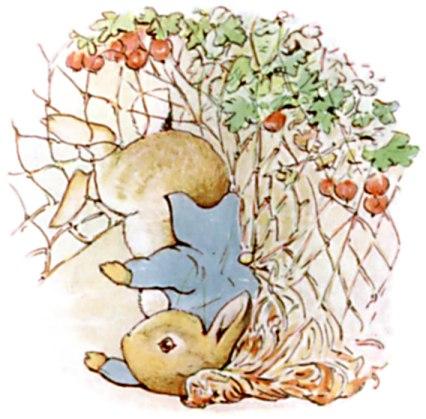
These mediums and style, along with Potter’s childlike wonder of nature, gave her illustrations natural life and character. In her illustration “Peter Rabbit Caught in a Gooseberry Net” from “The Tale of Peter Rabbit,” Potter conveyed Peter’s basic motions without overcomplicating them with too many pen strokes, thereby making the motion far more real.With Peter’s position, Potter conveyed authentic motion, emotion, and spirit. She brought to life Peter’s tumbling into the gooseberry net by placing him inverted, as well as making the net bend under his weight.
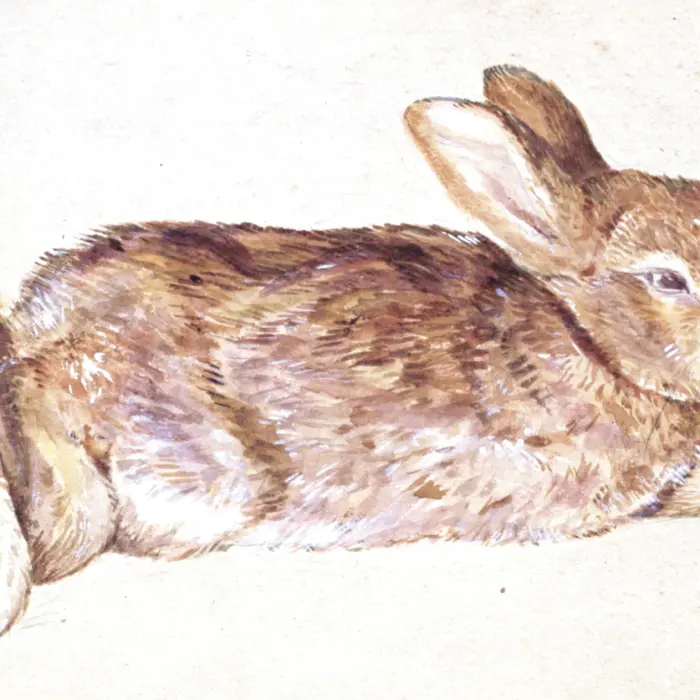
She depicted all this with basic lines that were drawn at the correct angles, conveying the act of falling and the net bending.
Potter removed extraneous elements that would overstimulate or distract the viewer. She used detail and color strategically to draw the viewer’s attention to the most important elements in the story. For example, if she deemed an item less importance to her picture, she would lightly outline that item or wouldn’t add less shadow and texture.
It was this simple style and the beauty with which Potter illustrated that have made her books so popular among readers of all ages. The simplicity excited the viewer’s imagination, so that nature appeared wonder-filled. This, in turn, encouraged the viewers to look more closely at nature.
Thus, Beatrix Potter’s illustrations can be described in Natalie Babbitt’s words from “Tuck Everlasting”: “Like all magnificent things, it’s very simple.” Her illustrations demonstrate a mind full of simple, childlike wonder and a brilliance for noticing the beauty, life, and character of the world around her. She saw the world and, by portraying it simply in her illustrations, encouraged the viewers to see it too.