R | 1h 43m | Drama Comedy | 2025
Does time truly heal all wounds? Does the space provided by time just push traumatic events to the distant horizon—always there—but gradually more and more out-of-sight-out-of-mind?
The comedy-drama “Sorry, Baby” is an impressive film debut that has already won numerous festival prizes. In it, writer-director-star Eva Victor takes a look at whether emotionally wrenching events tighten our lens on life or ultimately facilitate a broader perspective.
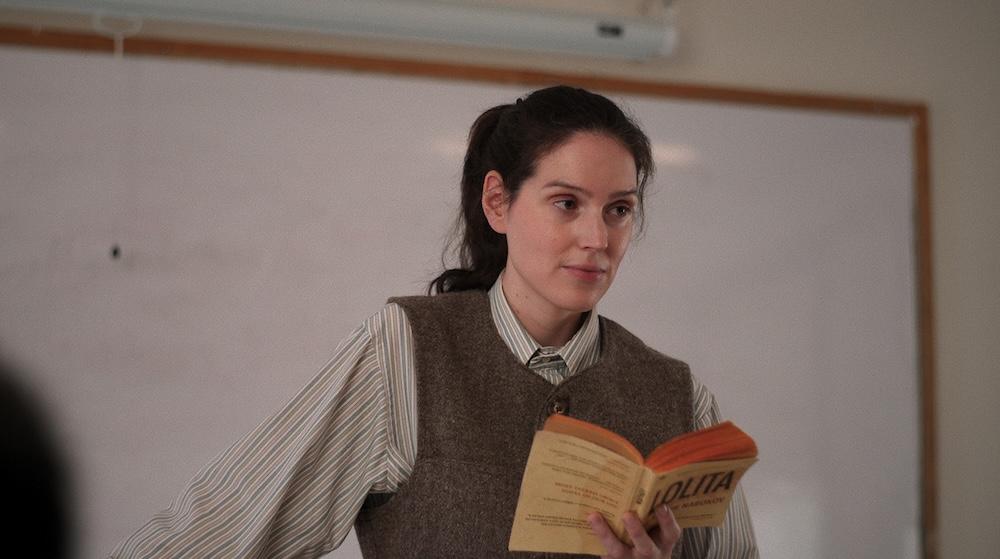
“Sorry, Baby” features specific, finely detailed, and yet universally human storytelling. While the inciting, pivotal incident is a sexual assault that lead-character Agnes (Victor) suffers at the hands of a post-grad professor, her ever-evolving reaction to the crime and how it shapes her life makes it one of the best character studies you'll see in quite a while. This film is moving, chuckle-worthy, and mildly mind-expanding from beginning to end.
Flashback
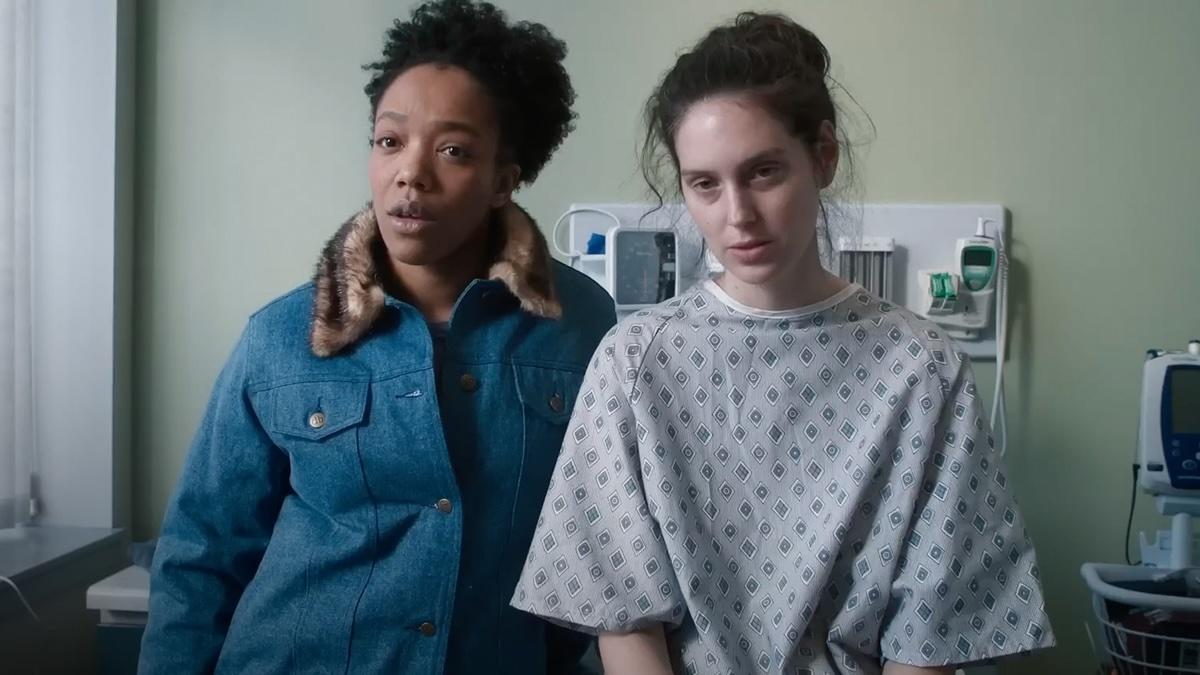
Best friends Agnes and Lydie (Naomi Ackie) first met in a graduate writing program at a small New England college. Agnes was the teacher’s star student.It’s been four years since Lydie returned to visit Agnes in her rural Massachusetts home. Like all true friendships, theirs picks up immediately where they left off, with only the occasional awkwardness. Sometimes their conversations about men and sex have more than a little of “Sex and the City” about them.


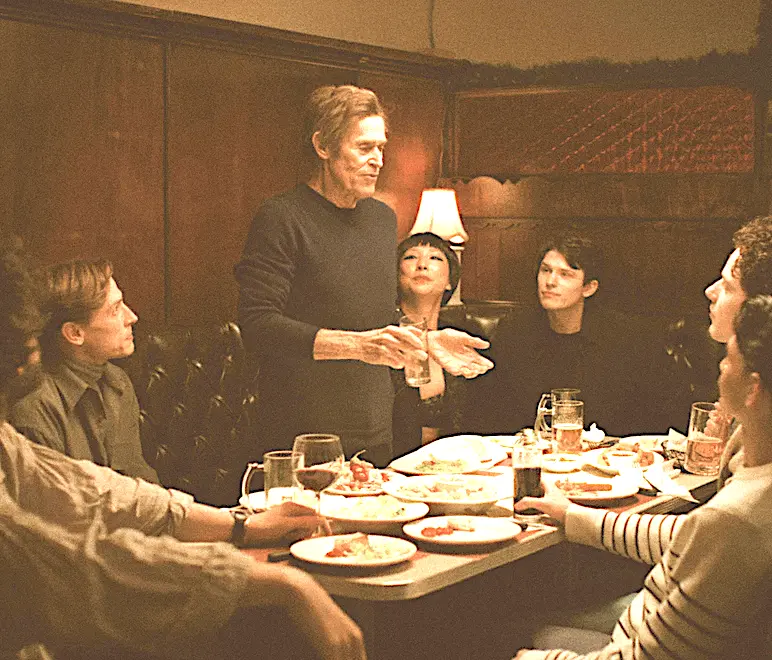
Soon, there’s a dinner party with two more of Agnes’s former classmates, thrown by Natasha (Kelly McCormack). Like Agnes, Natasha has stayed put and pursued a teaching career at the same college, though only Agnes was granted a professorship.
Natasha, whose seething jealousy, resentment, and passive-aggressive ill-wishing (why does Agnes discover a dangerous bone in her fish dinner?) borders on caricature. However, Natasha’s obsessive-compulsive behavior does fall under the umbrella of “Harm OCD,” so the extremes of McCormack’s performance are, in fact, plausible.
New Movie
“Sorry, Baby” suddenly morphs into a different movie: a frank, empathetic portrayal of sexual trauma, even as it (thankfully) avoids portraying the actual abuse. The early, surface-level performances give way to something more layered.Victor’s impressive accomplishment is the externalizing of an internal conflict that ultimately leads to some form of acceptance, though not necessarily closure or recovery. The story unfolds via scenes that switch back and forth over four years, providing glimpses into Agnes’s transformation. Victor is clearly pushing back against platitudes like “just move on,” suggesting instead that, like it or not, healing takes its own sweet time.
Bad Doctor
The only truly disturbing incident in the movie is the very well-cast, incredibly insensitive campus doctor (Marc Carver), who examines Agnes after she reports a sexual assault. His barbed-wire bedside manner, as well as how he plows through Lydie’s objections, are nearly forms of sexual assault.Also disturbing, but less so, is when two female university administrators (Liz Bishop, Natalie Rotter-Laitman) inform Agnes that they can’t do anything about offending professor Preston Decker (Louis Cancelmi) since he’s already handed in his resignation. They keep repeating: “We know what you’re going through. We are women.”
“Sorry, Baby” is organized into chapters, and in a later one, entitled “The Year With the Questions,” Agnes explains why she didn’t go to the police: “I want him not to be a guy who did this. If I go to the police, he’ll be a guy who did this who’s in jail.” I took this to mean that while, on the one hand, she can’t let go of wishing he wasn’t a guy who does such things, she also still cares enough about his life to not wish jail-time upon him. A complicated jumble of emotions accompanied perhaps by a smattering of Stockholm Syndrome.
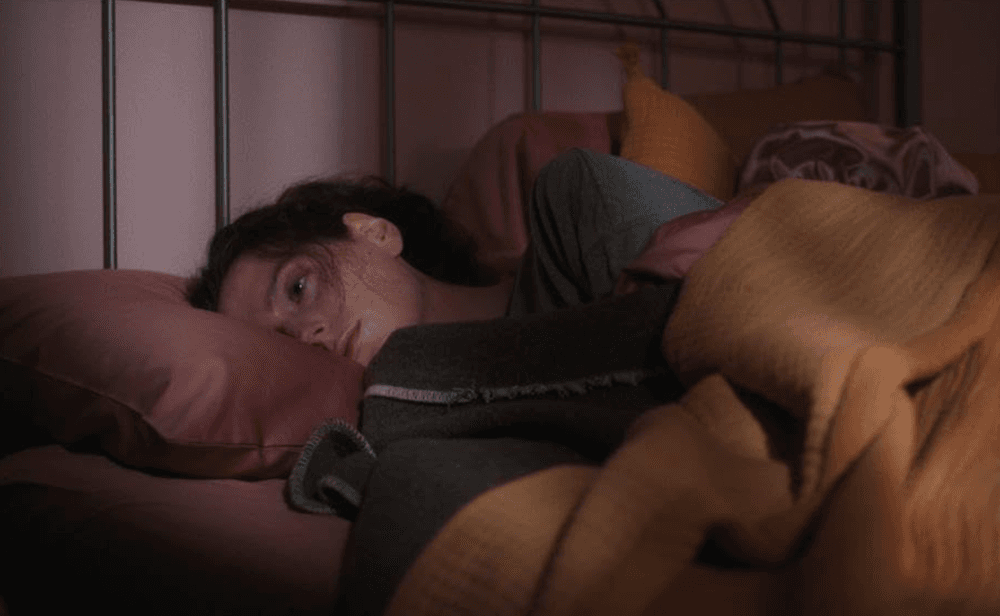
At one point, Agnes borrows lighter fluid from her neighbor because she’s seized by a sudden urge to set Prof. Decker’s empty office on fire. While alone in her house, she becomes so spooked that she tapes pages from her thesis over the window by her bed.
Humor
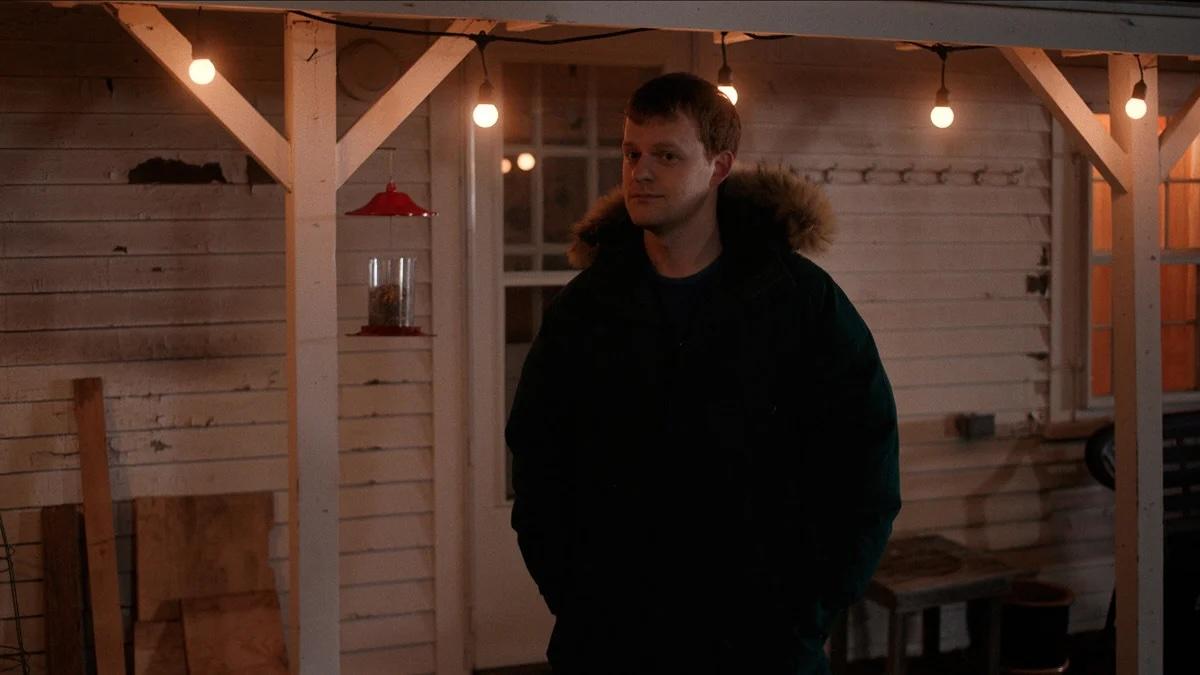
Victor cuts the entire film with quite a bit of leavening humor. Lucas Hedges is funny as the awkward neighbor whom Agnes borrowed lighter fluid from. When she asks him later if he wants to come over, he says, “I’m having dinner with my mother. Ok that’s not true. I just made that up to close myself off from the possibility of rejection.”