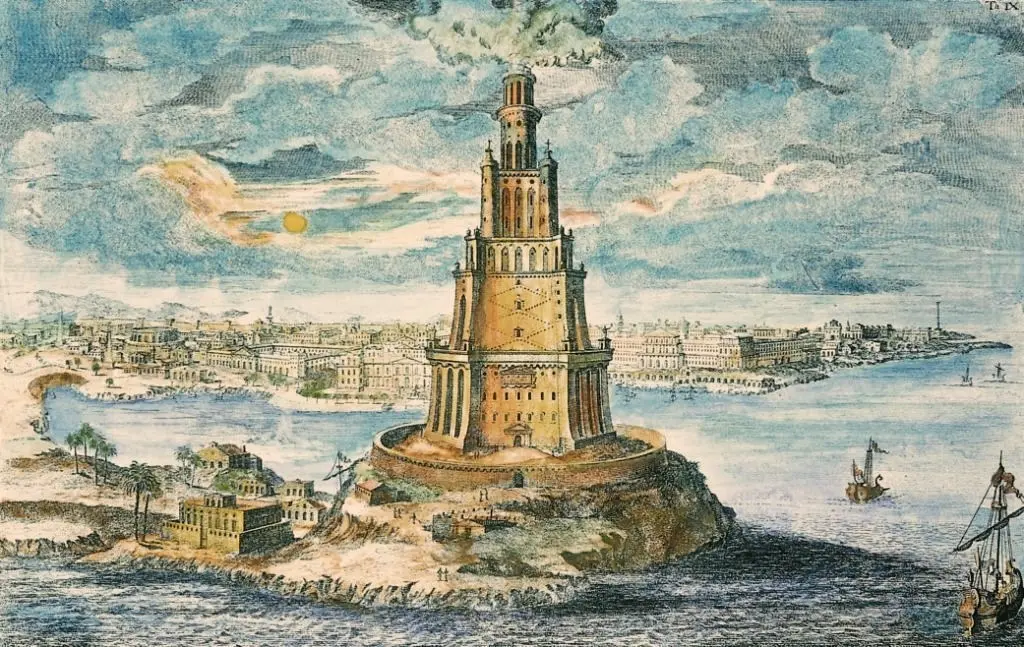
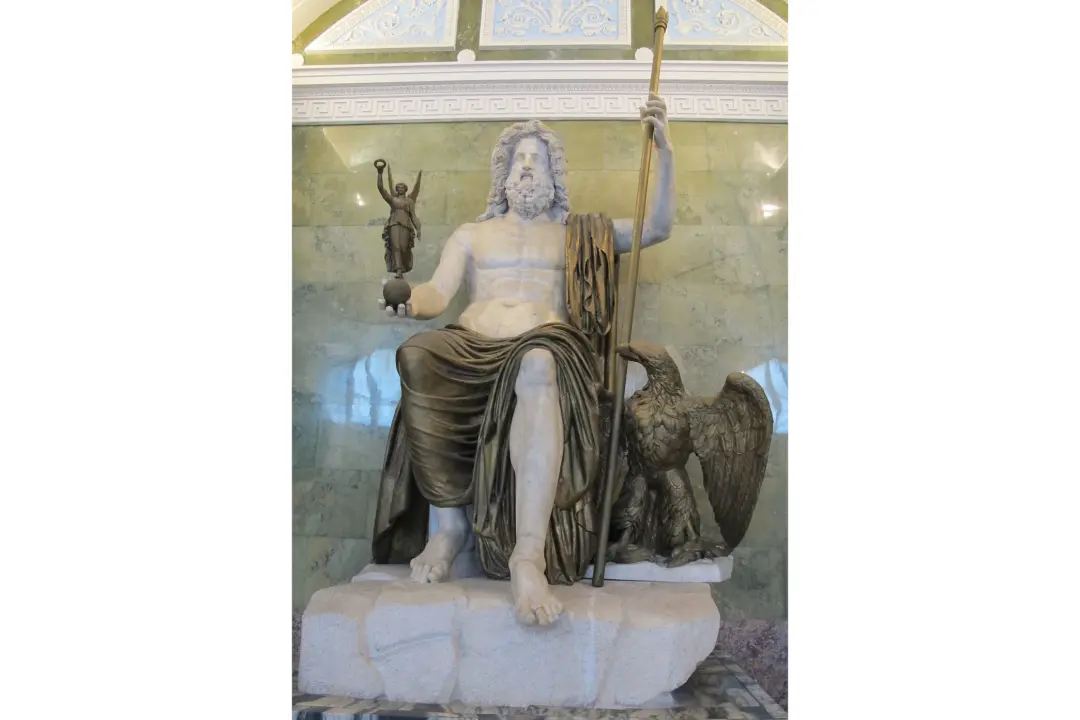
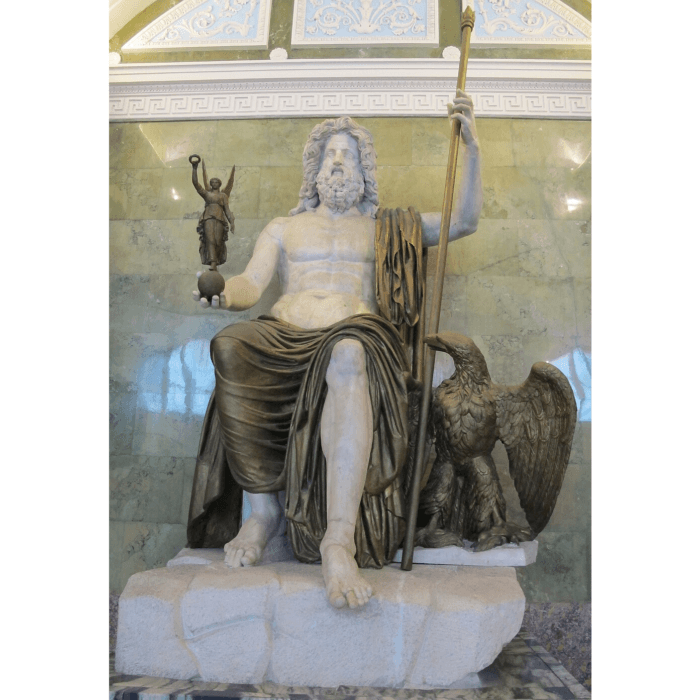
The Great Pyramid of Giza still stands after 4,500 years. The submerged ruins of the Lighthouse of Alexandria can still be explored by scuba divers. The foundations of the Mausoleum of Halicarnassus and the Temple of Artemis remain intact. Phidias’s workshop for the Statue of Zeus has survived along with coins depicting the Colossus of Rhodes. But the Hanging Gardens of Babylon remain an epic hypothetical.
Though numerous accounts from Babylonian, Greek, Egyptian, and Roman historians have survived with specific measurements and design features, they have little support from archaeological evidence.
The enshrined history of King Nebuchadnezzar II building the gardens for his homesick queen has been challenged on multiple fronts—whether it was Nebuchadnezzar II (circa 642 B.C.–562 B.C.) or Semiramis (circa 850 B.C.–798 B.C.) who supposedly built the gardens, and if they were in Babylon at all.
Versions of History
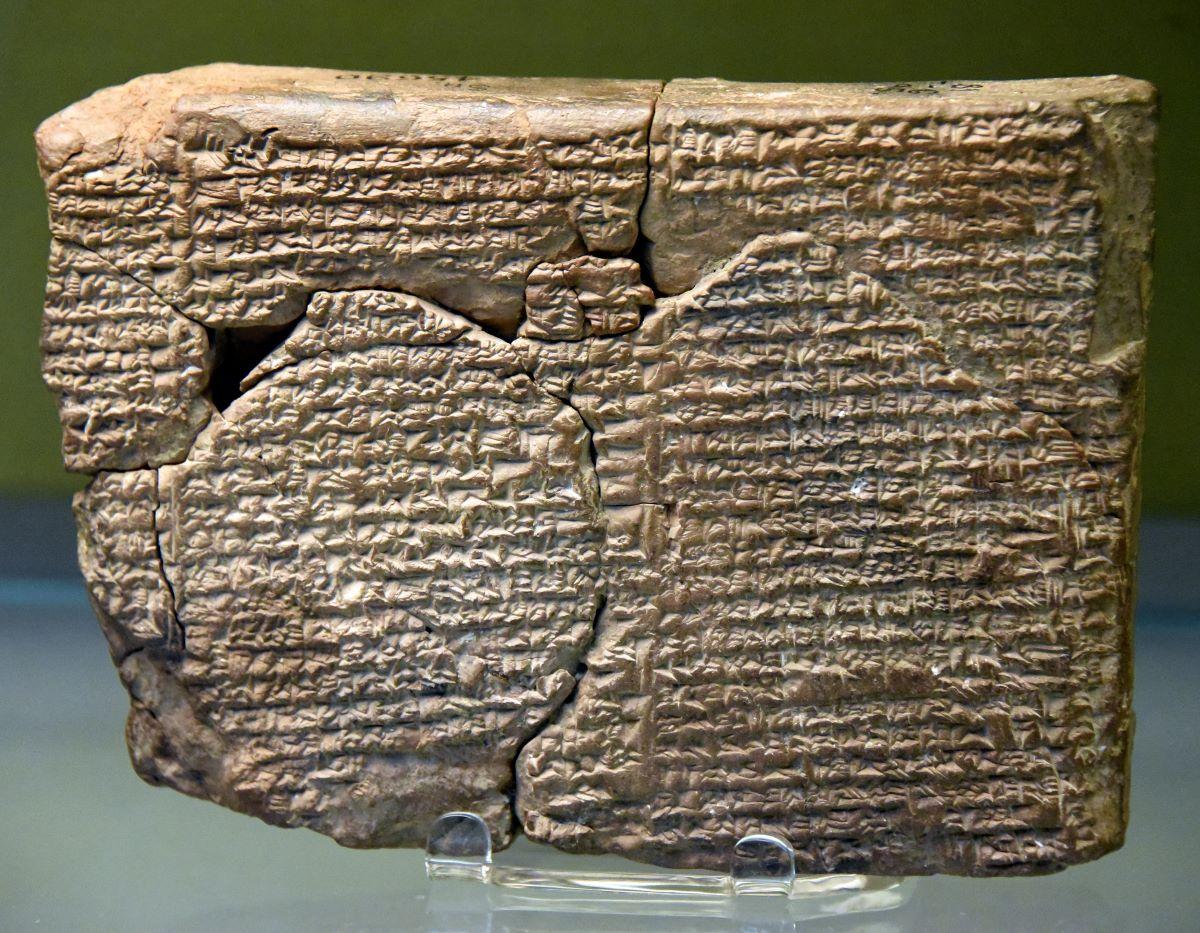
The empires of Mesopotamia kept abundant and meticulous records. From the daily accounting of grain and livestock to histories, or oral legends, such as Gilgamesh’s quest for immortality and Utnapishtim’s surviving the great flood, every aspect of Mesopotamian culture was thoroughly documented.Cuneiform tablets detailing Nebuchadnezzar’s military campaigns, his siege of Jerusalem, and his rebuilding of Babylon have all been recovered and are housed in The British Museum. The one detail missing is the creation of the gardens. While as many as a million cuneiform tablets have been excavated, less than 10 percent have been translated. But most untranslated tablets date from much earlier periods. Of the tablets pertaining to Nebuchadnezzar’s time, some even written by him—specifically the East India House cylinder, listing all his major accomplishments, including temples, roads, and the ziggurat—not one of them mentions the Babylonian gardens or the queen who supposedly inspired them.
The earliest account comes from Babylonian priest Berossus, writing centuries after Nebuchadnezzar’s death around 290 B.C.: “By planting what was called a pensile paradise, and replenishing it with all sorts of trees, [Nebuchadnezzar] rendered the prospect an exact resemblance of a mountainous country. This he did to gratify his queen, because she had been brought up in Media, and was fond of a mountainous situation.”
The description is brief, possibly because only fragments from this account survive in the writing of Roman-Jewish historian Flavius Josephus (circa A.D. 37– A.D. 100). “Pensile” from the Latin “pensilis” roughly translates to “overhanging,” and the region of Media described here is today the Alborz mountains of Northern Iran.
The alliance between Babylon and Media was also well documented in their shared conquest of Nineveh and the Assyrian empire. It’s not surprising then for so many descriptions of the gardens to blend elements of both Babylonia and Assyria.
Ancient Greek historians seem to refute the story that has been passed down. Diodorus (circa 90 B.C.–30 B.C.) places the gardens in Babylon, though built not by Nebuchadnezzar but by an Assyrian king for his homesick concubine. Ctesias (circa 400 B.C.) and Clitarchus (circa 300 B.C.) both attribute the gardens to being centuries older and having been built by Semiramis, queen of Assyria and the mythical founder of Babylon.
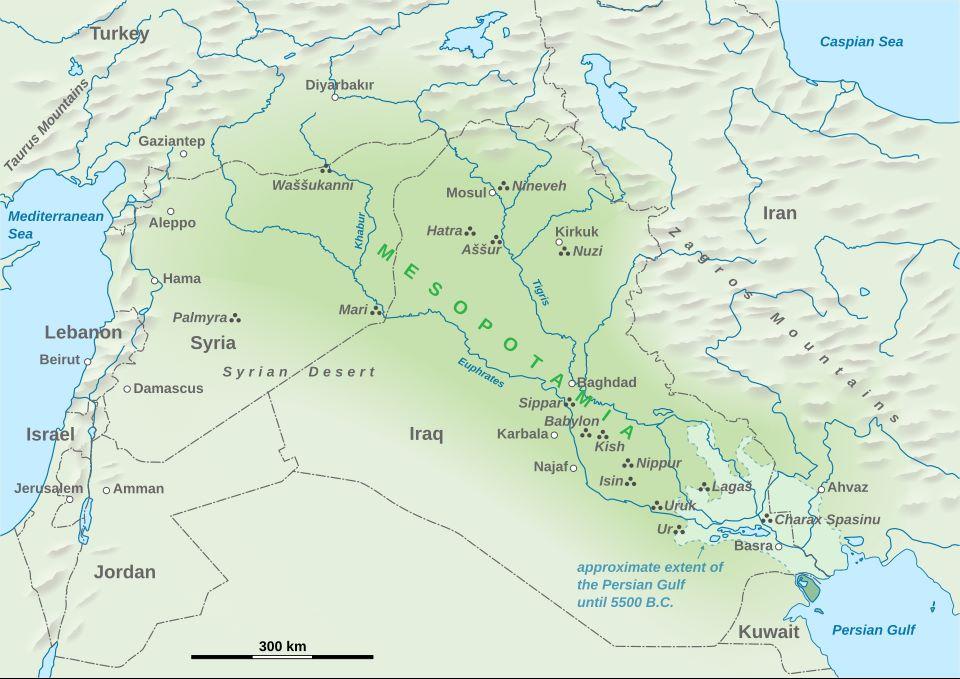
With Nineveh built on the Tigris river in Northern Mesopotamia, and Babylon being its southern counterpart on the Euphrates, both cities were entirely capable of housing such gardens.
Digging Up the Plot Holes
In 1899, German archaeologist Robert Koldewey began his 18-year excavation of the ruins of Babylon. Among his findings were remnants of the ziggurat or the famed Tower of Babel, the Ishtar Gate, the temple of Marduk, and the fortress walls and a vaulted cellar he believed to be part of the Hanging Gardens.The structure Koldewey found contained wells and, being built of stone rather than bricks, would’ve been more resistant to mold. It would’ve seemed a likely foundation for the irrigation system feeding the garden’s soil beds had it not been built so far from the river.
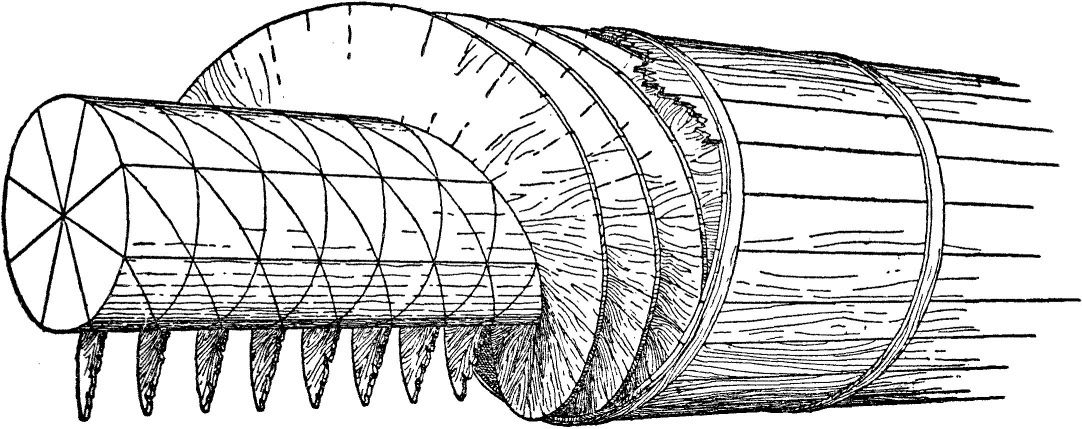
Strabo, (circa 64 B.C.–A.D. 24) a Greek historian drawing from earlier sources, gave detailed if largely inaccurate measurements for the circumference, height, and thickness of Babylon’s walls and towers. His description of the gardens includes no mention of whether or not Nebuchadnezzar built them but details their layout and irrigation system of an enclosed series of screws pushing water uphill. He also notes their location as being directly on the bank of the Euphrates River.
The irrigation system he describes is a version of the “Archimedes screw” invented by Archimedes of Syracuse (circa 287 B.C.–circa 212 B.C.). Such a system would be highly plausible if the gardens were situated along the river banks, but highly unlikely for the structure unearthed by Koldewey. More concerning is the fact that records in Nineveh describe an identical irrigation system to the Archimedes screws, but predating his invention by several centuries.
A Case of Mistaken Empires
Among the cuneiform tablets excavated from Nineveh’s Library of Ashurbanipal were extensive records of Ashurbanipal’s grandfather, King Sennacherib’s (circa 745 B.C.–681 B.C.) massive gardens and a section of his palace dedicated to his first wife.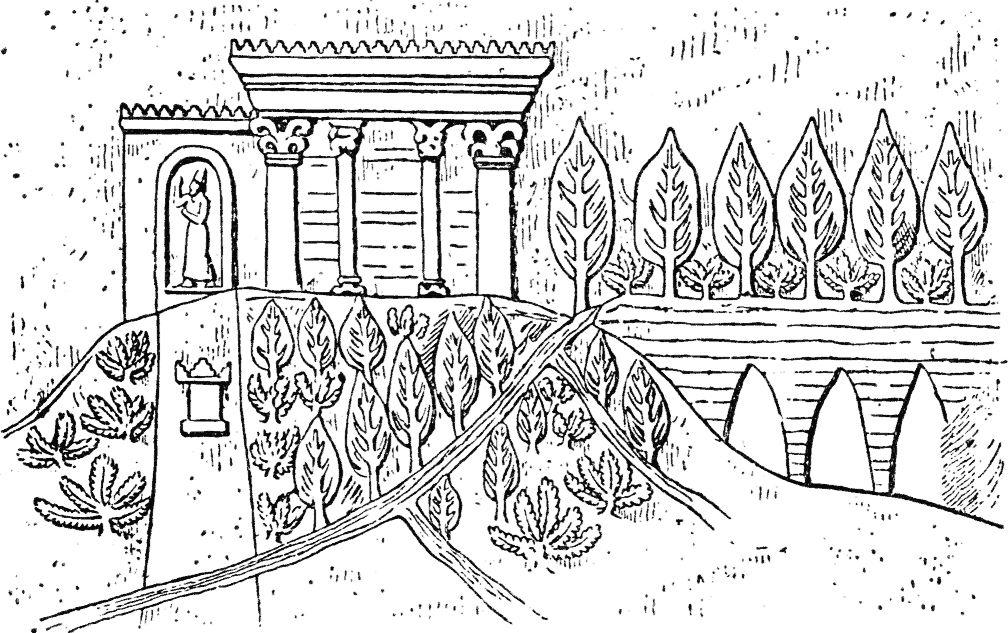
The descriptions of the gardens echo every detail of Babylon’s tiered layers of stone filled with soil and massive trees, supported by columns and irrigated by an elaborate mechanical system lifting water from the river up to the soil beds. Also designed to evoke the beauty of a mountainous forest region, the striking parallels between the two narratives of doting kings building complex gardens would eventually draw the attention of scholars looking for the missing Seventh Wonder.
Oxford Assyriologist Stephanie Dalley proposed that whether or not such gardens existed in Babylon, they most certainly existed in Nineveh. As one of the world’s few qualified translators of cuneiform tablets, she illustrated there being a much stronger case for the varied historical depictions aligning with the irrefutable documentation of the gardens built by Sennacherib.
Because all of the Greek and Roman accounts attributing the gardens to Babylon and Nebuchadnezzar are quoting earlier sources, and none of them contemporary, she points to the frequency with which these scholars referred to Babylonia and Assyria interchangeably. Whether by error or generalization, it becomes a pattern in Greek and Roman historical records.
As careless as it might seem to misrepresent such a renowned structure to an entirely different city and king, it isn’t so different from 17th-century Europeans labeling a wide variety of exotic imports as “Turkish.”
While no kingdom’s records are without flaws, gaps, or biases, the lack of any mention of the gardens in the entirety of the Babylonian tablets is difficult to dismiss. Considering the records were thorough enough to mention the city’s sewage systems, it seems improbable they would not mention elaborate gardens had they existed.