A Sign From the Gods
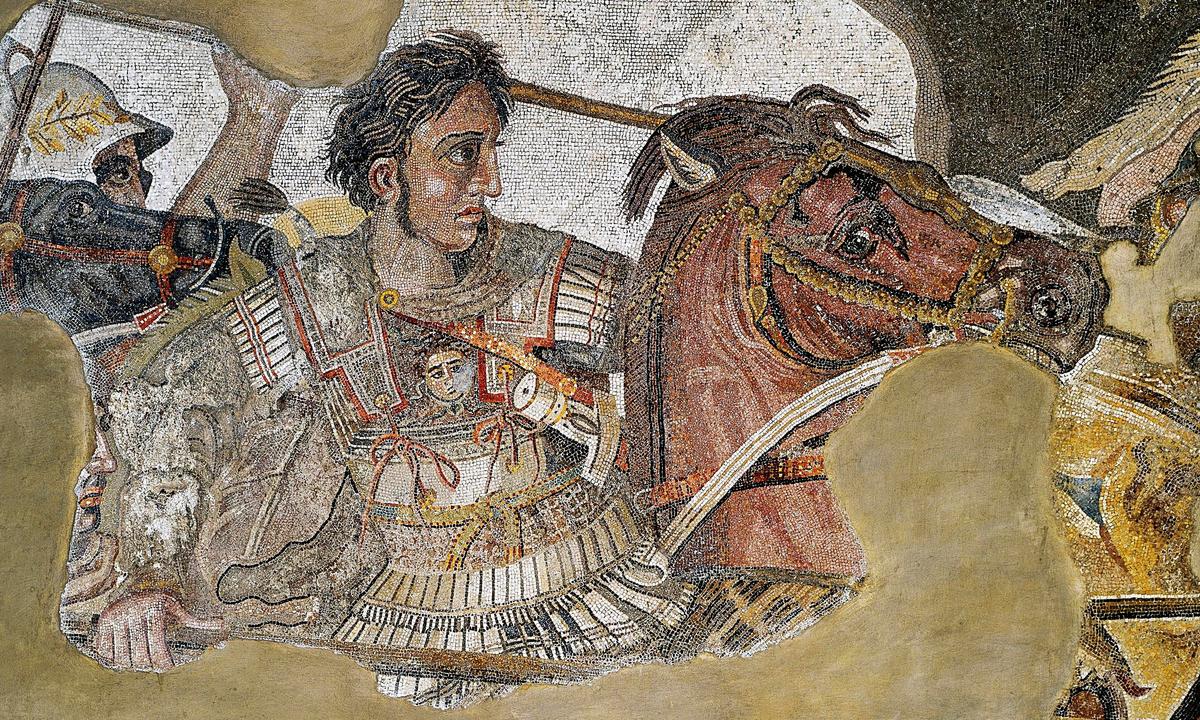
The year was 332 B.C. and Alexander had just conquered every region along the eastern Mediterranean coast. Upon liberating the Egyptians from Persian rule, he was welcomed, celebrated, and crowned Pharaoh. But, before moving on to conquer the rest of Persia, he was inspired to build a great city on the edge of the Nile delta.According to Plutarch (circa A.D. 50–A.D. 120), he took a handful of barley and dropped it onto the ground in the shape of the street grid that would become Alexandria. When a flock of birds swooped down to devour the barley, Alexander initially took it as a bad omen. His men reassured him it was a sign of his future city’s prosperity and the millions of mouths it would feed.
Passing the Torch
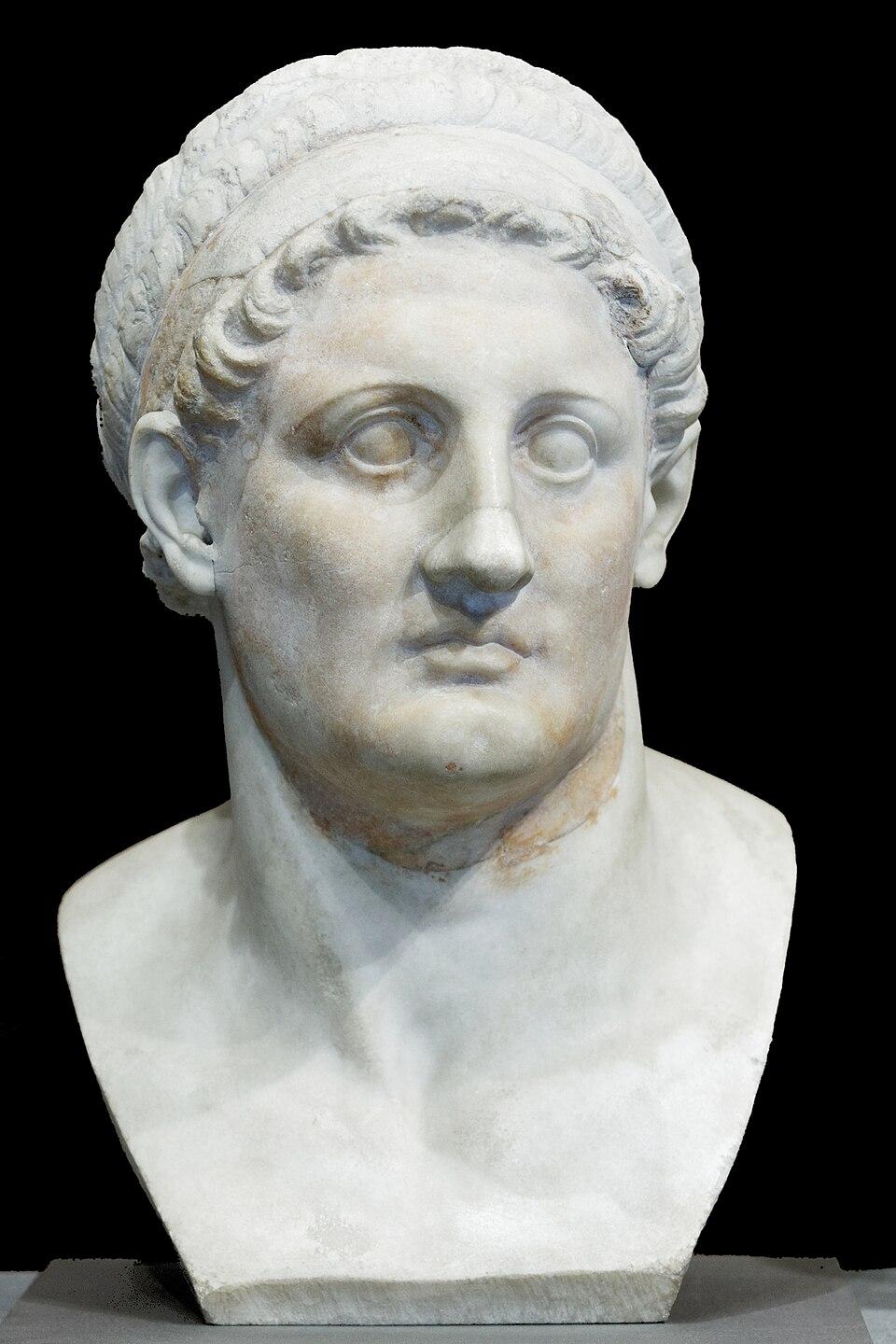
Tragically, Alexander didn’t live to see his 33rd birthday or the completion of his great city. Surrounded on his deathbed by generals who had been his childhood friends, without a suitable heir to take his place, he gave the precarious order that control of his kingdom should go “to the strongest.” It has long been speculated that Alexander was poisoned by one of these childhood friends. After his death, they divided up Alexander’s conquered territories among themselves. One of his generals, Ptolemy (366 B.C.–283 B.C.), chose Egypt.It was long rumored that Ptolemy may have been Alexander’s illegitimate half-brother, but more recent scholarship suggests Ptolemy likely concocted the rumor himself. To legitimize his rule, he went so far as to intercept the caravan transporting Alexander’s funeral carriage through Syria, bringing it back to Egypt and sparking the first conflict in the series of wars between the “diadochi,” or successors.
Stealing Alexander’s body might make Ptolemy a prime suspect for murder. Yet of all the successors, Ptolemy did the most to honor Alexander’s legacy of promoting Hellenistic culture throughout his empire. While his rival generals continued with their military campaigns, Ptolemy stayed in Egypt and dedicated his rule to the glorification of Alexandria.
The revamping of Egypt’s entire education system and the building of the legendary library and lighthouse were his contributions to Alexander’s design. While some accounts of the library’s inventory were as high as 700,000 scrolls, contemporary estimates number approximately 50,000 scrolls. The lighthouse stood for nearly 1,600 years, allowing countless historians to corroborate its grandeur.

From Conception to Construction
Because the lighthouse was conceived as a symbol and physical manifestation of Hellenistic ideals, it isn’t surprising that the master architect chosen for the project was also a celebrated diplomat. Sostratus of Cnidus (circa 340 B.C.–270 B.C.) was bestowed with honors and special privileges across the Aegean Sea. In this ancient society, that included complete tax exemptions, front row seats at festivals, and special access to the courts and oracle.He'd previously contributed his engineering and strategic genius to Ptolemy’s reign by diverting the flow of the Nile and flooding the city of Memphis, which allowed it to be taken without a siege. The lighthouse would combine all of his talents in a monument showcasing Alexandria’s unparalleled economic, militaristic, and diplomatic foresight.
Despite its lavish and rapid expansion, the Ptolemaic dynasty never sank into debt during these years. It retained its position as one of, if not the wealthiest, Mediterranean empires. The lighthouse was said to cost 800 talents of silver, which today would amount to at least $38 million.
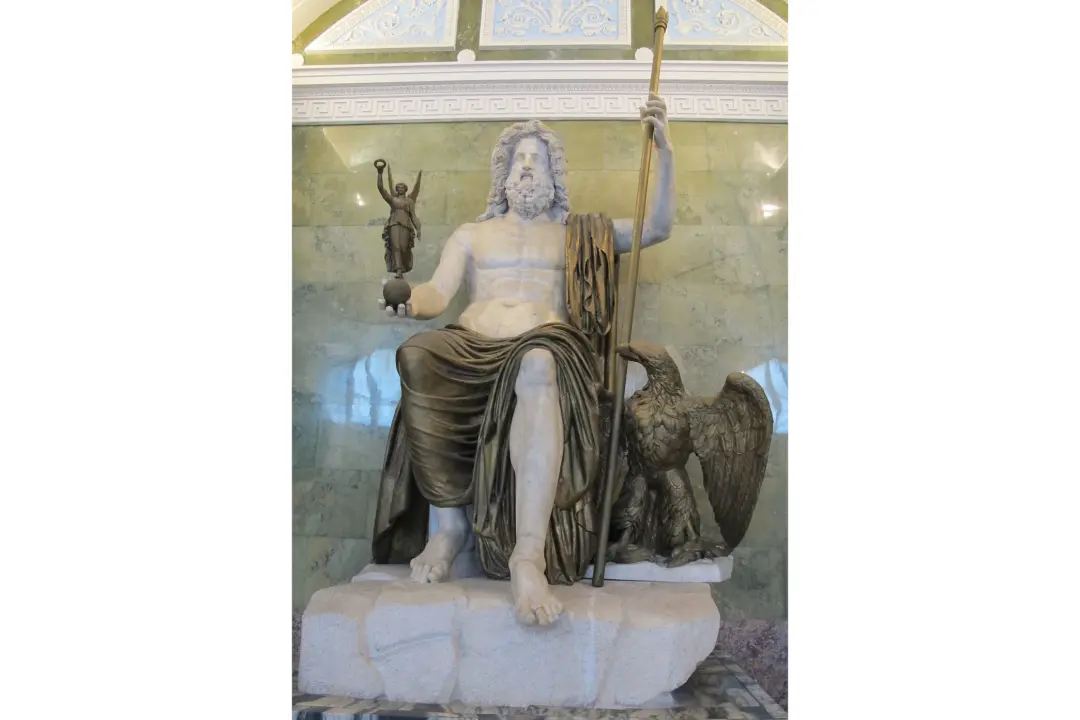
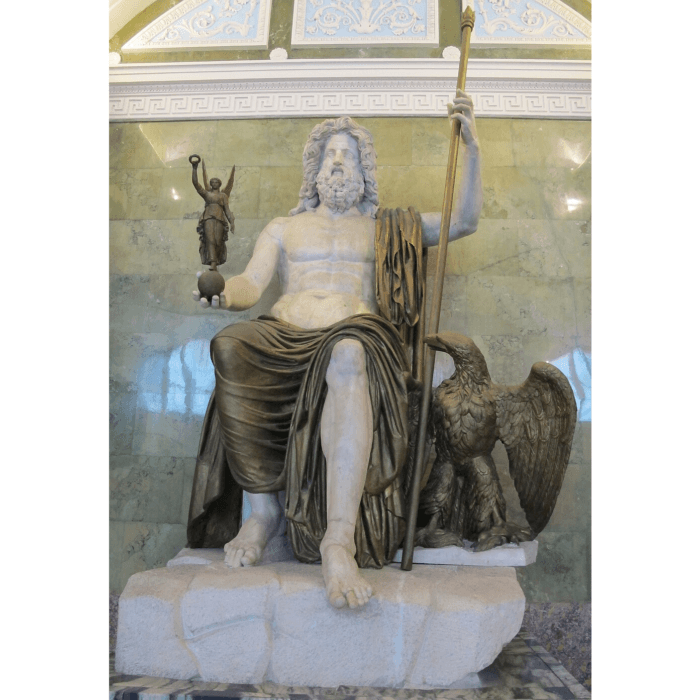
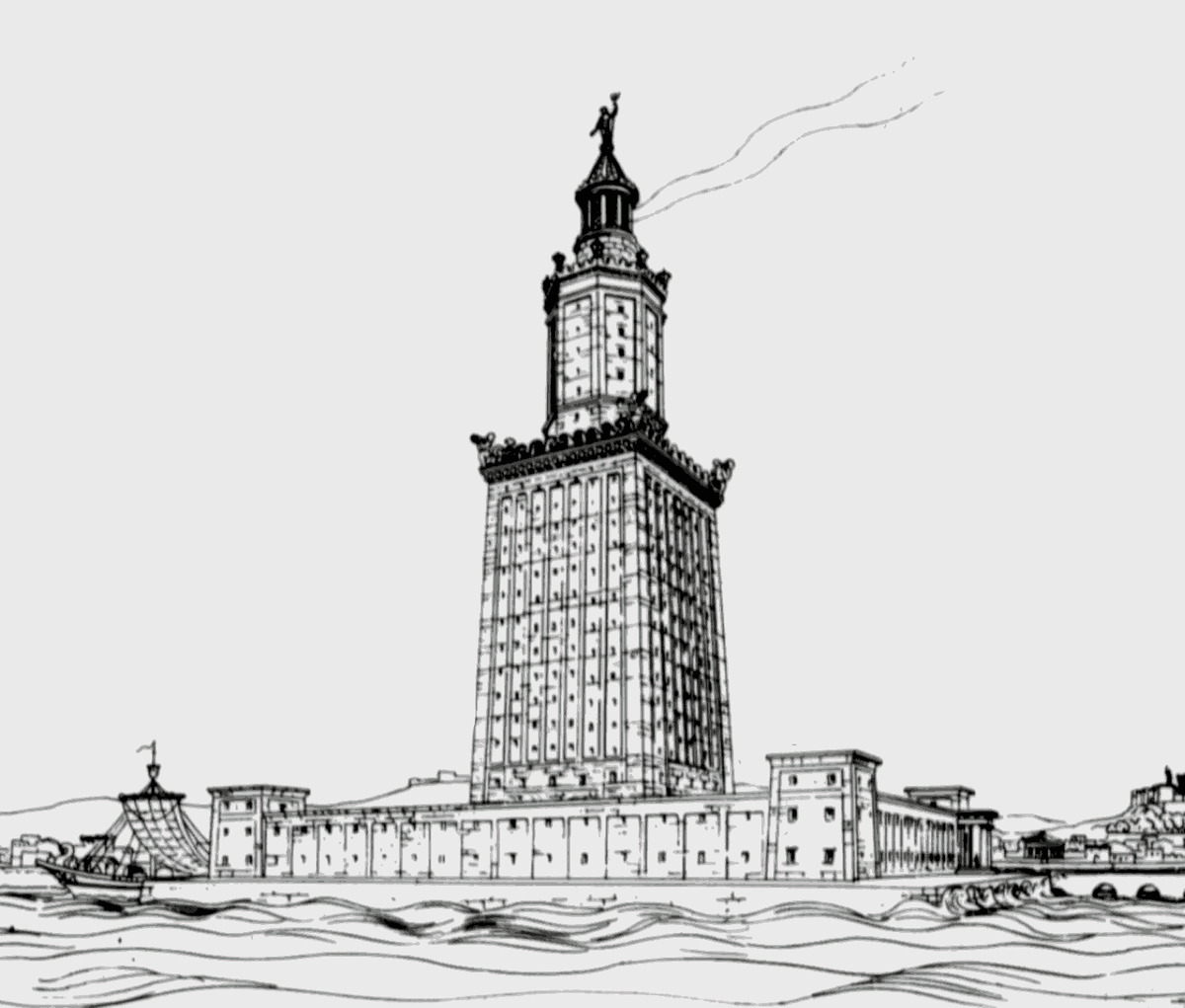
The foundation level’s heavy limestone blocks rivaled the foundation blocks of the Great Pyramid, which weighed over 80 tons. Historical accounts describe a sophisticated system of oxen-powered pulleys and cranes that moved these massive blocks into place. The upper levels combined lighter pink granite with limestone held together by molten lead. The beacon of sunlight and flame, which could be seen as far as 35 miles out to sea at night, was reflected by a pyramidal arrangement of polished bronze mirrors. (The light from modern lighthouses can seen about 25 to 30 miles away.) Accounts differ as to the exact height and whether it was topped by a statue of Zeus, Poseidon, Ptolemy or Alexander, but estimates place it between 350 and 390 feet tall. Only the Great Pyramid stood taller.
Slow Death and Immortality
Finished in less than 20 years, the lighthouse stood for more than 1,000 before a severe earthquake in A.D. 796 toppled its upper levels. Successive earthquakes and tsunamis in 950, 955, 1303, 1323 and 1375 destroyed the remainder Known as the Pharos Tower for the tiny island on which it stood, the words for lighthouse in Italian, Spanish, French, Portuguese, Romanian and Bulgarian all originate from this common root.The Pharos Tower informed the architecture of lighthouses, watchtowers, and minarets for millennia to come. No other landmark has stood as a more deserving tribute to Alexander’s dream of spreading Hellenistic culture and prosperity across the seas.