It can be hard to live up to a famous name. For Rubens Peale (1784–1865), that challenge was doubly hard. Firstly, he had to walk in the footsteps of his father, renowned portraitist Charles Willson Peale, and several brothers who became successful artists. Secondly, he was saddled with a first name that honored a great artist, Flemish baroque painter Peter Paul Rubens.
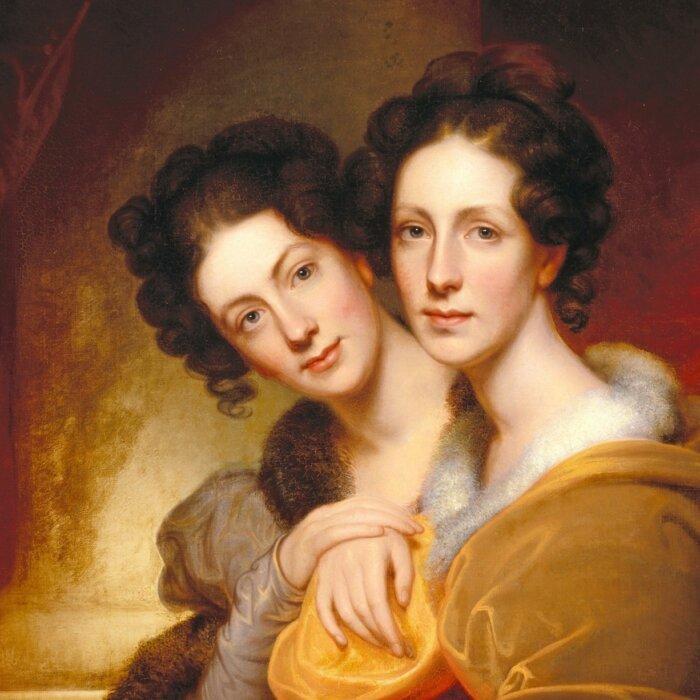
Willson Peale didn’t mean the creative names he gave his numerous children to be intimidating. Rather, they were tributes to the creative men and women of art and science who inspired him. They were intended to encourage his sons and daughters to find their own paths to greatness.
A Different Path
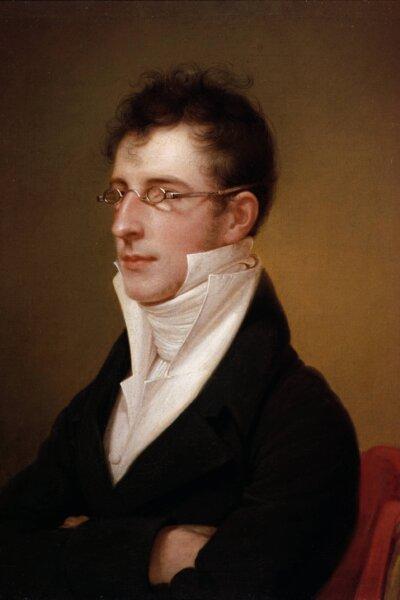
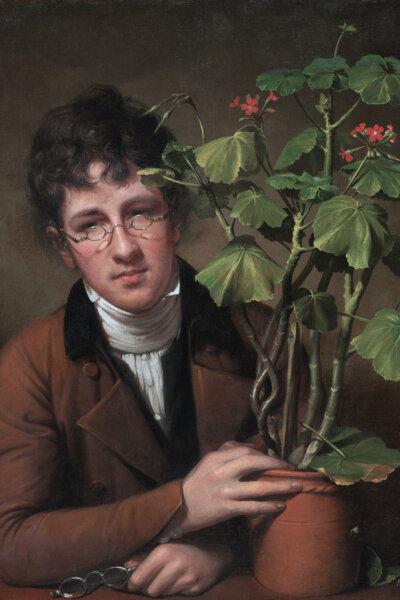
Rubens was born in Philadelphia on May 4, 1784, to Charles Willson Peale and his first wife, Rachel. While his older brothers and even his younger sister were trained in painting and drawing, Rubens seemed destined for a different career.From early childhood, he displayed a fragile temperament and very poor eyesight. As can be seen in the many portraits painted of him by his relatives, he wore very distinctive, thick glasses throughout his life, which he eventually designed himself.
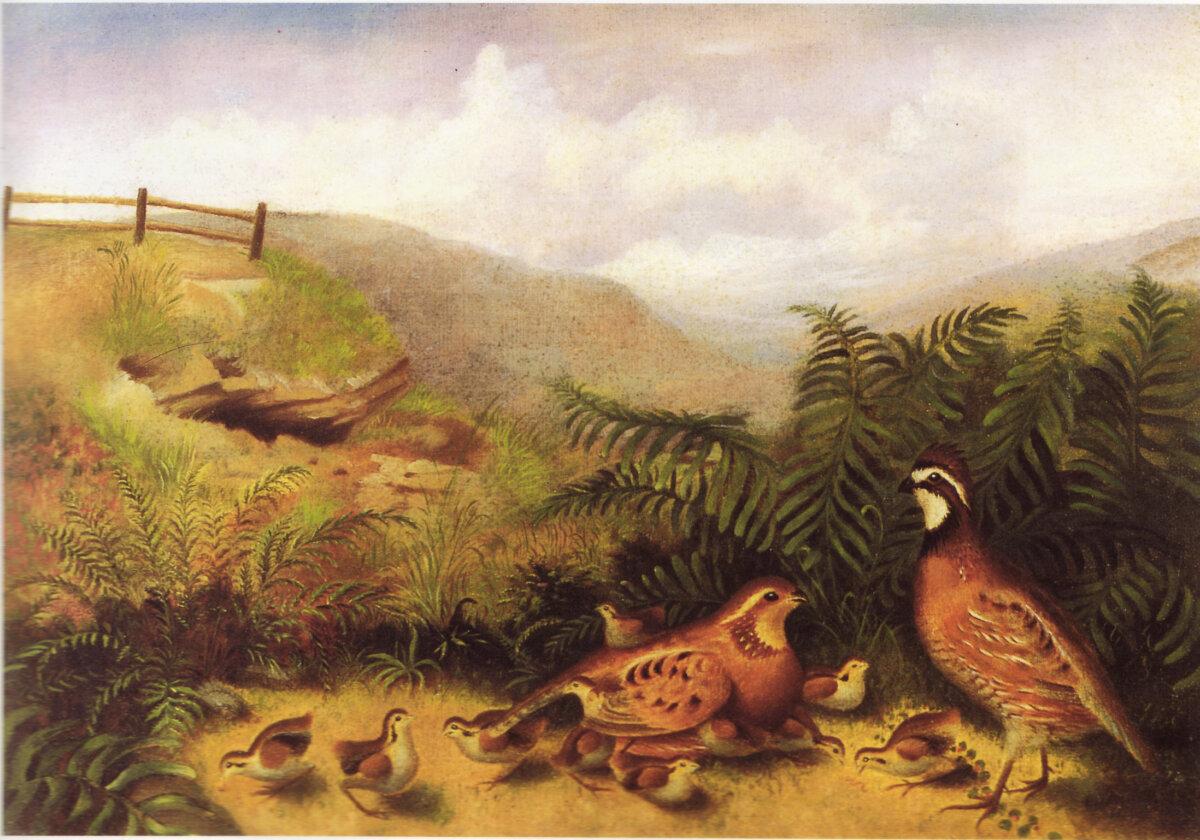
Nevertheless, Rubens wasn’t excluded from family endeavors because he didn’t take up the brush. He shared his father’s interest in scientific fields, such as natural history, taxidermy, and botany.
The year Rubens was born, his father started Peale’s Philadelphia Museum, often credited as the first museum in America. Seeing that this younger son was unlikely to become an artist, Willson Peale trained him to become a museum administrator.
Museum Curator
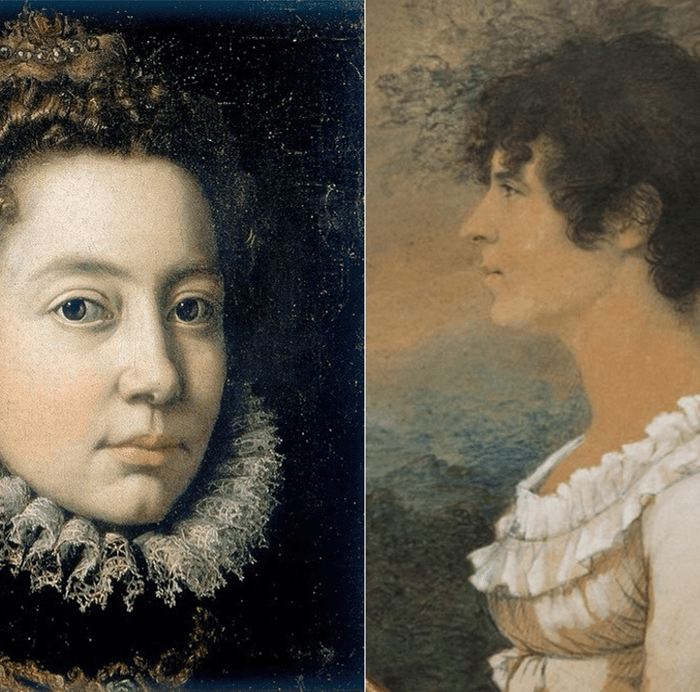
Rubens began overseeing the display of artifacts and the general management of his father’s Philadelphia Museum as a young man. As the older sons left home to pursue their art careers, Charles taught Rubens and his younger sister Sophonisba how to oversee the museum. As his sister labeled all the exhibits taxonomically, Rubens studied how to make the museum profitable.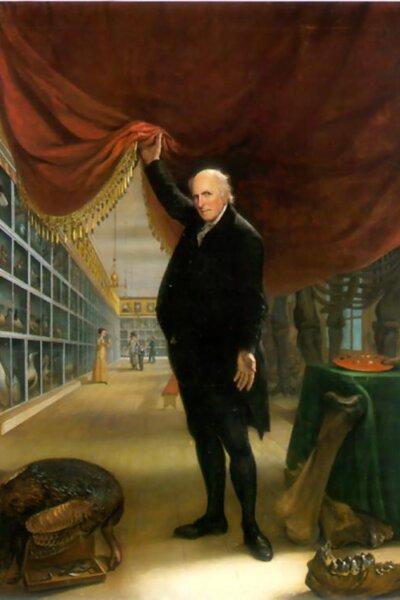
At age 26, Rubens took over as manager of the Philadelphia Museum. The world of museum curation was very different in the early 19th century than it is today. In the days before non-profit organizations, government grants, and patronizing endowments to support “culture” in our society, museums were basically entertainment.
Despite the fact that entertainment options weren’t plentiful at this time, the Peale museum had to compete with other museums in the same city. Each competed to attract the curious new nation. One curiosity Rubens introduced at the museum was gas lighting.
The Philadelphia Museum was a joint collection of paintings and portraits, many painted by members of the Peale family, and scientific artifacts, such as taxidermy and exotic specimens. As curator, Rubens quickly proved to be quite a showman.
Other Museums
After leaving Philadelphia in 1822, Rubens went to Baltimore to help his brother Rembrandt manage a museum there. Three years later, Rubens set out to open his own museum in New York City on Oct. 26, 1825. In 1840, he changed its name to the New York Museum of Natural History and Science. There, he sought to balance a dignified presentation with the sort of sensationalism that could compete with that of his rival museum curator, P.T. Barnum.The museum held a collection of art, stuffed animals on display, insect collections, and rarer curiosities like genuine Egyptian mummies. Rubens supplemented these permanent collections with lectures, special exhibits, theatrical productions, and unique events like the unwrapping of the mummies.
Becoming a Painter
Rubens was far from idle in this retirement. He used his botanical skills and scientific agricultural methods to make the farm very productive. In these peaceful years, he finally took up the inevitable family habit and began painting in 1855 at the age of 71. He started journaling around the same time, so there are records of his thoughts behind this decision.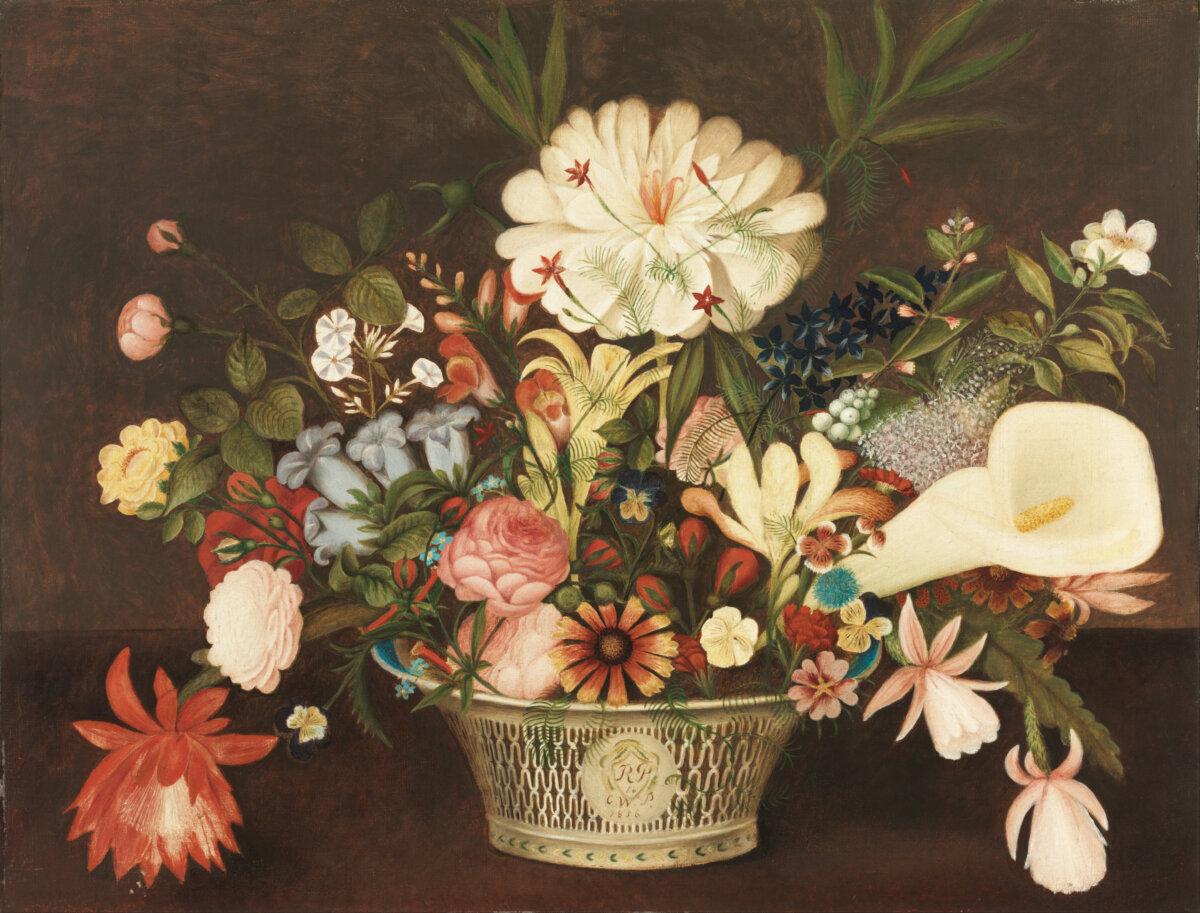
Rubens was encouraged to start painting by his daughter, Mary Jane, when she returned to the farm. He’d sent her to study painting with her uncle Rembrandt years earlier, and she became the last professional artist in the Peale family. Mary Jane convinced her father that seven decades of observing the natural world could compensate for his failing eyesight.
During his last 10 years, Rubens produced over 130 paintings of plants, fruit, and animals, of which 95 were still lifes. Although timid about his artwork at first, he gradually gained the confidence to share his paintings with his family for appraisal and as gifts. He was delighted by their positive response.
Although Rubens never painted professionally or sold his works, his paintings aren’t the work of an amateur. A lifetime living and working with America’s greatest painters had made him an expert by osmosis, as it were.
Since maintaining the farm was still his priority, he’d often work on a painting over the course of several weeks. This worked well since he painted from memory, rather than by sight. He classified his paintings by numbers rather than by name, reflecting his years of museum labeling.
Many of Rubens’s paintings are readily available for viewing today. His 1865 painting “Still Life With Watermelon” was purchased by the Princeton University Art Museum in 2007, where it’s now displayed. This painting compares favorably to many still lifes produced by his brother Raphaelle, who’s considered America’s first great landscape painter.
Ruben isn’t esteemed as a great professional painter like his father and brothers, but his decade of painting demonstrated that art can be beautiful and enriching at any age. In addition, Rubens Peale left an impressive legacy as a pioneer of museums in the United States.