American artists from the past three centuries mastered visual arts that highlight our distinct way of life. In the 1800s and early 1900s, one family produced many artists who flourished in different artistic disciplines. A family of 12 children, the Morans immigrated to the United States from England. One of the younger children was Peter Moran (1841–1914), who is known as the Father of American Etchers.
Peter was born to Thomas, a handloom weaver, and Mary Moran on March 4, 1841, in Lancashire, England. When he was 3 years old, his family emigrated to Maryland. In 1845, they settled in Philadelphia, which Peter would call home for most of his life.
Peter was the youngest of four creative brothers in the family. His older brothers Thomas (1837–1926) and Edward (1829–1901) were painters, while his brother John was a photographer. Like many younger brothers, Peter followed in their footsteps. He didn’t start out to be an artist, though.
When Peter was 16, he finished his formal education and apprenticed to the lithographic firm of Herline & Hersel. It wasn’t long before he discovered he didn’t like lithography. Luckily, he was able to get out of the apprenticeship.
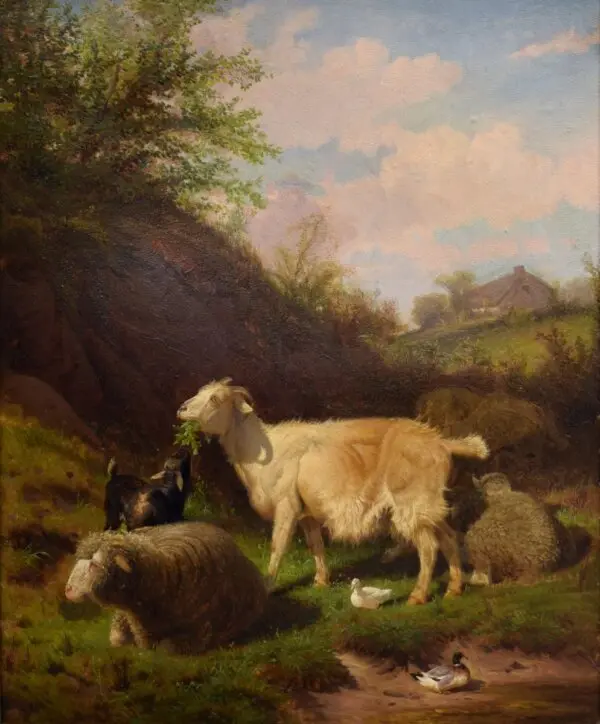
Sketching and Etching
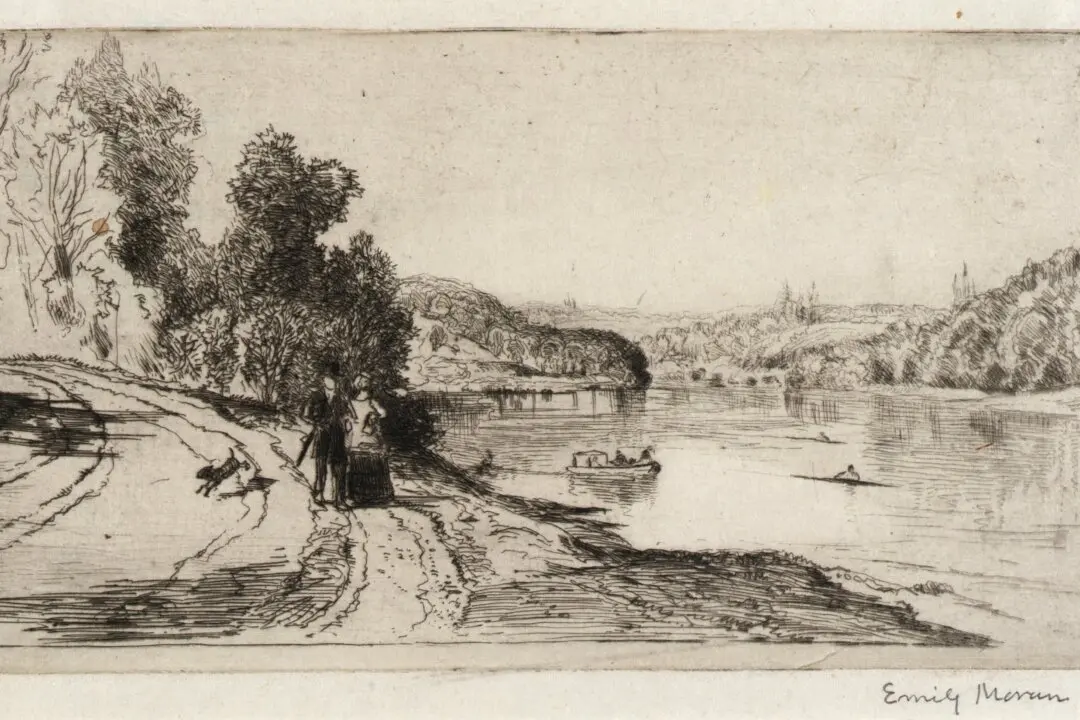
Although he was an excellent painter, Peter’s two favorite forms of art were sketching and etching. Sketching is easy enough to understand. The artist uses pencils to create a monochromatic likeness of a subject, rather than the colorful palette of paints.Etching is an art related to the process of printing and lithography. It might seem strange that Moran disliked lithography enough to leave his apprenticeship, only to make etching his lifework. While similar, the two techniques are quite different in their execution and results.
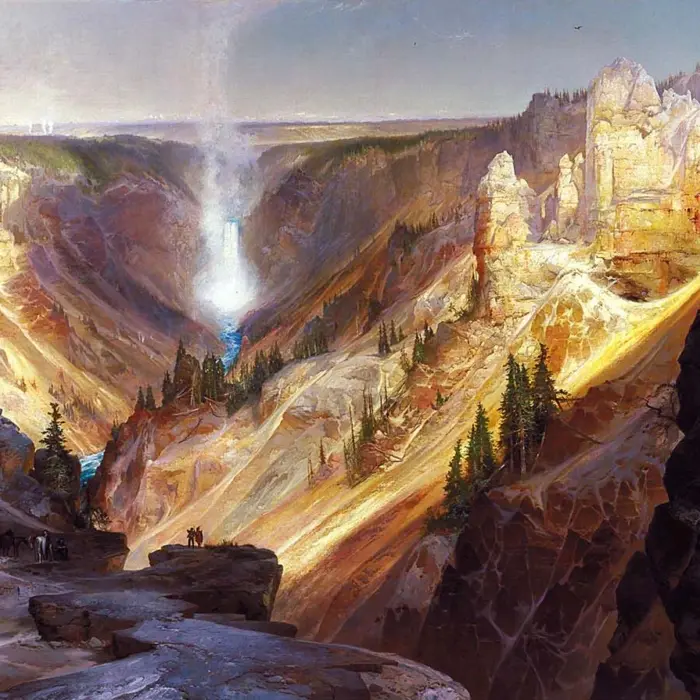

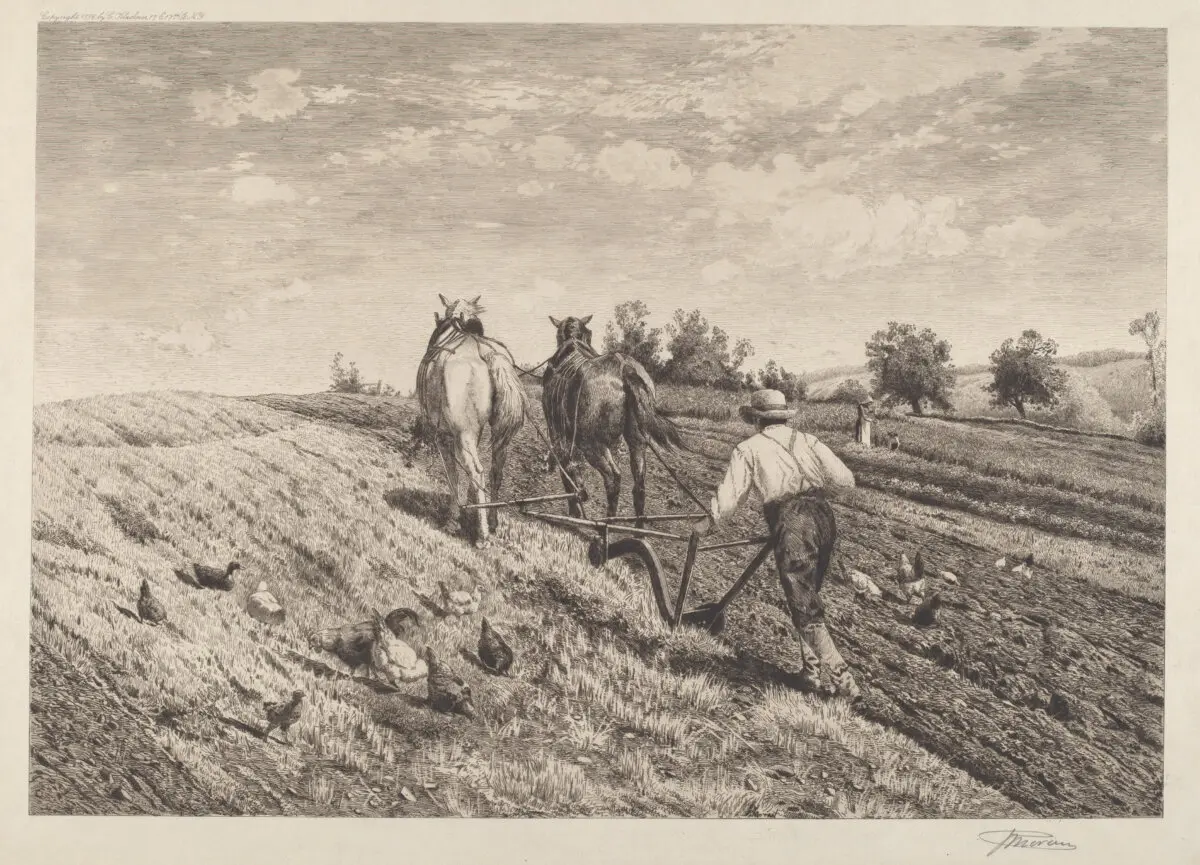
Lithography is a method of planographic printing based on the repulsion of oil and water; an image is drawn on a piece of limestone, which becomes the plate for the press. In contrast, etching is a method of intaglio printing, meaning that the image is incised into a plate with a sharp tool. Once an image has been etched onto a plate, it can be filled with ink and used hundreds of times to produce multiple prints of the same picture.
Moran began etching in 1875. He was a leader in the growing etching movement in Philadelphia in the 1880s, as well as a prolific and accomplished etcher himself. He was one of the founders of the Philadelphia Society of Etchers and remained its president from its founding in 1880 until it became inactive in 1903.
Etching Animals
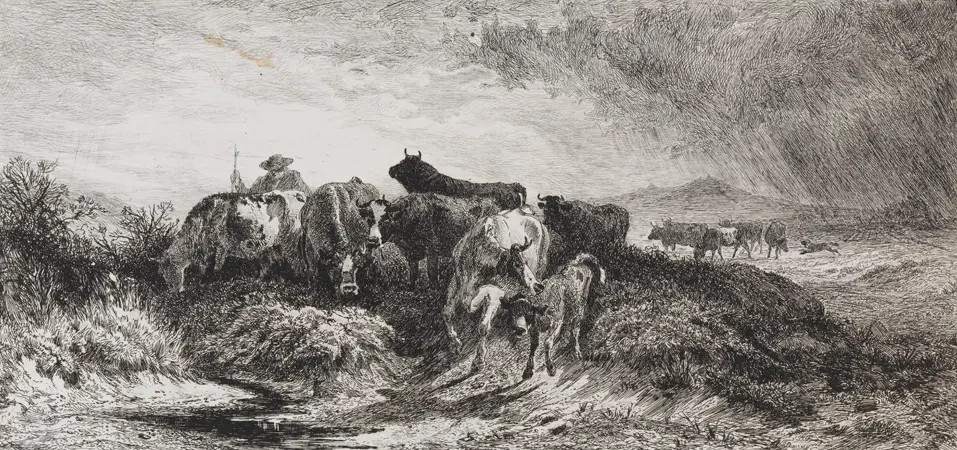
While his brother Thomas is best known for landscapes, and brother Edward is remembered for his maritime paintings, Peter made his reputation by drawing animals.He specialized in cows and depicted over 40 etchings of cattle in various scenes between 1875 and 1896. Although he spent most of his life living in the city, Peter gathered inspiration for some of his most famous works from trips out west.
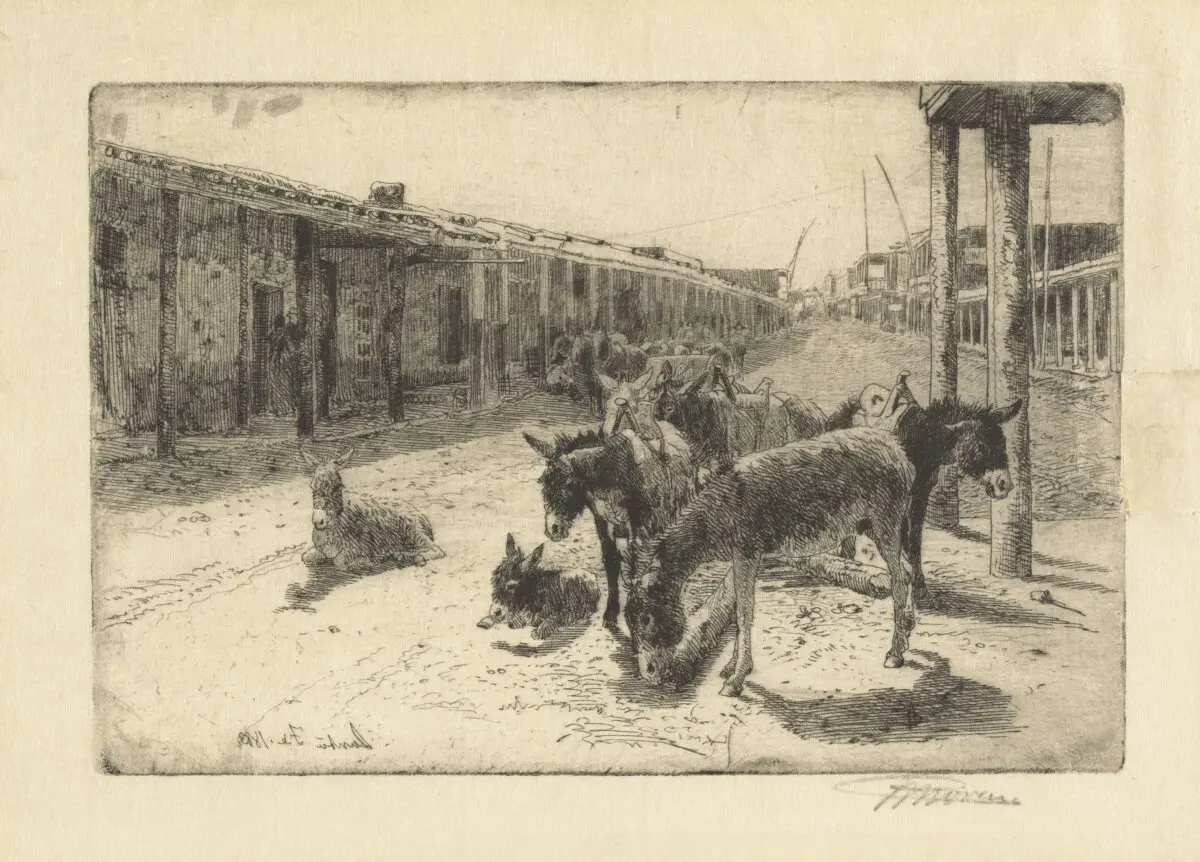
In 1879, he and Thomas went to Wyoming. In 1880, Peter traveled to New Mexico, where he would return the next year and possibly the one after that, too.
As he traveled throughout the American Southwest, he sketched dozens of images of the wildlife, scenery, and native people. When he returned to his studio in Philadelphia, he turned these sketches into paintings and etchings.
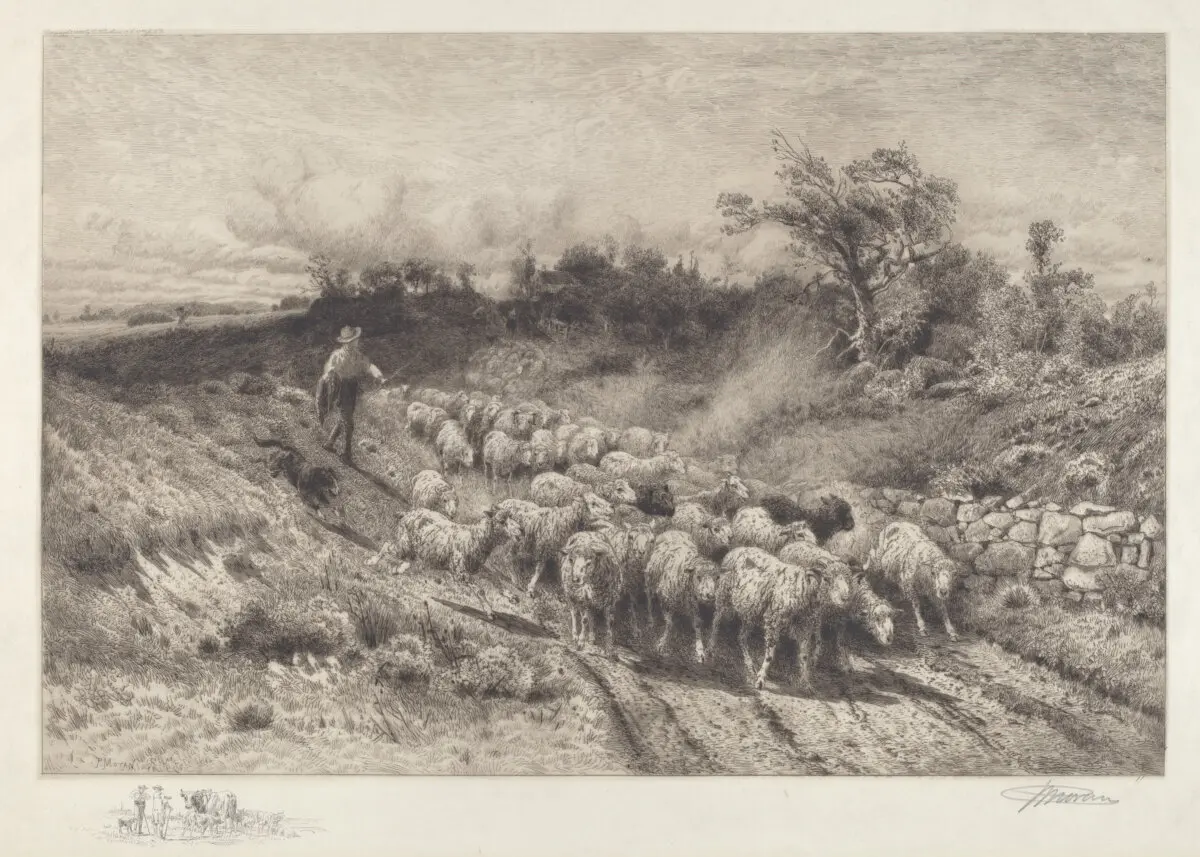
Moran is considered one of the first artists to create an extensive catalogue of this region through art. His etchings of domestic animals in natural settings are so detailed and realistic that they look like black-and-white photographs at first glance. Nevertheless, his paintings of animals, such as “The Lowing Herd,” show that he had equal skill with brushes.
Etching a Legacy
Moran left a legacy of etching in Philadelphia that lasted beyond his own lifetime. He was a respected teacher who taught classes in “landscape in oil and watercolor,” “still life,” and “etching and composition” at the Philadelphia School of Design for Women from 1875 until 1896. Among his students was his own wife, Emily Kelley Moran (1841–1903), who became an acclaimed painter and etcher in her own right.At the 1876 Centennial Exhibition, he won a medal for his 37 etchings and another medal for his oil painting “The Return of the Herd.” Moran produced numerous prints of his etchings, including copies of his paintings, during his life.
However, the printing didn’t cease when he died. Many of his etching plates survived him, so new prints of his most popular works continued to be struck posthumously.
Through his depiction of quaint scenes of nature, wildlife, and domestic animals, Peter Moran etched an enduring picture of the heart of America.