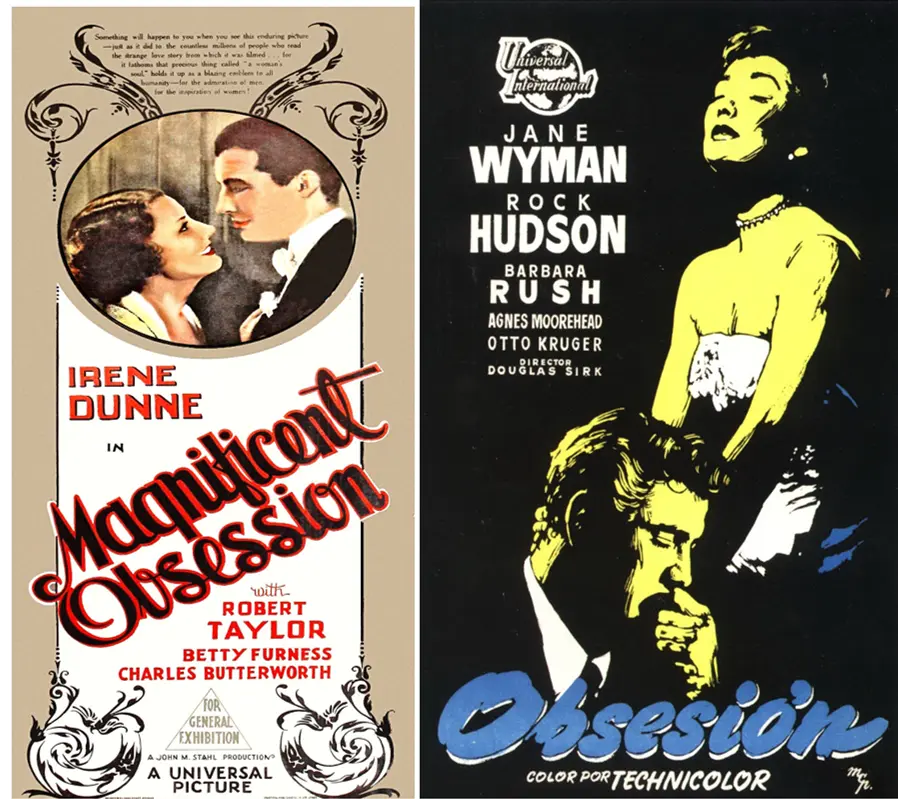
The proverb “It’s better to give than to receive” is the theme of two inspiring melodramas made during the Golden Era of Hollywood. Although their cinematic styles are very different, these movies made two decades apart extol the same principle of the blessings one receives by doing for others.
Lloyd C. Douglas wrote “Magnificent Obsession” in 1929. This bestseller reminded readers of the eternal truth that it’s not what we do for ourselves but what we do for others that matters in life.
‘Magnificent Obsession’ (1935)
Helen (Irene Dunne), the new bride of a much older Dr. Hudson (not seen), joyfully welcomes her stepdaughter, Joyce (Betty Furness), back home to celebrate their wedding. They receive the tragic news that Dr. Hudson had a medical incident while swimming. He couldn’t be revived because the rescue team’s one resuscitator was being used for alcoholic playboy Bob Merrick (Robert Taylor), who’d had a boating accident.Helen and Joyce work with head nurse Nancy (Sara Haden) to put the hospital affairs of Dr. Hudson in order. Meanwhile, Bob meets Helen and is immediately smitten. However, he’s wracked with guilt when he realizes that she’s the widow of the great man who died so he could live.
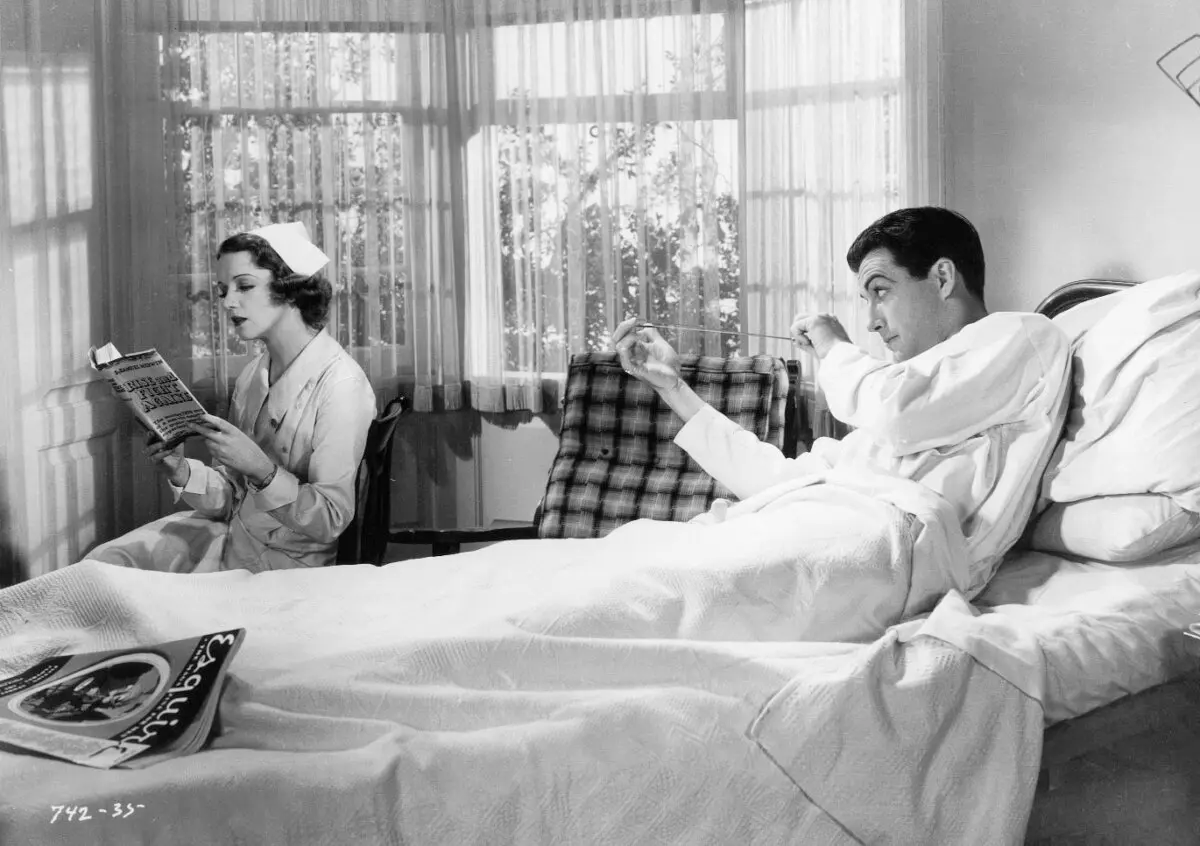
‘Magnificent Obsession’ (1954)
The 1950s remake followed basically the same story while drawing some different plot points from the book and adding some new ideas. This film starts by showing the boating accident that nearly costs reckless young playboy Bob Merrick (Rock Hudson) his life.This time, the conflict is heightened by the fact that the lifesaving equipment belonged to Dr. Philips since he had a chronic heart condition.

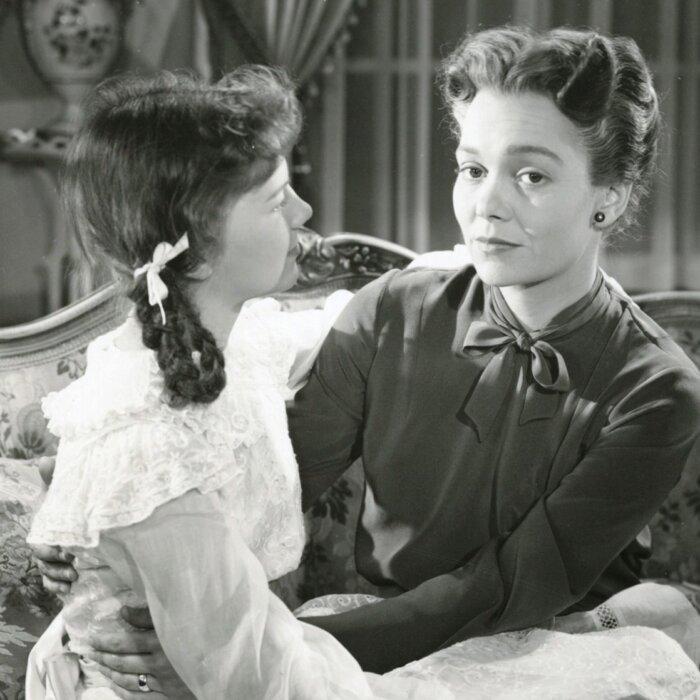
Then, the focus shifts to the widowed Helen (Jane Wyman) as she tries to rebuild her life with the help of her stepdaughter, Joyce (Barbara Rush). The story plays out similarly, as Bob deals with guilt, rebellion, and a strange attraction to the woman whose husband’s death he inadvertently caused.
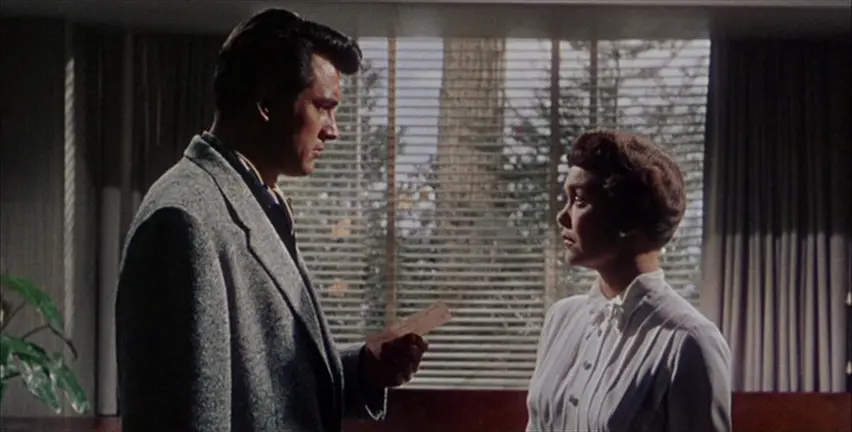
This version adds another layer to Bob’s character. He was once a medical student but abandoned that noble profession for a life of dissipation.
The Secret of Happiness
Both films focus on a mysterious key to success and ultimately secret of happiness that the late doctor relied on. This transformative way of living comes from the book, but its presentation is very different cure to happiness.In both films, Merrick learns about the doctor’s formula for living life fully. from a man named Randolph (played by Ralph Morgan in 1935 and Otto Kruger in 1954). He’s an artist, a sculptor in the original and a painter in the remake, who was a very good friend of the doctor.
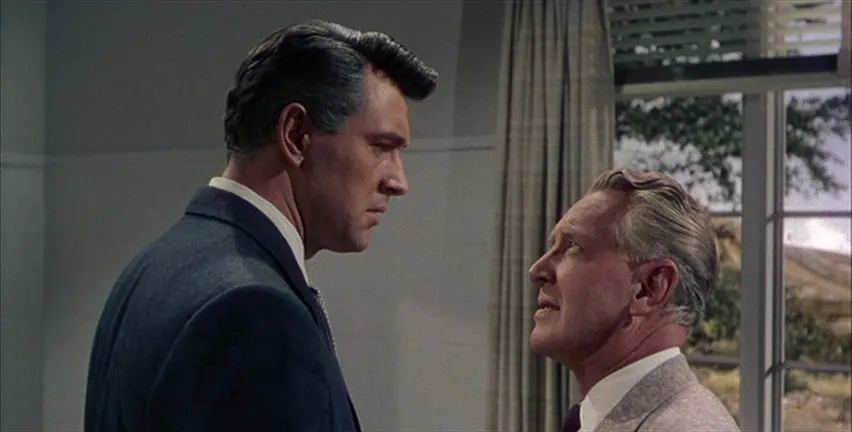
Merrick stumbles upon Randolph’s house by chance during a drunken binge and enjoys his hospitality for the night. The next morning, the hungover but humbler young man shares a deep conversation with the wise older man.
This conversation is the pivotal point in both films. In it, Randolph explains the technique of achieving one’s full potential by connecting to the “supreme power,” a technique the doctor taught him.
A Message of Generosity
Although the scenes are very similar, the 1935 scene is more powerful. While Randolph presents the philosophy to Helen earlier in the 1954 movie, the first time we hear about it in the original is when he explains the concept to Merrick as he nurses his hangover.When Merrick is confused by the whole principle, Randolph calmly shows him a book that explains the entire idea on one page. When Merrick notices that it’s the Bible, his attitude noticeably changes, and he declares that he’s not very interested in religion. Randolph simply responds:
“Neither am I, but I am interested in a man whose life is recounted here by those who knew him. It was he who originated this science of generating human power. And so successfully did he practice it that he’s more alive today, burning in the hearts of men, than he was over 1900 years ago.”
This scene is one of the most poignant film sequences about following Jesus Christ without being overtly religious, although no name for Jesus or God is mentioned.
These films’ plots unfold as Bob tries to put the works of Randolph’s explanation into practice without the spirit behind it. He tries to use the action of “helping others” as a magic lamp he can rub to get what he wants. Through a random coincidence, he sees enough proof to believe that the trick works.
In a matter of moments, though, his self-centered actions cause a horrible accident to befall Helen. As he sees the woman he’s grown to love left blind, he finally is cured of his reckless, destructive lifestyle.
Both films tell this story beautifully. Each is an example of visual storytelling and compelling acting. Since they were made 20 years apart, the cinematic styles are very different. Whether you prefer the simple storytelling of the 1930s or the colorful emotionalism of the 1950s, you’ll be inspired by the “magnificent obsession” of helping others.