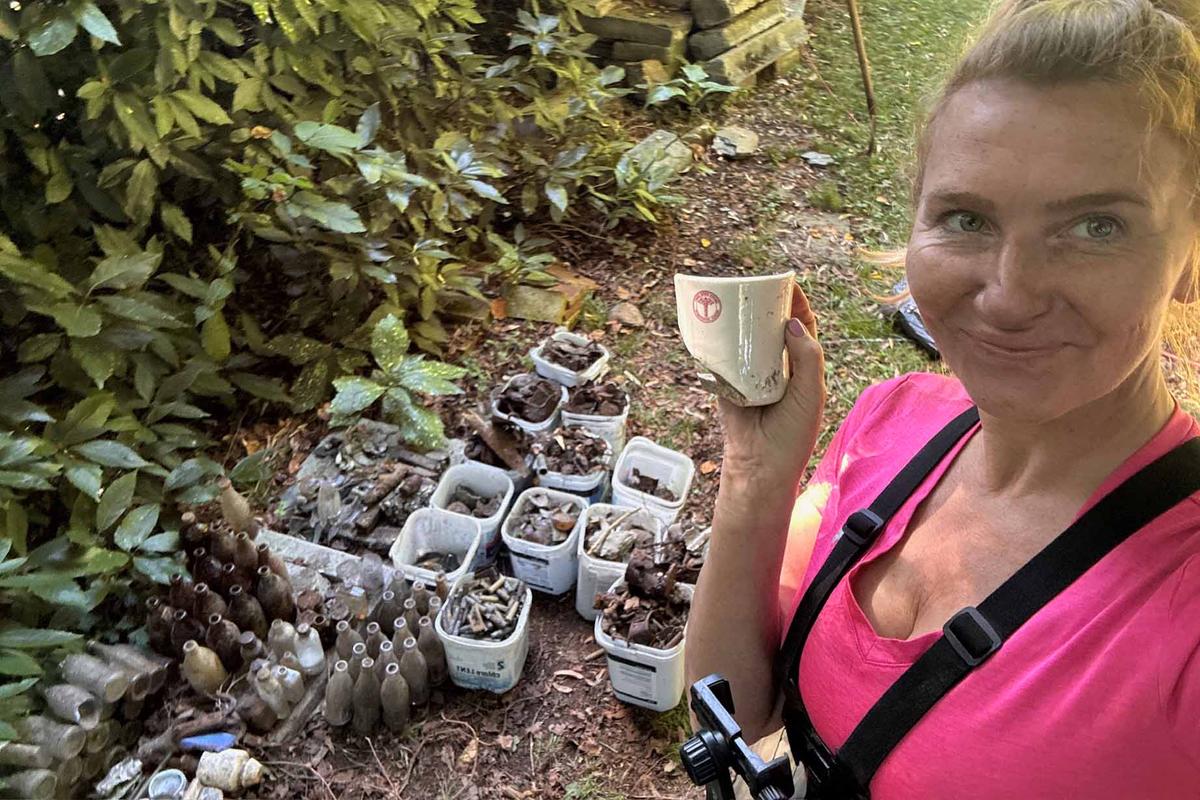
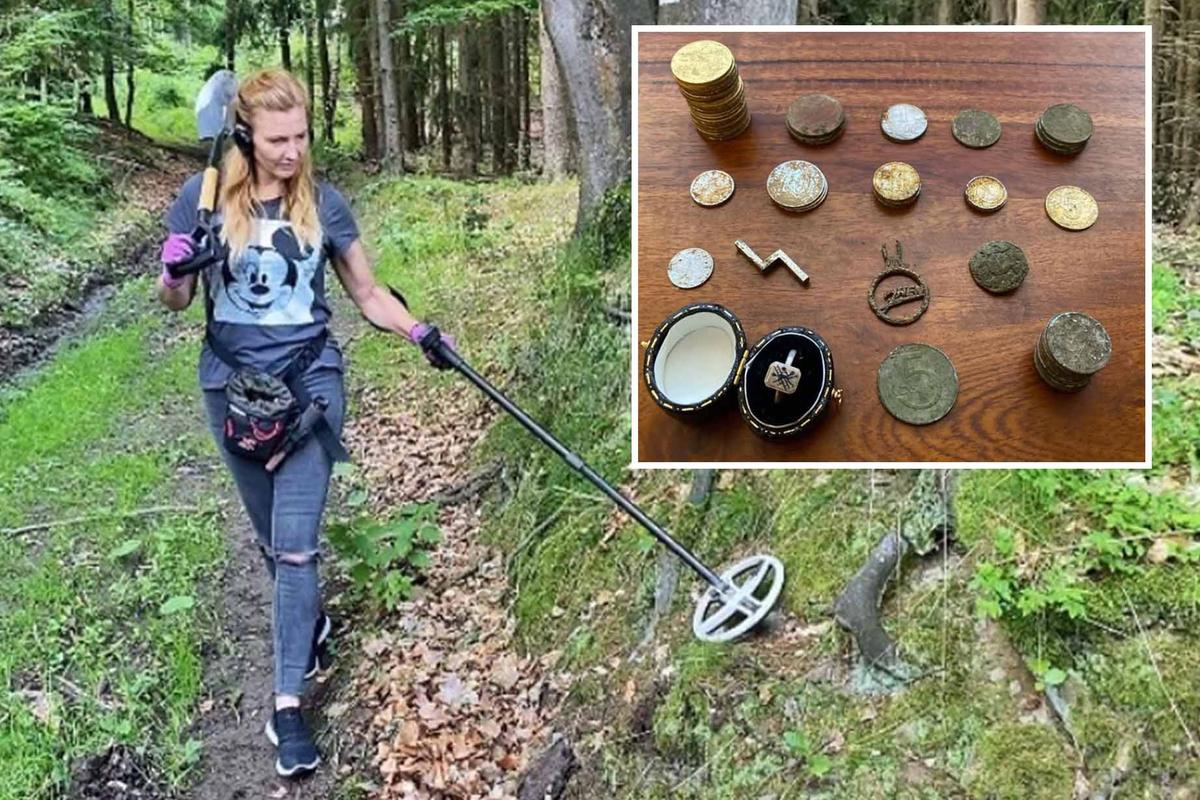
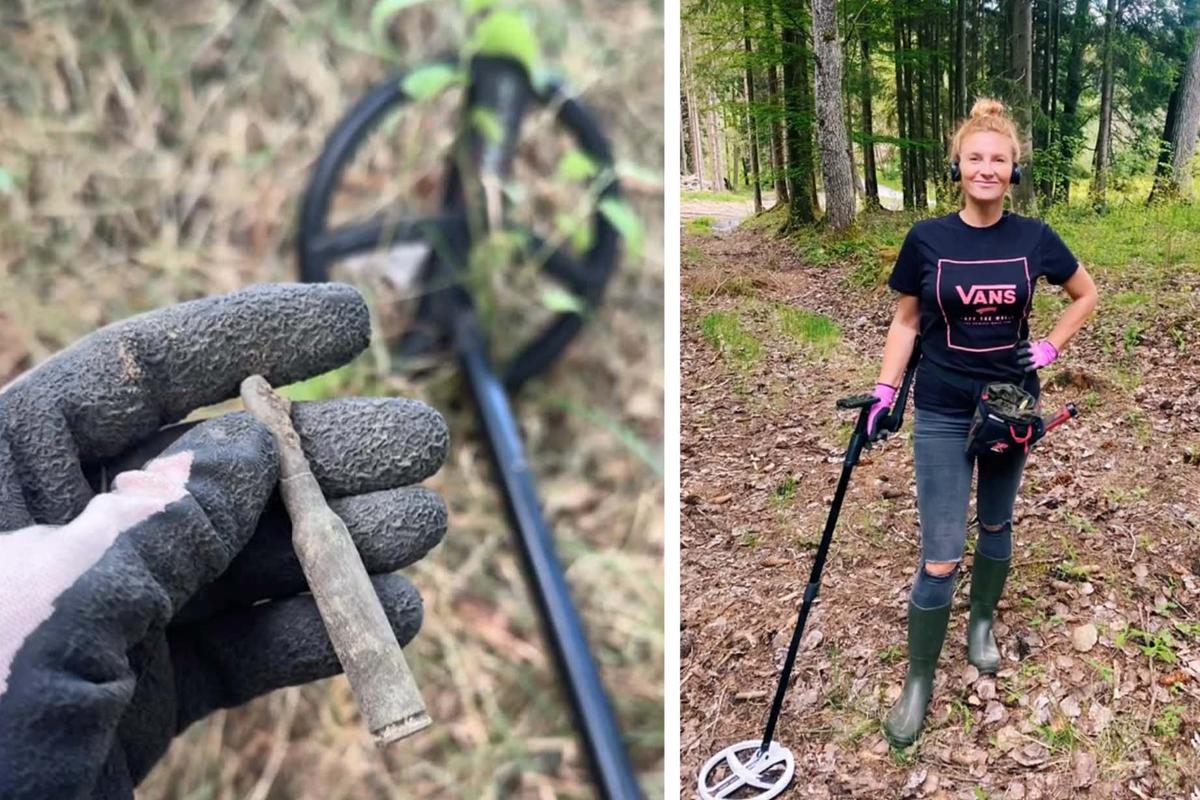
Gabriela Bernatova collects corroded bullet casings, rusty war relics, and empty glass Coke bottles from the 1940s while scanning the mountain forests of western Czechia with her metal detector.
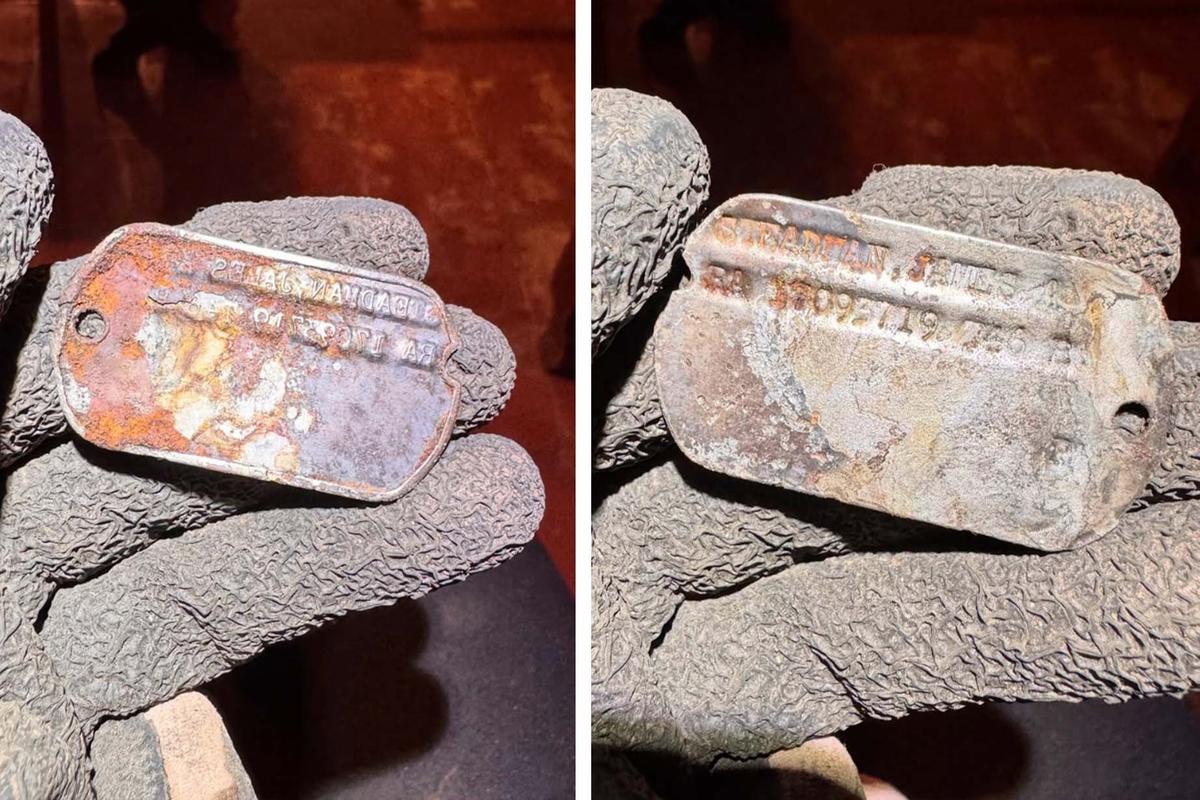
Last fall, she learned about an American soldier who fought during World War II after she detected a pair of lost dog tags while visiting northern Italy.
“I could clearly read the information engraved on it, including that the soldier had received a tetanus vaccination in 1946,” Bernatova, 44, told The Epoch Times. “I assume the soldier may have discarded them before leaving the area; that is only a theory.”
The avid detectorist says his name was James Steadman, reading off the letters imprinted on the worn steel plates through a patina of oxidization. The letter “A” denoted his religious affiliation—Protestant—while the designation “RA” meant “Regular Army.” He was otherwise identified as “17093719 T46 B,” the tags read.
“His service number is a unique personal identification number assigned to each enlisted soldier,” Bernatova said, adding that “T46” represents the year he was vaccinated and that “B denotes his blood type, in this case type B.”
“What was his experience during his mission in northern Italy after World War II?” she wondered. “Was someone waiting for him back home?”
Lately, Bernatova has been putting out the word on Facebook and through her Instagram handle, Detector Lady, hoping to track down Steadman’s family so she might reach out and return one of the tags. The other she wants the villa to have for an exhibit in its planned new museum.
For Bernatova, who grew up near the Czech Republic’s western border near Germany, memories of her childhood home are filled with romps into the forests where bunkers from World War II are everywhere. “We used them as our playgrounds,” she said, recalling excursions to collect “sklíčka”—or bits of old glass or ceramic buttons, often decorated with hunting scenes or religious motifs.
“As a child, I often heard stories about hidden treasures left behind by Sudeten Germans who were expelled back to Germany after the war,” she said. “One day, while picking mushrooms, I discovered a place where there were plenty of these little treasures. From then on, I spent almost every weekend in the forest searching for these glass glass ‘gems.’”
The Sudetenland was a predominantly ethnic German part of Czechia where Hitler’s army initiated his second expansion (after annexing Austria) before many subsequent invasions throughout the war, though it’s now become a play place for children. It’s also filled with small wartime artifacts that have spurred adventurers, like Bernatova, to take up metal detecting.
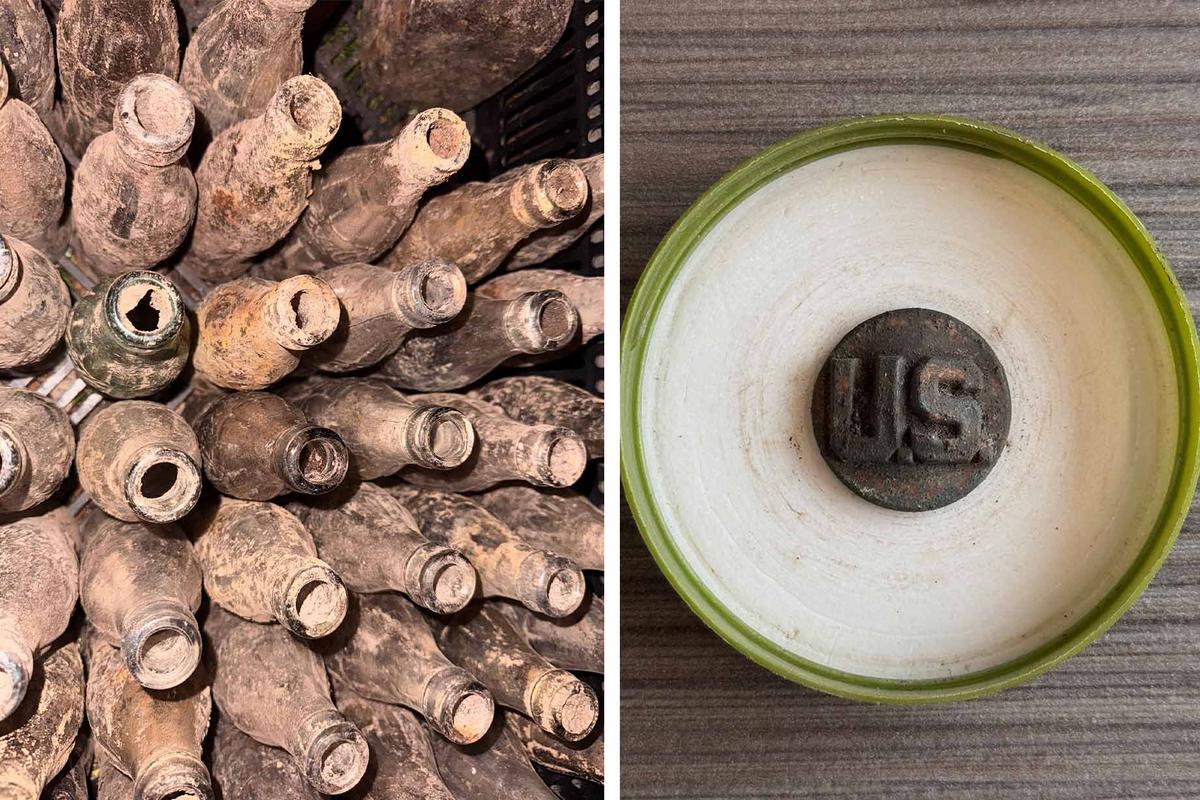
She'd heard word “metal detector” as a young girl though it faded from her mind for years, until the COVID-19 pandemic happened. Bernatova, a mom by now, was desperate to breathe the fresh air of the mountains again. The metal detector she ended up using was originally a Christmas present for her kids (which they ignored in favor of novels). She’s been detecting ever since then.
“I completely fell in love with this hobby,” she said.
Now, when she isn’t busy on business trips across Europe and to Asia—where she helps clients in the manufacturing industry to expand their sales on Amazon—she is collecting the occasional “SS” pin and war-era dagger as her pastime. She’s found countless crucifixes and military badges.
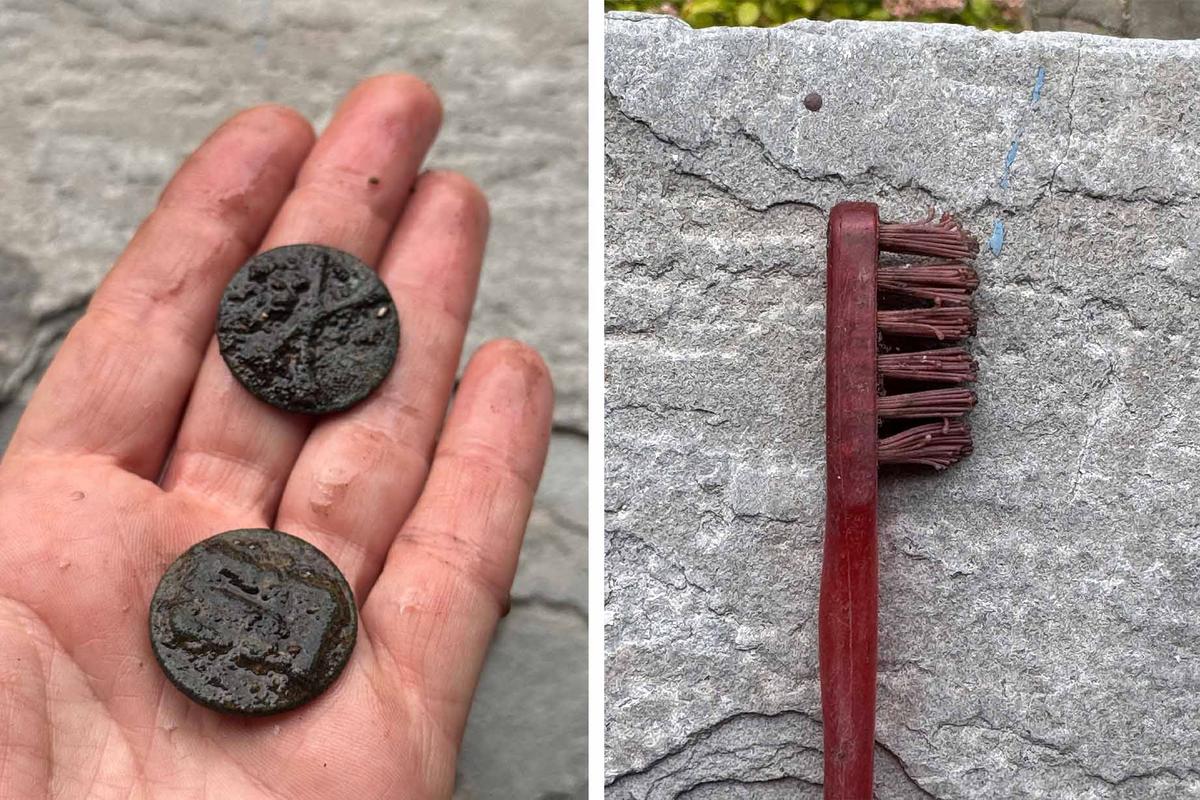
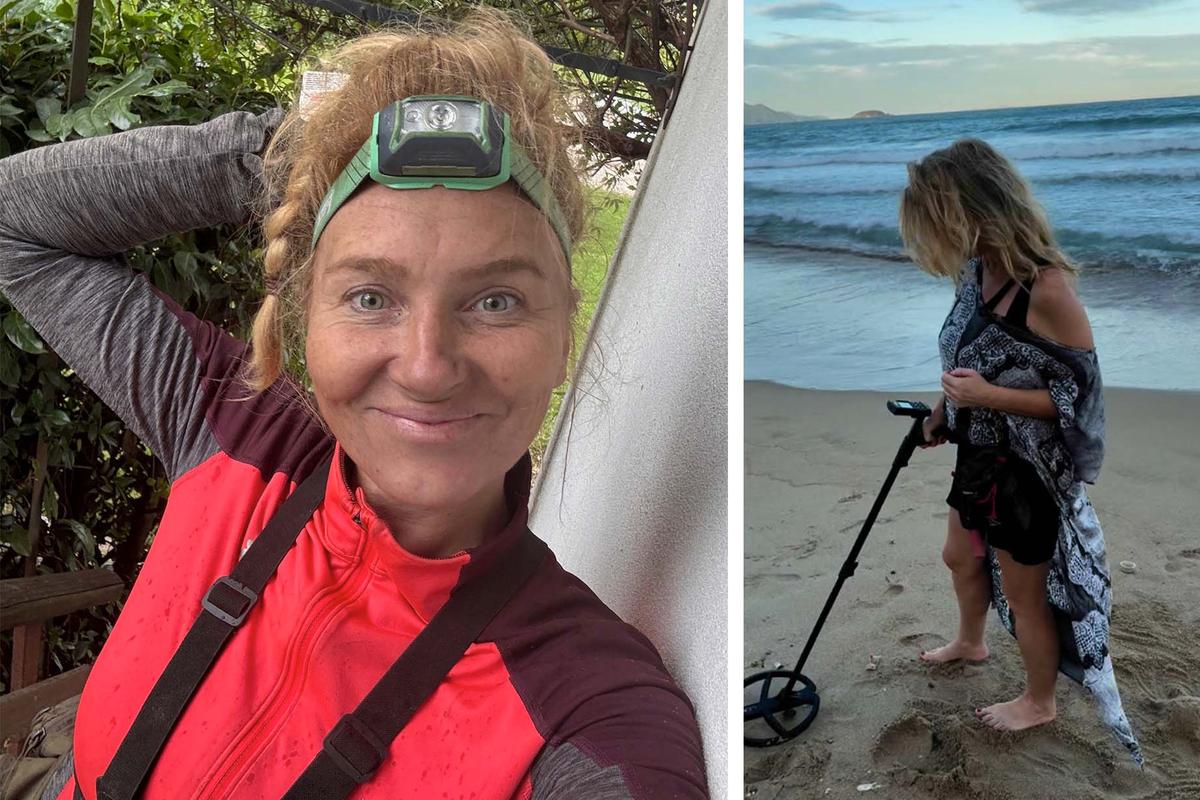
“This kind of work gives me the freedom to travel and also to pursue my passion, which is history,” she said. “I love studying our history, collecting old coins, exploring places with a metal detector, and uncovering the stories and fascinating places.”
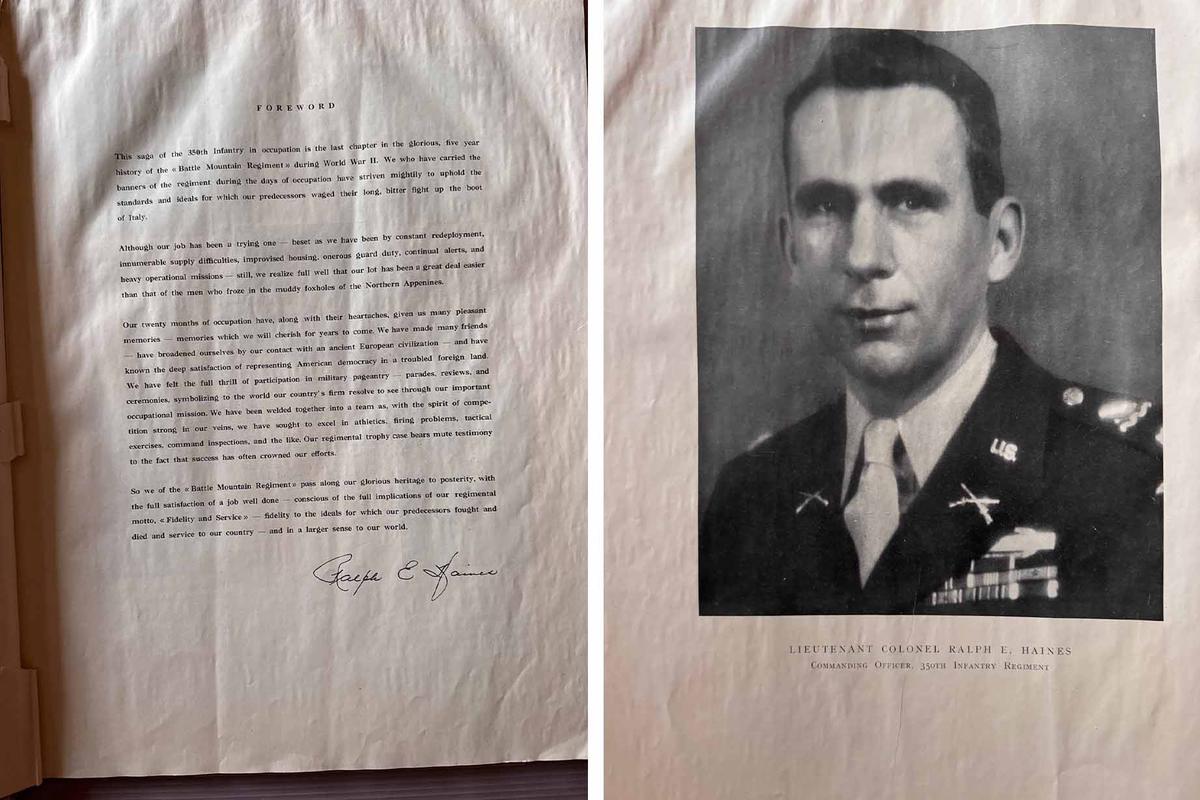
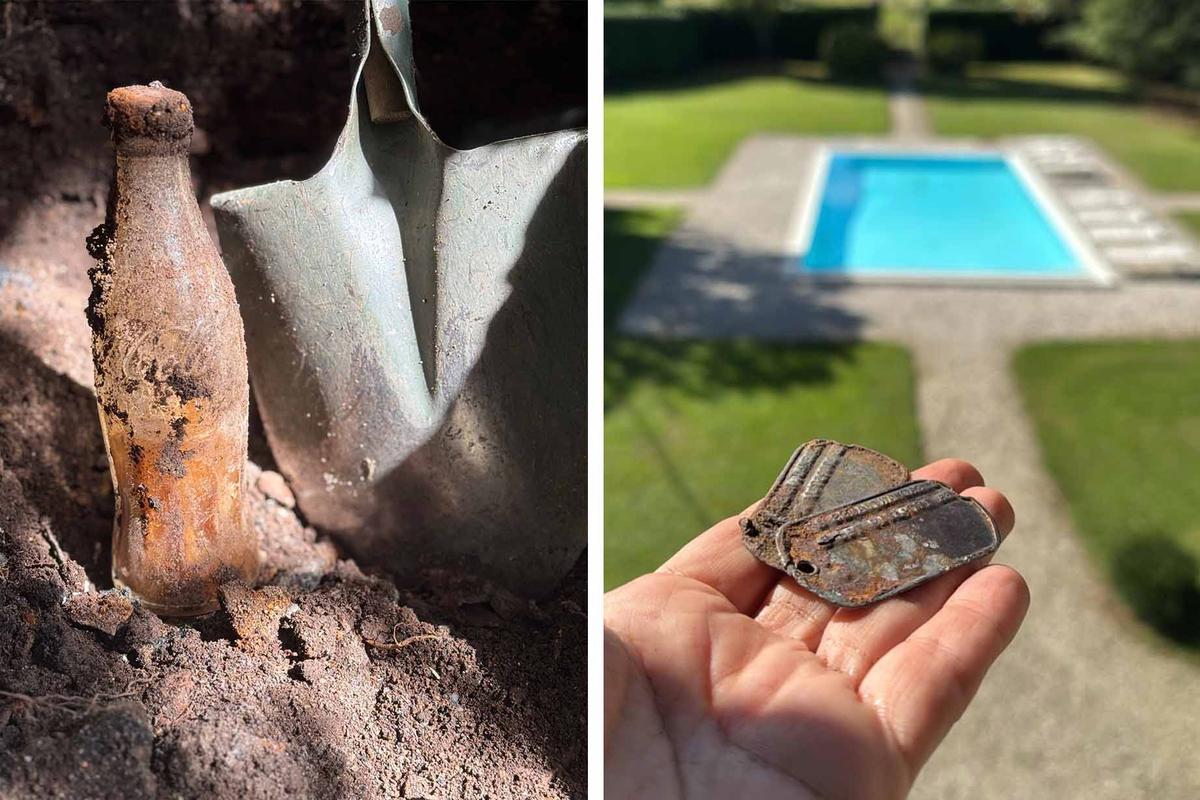
Through scouring historical records she has learned about a U.S. Army division that was stationed at the estate at that time, though she admits there’s no guarantee Steadman served among its units. After the war, a veteran from the 350th Infantry, as part of 88th Division, did return to the estate where he was stationed and presented a book documenting the infantry’s service.
So far, though, Bernatova’s efforts to locate James Steadman’s surviving family have been unsuccessful, despite her network of international contacts. They’ve found no official records that match his service number. It’s possible, she says, that old U.S. Army documents are routinely destroyed and that his records may no longer exist.
“However, I’m not giving up,” she said. “I truly hope that by continuing to share this story, someone who reads or sees it might recognize the name James Steadman and contact me with any information that could help reconnect his memory with his family.”