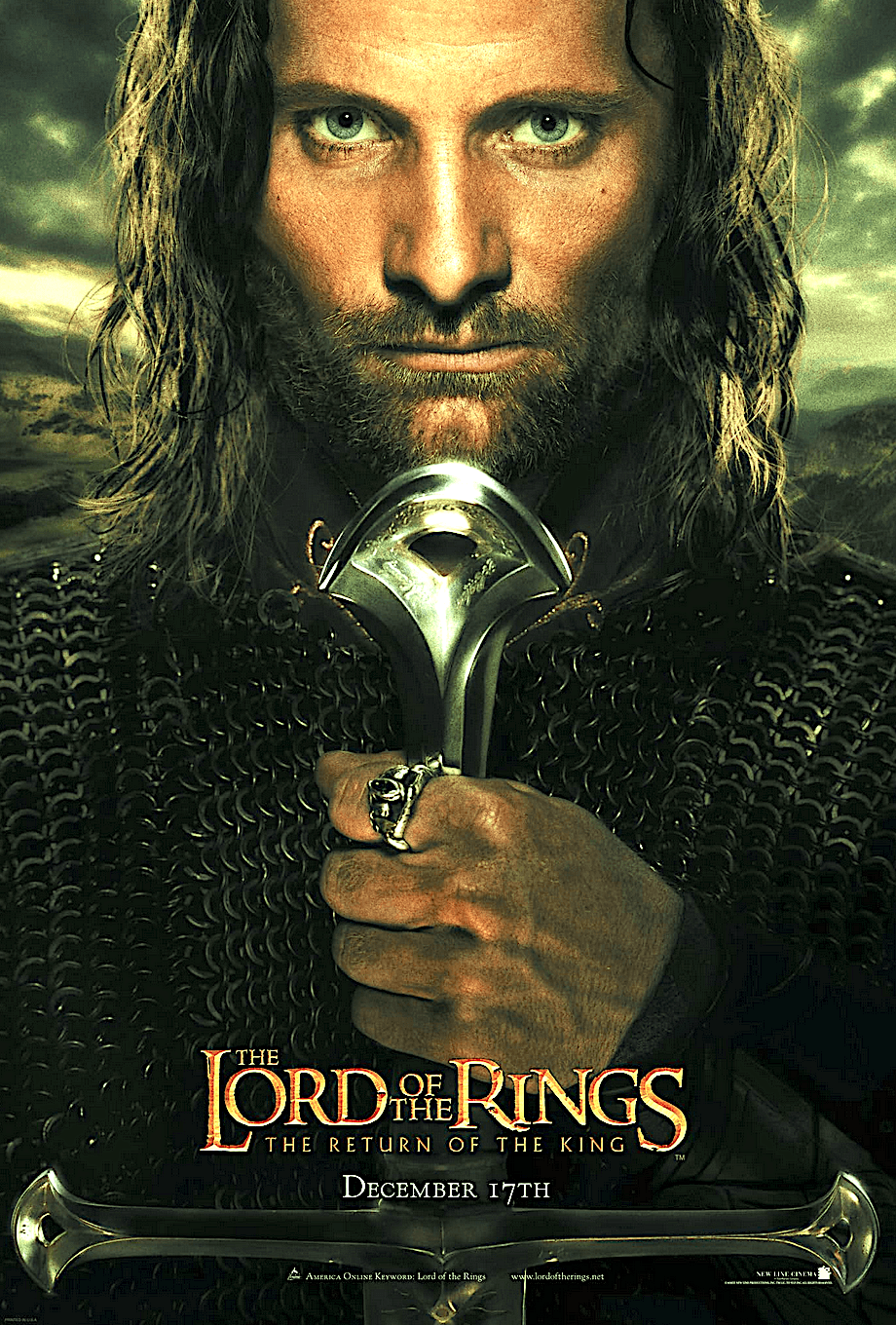
PG-13 | 4h 23m (extended version time) | Fantasy, Adventure, Action | 2026 re-release
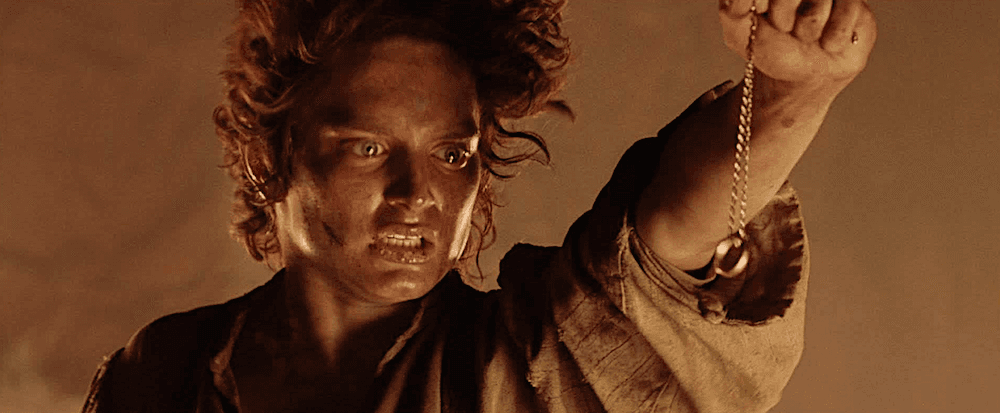
Most also know that despite his best intentions, Frodo had grown too weak and addicted to the ring’s power, in the end, to be able to throw it into the volcano, of his own volition. It took Gollum’s biting Frodo’s finger off and falling off a precipice into the hot lava by mistake to get the job done.
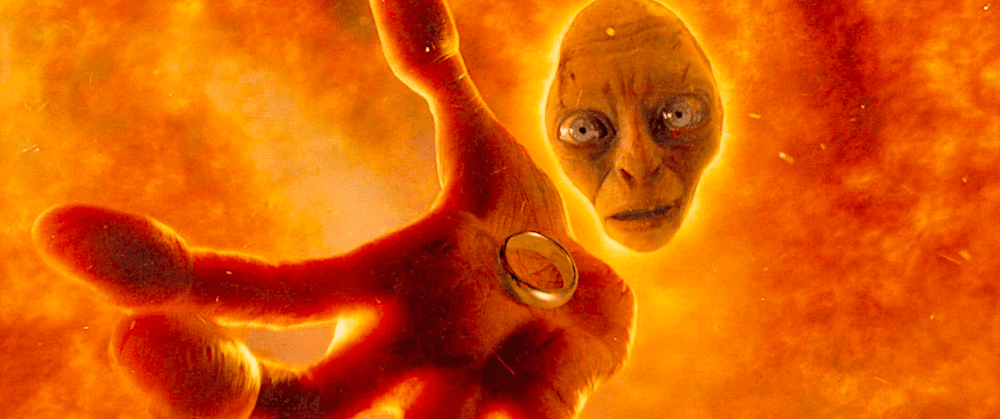
It’s good to remember that Frodo needed to develop mercy for Gollum. Gollum was his Mordor spirit guide, his shadow, his doppelgänger, who was necessary to Frodo’s walking of the path of emancipation from Middle Earth.
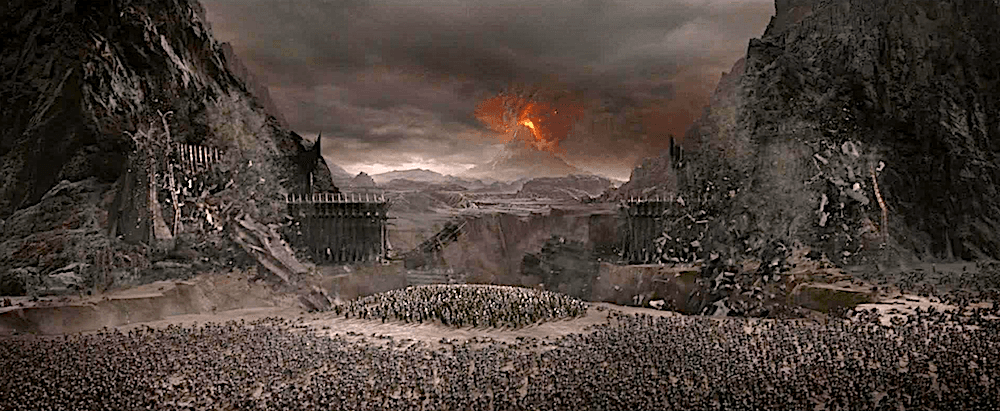
Transformed Into Gollums
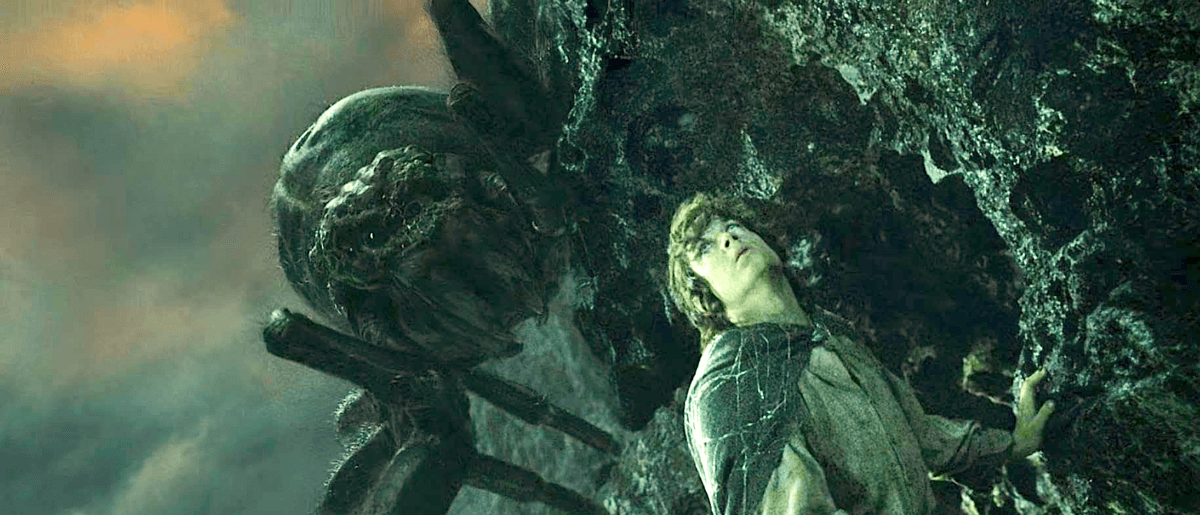
In my review of “The Fellowship of the Ring,” I noted that we all currently possess the One Ring, and are in turn, possessed by it—our cell phones. Like the One Ring, our phones track us, read our minds, and enslave us in the darkness of low-morality digital content. We’ve become universally mesmerized by the nonstop Instagram and Facebook torrent of Hobbesian, fight-of-all-against-all hater texts, instant porn, the nauseating metaphorical Shelob’s lairs filled with Orc bones that exist on the dark web, and the mindless game-playing. Dark web, giant spider—was there ever a more fitting analogy and pun-intended? We now live, unwittingly, “in the land of Mordor, where the shadows lie”—our collective minds have been shackled there. Who is doing the shackling? More on that later.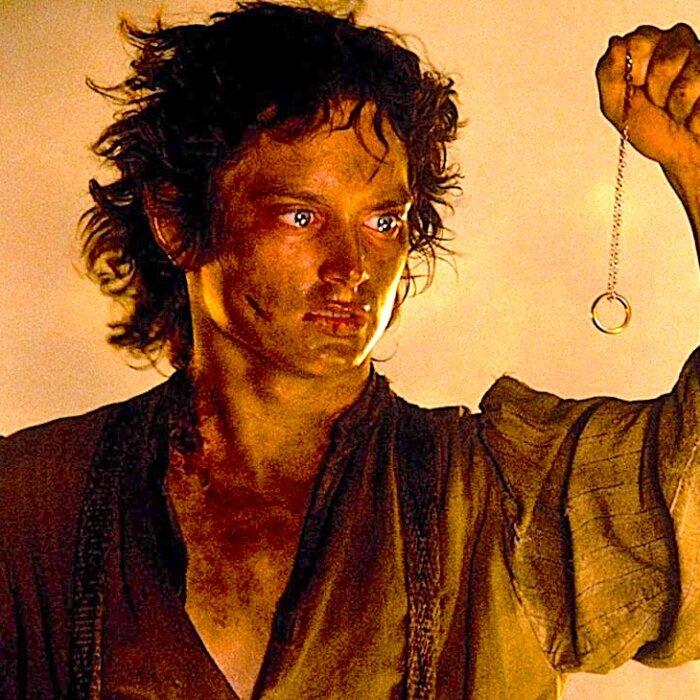
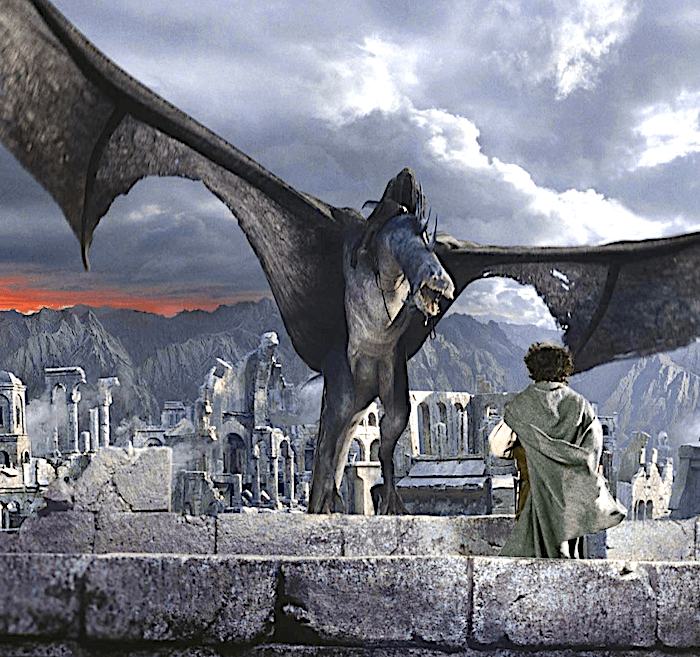
In that article, I forgot to mention one more important parallel between cell phones and the One Ring, namely—the Rings’ ability to make its wearer invisible. Consider that smartphones can make a person “invisible” by creating a personal bubble of solitude amid crowds. People become mentally elsewhere and absent from the shared public experience by engaging with digital content rather than their physical environments.
Technologically, the phone data-masks its user’s presence and identity to others nearby—interactions occur on a screen, rather than through direct, visible communication, and thus creates a state of perceived invisibility in social situations.
Quick Recap From the Gollum Perspective
“The Return of the King” begins with the proto-hobbit Déagol (Thomas Robins) discovering the evil One Ring at the bottom of a river while fishing with his cousin Sméagol (Andy Serkis). The Ring immediately ensnares Sméagol’s mind, and he kills Déagol for it. Corrupted physically, mentally, and spiritually, he creeps into the cave systems beneath the Misty Mountains and becomes, henceforth, known as Gollum.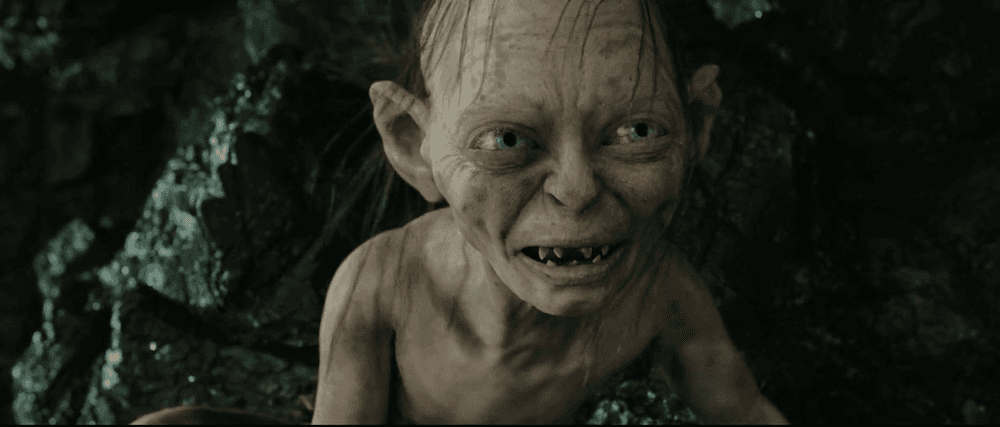
He was known to climb trees and enter nursery windows and steal babies from cribs. That will undoubtedly be depicted in Andy Serkis’s upcoming feature film, “The Hunt for Gollum,” for which Ian McKellen and Elijah Wood will be returning.
Centuries later, ring-bearer Frodo (Elijah Wood), accompanied by his former gardener-turned-protector Samwise Gamgee (Sean Astin), continue their dark journey, begun in the previous two movies, towards the land of Mordor. They are unaware that the treacherous Gollum, who eventually tracks them down and becomes their trail guide, schemes to betray them and steal back the Ring—his long-lost “Precious.”
Occasionally, the Films Beat the Books
One of my favorite scenes in the movie involves the city of Gondor’s elitist, sniveling steward, Denethor (a brilliant, scene-stealing John Noble). He’s Gondor’s steward because the line of Kings apparently died out. Or did they? Why’s the title “The Return of the King?”Chief elf Elrond gives the ranger Aragorn his birthright—the sword Narsil—reforged from the shattered shards of his forefather Elendil’s sword, Anduril. Elendil was king of Gondor. Elrond, in no uncertain terms, urges Aragorn to go reclaim Gondor’s throne.
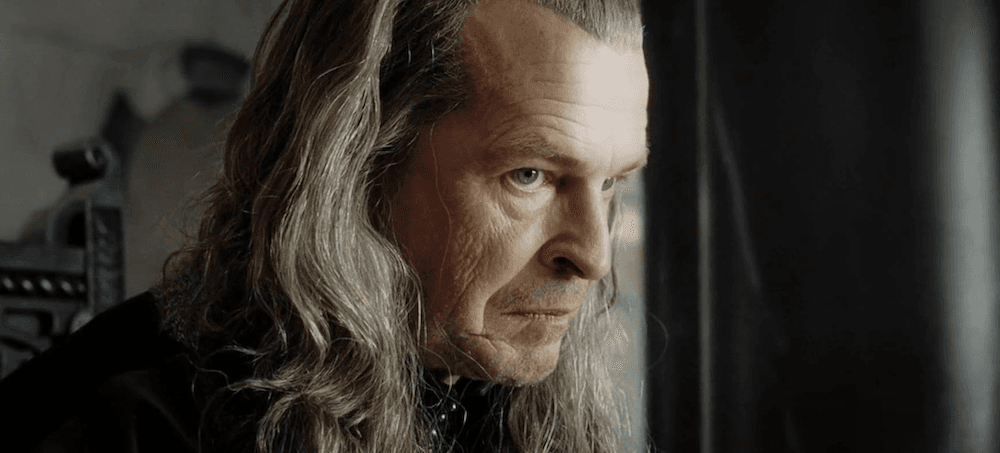
Though Gandalf rescues Faramir, Denethor will not to be denied a dramatic exit. He sets himself ablaze regardless. Not realizing it was going to actually hurt a lot, he sets a scorching record in the 100-meter dash and goes flailing and shrieking into the abyss off the mile-high upper citadel of Gondor’s Minas Tirith. Tremendously satisfying and wickedly comedic.
That wasn’t Tolkien’s idea—it was Peter Jackson’s, and is one of many ways the movies actually improve on the books, which I never thought possible.
Conclusion
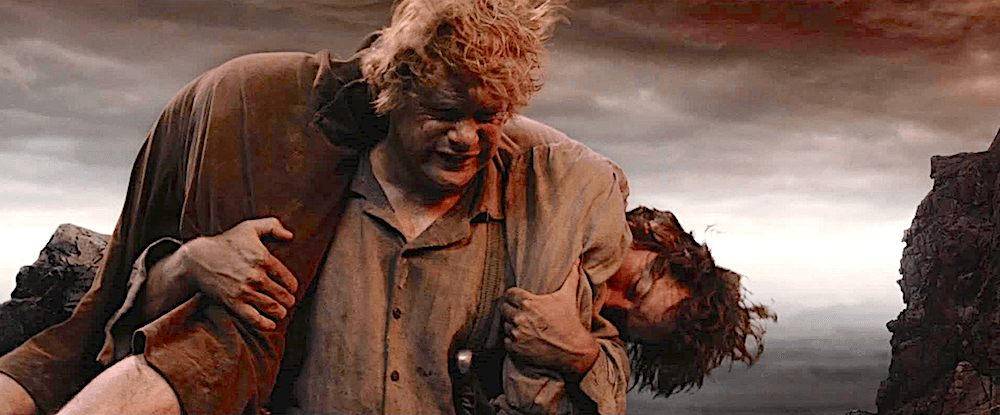
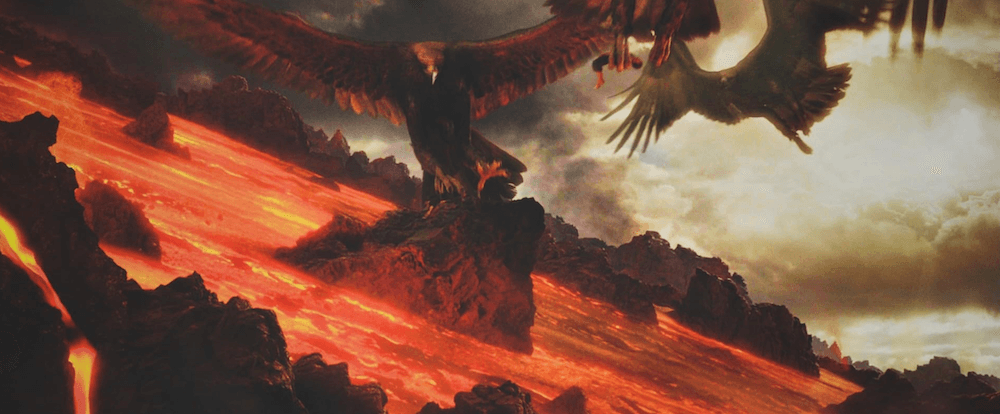
Will Aragorn march on Mordor to distract Sauron from noticing Frodo and Sam inching ever closer to Mount Doom? Will Aragorn and the Army of the Dead overcome Sauron’s forces? Will Gandalf and the giant eagles rescue Frodo and Sam from the flowing lava of the erupting Mount Doom?
Four years later, will Frodo, still suffering from trauma and a wound inflicted by the Witch-king of Angmar, leave Middle-Earth with his uncle Bilbo, Gandalf, and the remaining Elves for the Undying Lands? Is this perhaps a metaphor for spiritual enlightenment?
Awards
The film was acclaimed by critics and audiences, who considered it a landmark in filmmaking, as well as in the fantasy genre, and a satisfying conclusion to the trilogy. There was praise all around for the screenplay, direction, performances, action sequences, visual effects, musical score, costume and set design, emotional depth, scope, and story.Like the previous films in the trilogy, “The Return of the King” is widely recognized as one of the greatest and most influential films ever made. It grossed $1.1 billion worldwide, became the highest-grossing film of 2003, and was the second-highest-grossing film of all time during its run.
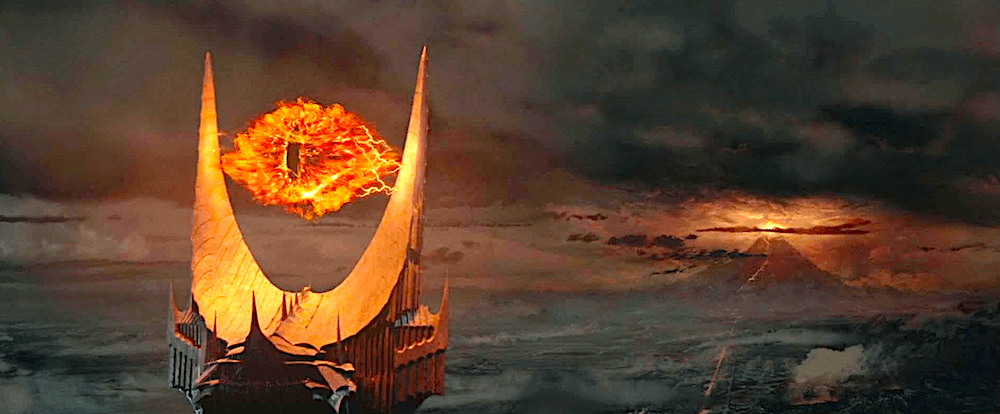
The Specter of Sauron
The Lord of the Rings’s Sauron and his horcrux—the One Ring—are really the embodiment of what The Epoch Times staff have dubbed “The Specter of Communism.” It’s beyond the scope of this review to talk about the parallels between Sauron’s intentions to enslave all of Middle Earth, and the Specter of Communism’s intention to enslave and destroy all of humanity, but it’s food for thought, and something to keep in mind while enjoying the “The Lord of the Rings” 25th anniversary.