On Aug. 10, the Musée du Louvre, commonly known as “the Louvre,” celebrates its 233rd anniversary as a public museum in Paris. Although millions of visitors flock to its galleries each year, few realize that its history stretches back centuries before it became the world’s most visited art museum.
The Louvre traces its origins to around 1190, when France’s King Philip II ordered its construction, not as a museum, but as a fortress to defend Paris against attackers. Built on the Right Bank of the Seine River, the massive stone stronghold featured thick walls, towers, and a central keep. As Paris expanded and the city’s defenses shifted, the fortress gradually lost its military importance.
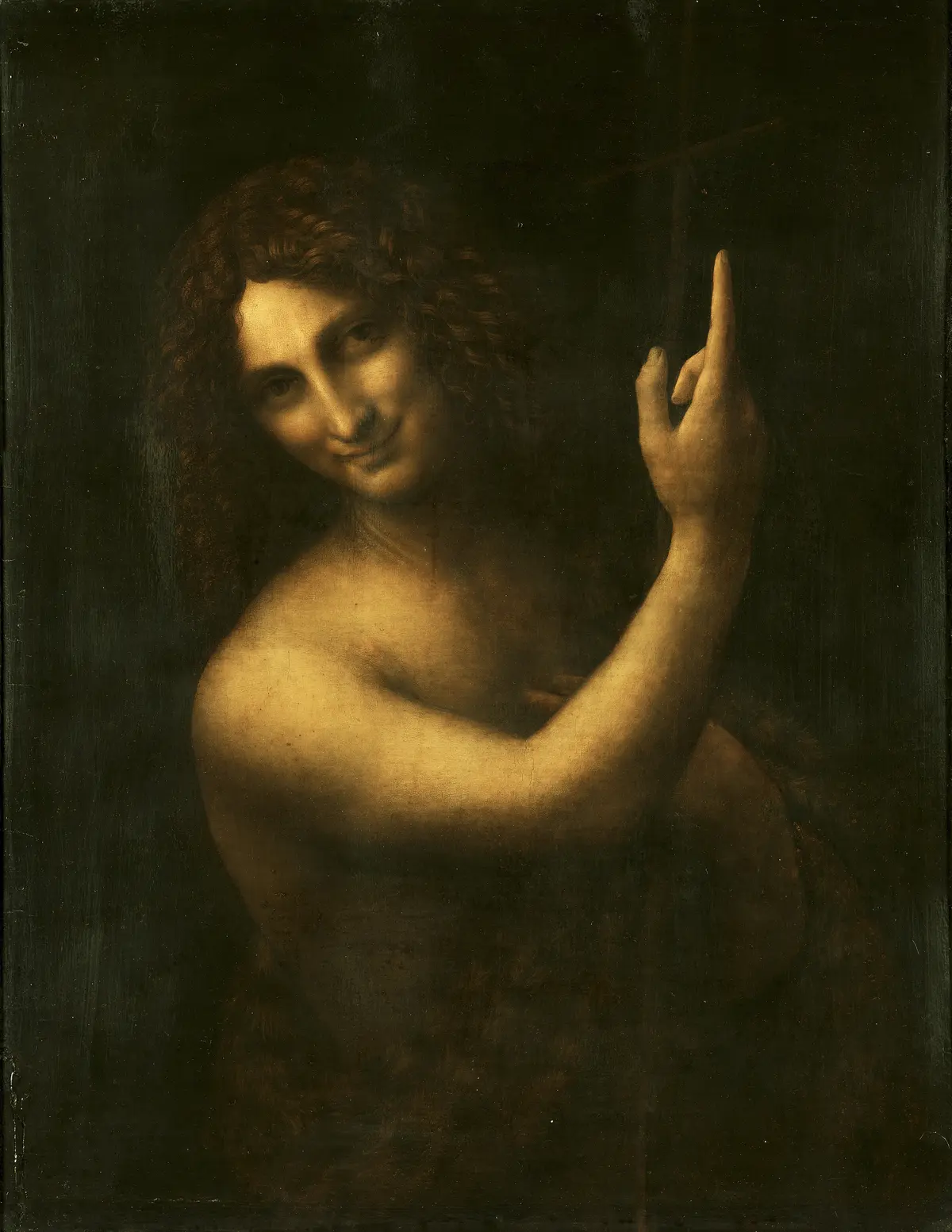
During the 16th century, King Francis I transformed the aging fortress into a Renaissance-style palace that served as his royal residence. A passionate art collector and patron of the arts, he laid the foundation for the Louvre’s painting collection by acquiring masterpieces from the Italian High Renaissance and inviting celebrated artists to his court. That collection became the cornerstone of the museum’s Renaissance galleries, including Leonardo da Vinci’s “Mona Lisa,” acquired by Francis in 1518. Francis acquired Leonardo’s “Saint John the Baptist” after the artist brought it to France in 1516, and Raphael’s 1518 “The Holy Family of Francis I,” which was given to the king as a gift from Pope Leo X.
A Museum for the People
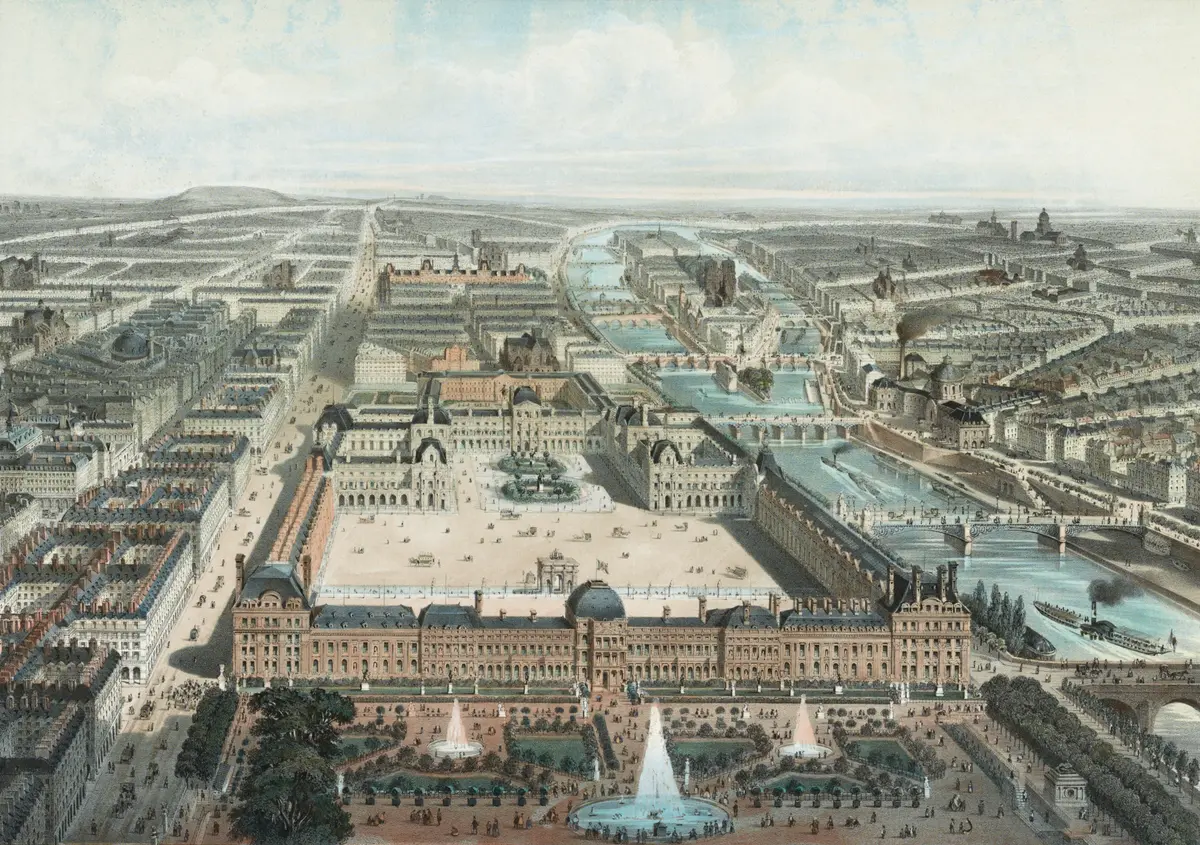
Charles Fichot. Public Domain
Following the French Revolution, the Louvre opened inside the former royal palace under the name Muséum Central des Arts on Aug. 10, 1793. Its inaugural collection consisted of 537 paintings, most of them drawn from the French royal collection and confiscated church property.
The museum expanded rapidly in the years that followed. During the Napoleonic era, military campaigns brought thousands of works of art and antiquities to Paris from across Europe. Although many objects were returned to their countries after Napoleon’s defeat in 1815, numerous acquisitions remained, helping establish the Louvre as one of the world’s great encyclopedic museums.
Throughout the 19th and 20th centuries, the collections continued to grow through archaeological excavations, purchases, bequests, and donations from collectors eager to preserve humanity’s artistic heritage.
Centuries in the Making
The collections span more than 9,000 years of history, from ancient civilizations to the mid-19th century. The artworks are organized across eight curatorial departments: Egyptian antiquities; Near Eastern antiquities; Greek, Etruscan, and Roman antiquities; Islamic art; sculptures; decorative arts; paintings; and prints and drawings.Prints and Drawings is the Louvre’s largest department, with more than 130,000 works on paper by masters including Leonardo da Vinci, Raphael, and Albrecht Dürer. Most of the prints remain in storage due to their sensitivity to light.
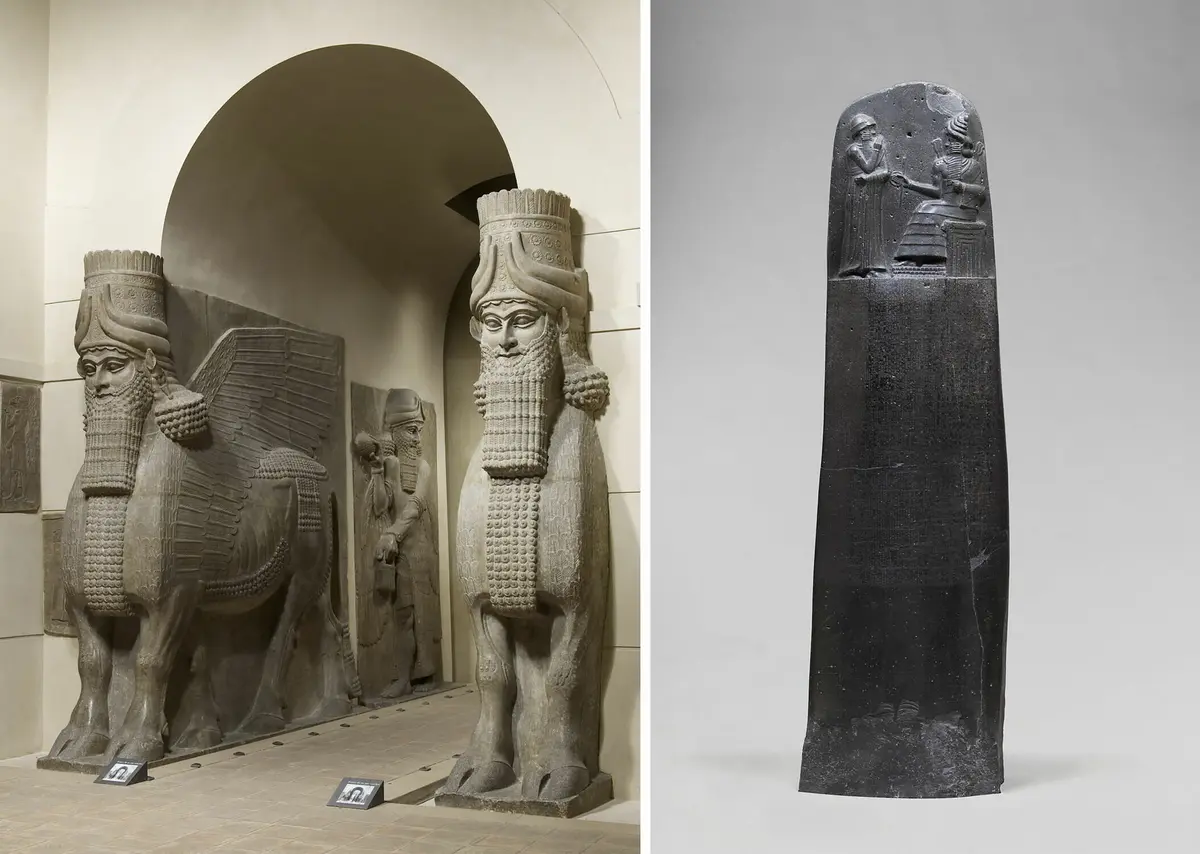
Near Eastern Antiquities holds around 100,000 objects spanning ancient Mesopotamia, Persia, and the Levant, including iconic works such as the “Code of Hammurabi” and the “Winged Bulls of Khorsabad.”
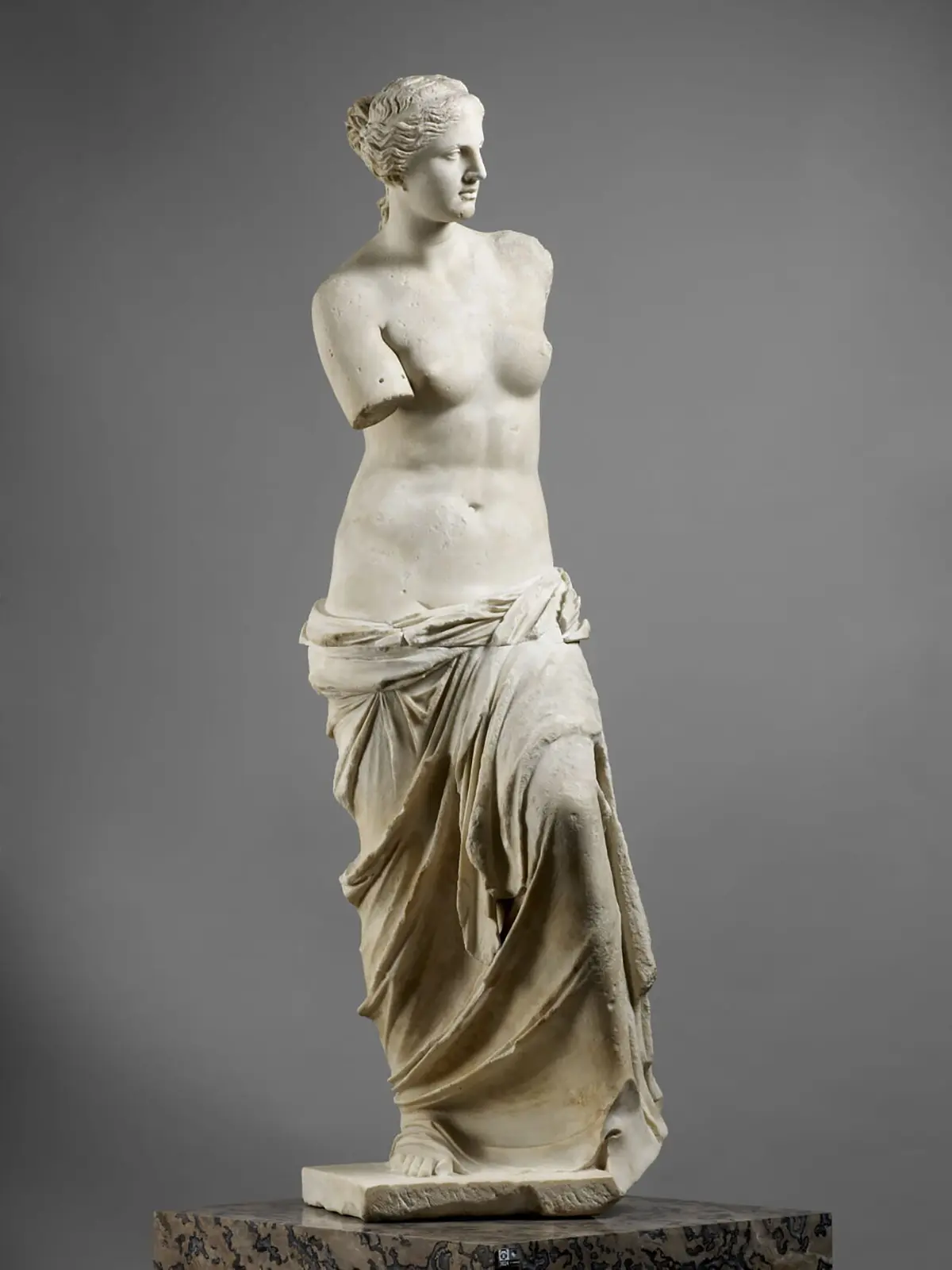
Greek, Etruscan, and Roman Antiquities includes more than 100,000 objects as well, and feature some of the museum’s most celebrated masterpieces. The serene “Venus de Milo” was discovered on the Greek island of Milos in 1820 before entering the French royal collection the following year.
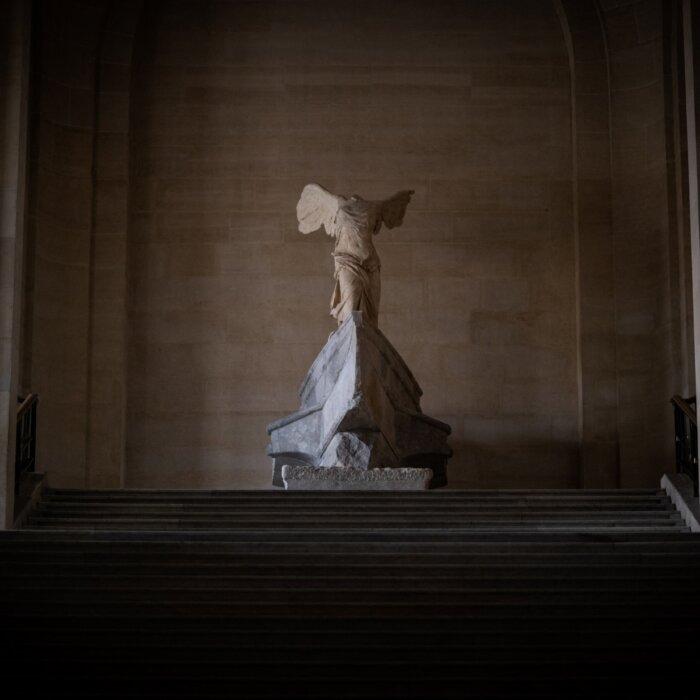
The “Winged Victory of Samothrace,” one of the masterpieces of Hellenistic sculpture, was unearthed during archaeological excavations in 1863 and installed prominently atop the museum’s Daru staircase.

Treasures, Thefts, and Transformation
The “Mona Lisa,” which had been one of the museum’s initial pieces, meanwhile, achieved worldwide fame because of its sensational theft in 1911.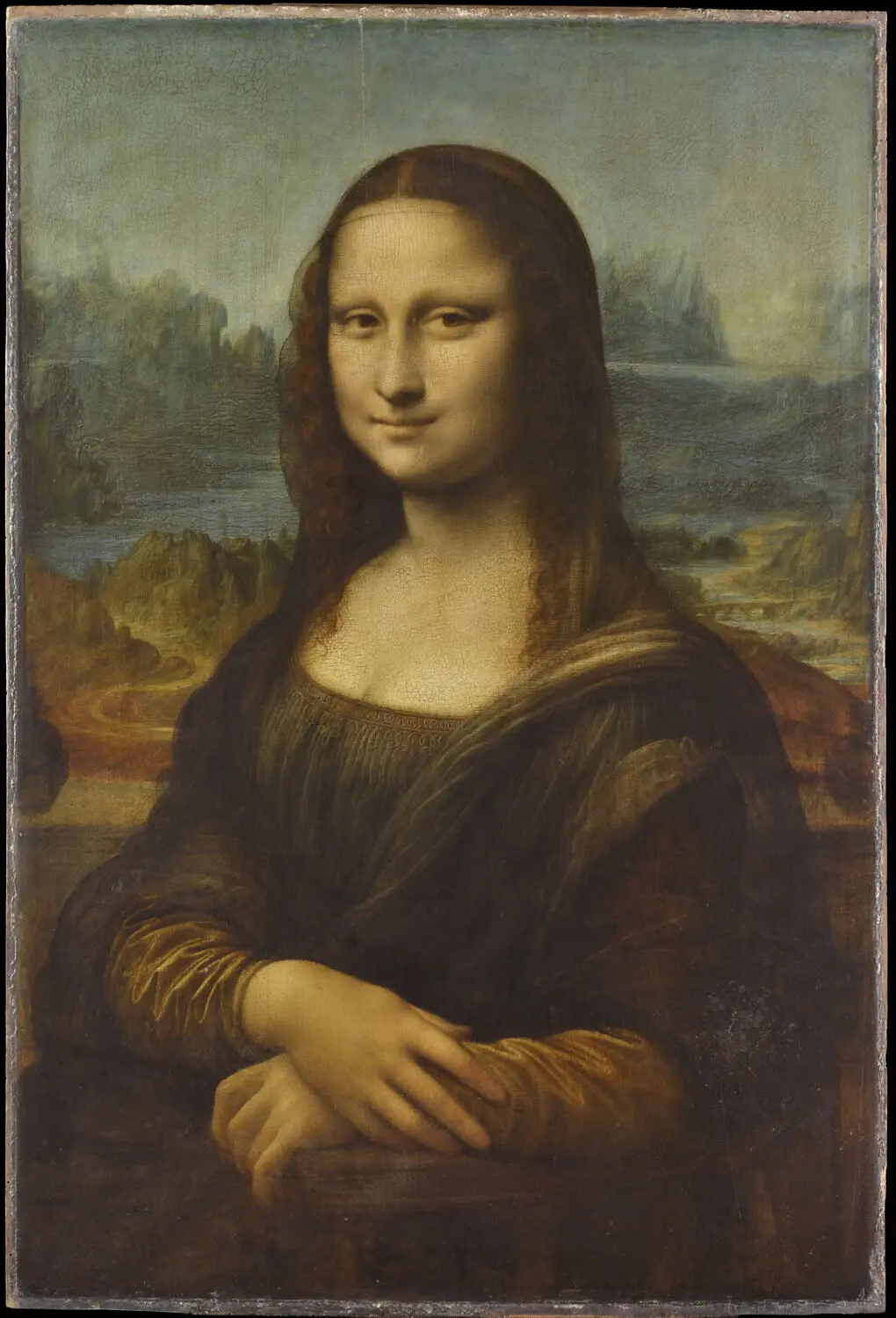
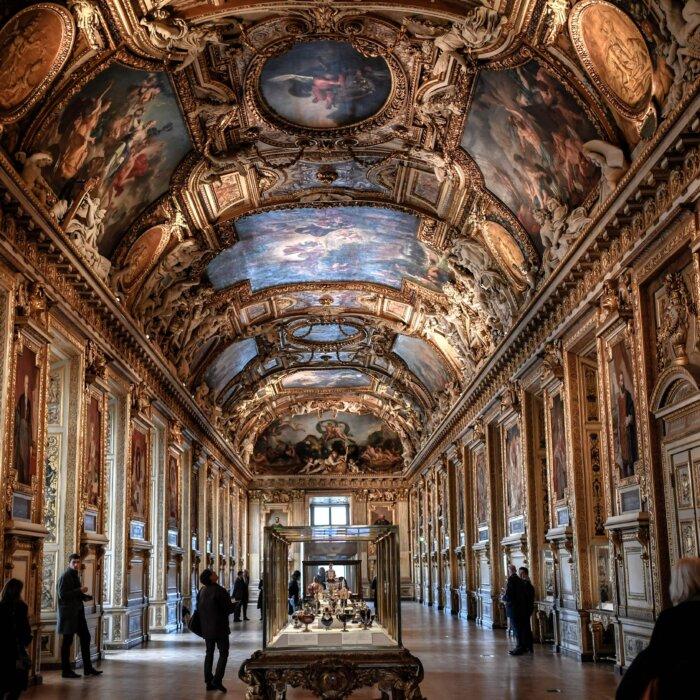
That theft was not an isolated incident. The museum’s immense size, global reputation, and concentration of irreplaceable works have made it especially vulnerable to high-profile crime, including the 2025 robbery of priceless royal jewels from the Apollo Gallery and the large-scale looting of art by Nazis during World War II, despite efforts to evacuate much of the collection.

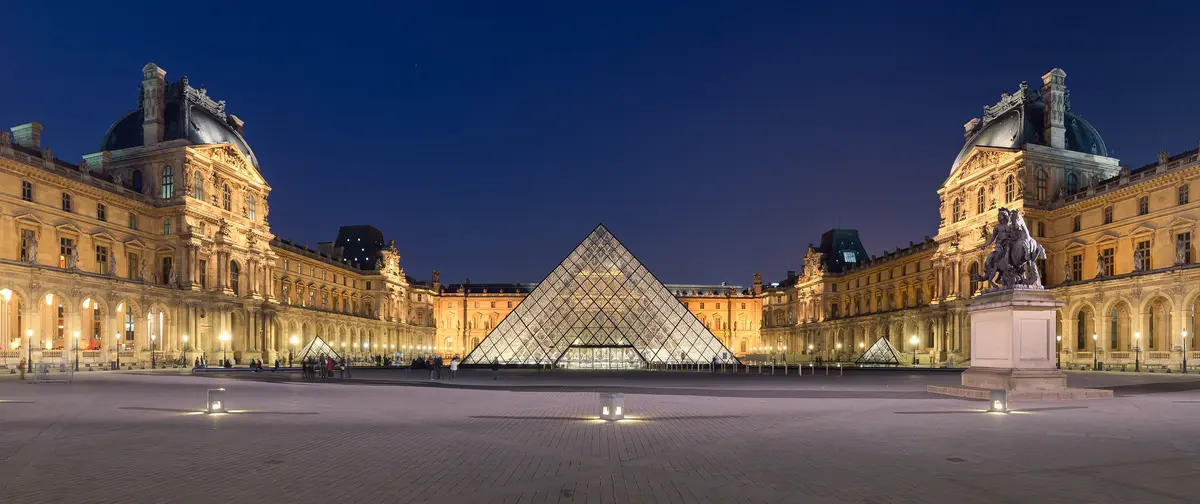
Yet what makes the Louvre a target, housing some of the world’s most valuable and recognizable art, also makes it a dynamic institution that continues to evolve. In 1989, architect I. M. Pei’s glass pyramid transformed the museum’s entrance. Once controversial, the pyramid has become nearly as recognizable as the masterpieces housed within.
More than eight centuries after its first stones were laid, and 233 years after it opened to the public, the Louvre is no relic. It continues to grow, to collect, to draw crowds, standing as proof that a museum can be steeped in history and very much alive at once.