Applying sunscreen before heading outdoors has become second nature for many women today. Armed with decades of scientific research, they understand the risks of ultraviolet radiation and can choose from thousands of products designed to protect against sunburn, skin cancer, and premature aging.
Victorian women lacked that scientific knowledge. Yet they, too, carefully avoided the sun.
The Complexion of Respectability
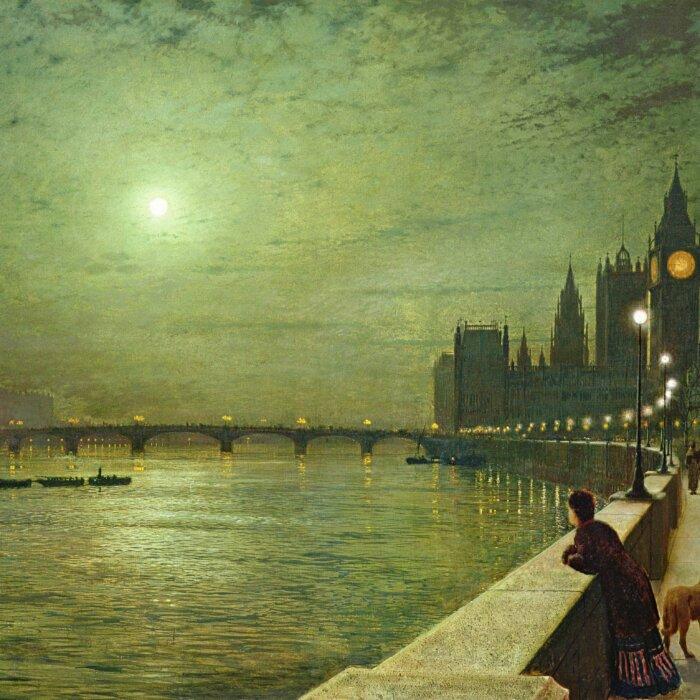
By the middle of the 19th century, beauty had become a profitable business. Newspapers, women’s magazines, and trade advertisements filled their pages with promises of smoother skin, fewer freckles, and a more refined appearance. Portrait painters and fashion illustrators helped preserve the same model, showing fashionable women with pale, smooth faces that contrasted sharply with the weathered appearance associated with outdoor labor.The beauty guide “A Few Words Upon Form and Features” observed: “Goodness of complexion, whether the skin be fair or brown, is incompatible with bodily or mental labor, or excess of pleasure and dissipation.”
The Victorian era, named for Queen Victoria who reigned between 1837 and 1901, coincided with the expansion of the British Empire. It was said of her that “No woman was ever more fortunate than our young Queen in the purity and delicate pinkiness of her glowing complexion.” The preference for fair skin not only reflected principles of beauty but also those of class, identity, and social hierarchy.
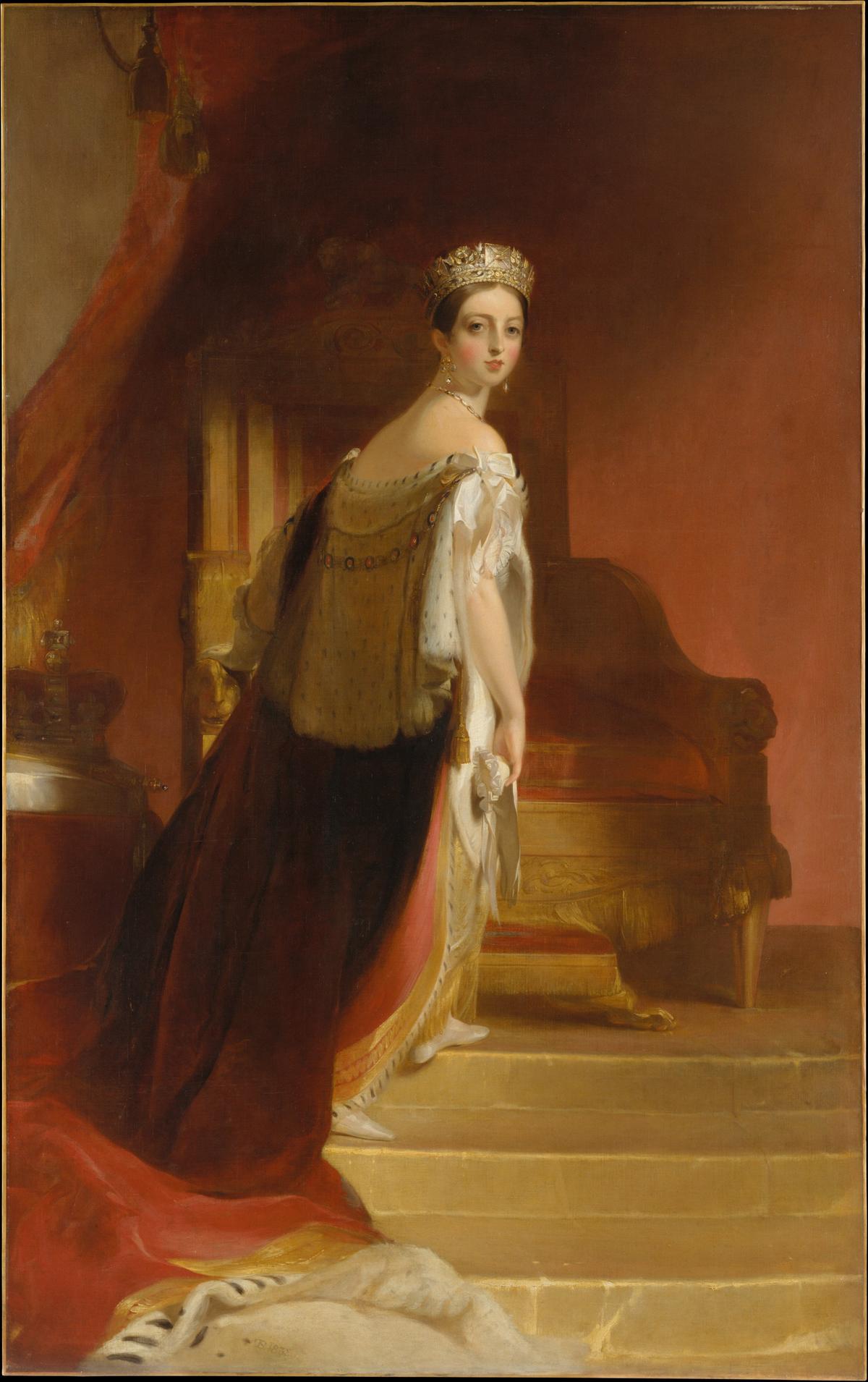
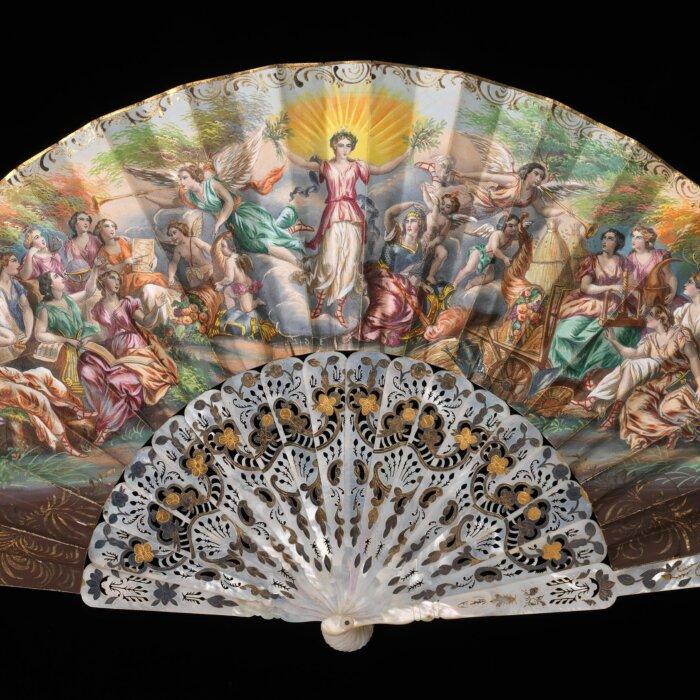
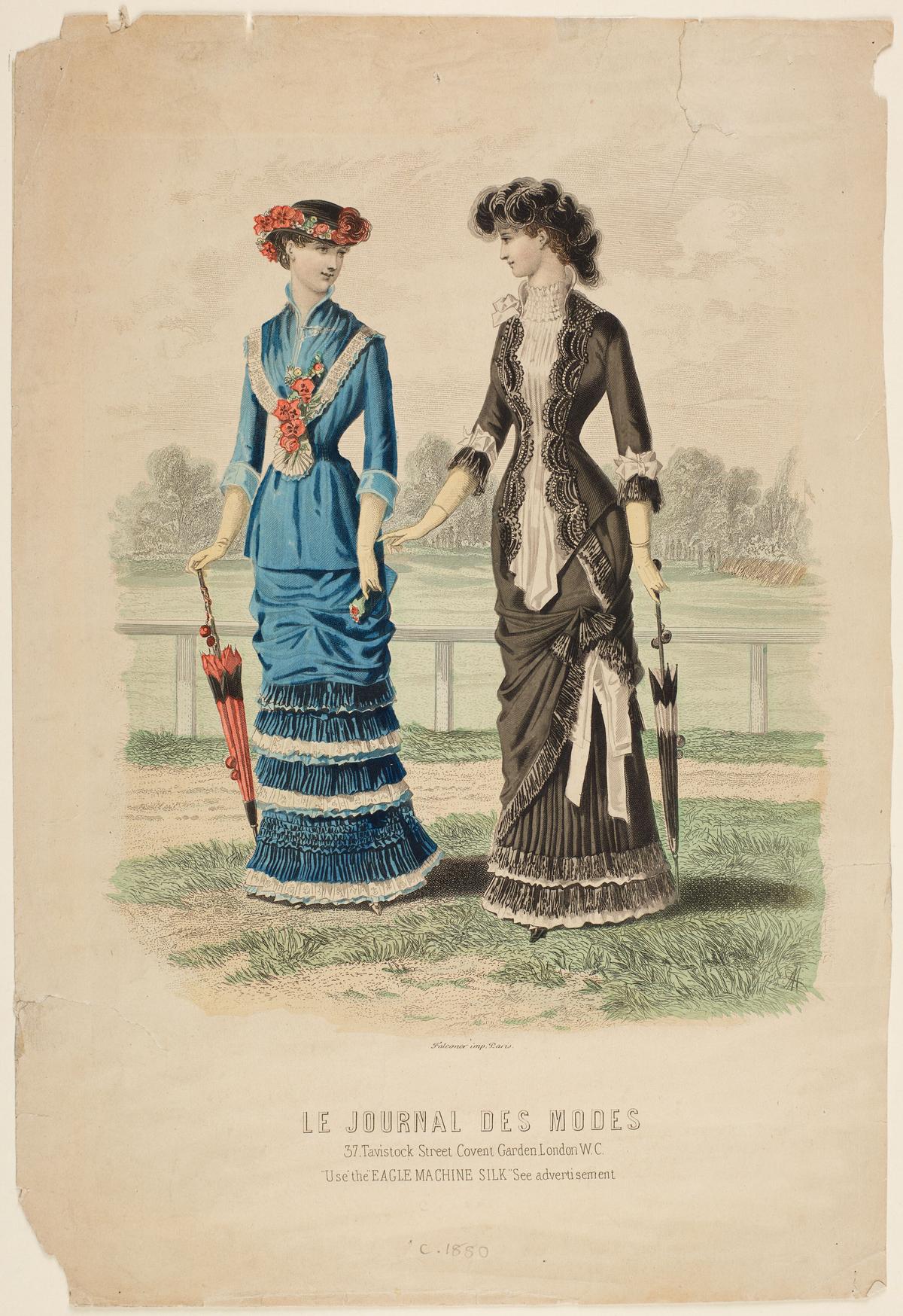
Fashion helped maintain this ideal. Victorian clothing was primarily shaped by modesty and convention, but it also limited exposure to sunlight. In the summer, women would wear long sleeves, high collars, floor-length skirts, wide-brimmed bonnets, and gloves. Parasols, often lined in silk, protected from direct sunlight.
A Woman’s Arsenal
Beyond clothing, fashionable women relied on a wide range of preparations intended to preserve a smooth, even complexion. Some recipes reflected generations of domestic knowledge, while others appeared in commercial beauty guides or were sold as proprietary products. Beauty manuals such as “The Ladies’ Book of Etiquette, and Manual of Politeness” and “Enquire Within Upon Everything” devoted considerable attention to the treatment of freckles, redness, and uneven pigmentation. Recipes included buttermilk compresses, cucumber lotions, lemon creams, and floral distillations.Among the mildest 19th-century treatments for freckles was strawberry water. Typically purchased from a perfumer or chemist, it was sold alongside rose water, orange flower water, and other distilled cosmetic waters intended for the dressing table.
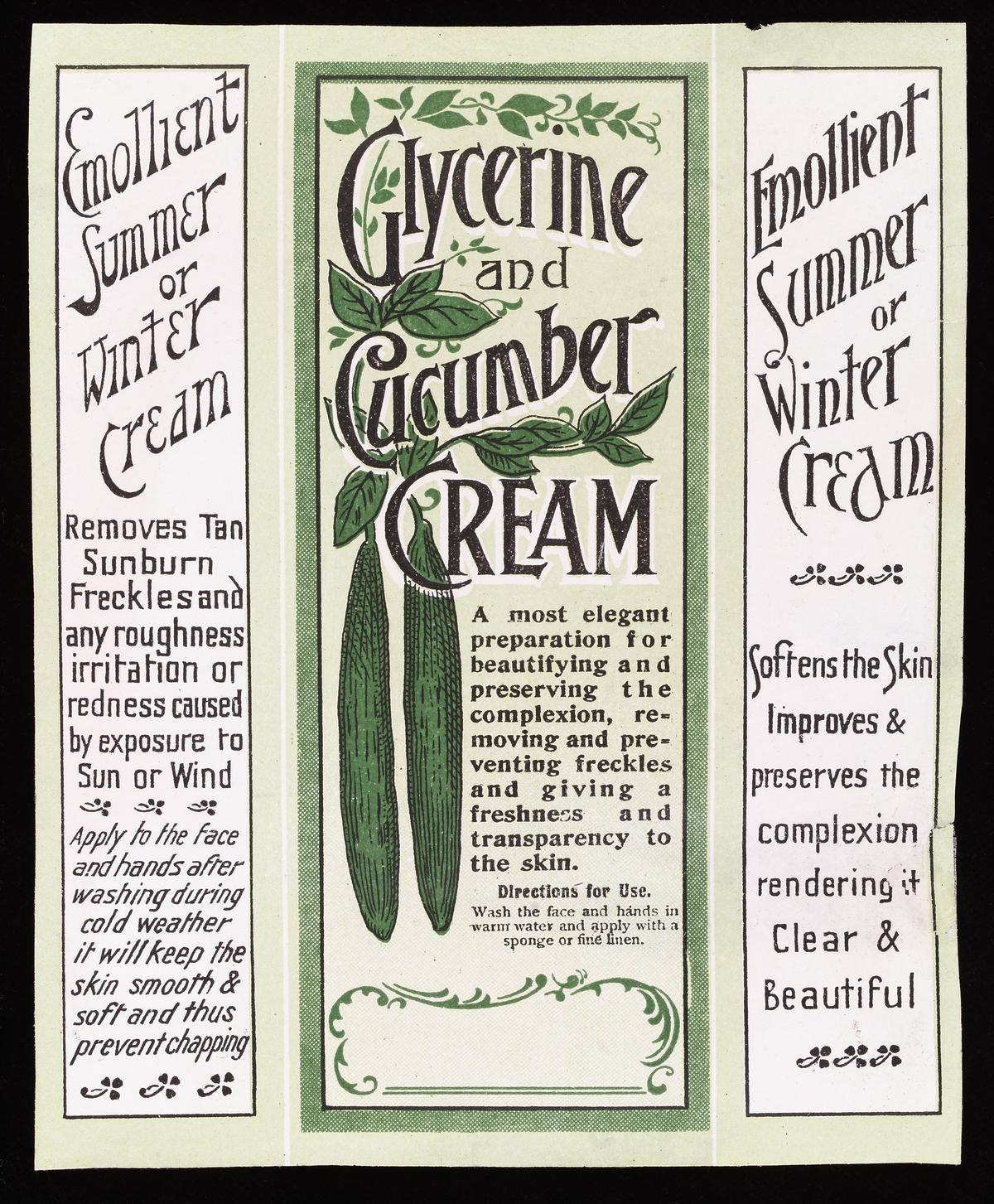
Cold cream became one of the era’s most popular skincare preparations. Made from oils, waxes, and rosewater, it moisturized the skin while creating a barrier against wind and weather. A typical 19th-century recipe combined waxes, sweet almond oil, and rosewater, which were melted together and whipped into a smooth cream.
Face powders were another essential part of the period’s beauty routine. Beyond improving appearance, they were believed to absorb moisture after washing and shield the skin from the effects of weather and daily exposure. Common recipes included ingredients such as zinc oxide, talc, starch, chalk, Iris root, and small amounts of perfume, while some formulas added antiseptic substances like salicylic acid.
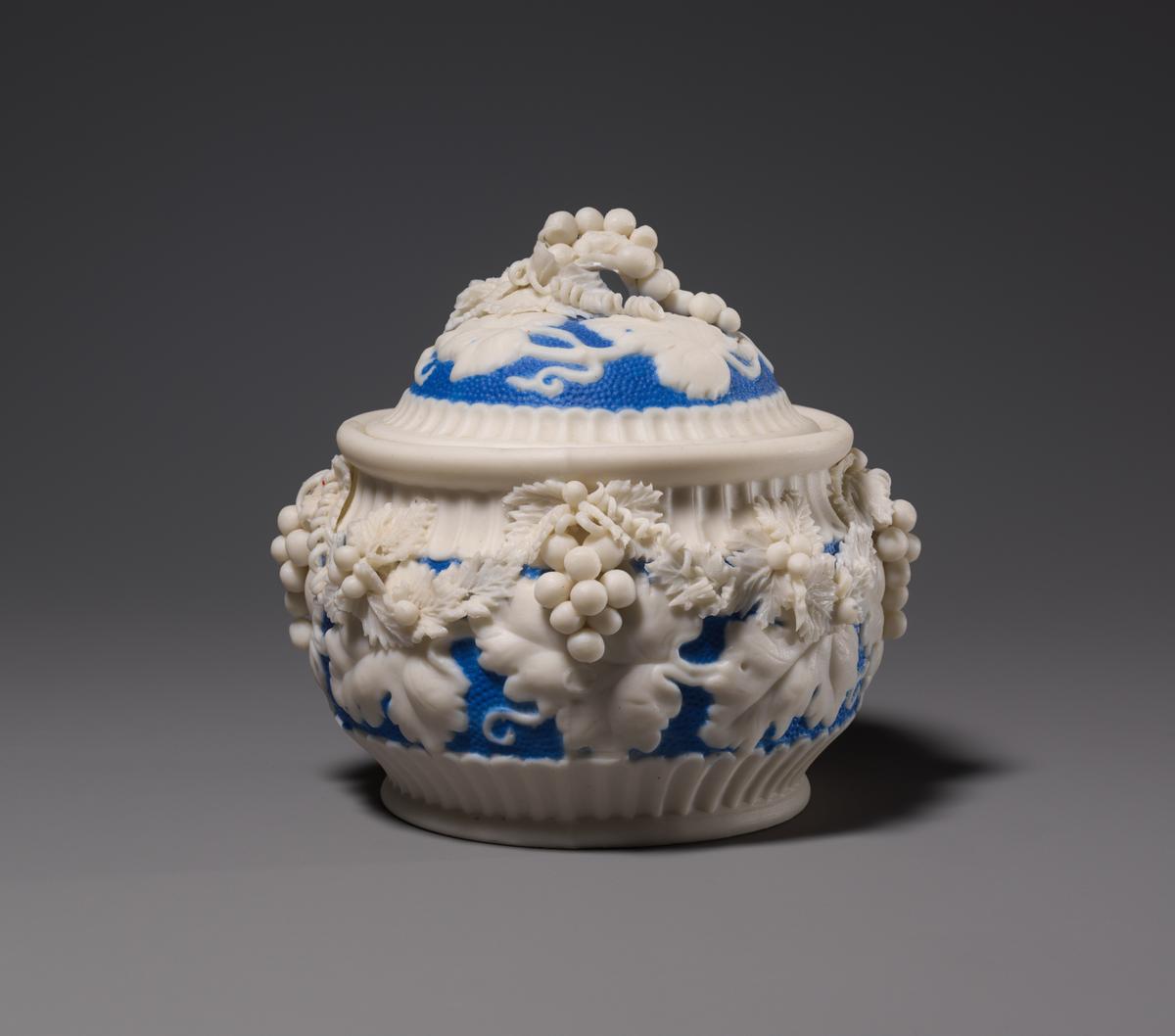
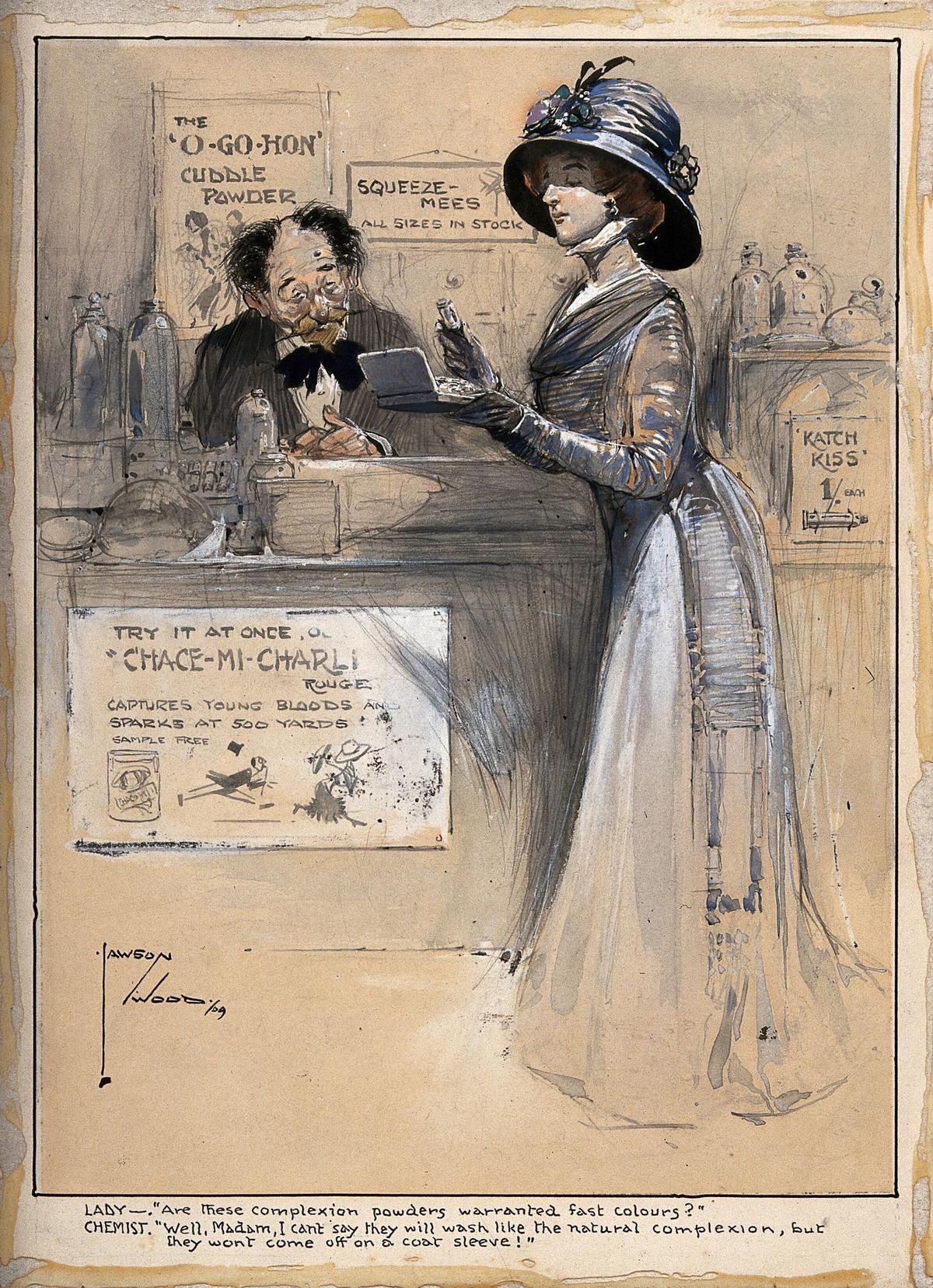
Writers warned that excessive powder could create an artificial appearance rather than the soft, natural “peachlike bloom” associated with healthy skin. Women were often advised to prepare the skin before applying cosmetics and to use them sparingly to avoid an obvious painted effect.
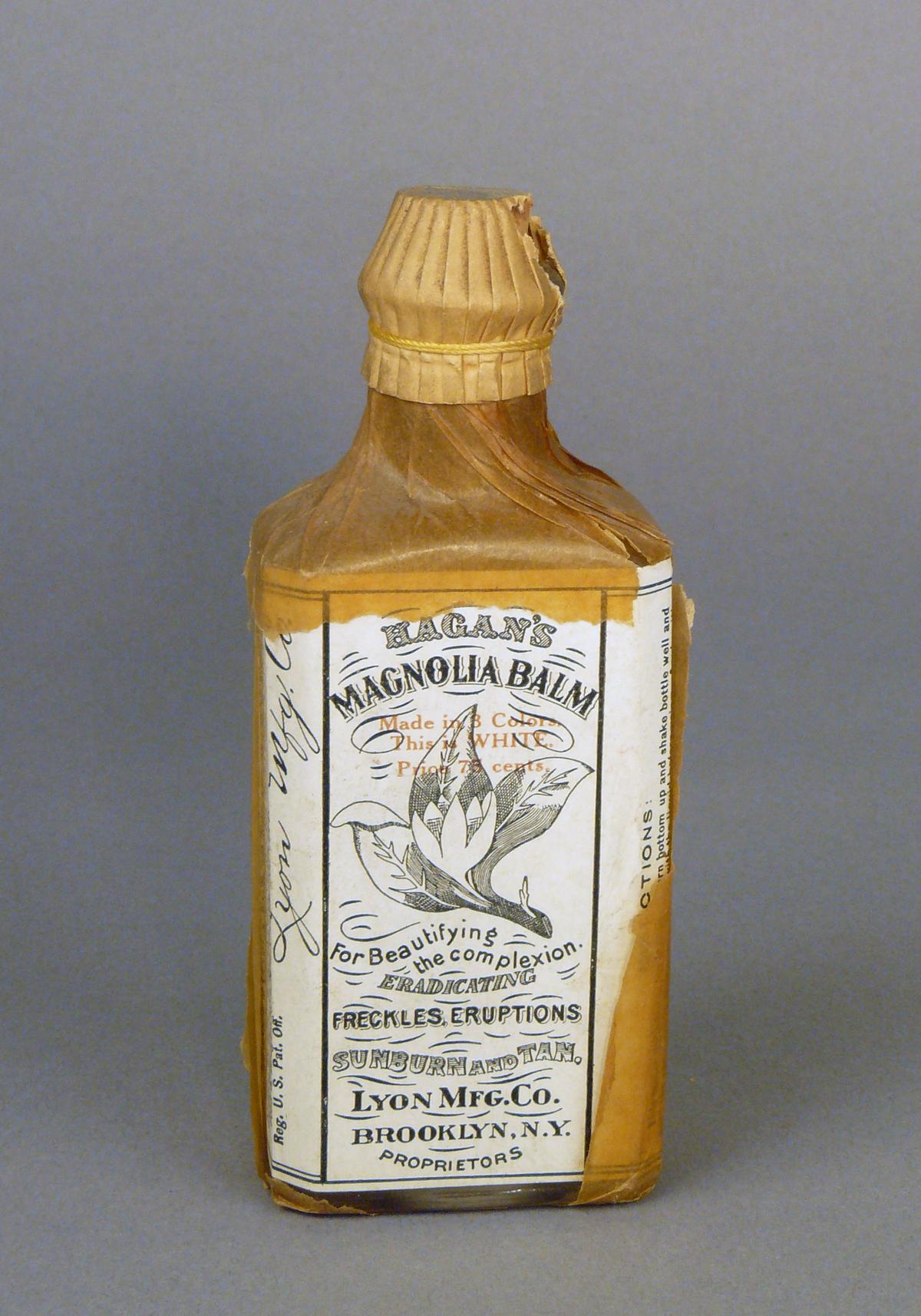
Some popular “Pearl” powders contained bismuth compounds that gave the skin a lighter, luminous appearance. Certain complexion creams, including Gouraud’s Oriental Cream and Hagan’s Magnolia Balm, also contained zinc oxide, which was used primarily for cosmetic whitening and skin preparation rather than scientifically understood sun protection.
The Cost of Perfection
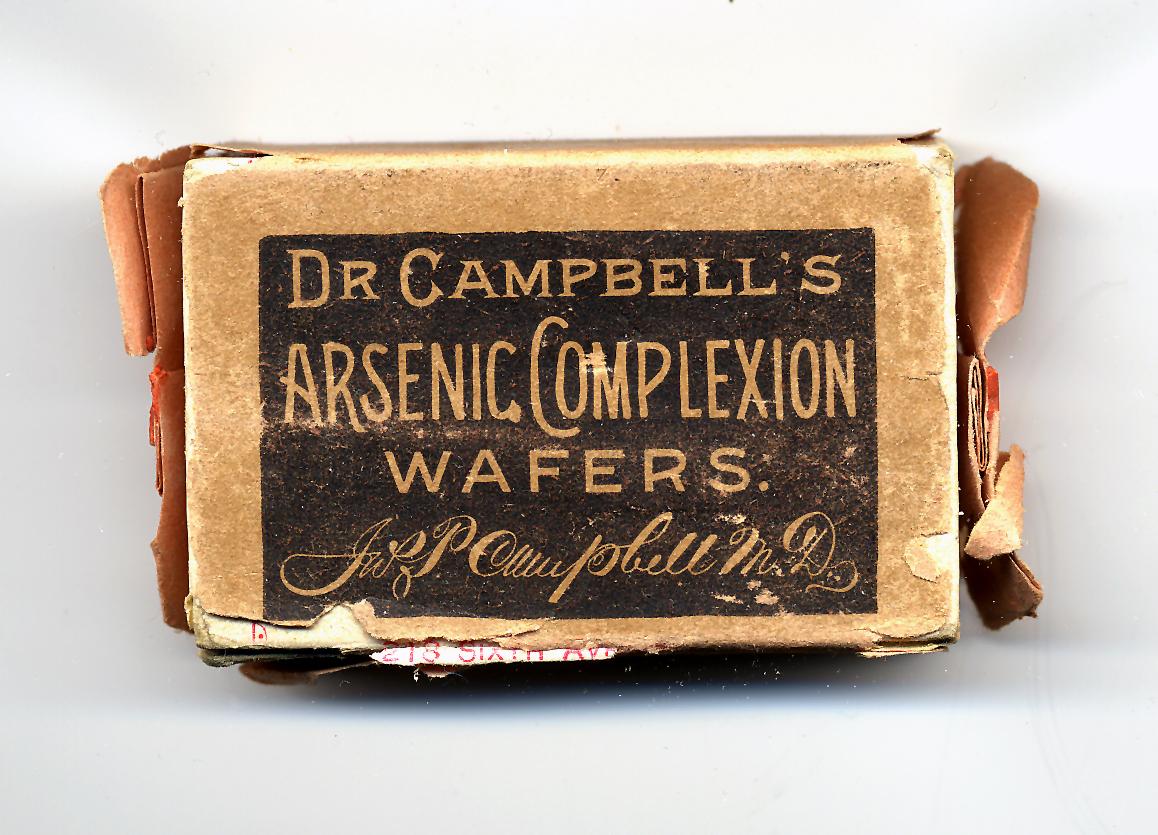
Not every beauty treatment was harmless. Some skincare preparations involved ingredients now recognized as dangerous, including lead, arsenic, and mercury compounds.Corrosive sublimate, a highly toxic mercury compound, appeared in some beauty recipes as a treatment for freckles and blemishes. Women could obtain it through apothecaries and chemists, where it was sold as a medicinal and household substance rather than as a regulated cosmetic ingredient.
One skincare recipe published in “Beeton’s Dictionary of Practical Recipes and Every-Day Information” instructed readers to mix “1 gram of bichloride of mercury and 1 oz. of emulsion of bitter almonds.” The recipe did warn its readers to use caution when applying the lotion since “the bichloride of mercury ... is a poison.”
Although recipes like these acknowledged that mercury was hazardous, they rarely explained the full extent of its dangers. Prolonged exposure could lead to a host of serious health problems, including depression, abnormal swelling of the body’s tissues, kidney damage, and memory loss. Instead of warning against its use, beauty manuals simply advised women to dilute mercury compounds with rosewater, alcohol, or almond emulsions before applying them to the skin. Despite the risks, the promise of a lighter complexion and more even skin tone ensured that these recipes remained popular.
The Victorian approach to skincare was neither entirely misguided nor entirely sophisticated. At the heart of Victorian beauty culture was the belief that appearance could be shaped and improved. As the period publication “The Girl’s Own Paper” explained, beauty was never a “fixed quantity.”
More than a century later, beauty ideals continue to evolve. Yet some Victorian beauty practices have carried into the present, with ingredients like rosewater and zinc oxide still appearing in modern skincare and cosmetic formulations. Still, one lesson from these historic beauty recipes remains clear: If a formula includes poison as an ingredient, it is better left as a historical curiosity than brought into a modern skincare routine.