Hollywood has its fair share of legends whose fame was almost cemented by their premature death. One of the greatest blows to the film industry was the early death of a man who worked behind the scenes—Irving Thalberg (1899–1936).
Although this producer never took screen credit for his work, his vision, innovation, and pioneering spirit were a guiding force in the movie business’s development. He particularly shaped the legacy of Hollywood’s most glamorous studio, MGM.
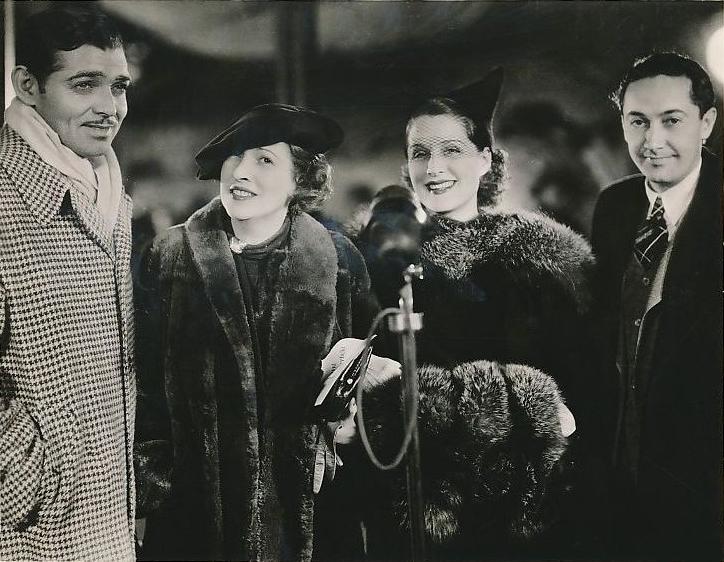
A Sickly Childhood
The heart failure which killed Thalberg is often traced to a bout of rheumatic fever he had as an adolescent, yet he was in poor health long before that. Born in Brooklyn on May 30, 1899, to German Jewish immigrant parents, Thalberg was born with congenital heart failure.He spent much of his boyhood as an invalid, confined to his bed. During this time, he would occupy his mind by reading voraciously, as his mother was determined to help him make the most of his life. This gave him a lifelong appreciation for literature, which served him in his later film career.
Beginning at Universal
At 18, Thalberg got a job as personal secretary to Carl Laemmle, the mogul of Universal Studios, in the company’s New York office. As the moviemaker grew to trust the young man’s honesty, intelligence, and judgment, Thalberg quickly rose from office boy to Laemmle’s personal assistant.In 1919, he accompanied Laemmle on a trip to the company’s West Coast studios, Universal City. Laemmle left Thalberg there for a while to observe production, and asked for his opinion on how things ran. Thalberg observed that the studio needed someone to oversee all the aspects of production. Laemmle gave him the job.
Thalberg, only 21, was now an executive at the growing studio. Stars, directors, and columnists who encountered him over the next several years would frequently mistake him for a junior employee because of his frail, youthful appearance.
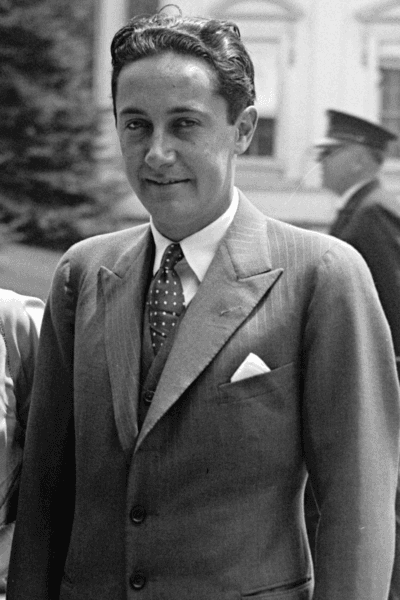
However, nobody could deny the power of his personality. Combining his remarkable business sense with his intuition of public taste, he rode the fine line of conservative spending for the studio’s bottom line and lavish attention to details in pursuit of perfection.
In the early 1920s (and his early 20s), Thalberg rose from studio executive to general studio manager and eventually to head of production.
Thalberg often clashed with Laemmle, as the older man was reticent for Universal to compete with the other studios in producing feature-length films. Laaemmle preferred shorts and genre pictures. He hesitated to purchase strings of theaters for streamline distribution.
Although he respected Thalberg, he was reluctant to take major advice from any producer. Thalberg’s role in the company was complicated by his romance with Laemmle’s daughter Rosabelle.
Thalberg decided to move on. In February 1923, he left Universal in search of greener studio lots. Before he left, though, he laid the groundwork for the production model that would define Hollywood’s Golden Era—the studio system.
In the early 1920s, directors reigned supreme over their films’ production. All this changed because of an ongoing standoff between Thalberg and director/star Erich von Stroheim, best remembered for his acting role as butler Max in “Sunset Boulevard” in 1950.
As head of productions, Thalberg was eager to cut the fat. Von Stroheim, fresh off the success of “Blind Husbands” (1919), was running wild with “Foolish Wives” (1922).
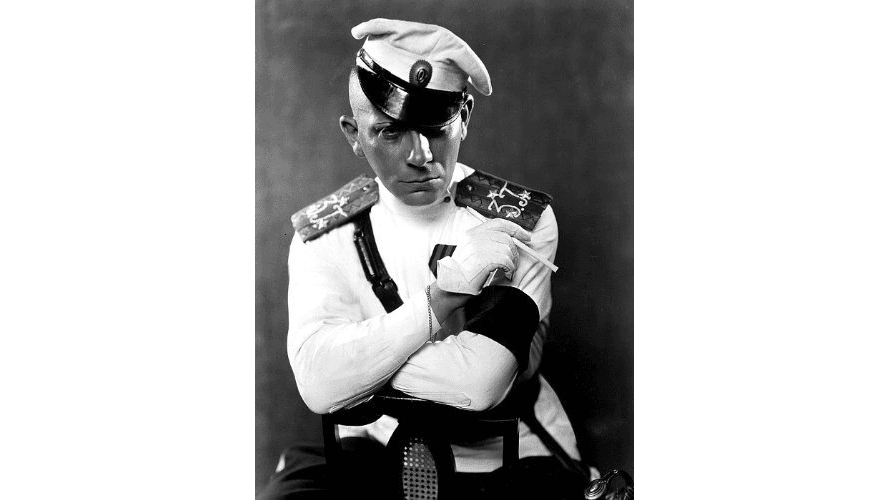
He was directing and starring in the picture, which he’d been working on for a year. Thalberg told him that he was done filming. When Von Stroheim argued that he wasn’t done, Thalberg ordered the cameras to be removed from the set.
It seemed that the two had come to terms when production began on “Merry-Go-Round” the next year.
At MGM
Thalberg established the producer, not the director, as the head of film production. He put this fully into practice after leaving Universal.In 1923, Thalberg signed on as vice-president of Louis B. Mayer Productions. Before long, the two men brought their growing production unit to the newly formed Metro-Goldwyn-Mayer (MGM). New York theater mogul Marcus Loew (the inspiration for MGM’s trademark lion) had formed MGM by merging Metro Pictures and Goldwyn Pictures.
As partner producers, Mayer and Thalberg set out to make MGM the most successful studio in Hollywood. Thalberg was surprisingly short-sighted on the impact of a few key events, especially the advent of talking pictures and the rise of Hitler. But Thalberg was a visionary who knew when to save money and when to spend it.
Mayer was the boss at MGM, but Thalberg was the mastermind behind production. He was the executive producer for every production, yet he refused to take screen credit as producer. The secret to the success he achieved for MGM was creating “middlebrow” entertainment—not overly sophisticated yet not too common.
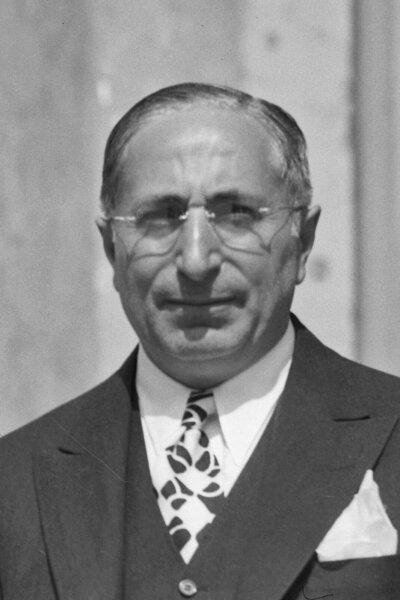
Thalberg approached filmmaking from a businesslike viewpoint. He referred to films as “product.” He ordered expensive retakes if he believed they would make the film better. He was quoted as saying, “Movies aren’t made, they’re re-made.”
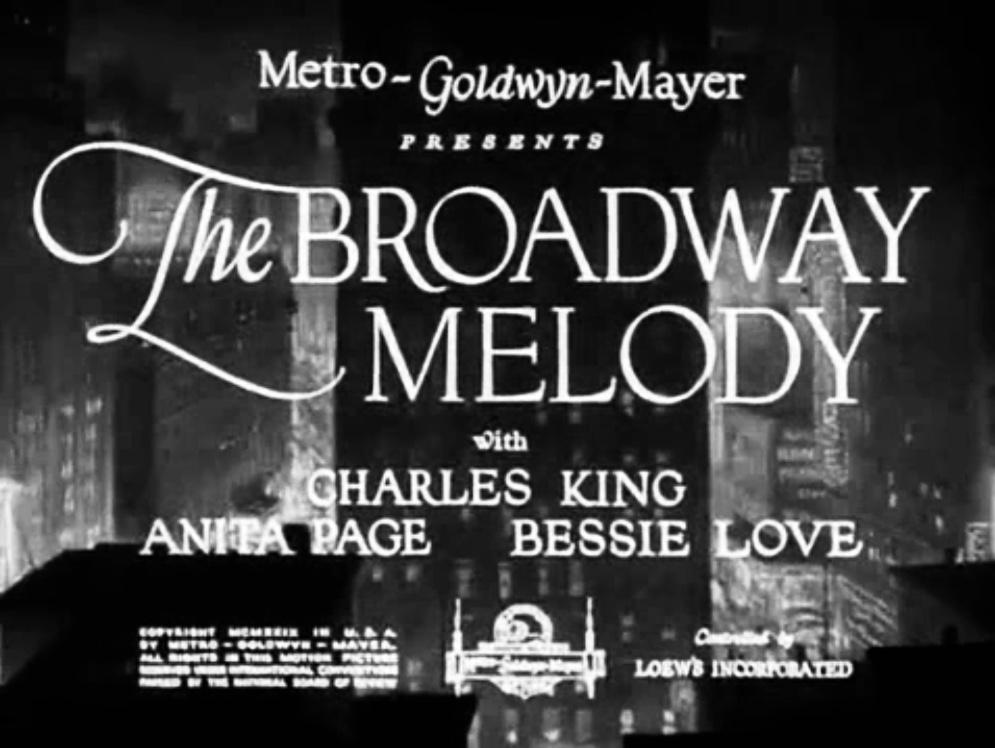
Under his co-leadership with Mayer, Thalberg helped MGM achieved fortunes at the box office, acclaim at the Academy Awards, and a reputation as Hollywood’s grandest studio. Thalberg eventually jumped on the sound bandwagon and made the first Oscar-winning musical, “The Broadway Melody,” in 1929.
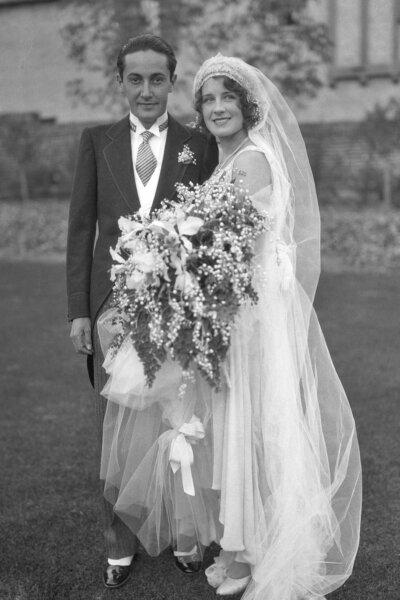
MGM made actors and actresses into stars. The studio highlighted the unique talents and attractions of Greta Garbo, Clark Gable, Joan Crawford, and Norma Shearer. After Thalberg married Shearer in 1927, she became the Queen of MGM, getting first choice at all the big projects.
The American Dream
Irving Thalberg’s legacy is a vivid example of the American dream well-lived. He came from humble means in a minority family and overcame illness to become one of the wealthiest, most influential executives in the nation.He worked incredibly hard. He endured stress and sleepless nights to create the best entertainment for the American people. He never lost his passion for learning; he would read literary classics and philosophy books between studio meetings.
Thalberg defied the predictions for his early death and died at age 37 of pneumonia. After his death, MGM shut down production for a whole day in his honor, and all the other studios darkened their lights for five minutes out of respect.
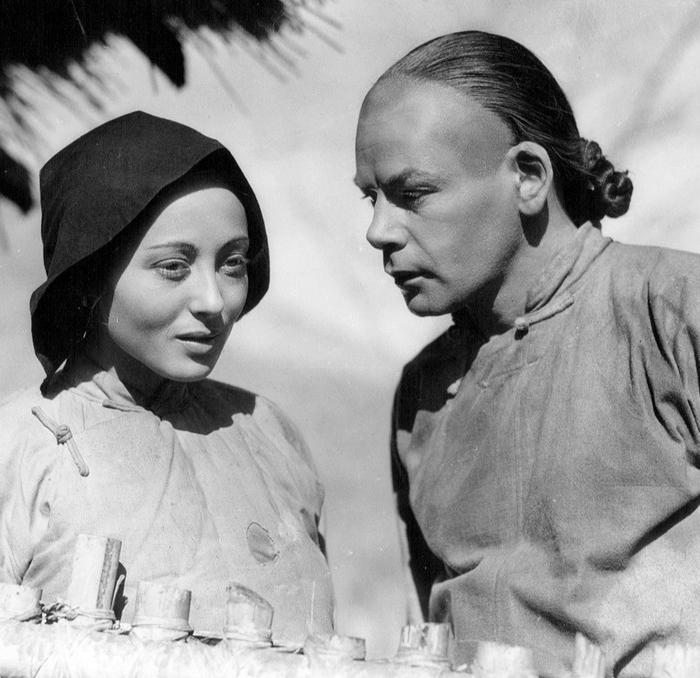
He received his only screen credit as producer for “The Good Earth” in 1937, a posthumous tribute for a film he’d begun before he died.
The Academy of Motion Picture Arts and Sciences (AMPAS) honored the boy producer who’d been one of their founding members 10 years earlier by creating the Irving G. Thalberg Memorial Award. This special award is given to “creative producers whose bodies of work reflect a consistently high quality of motion picture production.”
You may not become the top mogul in Hollywood, but these principles are a good rulebook for anyone.