Most people who visit the 5,500-acre Hot Springs National Park in Arkansas are drawn to the phenomenon of naturally heated rainwater rising quickly to the surface via thermal hot springs. Along with the typical cool springs and streams common in the area, heated waters bubble to the surface and flow in a 9-square-mile area of central Arkansas. The hot waters exit the ground at 143 degrees Fahrenheit. The comforting (and some say, healing) waters have been a pull for tourism, especially for the last 150 years.
In fact, the Gilded Age ushered in the start of the area’s heyday, resulting eventually in a row of ornate, luxurious, design-oriented bathhouses. From 1892 to 1923, eight distinct structures were built to provide hot spring baths, accommodations, and dining options to everyone from injured Civil War veterans seeking soaks for battered bodies to professional athletes to presidents.
For decades, baseball players frequented the bathhouses during spring training. In fact, the free, self-guided Historic Baseball Trail offers partakers sites and information about famous professional players, including Babe Ruth. During career pitching with the Red Sox, he became a regular visitor for baths and rounds of golf.
While visitors to this national park might be primarily interested in the area’s unique resource and natural beauty, they will quickly discover that Hot Springs’s Central Avenue presents fascinating aspects of American history that often go unheeded. All along Central Avenue and at the park’s trailheads are informational signs attesting to relevant history about the area.
Bathhouse Row
The eight bathhouses stand at the official entrance boundary of Hot Springs National Park on what’s considered the Grand Promenade—also called Bathhouse Row. The names of most historic structures are based on who owned or built it. Others are named after local or American Indian history: Lamar, Buckstaff, Ozark, Quapaw, Superior, Maurice, Hale, and Fordyce.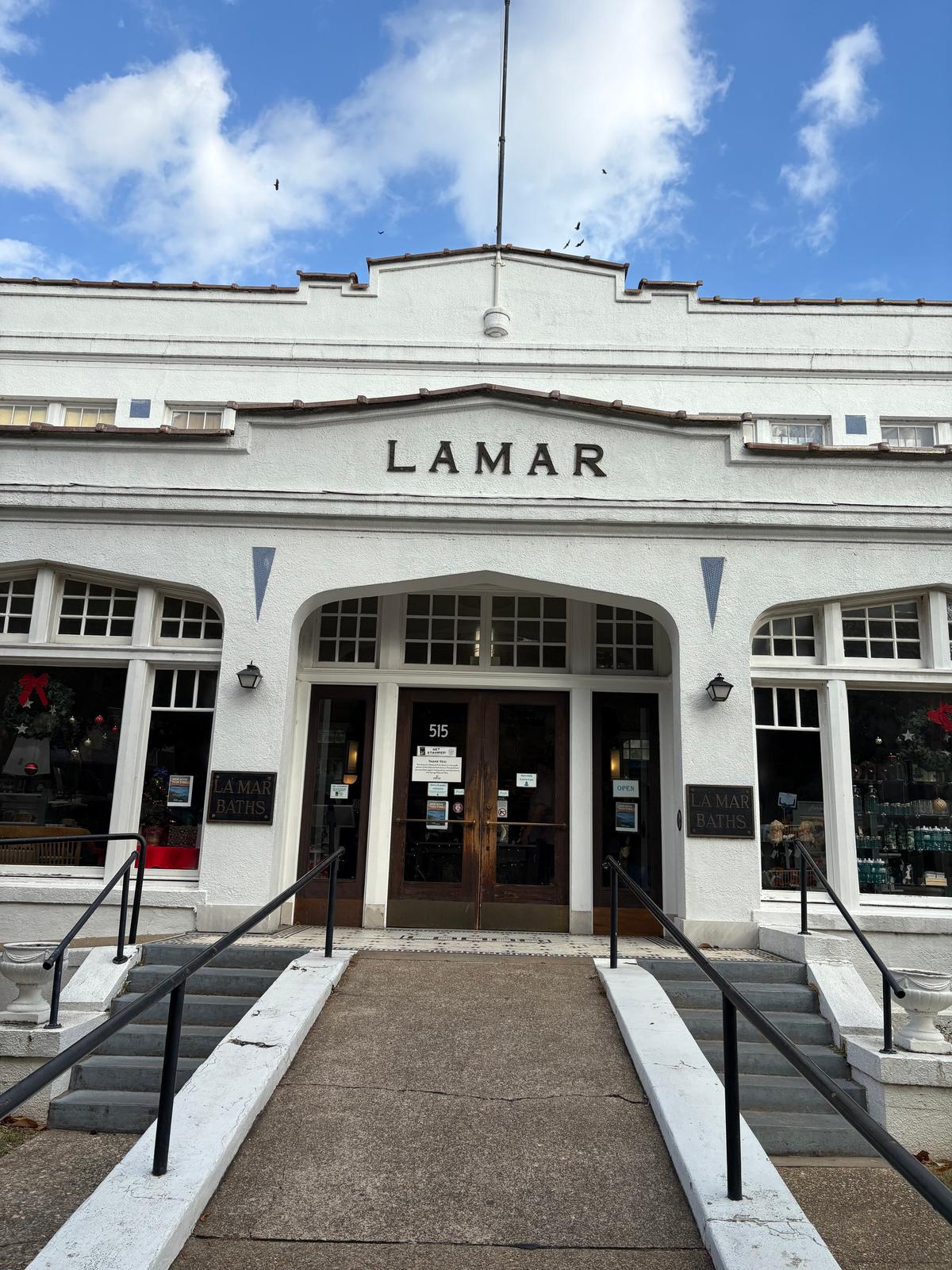
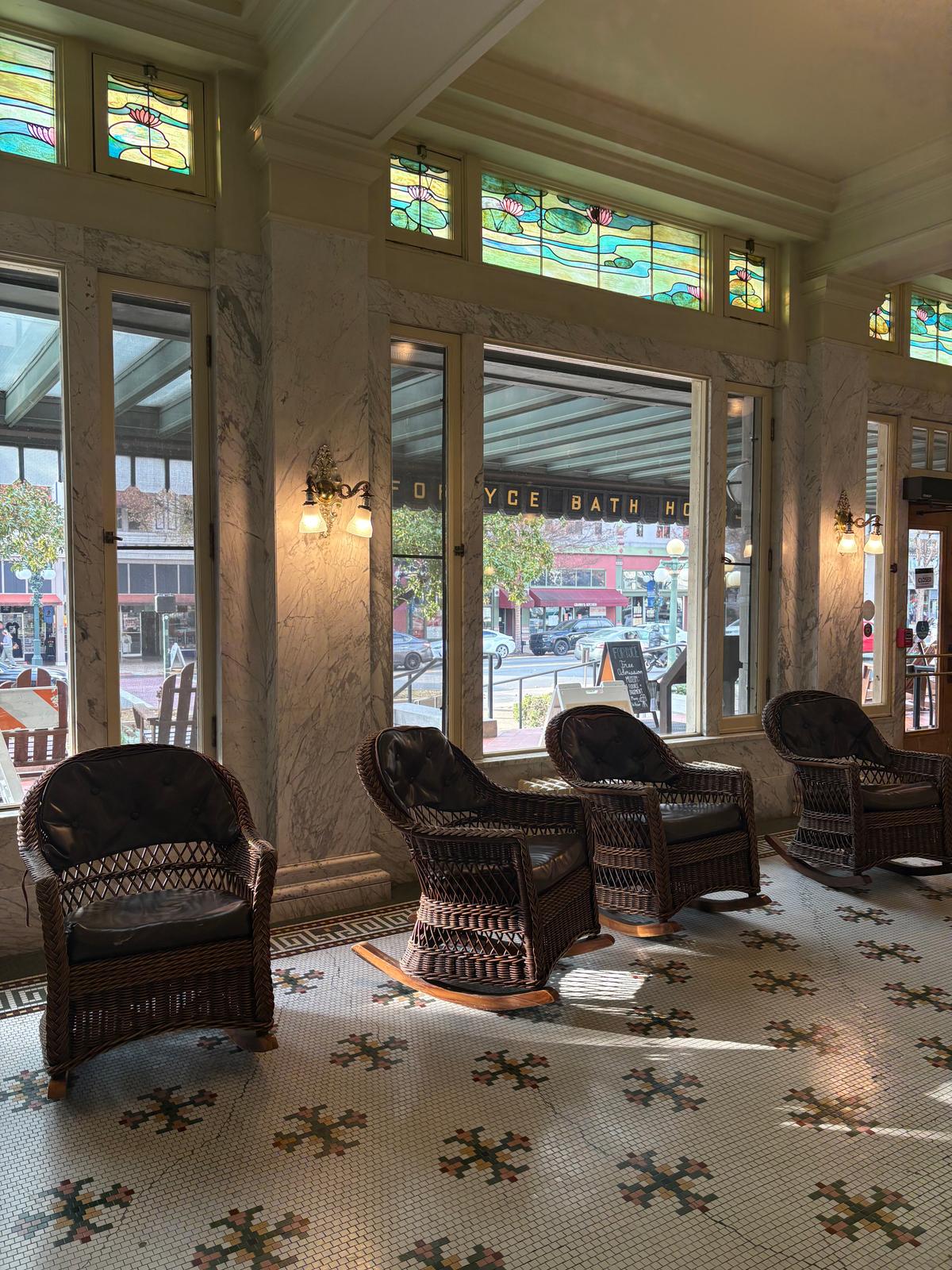
Fordyce currently houses the Hot Springs National Park Visitor Center and Museum. It’s the largest bathhouse, at 28,000 square feet. Park Rangers schedule tours of the bathhouse that cover everything from the structure’s design and architecture to park history to explanations about the area’s geothermal activity.
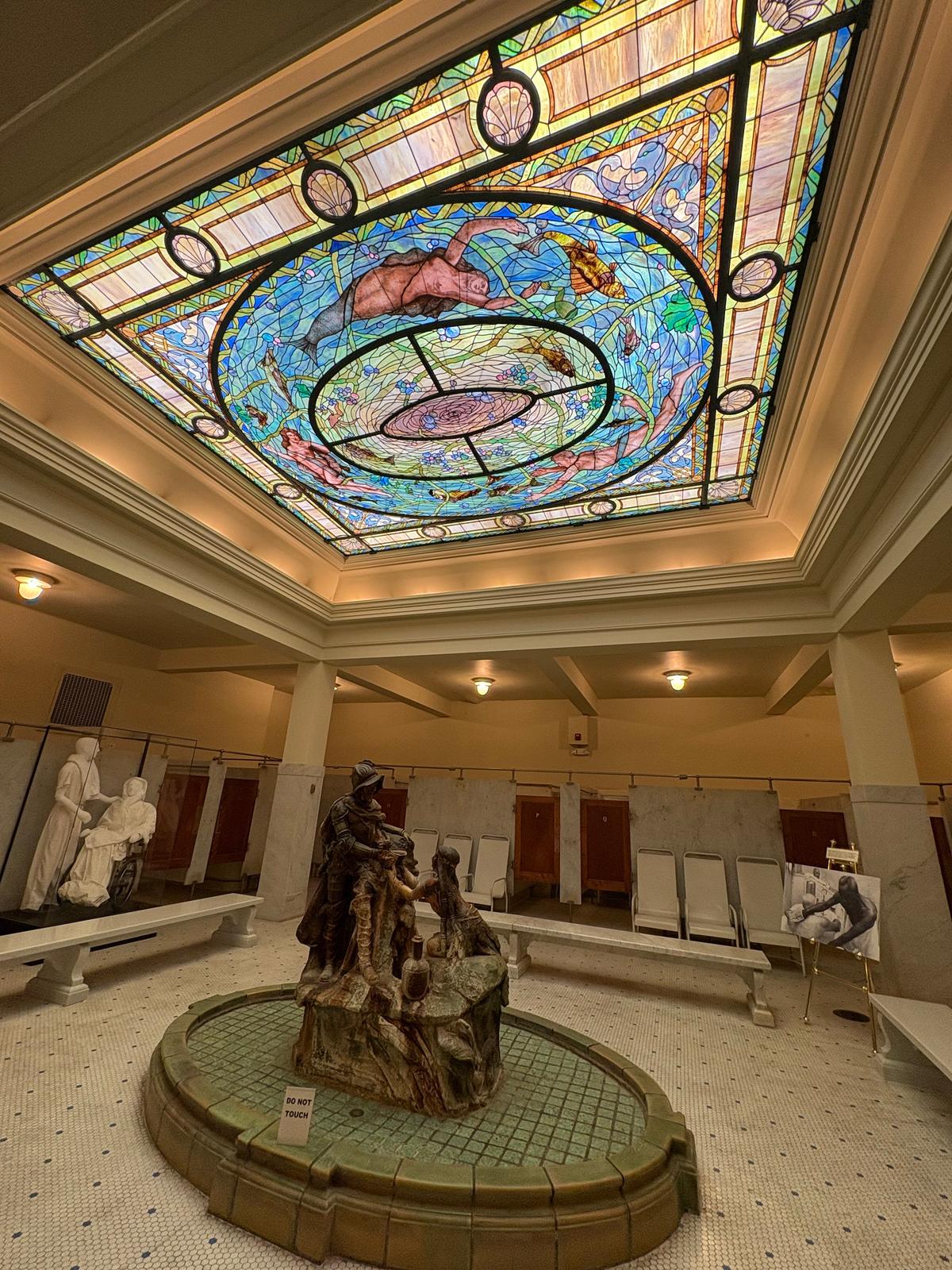
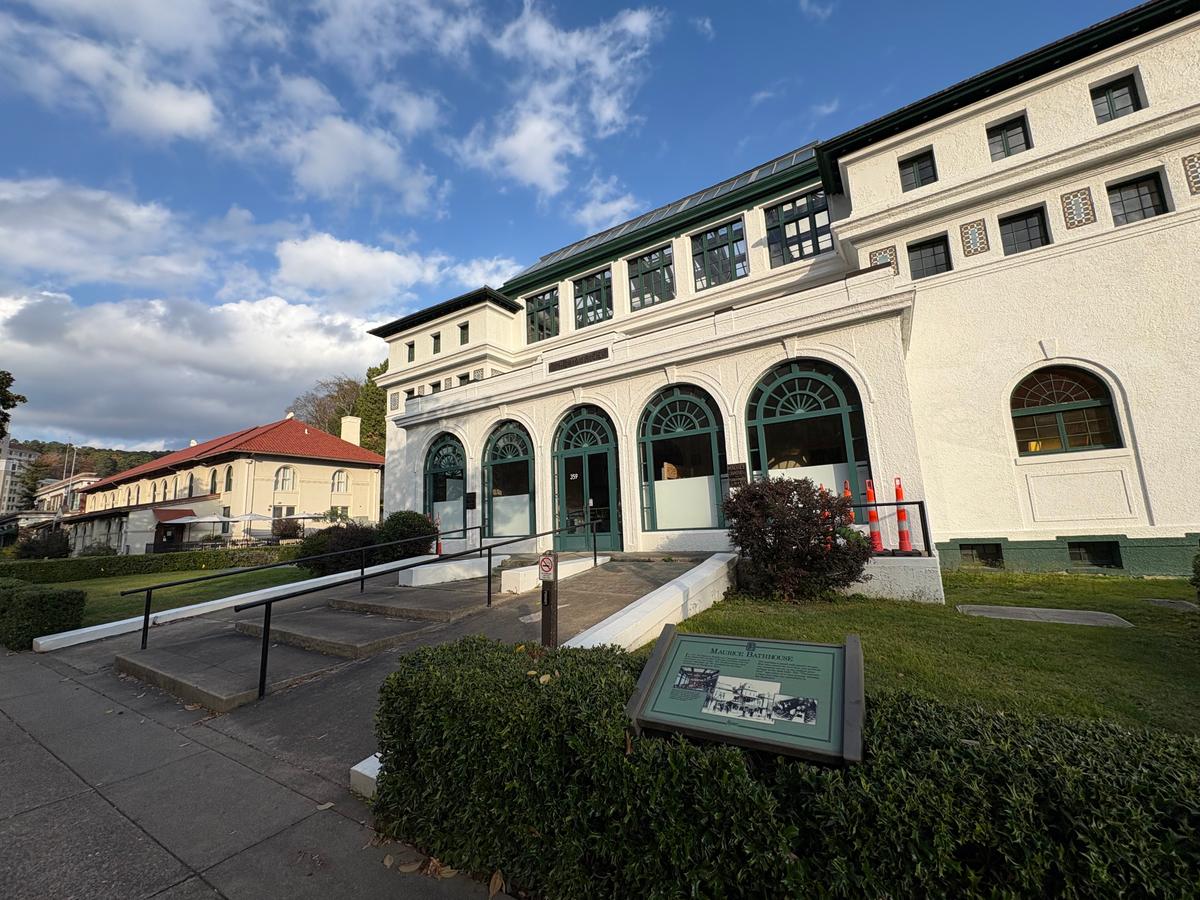
Only two of the historical bathhouses continue to provide hot springs bathing and spa services to the public, Buckstaff and Quapaw. Even so, visitors can walk into and marvel at the historic architectural details of all eight bathhouses—except Maurice, which is currently undergoing an extensive renovation. The other bathhouses serve various purposes: dining, gifts, accommodations, art exhibits, and events.
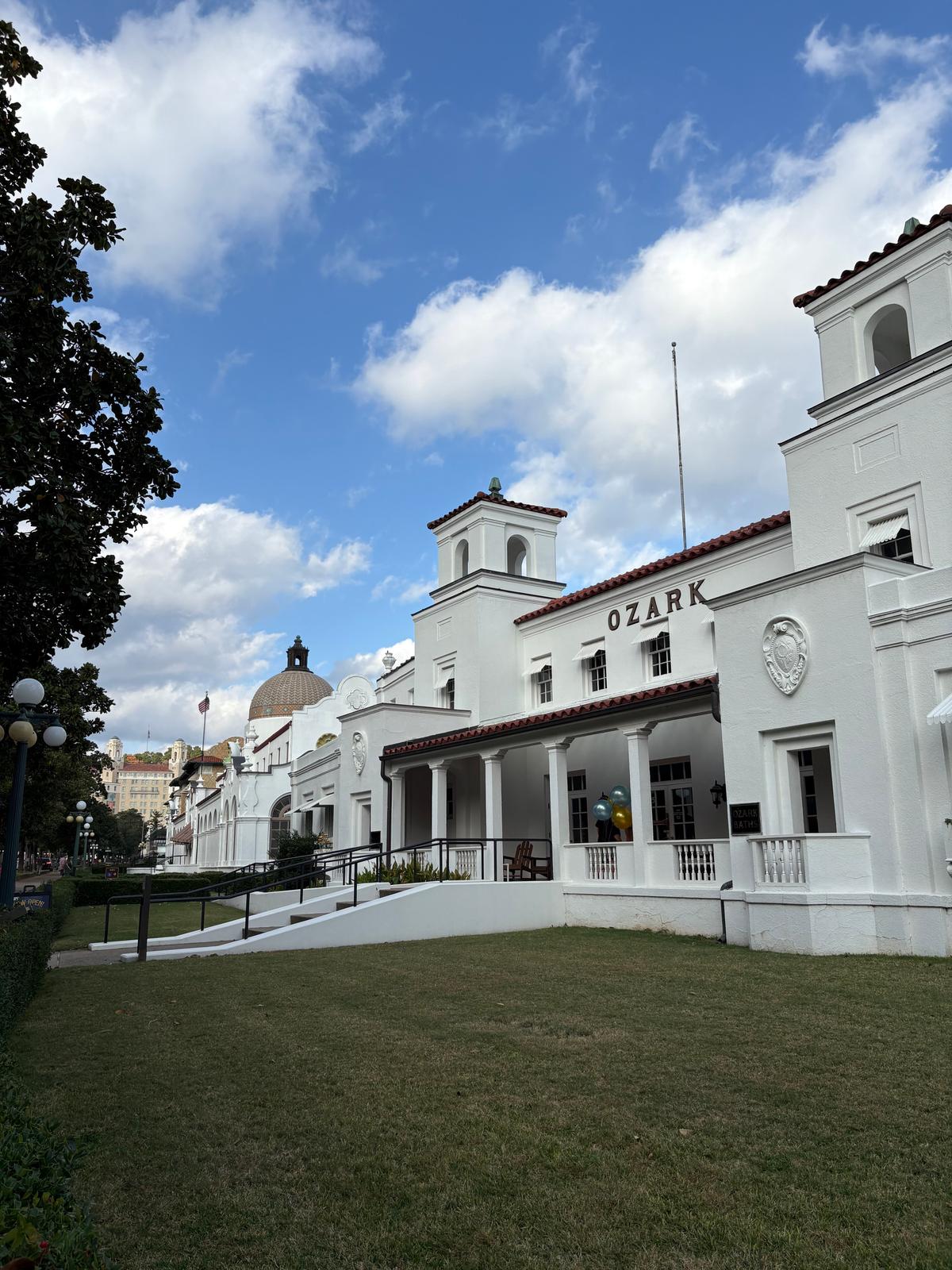
Each conveys the attention to creative design and architectural detailing evident in the late 19th and early 20th centuries. For example, the Spanish Colonial-style Quapaw bathhouse is distinct for its noticeable, tiled Moorish-style dome capped with and ornate copper cupola. Ozark’s covered entryway, supported by classical Ionic columns, is flanked by tiered towers.
Buckstaff is conspicuous for its Neoclassical Revival style and multiple blue and white awnings situated between large, two-story Tuscan columns. An arched glass door with two pairs of symmetrical arched glass windows, adorned with sunburst transoms, are the distinguishing features of the Maurice bathhouse.
All 1200 square feet of Hale was built in Mission Revival style. It even sports a red terracotta roof. Lamar has a wide-bay entryway sun porch; inside is a counter made of Tennessee marble. Superior is made of red brick with painted inset designs in square brick columns, which are topped with pilaster (square) capitals decorated with capstones.
Protected for Generations
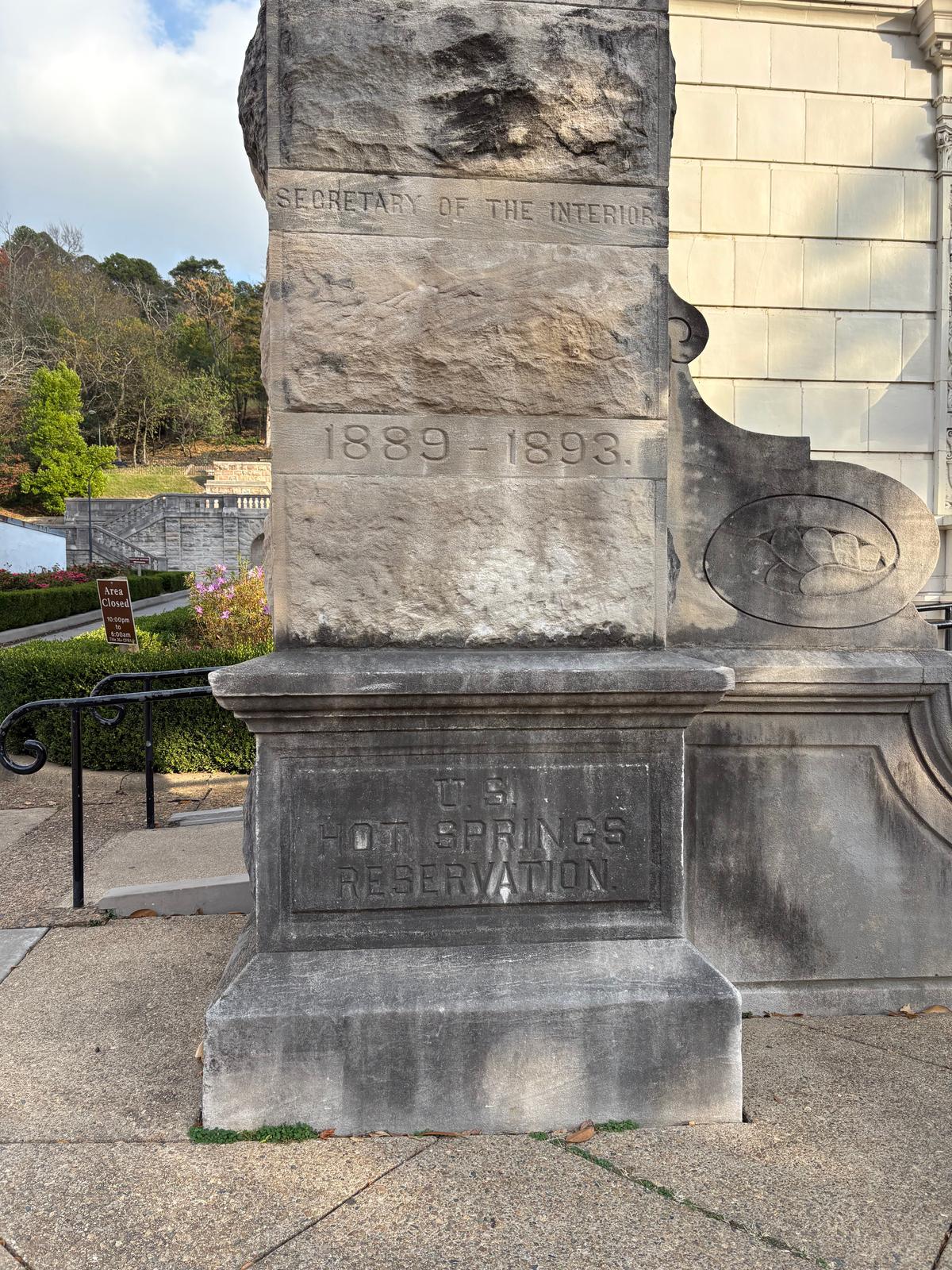
Realizing the importance of the natural resource, President Andrew Jackson’s administration focused on Hot Springs, Arkansas. He signed legislation on April 20, 1832 that set aside “four sections of land including said (hot) springs, reserved for the future disposal of the United States (which) shall not be entered, located, or appropriated, for any other purpose whatsoever.” Although it wasn’t officially designated at that time, it eventually became Hot Springs National Park in 1921—the country’s 18th national park.Bathhouse Row was placed on the National Register of Historic Places on Nov. 13, 1974. Then, in 1987, Bathhouse Row and the Grand Promenade on Central Avenue were designated as a National Historic Landmark District.
Hot spring waters are still accessible in some of the bathhouses, but they are no longer sought after for medicinal purposes. Today’s bath partakers seek “relaxation and enjoyment,” according to Hot Springs National Park Ranger James Byrd, who provided a tour of the historic Fordyce Bathhouse Visitor Center and Museum.
The waters are free and flow from 120-plus year-old fountains located along the Promenade and at trailhead entrances behind Bathhouse Row. Anyone can fill canisters, jugs, and thermoses with the pure water. They can use it in hot beverages or allow it to cool and drink it; they just can’t sell it.
Visitors to the area quickly discover that they can do more at Hot Springs National Park than bathe or drink the spring water. They can also hike the many trails or view the landscape from the park’s 216-foot observation tower. Visiting the historic bathhouses is also an enthralling step back in time.