Malley had been homeschooled since kindergarten.
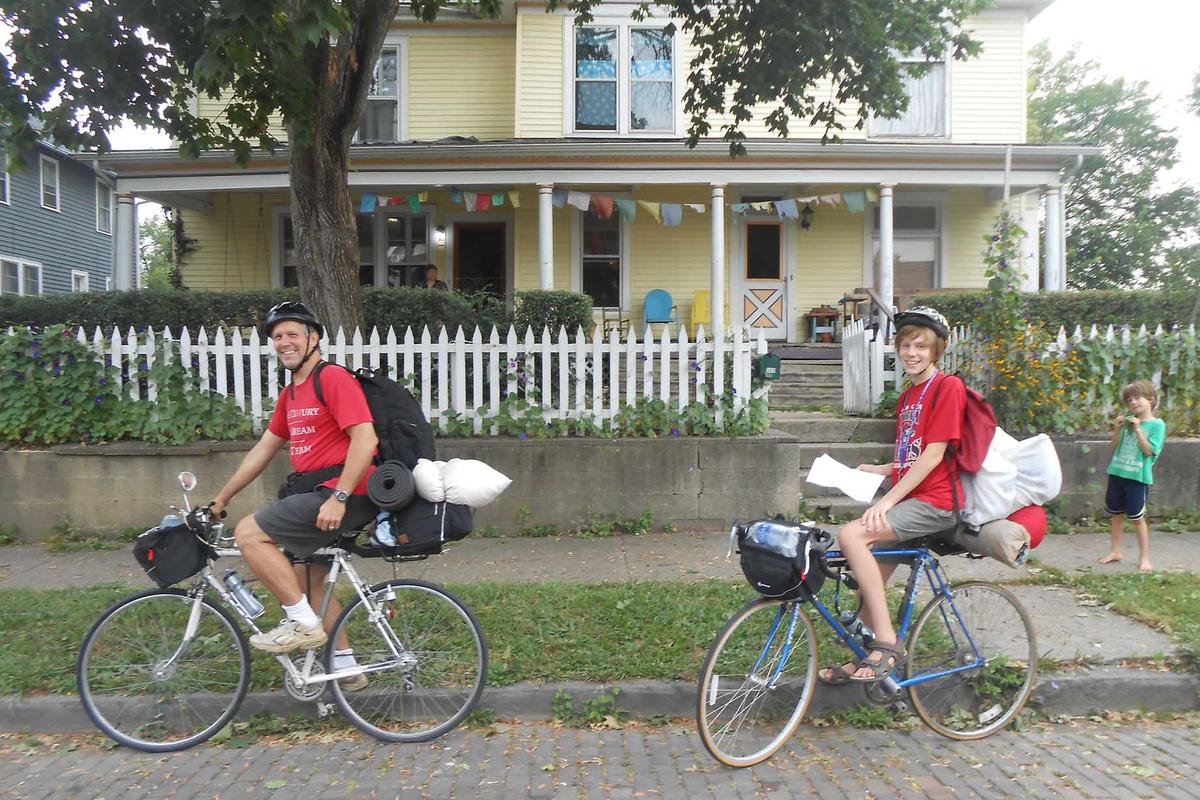

While Malley thrived learning at home, he knows that homeschooling isn’t for everyone. Reviewing his journey, he sees its strengths and weaknesses and knows that some personalities can whither in that setting.
“My personality—I happen to do really well in that environment,” he said. “To my younger siblings, it went moderately well, and I know people that it was bad. They ended up going to [public] school and that was a much better place for them.”
Con: Socialization
Malley says many homeschooled students will not spend much time around kids their age and so won’t gather “shared experiences” like attending high school prom or co-ed gym class. This may be reason enough to choose public school for children who are suited for it.Pro: Leadership
Homeschooling “produces leaders” and “independent thinkers,” Malley said. It helped him take the lead in making amateur movies in the 2000s when he gathered together some of his homeschool friends in his garage to be actors in his remake of “Charlie and the Chocolate Factory.” He shot the movie using his parents’ stone-age JVC tape recorder.He developed the drive to lead, but not all kids are born to call the shots.
“Not everyone wants to be a leader,” he says. “They want to be told what to do.”

Con: Group Aversion
For Malley, the flipside of leadership means he’s less of a team player. “I was given so much freedom to do whatever I wanted to do,“ he said. ”I work very well independently and running my own ship. On graduating, I wanted to work in film and video production, and I had zero interest in working for anybody else."Pro: He Found His Career
Malley grew up with no media in his home—the family didn’t have cable and watched few movies. His rebellion was to make his own movies for homeschool projects.He started his own business making indie films and internal videos for university campuses. Homeschooling sparked a childhood dream that became a career.

Pro: Confidence Building
Alone, free, and tackling projects in his room, Malley was pushed by his parents to discover things himself. He gained an “enormous amount of confidence” to face problems other kids might find daunting, he said, such as installing a circuit board or hard drive. He mastered the art of reading instruction manuals.Pro: Dodging Public School Agendas?
In recent years, more outspoken right-wing homeschoolers have been accusing public schools of injecting ideological agendas into education. Some parents want to seize control over what values their kids are taught, believing public schools are overstepping their role. It’s become a huge motivation to homeschool.Malley, who recently married a public school teacher of disabled kids and who also taught as an adjunct professor, is aware of these motives but believes they’re unfounded.
A Trip Down Memory Lane
Malley’s early studies began in 2005 when homeschooling was still widely considered “weird.” Less trendy back then—before COVID lockdowns made it mainstream—homeschooling was less of a right-wing thing than it is now. His parents were neither conservative nor distrustful of public schools.“They’re tough to pin down,” Malley said of his parents. “They’re certainly not far-left today by any standard.” They are left-leaning, he added, kindhearted “hippies” and averse to money and materialism.
Their choice to homeschool Malley reflected times when parents shouldered different worries. Malley’s older sister—12 years his senior—did go to public school, and that experience tainted his parents’ vision of how kids are altered in that milieu.

Swayed by her peers, she started to talk back, refusing do the dishes or chores on a Saturday because her friends didn’t have to do them in their homes. It was how she dressed, how she spoke. So, as former teachers, his parents changed their approach for Malley, who was just entering kindergarten.
Homeschooling in the 2000s was more “tactile,” he says. The internet was in its early days back then. He drew a lot, read real books, cut construction paper, and measured the circumference of a tree under the open sky rather than on a chalkboard.

“In the early years, they weren’t as concerned about the academics,” he said. “They wanted to make sure that we stayed excited about learning.” They knew reading, writing, and math would come with time.
As “weird” as homeschooling was in the 2000s, Malley wasn’t alone. Though isolated from public school, he went to a K–12 “homeschool gymnasium” in Columbus where hundreds of homeschool families converged to play sports.
But as the years passed he saw lots of his friends shift to public school, particularly in high school. Many parents felt ill-equipped to teach advanced grades.
Not Malley, though. He told his parents, “No, I’m good,” and stayed home with plans to attend college. But no longer did they sit beside him at the kitchen table to do math together.
“It became a lot more independent homeschooling,” he said. They said things like “Look at all the wonderful resources that exist online to do math!” and “You’re going to go through Khan Academy.”

Although Malley felt unprepared for college socially, he battled his way through. Several years later, he proved he was socialized enough to become a husband, as he met his wife, Grace, on a dating app in 2022. They tied the knot last summer.
Lately, they’ve been weighing the pros and cons to decide if they'll homeschool their own kids one day.