When Harold Arlin (1895–1986) graduated from the University of Kansas with a degree in engineering, he anticipated having a career in that specific field. After receiving his diploma, he began his career for one of the nation’s largest corporations, Westinghouse Electric & Manufacturing Company. Almost by happenstance, Arlin’s engineering career took a detour into the new communication medium called radio. Thanks to time, chance, and a soothing voice, Arlin became America’s first broadcaster.
America’s First Station
Frank Conrad, one of the assistant chief engineers at the Westinghouse Pittsburgh location, had been making hyperlocal radio broadcasts. He had been broadcasting music and sports score updates to locals. The company hoped to capitalize on Conrad’s efforts and its own investment in the technology.The company received the first commercial radio station license from the Department of Commerce on Oct. 27, 1920. America’s first commercial radio station was called KDKA.
The timing couldn’t have been better. Only a few days later, on Nov. 2, was Election Day. Before millions of Americans went to the polls to cast their vote for either James M. Cox or Warren G. Harding, the company of Westinghouse built a little shack on the roof of its Pittsburgh location. An antenna with a 100-watt transmitter was placed on top of the shack. It was the perfect time for a live broadcast test run. Arlin, along with Leo Rosenberg, was one of the employees who walked up the nine floors to the shack to participate in the reading of the electoral returns.
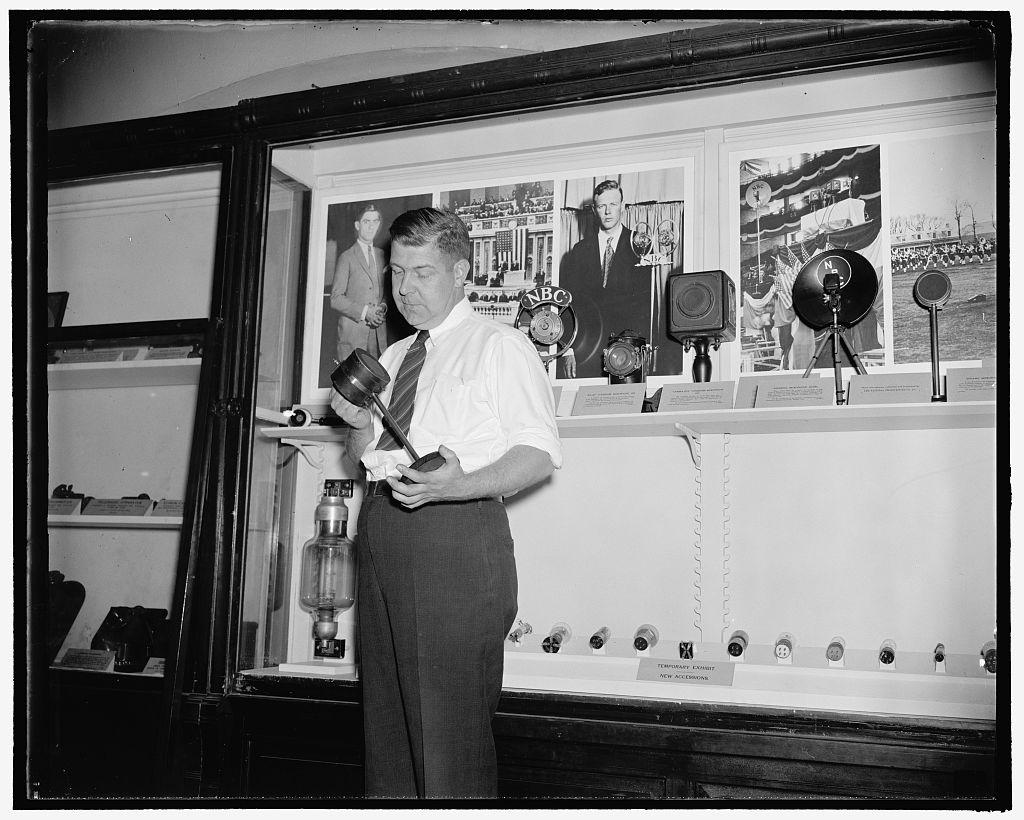
Baseball’s First
On a cool summer day, the Pittsburgh Pirates hosted the Philadelphia Phillies. Before the advent of radio, to follow the proceedings of a baseball game, fans had to attend. Arlin was about to change that.Arlin’s Sports Feats
The following day, KDKA set up a microphone at Allegheny Country Club to broadcast the Davis Cup tennis match between Great Britain and Australia—the first ever tennis match to be recorded on the radio. To call Australia’s 3–2 victory, Arlin was again behind the microphone. Arlin went on to broadcast the first football game on Oct. 8, 1921, between Pittsburgh and West Virginia, which Pitt won 21–13.
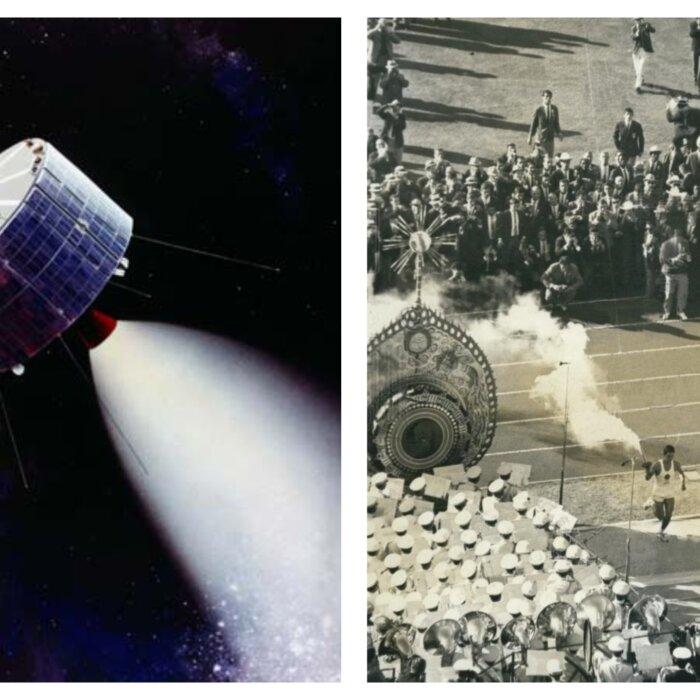
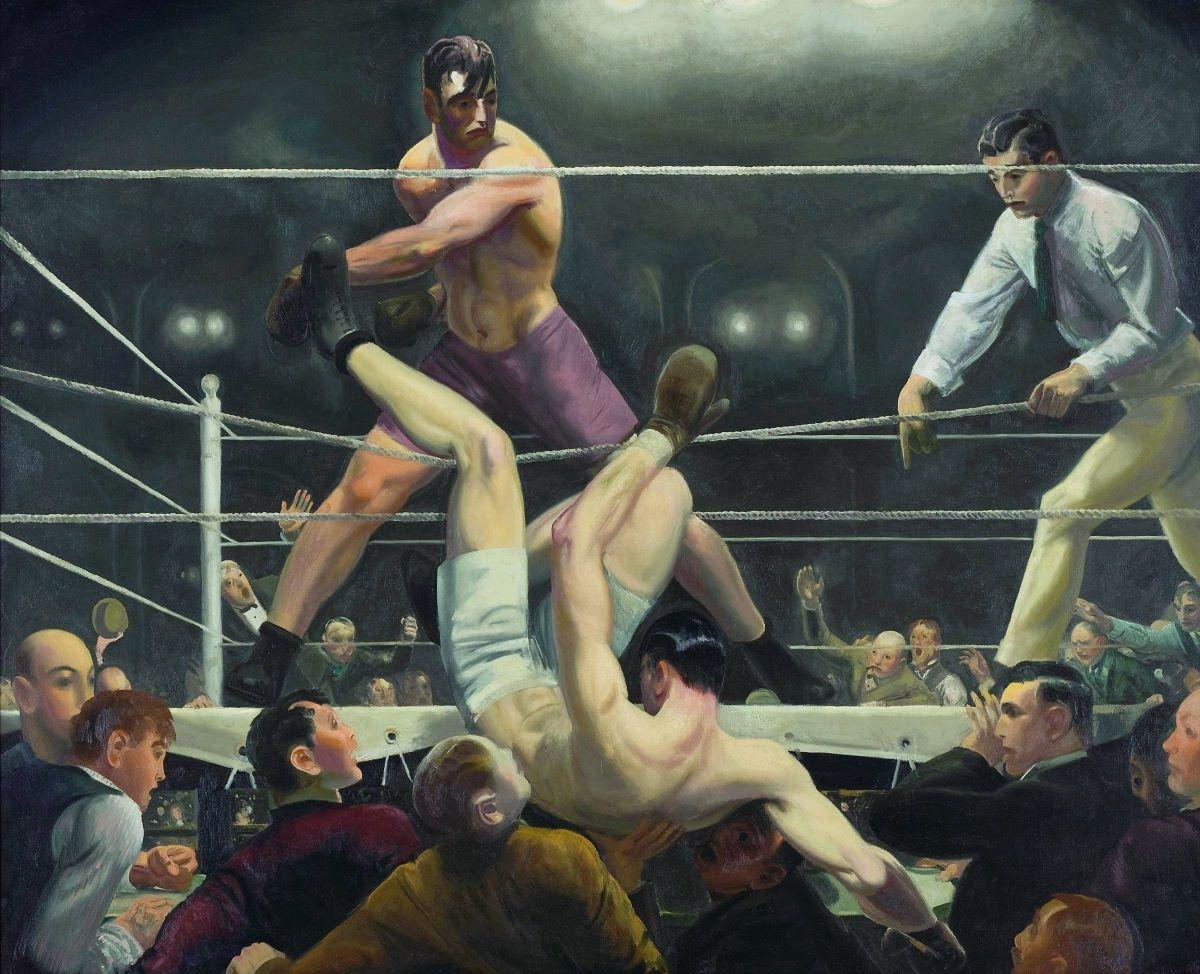
Almost two years later on Sept. 14, 1923, by reading a live wire report relayed from New York City to his Pittsburgh studio, Arlin called the first radio broadcast of a boxing match and one of the most famous boxing contests in history. Jack Dempsey was defending his heavyweight title for the fourth time. His opponent was Argentinian Luis Firpo, who became the first Latin American boxer to contend for the heavyweight crown. The bout lasted less than two rounds, but it was an epic clash, witnessing 11 knockdowns—Firpo being knocked down nine times, and ultimately losing. The most memorable knockdown, however, was when Firpo landed a punch to Dempsey’s jaw, knocking him out of the ring. The moment was most famously captured in George Bellows’s 1924 painting, “Dempsey and Firpo.” Arlin, though, was able to capture it for listeners on the radio.
America’s Most Famous Voice
By the time of this famous fight, Arlin’s KDKA sports broadcasts were being heard in Great Britain and various other places in Europe. Before the age of 30, “the best known American voice in Europe,” according to the London Times, had achieved the moniker of the “Voice of America.”Guest Appearances
Despite his groundbreaking work in broadcasting, Arlin decided to return to Westinghouse as personnel manager in 1926. He did have several moments when he returned to the microphone, like on Election Day 1952 when he was asked to read the election returns in commemoration of his historic 1920 readings. Having retired from Westinghouse in 1961, Arlin was again called to the microphone on Aug. 30, 1972, as a guest commentator when the Pittsburgh Pirates hosted the San Diego Padres. Arlin’s grandson, Steve, was pitching for the Padres.“While his first attempt was probably a bit awkward, it did begin radio’s marriage to baseball, a match made in heaven that continues to thrive to this very day,” said longtime Chicago Cubs radio broadcaster Pat Hughes.
Indeed, Arlin pioneered a path forward via radio for countless others—in radio, as well as television—to become part of that marriage between sports and broadcasting.