If you’ve ever lost yourself in the intrigue of “Bridgerton” or the drama of “Downton Abbey,” “The Forsytes” is your next obsession. The sweeping family saga, steeped in longing, ambition, and betrayal, arrives on “Masterpiece” this March.
Adapted from John Galsworthy’s novel series, “The Forsyte Saga” follows a wealthy upper-middle-class London family across four decades, from the 1880s through the 1920s. At its center is Soames Forsyte, a solicitor whose need to own material possessions shapes his relationship with everything and everyone around him. When he admires a painting, he acquires it—and that instinct, to convert beauty into property, drives the drama at every turn.
A Palette Made for Wealth
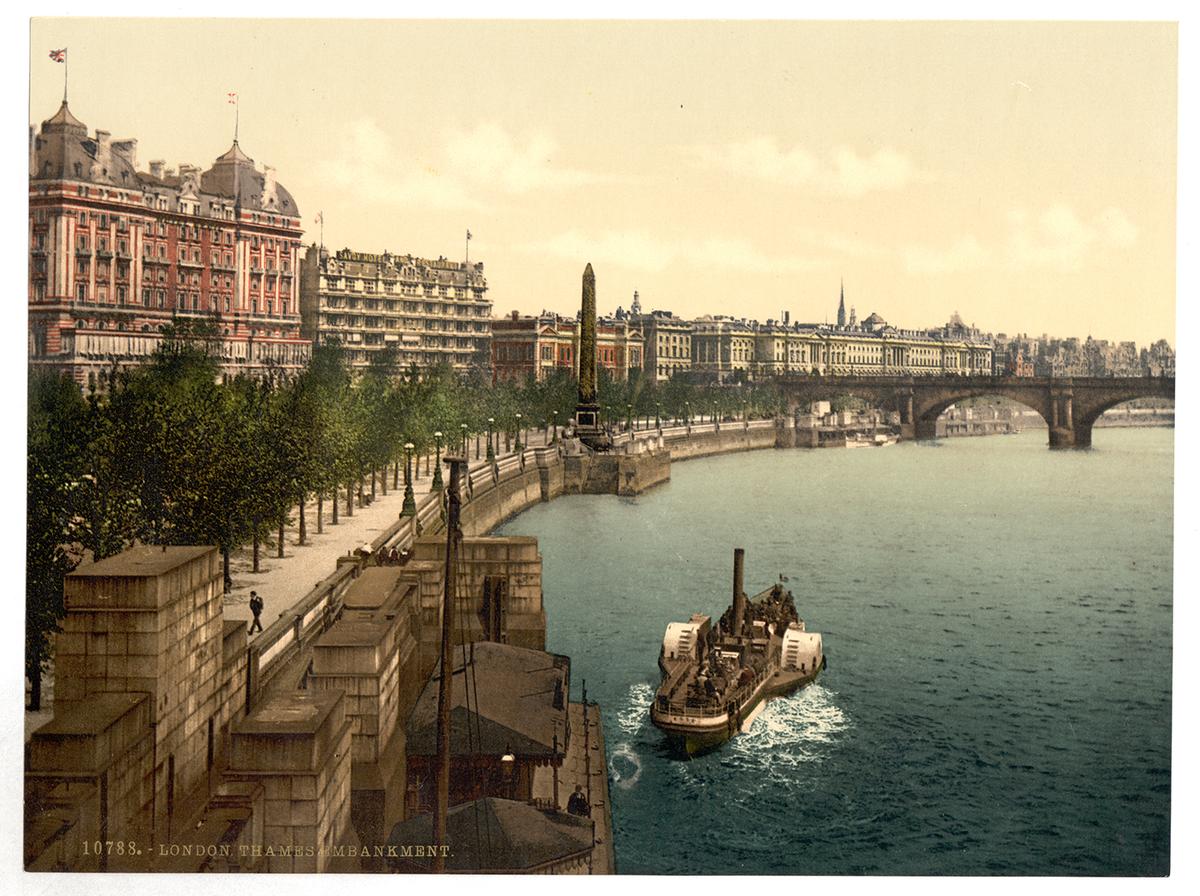
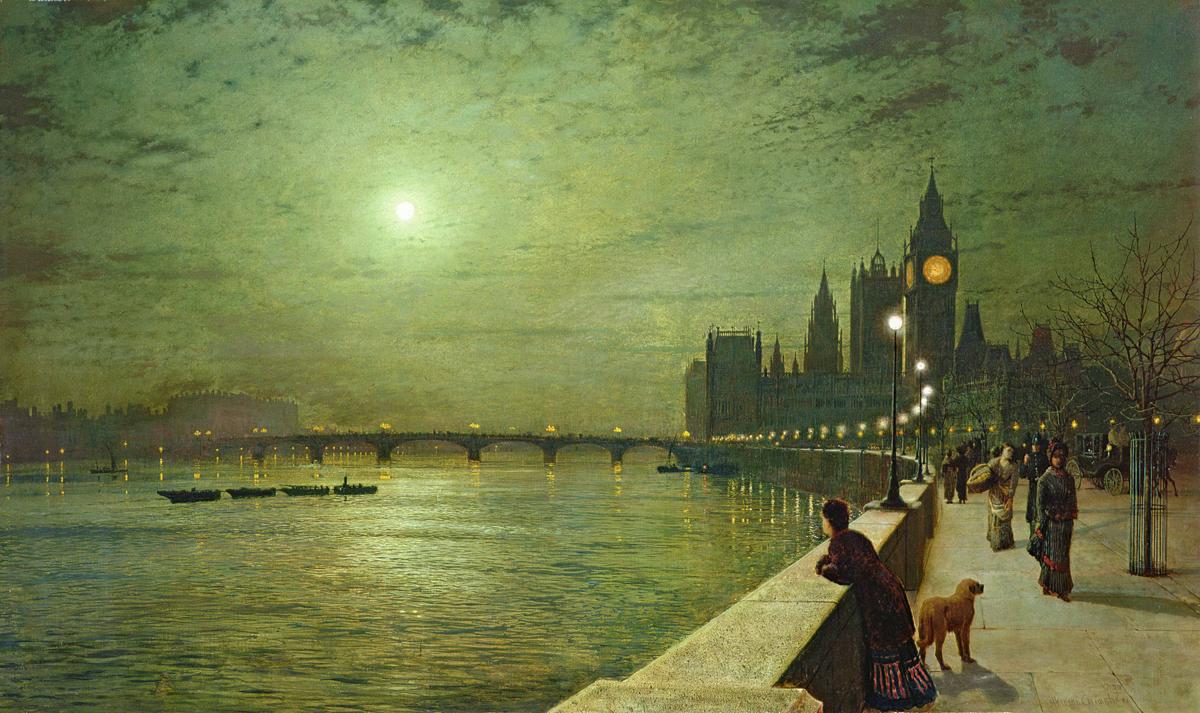
By the late 19th century, the Thames served as the central artery of London’s economic life, and Grimshaw, who spent his entire life in England, understood it intimately. Though “The Forsyte Saga” rarely dramatizes the mechanics of commerce directly, it is apparent in every acquisition and social calculation that the family makes. Like the Thames in Grimshaw’s painting, the financial current is assumed rather than shown.
That same quality of restraint shaped how Grimshaw’s work was received. His tonal palette of muted silvers, deep blues, and the warm amber of gaslight reflected in wet pavement felt less like a stylistic choice than a natural atmosphere, one that aligned closely with the refined aesthetic preferences of upper-middle-class art collectors around the turn of the century. Only the wealthy citizens had grand homes along the Thames.
The View as Property
Perhaps the most resonant connection between Grimshaw’s canvas and Galsworthy’s fiction lies in a concept both explore without quite naming it: the ownership of view.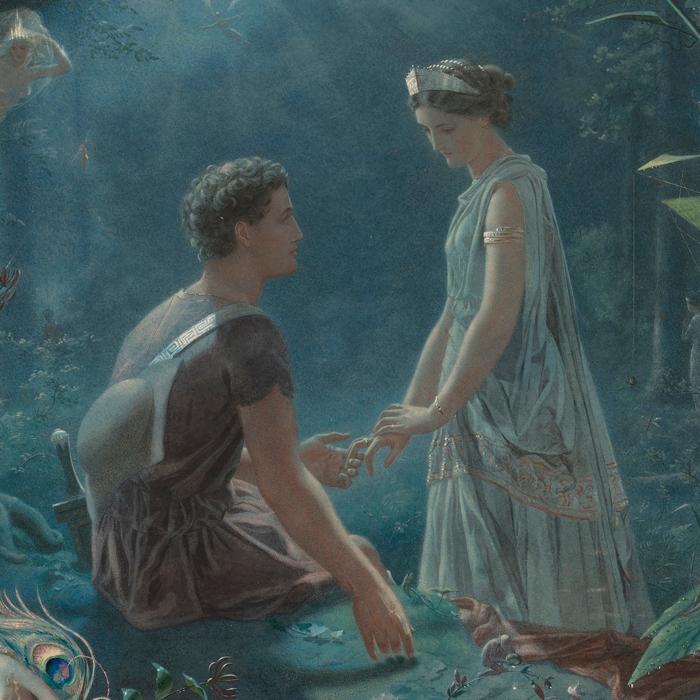
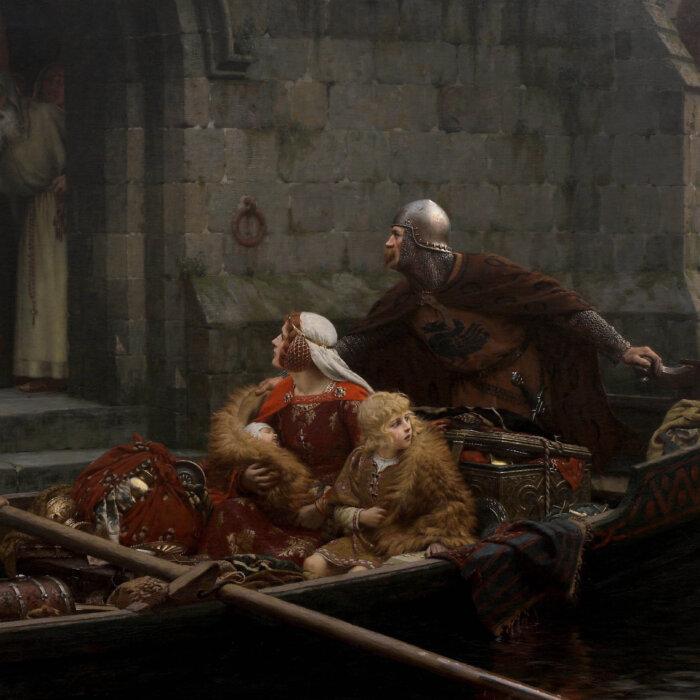
In Victorian London, a Thames-facing house signified social distinction of a particular kind. The river could be framed by a window, domesticated and claimed visually, even if never literally possessed. Landscape painting performs the same operation in a more portable form. It captures a fragment of the world, stabilizes it, and converts it into an object—something to hang, to keep, to pass on.
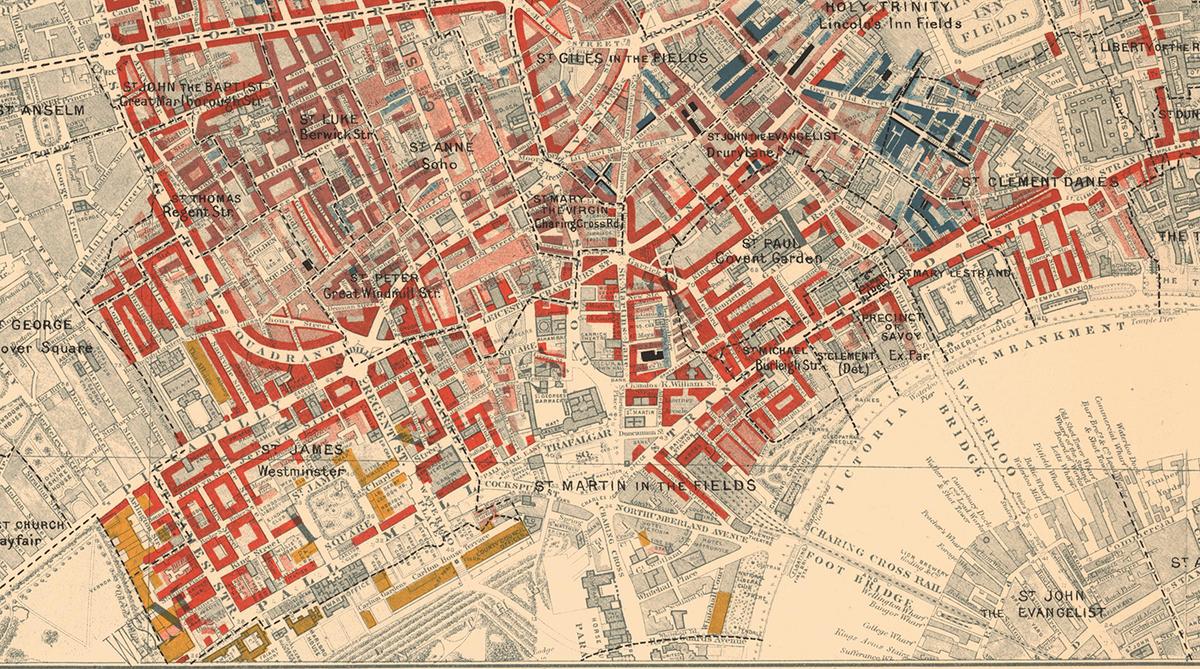
For the Forsytes, ownership defines identity. To possess a house, a painting, or even a relationship is to secure status against the uncertainty of a world always threatening to shift. This irony lies at the heart of Galsworthy’s narrative. His characters seek permanence in a world defined by movement.
Author Galsworthy writes in “The Silver Spoon,” the fifth novel from the Forsyte series:
“And Soames, who had just been watching at Lord’s a miracle of tradition and continuity, fell into reverie over the changes in that London where he had been born five-and-sixty years before … Things were unsettled, people in a funk or in a hurry, but here were London and the Thames, and out there the British Empire, and the ends of the earth.”
Grimshaw’s painting captures this tension visually. The Thames it depicts is still enough to mirror the city above it—to offer a second, inverted London shimmering in the water. But that reflection is inherently unstable. Any disturbance, any current, any passing vessel would shatter it. Like “The Forsytes,” “Reflections on the Thames, Westminster” shows London as sophisticated and beautiful, but also restless, poised on the threshold of change.