Sibelius was born on Dec. 8, 1865 in the town of Hameenlinna, then part of the Russian Empire’s Grand Duchy of Finland. He and his father grew up under Russian rule, while his grandfather was born under a Swedish-controlled Finland; for centuries, there was no independent Finnish state, and, instead, the country had been passed between nations. Sibelius, like many of the educated elite, grew up speaking Swedish despite calling themselves Finnish.
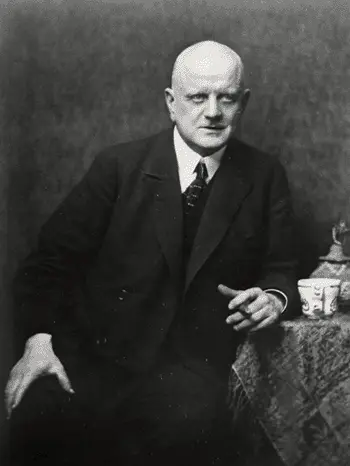
By the end of the 19th century, Sibelius found himself part of the socially progressive artists and intellectuals in the Nuori Suomi (Young Finland) movement, which aimed to rediscover and promote Finnish nationalism and culture. Sibelius learned to speak his native language and, along with many others, embraced a Finnish identity. His early works such as “Kullervo” and “Lemminkainen” drew from the country’s folklore and culture and helped establish him as the musical voice of the movement.
Yet amid the national awakening, a Russian presence began to increasingly assert itself. In 1899, Russian Tsar Nicholas II imposed a policy of “Russification,” which sought to bring Finland’s legislation under more direct Russian control. Public opposition was enormous. Hundreds of thousands signed petitions, and resistance took political, cultural, and symbolic forms.
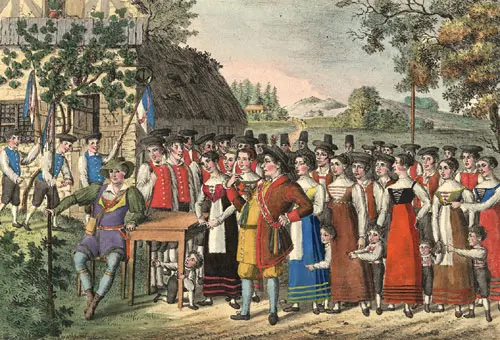
In the final November of the century, Finnish journalists organized a quiet protest. An openly political event would have been prohibited, so the insurgency was instead disguised as a pension fund celebration. A series of historical pageants celebrating Finnish history were put on; Sibelius composed pieces for several of the tableaux vivants depicting different Finnish era. The final scene was named “Finland Awakens” and featured Finnish intellectuals in a new cultural epoch. Among the intellectuals were portrayals of children being taught to read and workers surrounding industrial achievements.
Finlandia
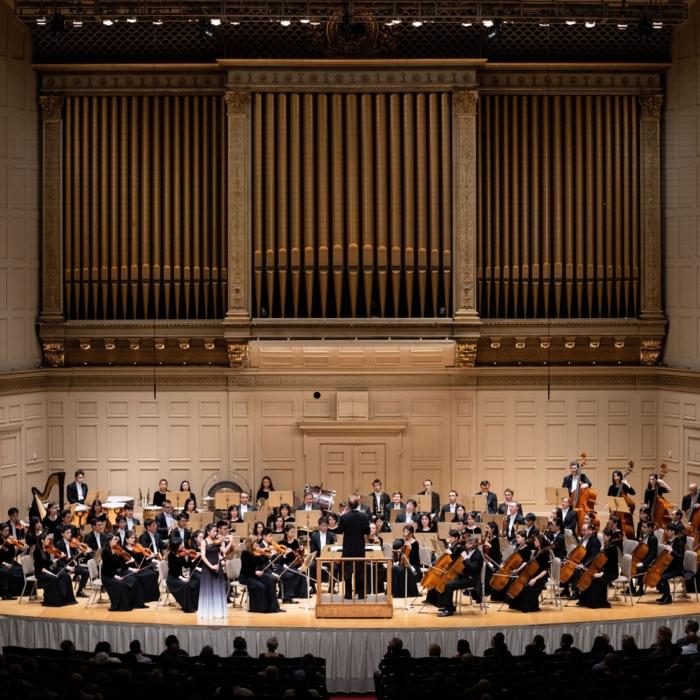
Today’s recording features Charles Dutoit conducting the NHK Symphony Orchestra. (Listen)The piece begins with oppressive chords emerging from an atmosphere of unease, suggesting a piece of uncommon scope and weight. They gradually give way to a series of mournful chorales between the woodwinds and strings (01:01). Trumpets enter with a repeated set of notes (02:55) that seems to be a dark, foreboding fanfare; and along with heaving gestures in the lower strings (03:10), they move to a lively section (03:34) that picks up in tempo and spirit.
Finally, at the climax, the orchestra takes a sudden breath; from the silence arises a chorale that begins with the woodwinds before being played by the entire orchestra (05:24). Lyrics were later added to the melody and subsequently sung in many Finnish national events. Though it is is now sometimes mistaken as a traditional Finnish folk song, the entirety was conceived by Sibelius.
The trumpet fanfare reappears at the very end (07:14), though now it heralds a stirring and triumphant celebration. “Finlandia” concludes with crashing cymbals and rising melodies—a propitious musical journey from a composer fighting for freedom.