During the 18th century, German opera faced an artistic crisis. Germany was not yet a unified nation, but a collection of independent states. While Italian opera had centuries of aristocratic support from the likes of the Medici family, and French opera’s development had the help of King Louis XIV, German artists lacked a similarly powerful centralized institution or patron, someone who could help foster a national identity and voice.
However, a Germanic renaissance was occurring, and by the late 18th century, an artistic style began to emerge. As a new vogue of German baroque buildings lined the streets, rulers of states competed to transform their capitals into artistic centers. Among the foremost was Dresden in Saxony, whose renown as one of the leading artistic centers earned it the name the “Florence on the Elbe.”
It was in Dresden in 1817, amid the baroque palaces and estates of the previous century, that a recently married Carl Maria von Weber (1786—1826) challenged the Italian and French operatic giants by beginning the draft for a distinctly German opera: “Der Freischütz.”
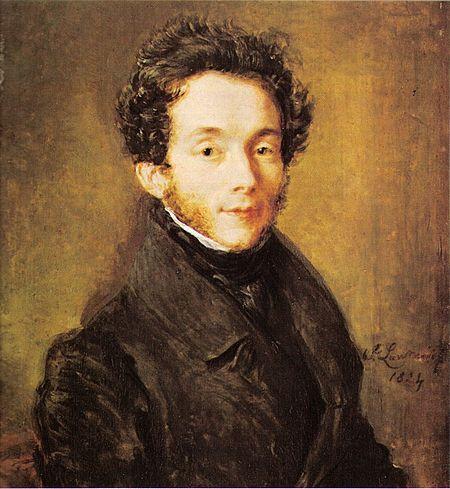
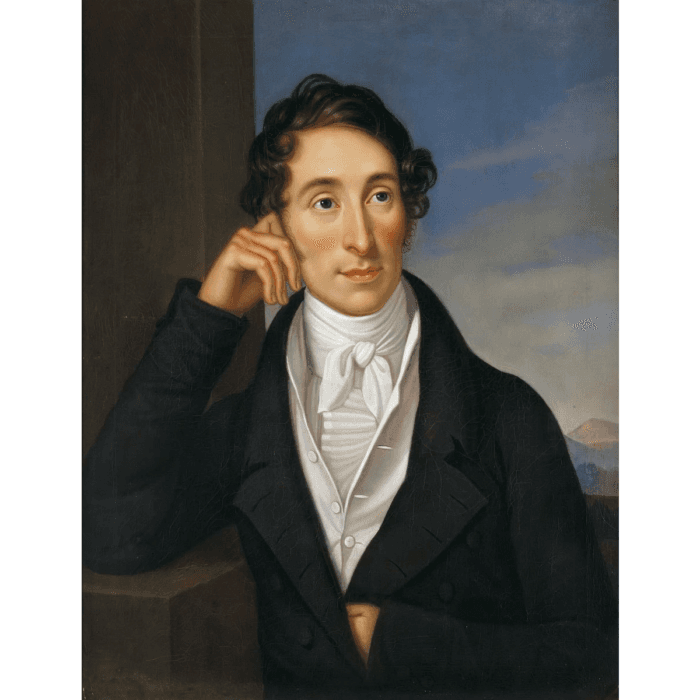
"Carl Maria von Weber," 1814, by Thomas Lawrence. The German composer's landmark 1821 opera "Der Freischütz" helped forge a distinctly German Romantic style and national musical identity. Public Domain
“Der Freischütz” diverged from the dominant Italian and French operatic traditions; it was sung in German and instead of drawing from Greco-Roman mythology or the sensibilities of aristocratic courts, it was rooted in Germanic forests and folklore. Though Weber may have expected the opera to arouse public attention at its premiere in Berlin on June 18, 1821, the popular reception surprised even the composer himself. It became the most widely enjoyed German opera written to date and helped define an emerging German Romantic style.
The ‘Der Freischütz’ Overture
“Der Freischütz” is commonly translated as “The Marksman,” and tells the tale of a Faustian bargain. Max is a young forester who has to win a shooting contest for the hand of Agathe, his beloved. Still, his youthful insecurity and desperate love lead him to procure seven bullets forged under a demonic influence. Though six will never miss their mark, the devil decides where the seventh will land.In previous conventions, the overture (an introductory orchestral piece to an opera) primarily created an atmospheric setting with only slight correlation to the plot. Yet in “Der Freischütz,” Weber strengthened the overture as a narrative prologue by integrating it into the drama and introducing thematic material.
The “Der Freischütz” overture outlines the story of opposing worlds—darkness versus light, fear versus faith—that are engaged in conflict. Weber uses shifts between the tonalities of C major and the sinister C minor variant to represent the conflict. Beginning in the major, the rich, mysterious opening in the lower strings beckons us into a world enchantingly different from ours.
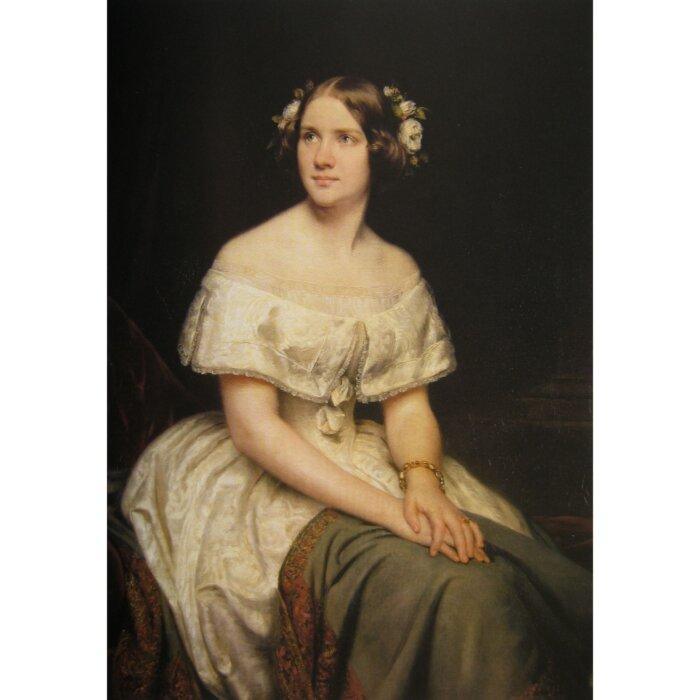
From the soundscape, European pines emerge, shading the forest undergrowth, with sunlight leaking through their canopy. When, from amid the trees, horns begin playing hunting calls—their melody promising rustic and romantic characters. A timpani roll followed by a diminished chord introduces an unearthly presence, and the tonality turns minor as a series of themes connected to Max begins. This turbulent section ends with the entrance of a clarinet playing Agathe’s theme in the original major key; the sweet and fluttering melody later appears in the opera as an aria sung by Agathe. We finally end with a triumphant finale, hinting that this opera might not be a tragedy.
The “Der Freischütz” overture features sudden and dramatic character changes, that, if not properly prepared, can sound abrupt and awkward. Yet in today’s recording with Carlos Kleiber conducting the Südfunk-Sinfonieorchester, the eclectic energy, buoyant rhythms, and incredible grasp of momentum successfully navigate this difficult overture. He brings a shimmering sentimentality and a youthful vigor to a piece that captured the heart and soul of an emerging German nation. (Listen)
What arts and culture topics would you like us to cover? Please email ideas or feedback to [email protected].