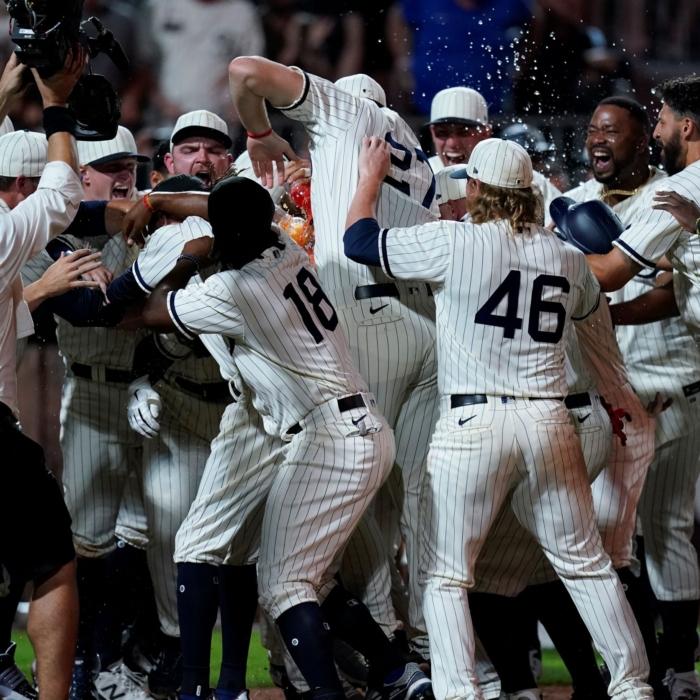
Some may wonder about the point of a sport like baseball. Where’s the sense in one man pitching a ball at another who will hit it away, only for the ball to be brought back in by fielders, and for all players to simply repeat that routine?
But sport, as this remarkable film shows, is greater than the sum of its parts.
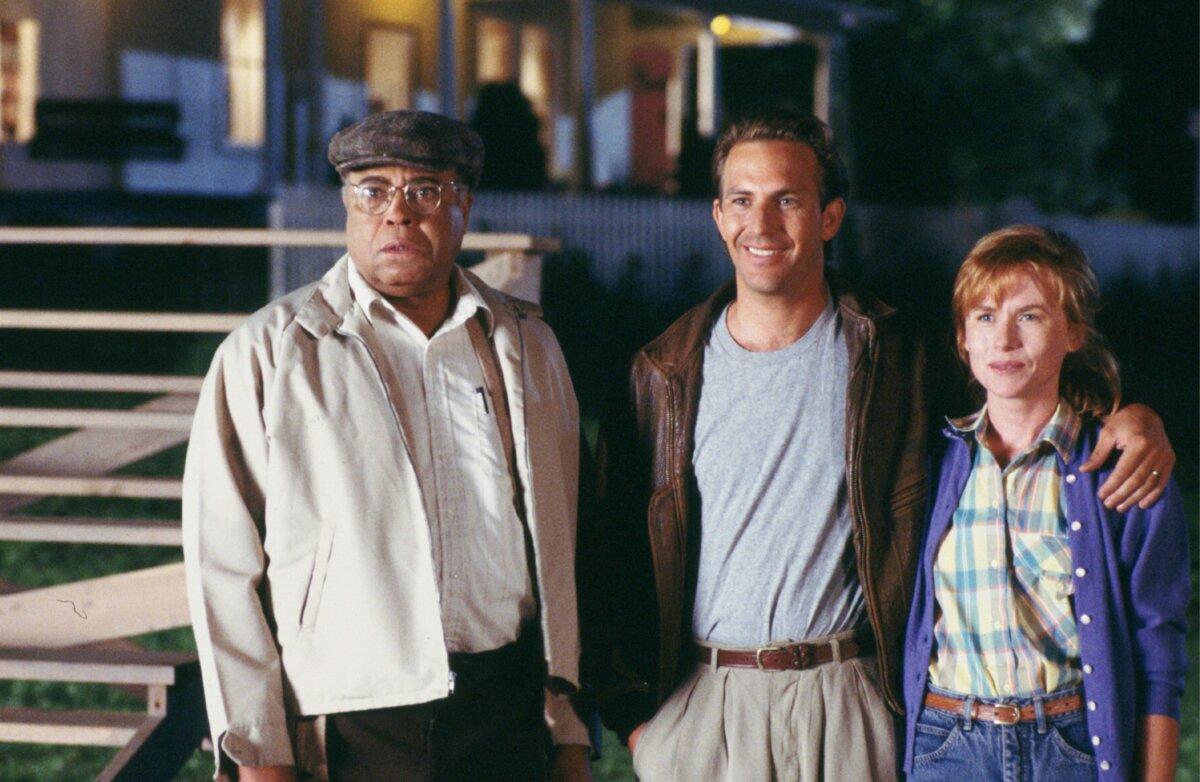
Ray and his wife Annie (Amy Madigan) obey. The others can’t see Jackson or the yesteryear players he brings along to play on that field. The others warn the couple of looming bankruptcy. Then, Ray meets reclusive, controversial writer Terence Mann (James Earl Jones). Together, they set out on a nostalgic path that blurs the chalk lines between Ray’s cornfield and the field of his dreams.
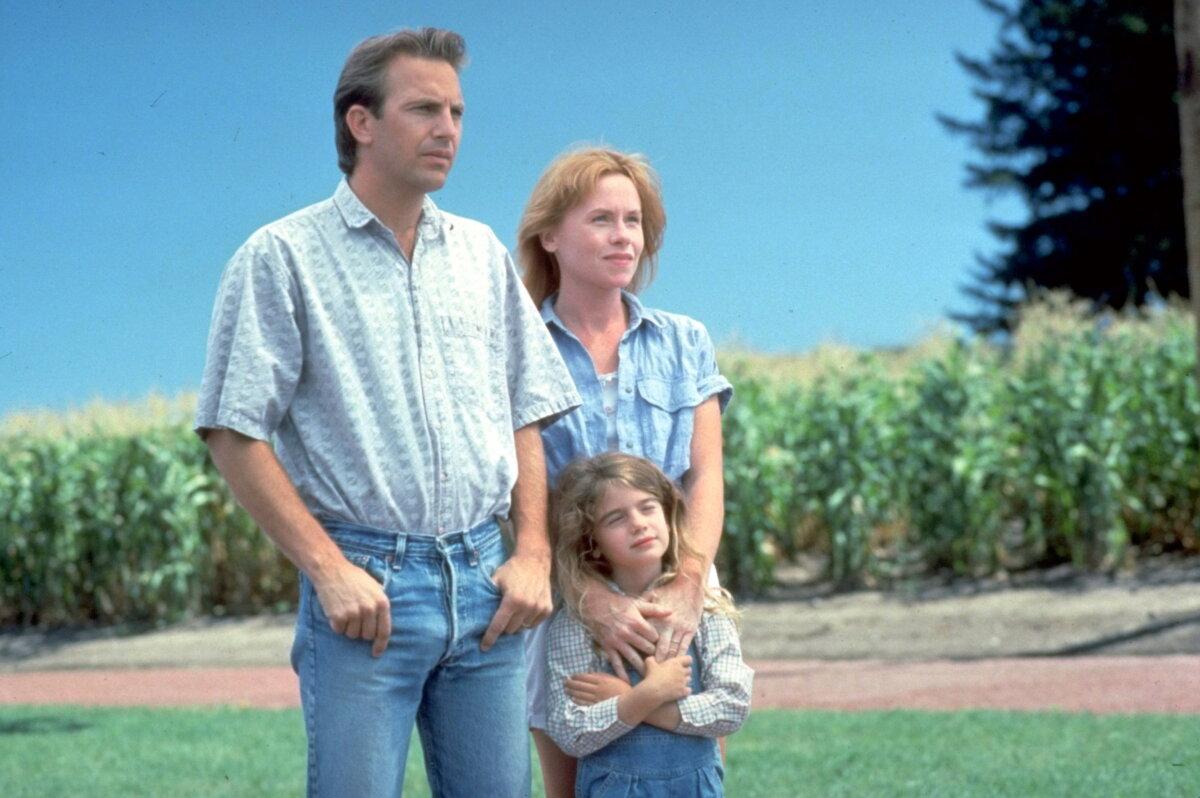
Yes, Costner’s Ray seems to say that baseball involves rushing about on a baseball field. But it’s also about pausing in the field of life to see ourselves as we are. It’s even about stopping to see others as they are, not as we imagine them to be.

Ray recalls how his father, John, a Jackson fan, nursed dreams of being a league player. He tried to get his boy to take up baseball. But Ray gave up the sport. He threw a fit of boyish pique over Jackson’s reported links to throwing the 1919 World Series for punter money. Jackson may have been mistakenly tarred, then barred from baseball. But did Ray, in spitefully associating his father with scandal, bar himself?
Memories Can Hurt—or Heal
Ray gets it. His memories can hurt him if they exaggerate the moments when he felt unloved or didn’t feel loving. But memories can heal if they celebrate the years and decades when he loved and was loved, regardless of how he felt. Faithfulness matters more than feelings.Love may start out as a choice rather than solely a feeling, but it’s perfected only when it becomes a habit.
It’s this habit that withers when misunderstandings or sullen silences are repeatedly allowed to fester into grudges or brooding resentment. Jackson likens his career that was cut short to the limb loss of an amputee; he’s like an old man who still reaches to scratch the leg that was amputated years ago.
Mirroring Ray’s sense of loss and longing, another character, Dr. Archibald “Moonlight” Graham (Burt Lancaster) recalls his life’s missed opportunities. “We just don’t recognize life’s most significant moments while they’re happening,“ Graham says. ”Back then I thought, ‘Well, there’ll be other days.’ I didn’t realize that that was the only day.”
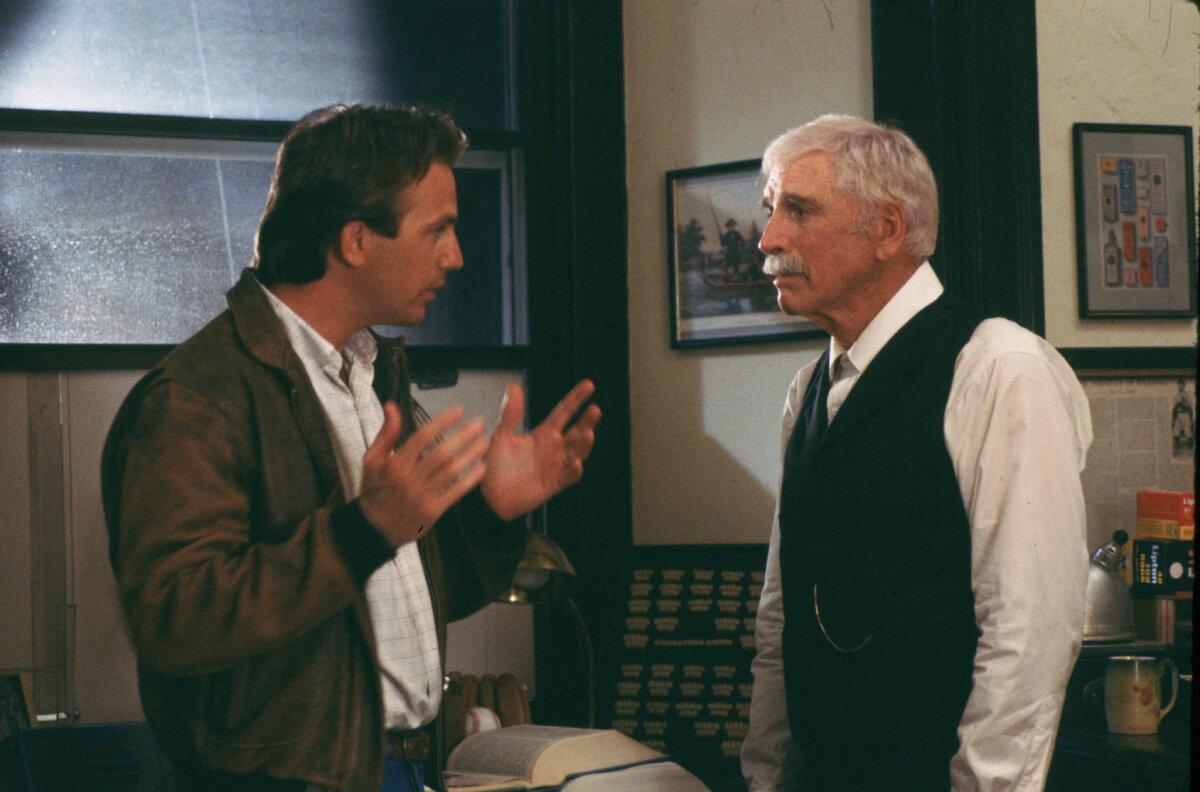
Here, Mann reassures a still tentative Ray that he’s right to have built the ballpark. Why? Regardless of changes America has seen through the years, Mann says, “Baseball has marked the time. This field, this game, it’s a part of our past, Ray. It reminds us of all that once was good and it could be again.” Watch, to find out if Mann is right.