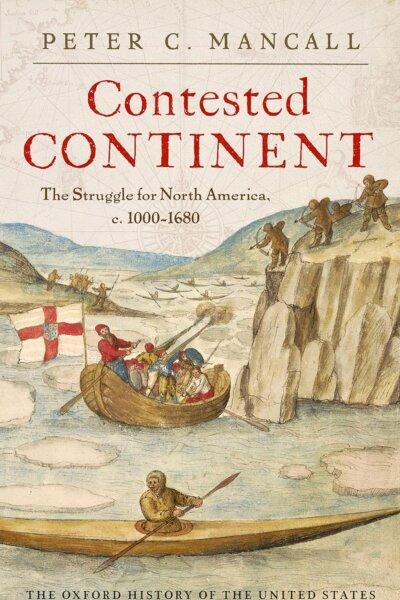
So many books have been written about the European exploration and conquest of North America that it’s too easy to approach Peter C. Mancall’s newly published “Contested Continent” with an exasperated muttering of “been there, done that.”
The First Americans
Of course, no European can claim to have discovered North America because the continent was already occupied for thousands of years. But appreciating the scope of the pre-contact indigenous societies is difficult. Lacking written languages and the ability to publish their histories, these cultures relied on oral traditions that were often lost.Mancall does a wonderful job in piecing together what’s known about pre-contact North America. These societies had complex hierarchies and a great knowledge of seasonal agriculture and the migratory patterns of wildlife.
The author notes that almost no indigenous society lived in total isolation. Trade occurred regularly among the various Native cultures, and captives taken during intertribal wars were enslaved by the victors.
The Norse Arrival
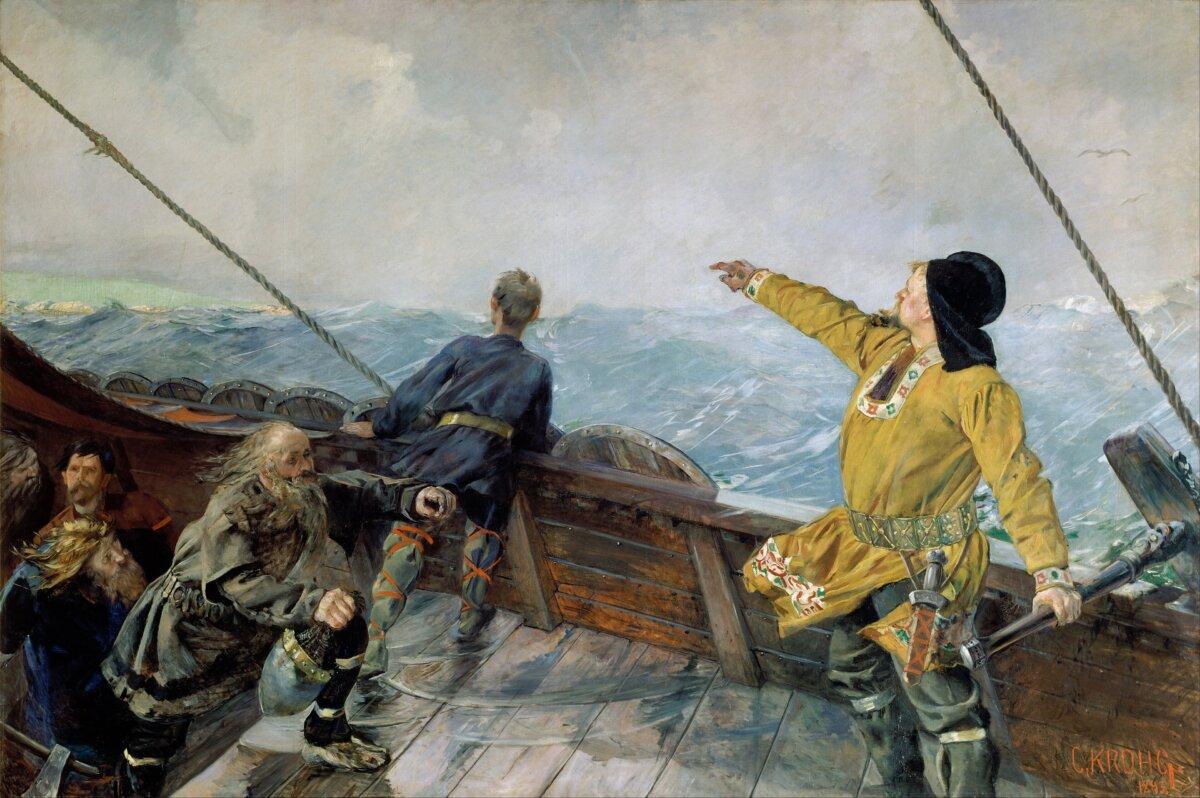
The most intriguing aspect of Mancall’s book examines the first confirmed European settlement on the North American continent. This occurred around the year 1000, when 35 explorers under the guidance of the Norseman Leif Erikson arrived.They made landfall in what is today’s Newfoundland. Erikson named the territory Vinland (or Vineland) after the discovery of grape vines near their landing.


The author explains that encounters between the Norse and the native Beothuk tribe were erratic. Sometimes there was peaceful trade and other times there were violent skirmishes.
While the Norse established a settlement that included livestock brought from their homeland, they abandoned Vinland after nearly 300 years. Climactic changes from the North Atlantic’s Little Ice Age prevented the colony from sustaining.
The full credit for this seminal moment in history wasn’t immediately established because the story of Vinland was passed down through sagas that blended the factual with the fanciful.
Mancall cleverly pays tribute to the “descendants of the Norse who had colonized parts of Ireland and Britain and France” as the ones who would later “send explorers, then soldiers, then colonists west.”
Columbus and Company
The Golden Age of European exploration didn’t go full-throttle until the late 15th century. While Portuguese navigators sought routes around Africa to South Asia, the Genoese mariner Christopher Columbus advocated a western journey.Mancall notes that history could have turned out very differently. It seemed that Columbus’s brother Bartholemew presented the trans-Atlantic route theory to England’s Henry VII, who was willing to back this expedition. However, Columbus didn’t learn of this until after he received backing from the Spanish monarchs Ferdinand and Isabella.
“Conflicted Continent” follows Columbus’s 1492 voyage and scores of subsequent journeys by Spanish, British, French, and Dutch explorers. What happened next, as Mancall eloquently described, showed the best and worst of the human experience.
In reading this book, it’s difficult to not be in awe of bravery and daring that the Europeans brought to their adventures. Likewise, one feels sympathetic to the indigenous populations. Their sincerity in accommodating the earliest waves of European arrivals were betrayed with kidnapping, enslavement, cultural erasure, and bloodshed. The fact the indigenous populations didn’t vanish completely from the European onslaught was the hemisphere’s greatest miracle.
Perhaps the most startling odysseys described by Mancall involved the Spanish explorer Cabeza de Vaca. De Vaca led three surviving companions of the ill-fated Narváez expedition on a 1,200-mile trek across today’s Texas and Southwest to the Gulf of California. It’s astonishing to consider how this party walked across unknown terrain and gained the trust of the indigenous communities they encountered.
One of de Vaca’s companions was Estevanico, an enslaved African, and his presence is part of a wider shameful history that Mancall considers. “Conflicted Continent” bluntly explains how slave labor was responsible for sustaining the fledgling economies of Europe’s North American outposts.
While millions of African slaves were imported across the Atlantic, other enslaved peoples arrived. There were indentured servants from Britain in their nation’s East Coast outposts while South Asians were trafficked through Manila to the Spanish settlements in the Southwest. This aspect of North American history is presented in a frank and honest manner that avoids sensationalism.
“Contested Continent” is such an engaging work that it leaves the reader hungry to follow Mancall further into North American history. When lists of the year’s best books are compiled in late December, this title belongs among the rankings.