The transition from active-duty servicemember to civilian is often difficult, especially if the veteran is returning to the wider society with physical and/or mental health issues that weren’t properly addressed while he or she was in uniform.
Chrisanne Gordon, MD, a board-certified physician who gained prominence as an advocate for veterans living with traumatic brain injury (TBI), has teamed with writer Ezra Byer on the new book “Guarding Our Guardians.”
In it, the authors examine the challenges faced by vulnerable veterans. The book is both a warning about the ongoing neglect that too many veterans face and a guide for helping former military personnel readjust to civilian life.
An At-Risk Population
The landscape that Dr. Gordon exposes is grim. A 2025 report from the National Center for Health Research found that nearly 17 percent of living military veterans from the Iraq and Afghanistan wars, approximately 142,000 individuals, currently have post-traumatic stress disorder (PTSD), while another 35 percent may develop PTSD in time.Furthermore, nearly 67,500 veterans are homeless, accounting for 10.6 percent of the nation’s unhoused population. More than one million veterans are living below the poverty line, and at least 70,000 veterans are incarcerated, with many of the imprisoned dealing with untreated PTSD or TBI.
Since the 9/11 attacks, more than 30,000 active-duty personnel and veterans have committed suicide, which is more than four times the number that died in combat in the years following that terrorist assault on the American mainland.


Even when veterans are in fine health, they often find themselves in an environment they don’t recognize. Dr. Gordon recalls the example of a retired Army sergeant who became adrift in the civilian world after 25 years in uniform:
“Stepping out of the military meant becoming a stranger in his own country, figuring out mundane basics such as managing a household or bonding with neighbors, all while his brain was still calibrated to the tempo of war.”
The VA Miasma
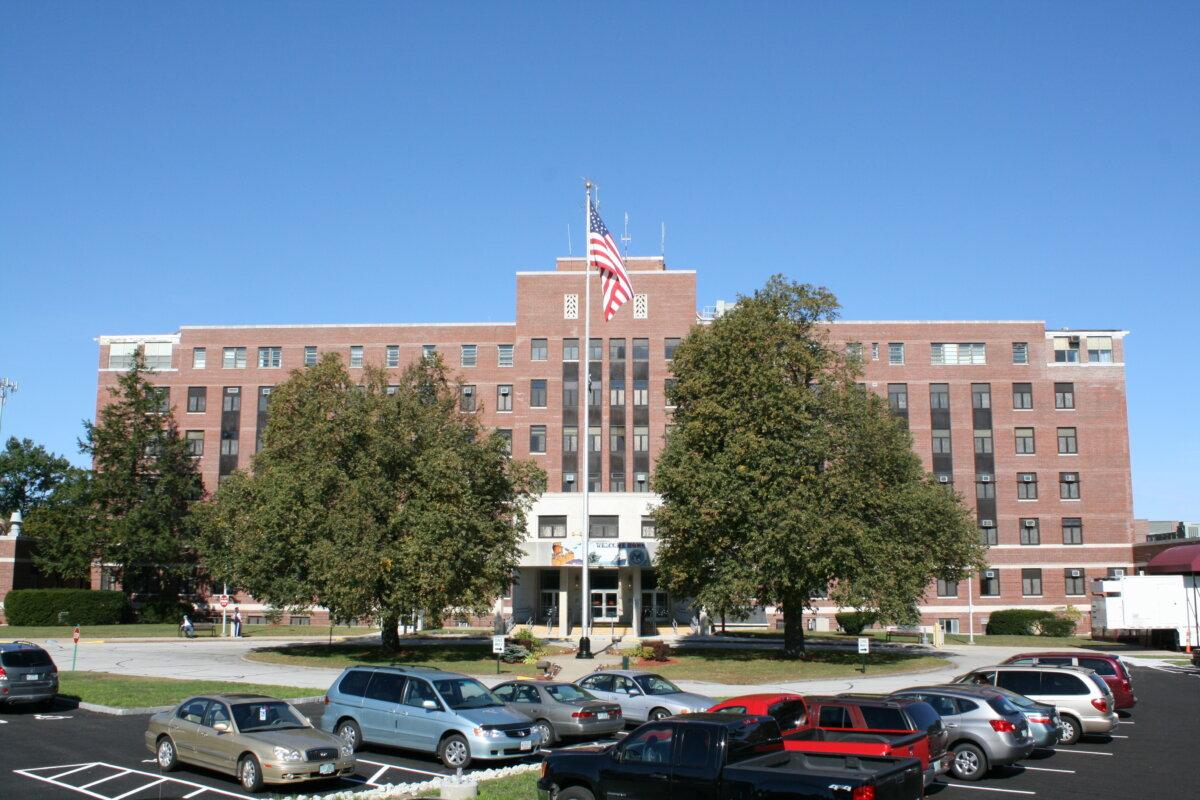
She also calls out the Department of Veterans Affairs (VA) for taking bureaucracy to new depths of cruel indifference. She recalls that if a veteran were 15 minutes late for a medical appointment, it would be automatically canceled; the veteran would have to reschedule for another opening, which could be months later. As one VA administrator coldly told the author, “Dr. Gordon, we don’t coddle people here.”Even worse, the medical systems at the Department of War and the VA aren’t compatible. Veterans often shoulder the responsibility of ensuring that their paperwork is properly exchanged.
The VA was also historically mandated to refuse medical treatment for veterans with other than honorable discharges, even if their disqualifying infractions were the result of untreated PTSD or TBI. No exception to this rule was provided until June 2024.
Education and Employment
Dr. Gordon also details the obstacles veterans face in pursuing the educational opportunities that are supposed to be available through the GI Bill. Confusing paperwork, delays in receiving benefits, and the failure to match individuals’ military expertise with the right educational environment has created endless difficulties for many veterans, who have no idea how to navigate today’s academic infrastructure.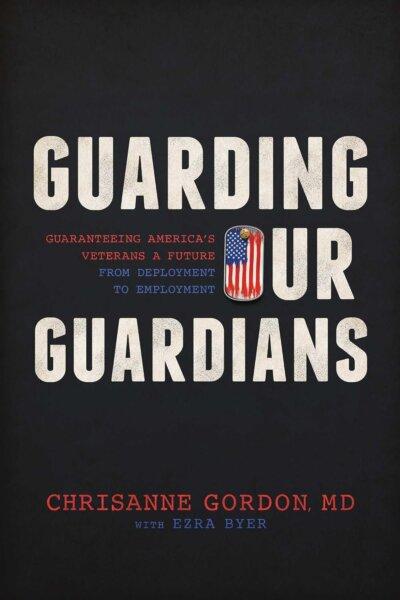
Few colleges and universities make a proactive effort to integrate veterans into the classroom and campus setting. The veterans enrolling in college are older than most of their classmates and often feel uncomfortable calling attention to their military service.
Dr. Gordon profiles Col. Mike Carrell (Ret.) and his Veterans Leadership Foundation at Ohio State University for its success in transitioning warriors into scholars. She also calls on the federal government to provide grants and incentives to colleges and universities with veteran-friendly programs and high veteran graduation rates.
Dr. Gordon touches on the difficulties that veterans face when trying to enter the job market. She’s unimpressed with sporadic and symbolic efforts made by companies to recruit veterans and calls out the bias where companies fear that having veterans on the payroll will increase their health care costs.
She wonders why companies of all sizes don’t partner with the military to create pipelines that would ensure a steady wave of qualified new employees.
Ultimately, Dr. Gordon’s book agitates for more attention to be given to Americans whose needs have traditionally been ignored or are only acknowledged with polite yet mechanical thanks for their service on Veterans Day.
“Guarding Our Guardians” offers some wonderful ideas to help the former servicemembers in need of assistance. To date, there’s been no great alacrity in fixing these problems.
Ultimately, the reader has to wonder whether anyone with political or financial authority is willing to take charge and enact positive change for the too many at-risk veterans who continue to suffer in silence.