The Florentine Sandro Botticelli painted some of the most beautiful and beloved artworks of the Italian Renaissance. His subjects ranged from the mythological, with famous examples including “The Birth of Venus” and “Primavera,” to magnificent religious paintings of the Madonna and Child, as well as portraits of powerful people, including members of the Medici family.
The Florentine Master
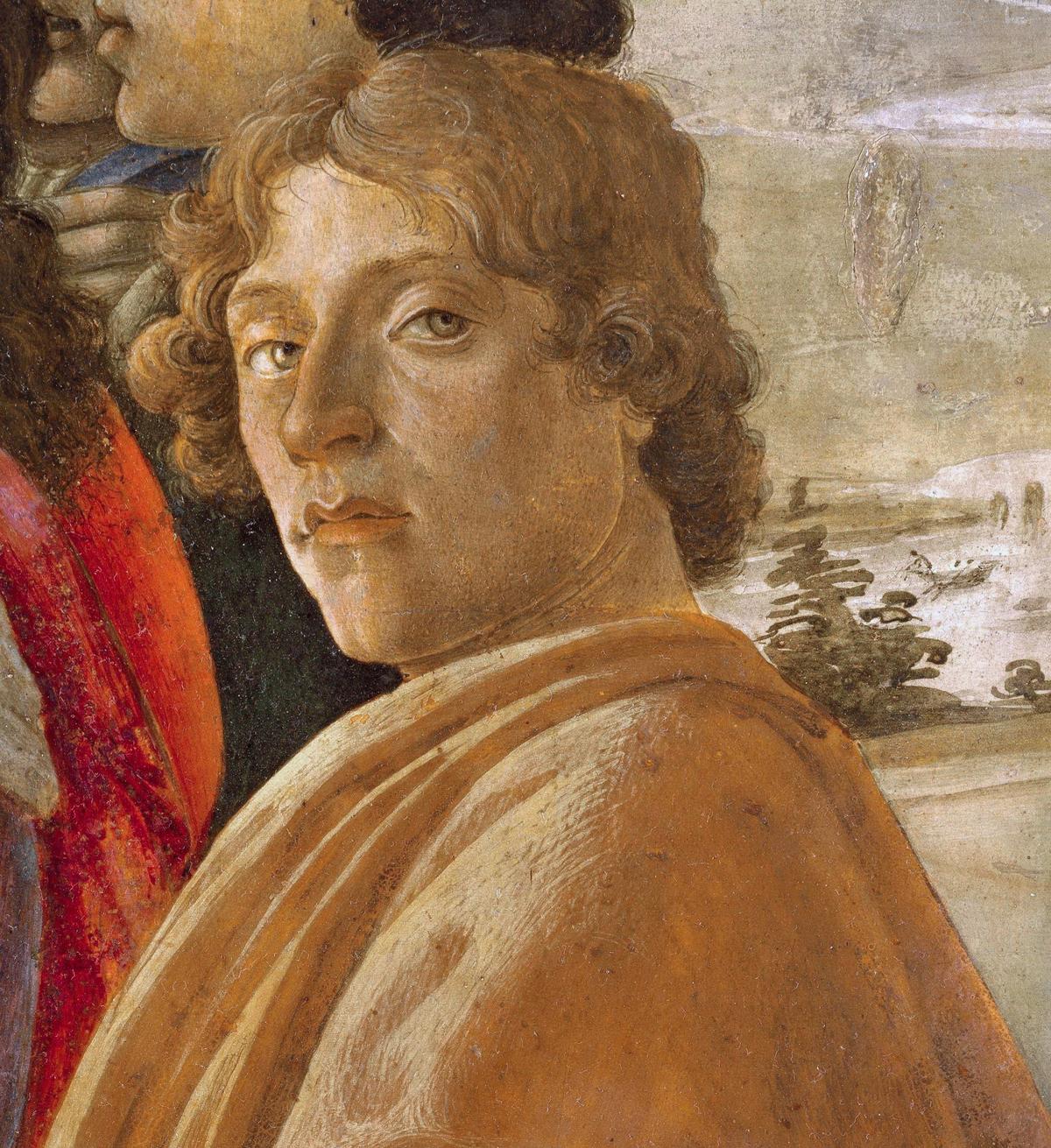
Botticelli (1444/45–1510) was born the son of a tanner in the Ognissanti neighborhood of Florence. He showed artistic talent at an early age and was probably first apprenticed with a goldsmith before joining the studio of the prominent Fra Filippo Lippi (circa 1406–1469), who received commissions from illustrious Florentine families. By 1470, Botticelli had set up his own workshop on Via Nuova d’Ognissanti (now known as Via del Porcellana), leveraging connections forged during his time with Fra Filippo.
A Paragon of Womanhood
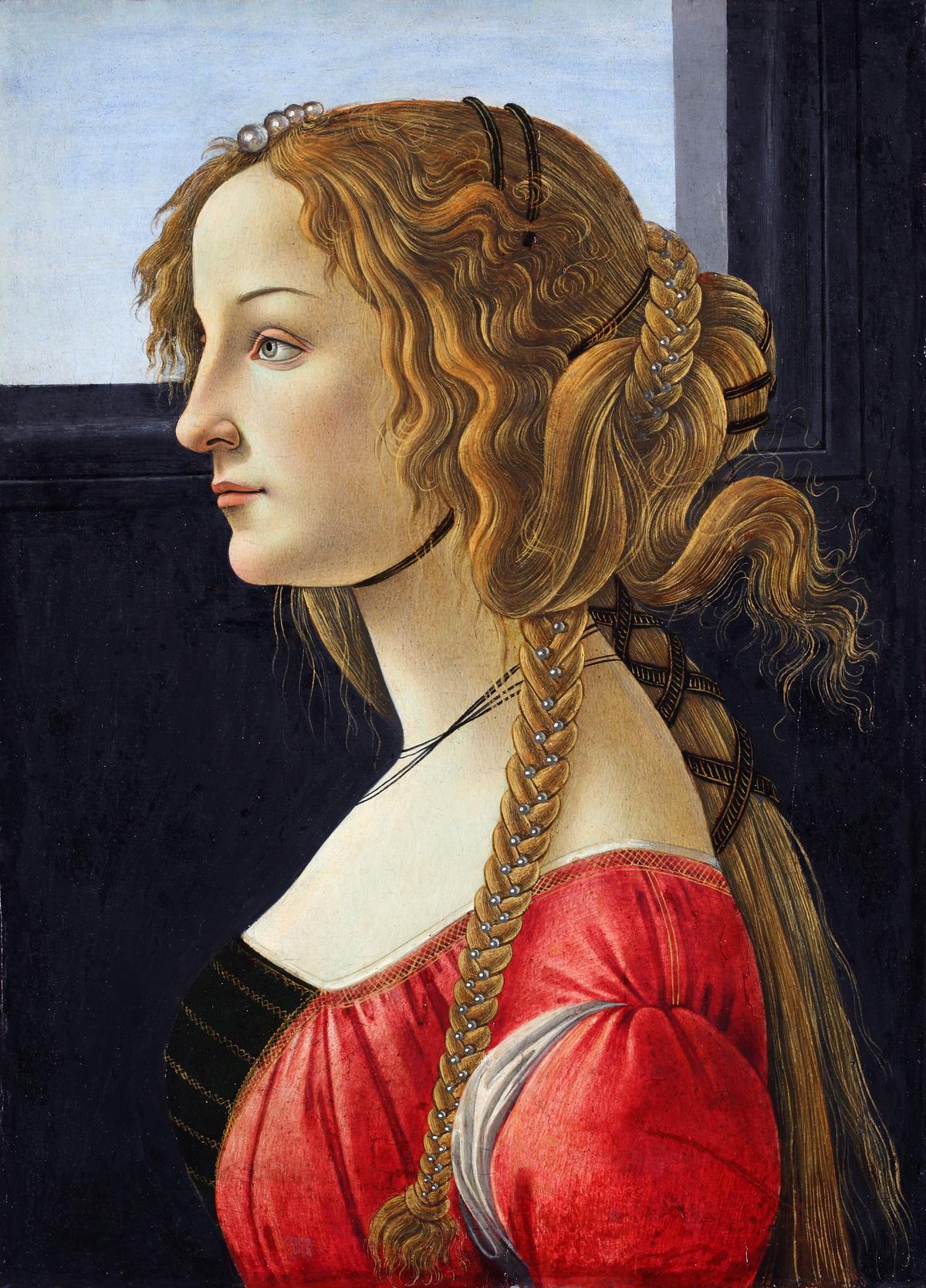
The titular lady in these panel paintings, Simonetta Vespucci (1453–1476), was an Italian noblewoman of the Cattaneo family born in either Genoa or Portovenere. She married the Florentine Marco Vespucci, a cousin of Amerigo Vespucci (the explorer after whom America was named) who was closely connected with the Medicis. The couple lived in Florence, where Simonetta was considered the city’s great beauty.
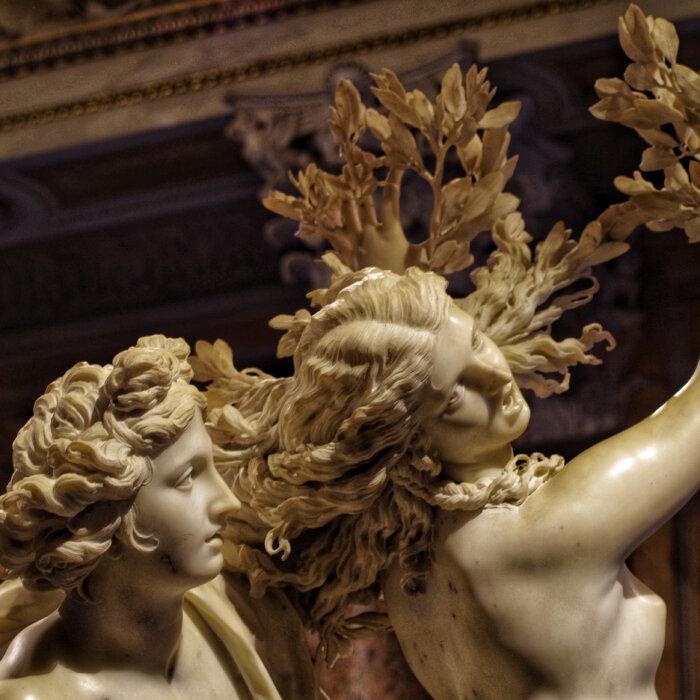
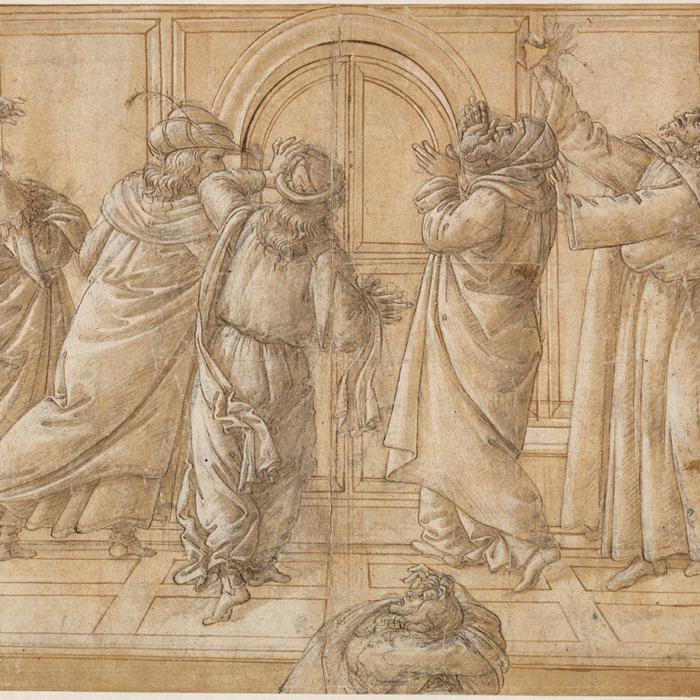
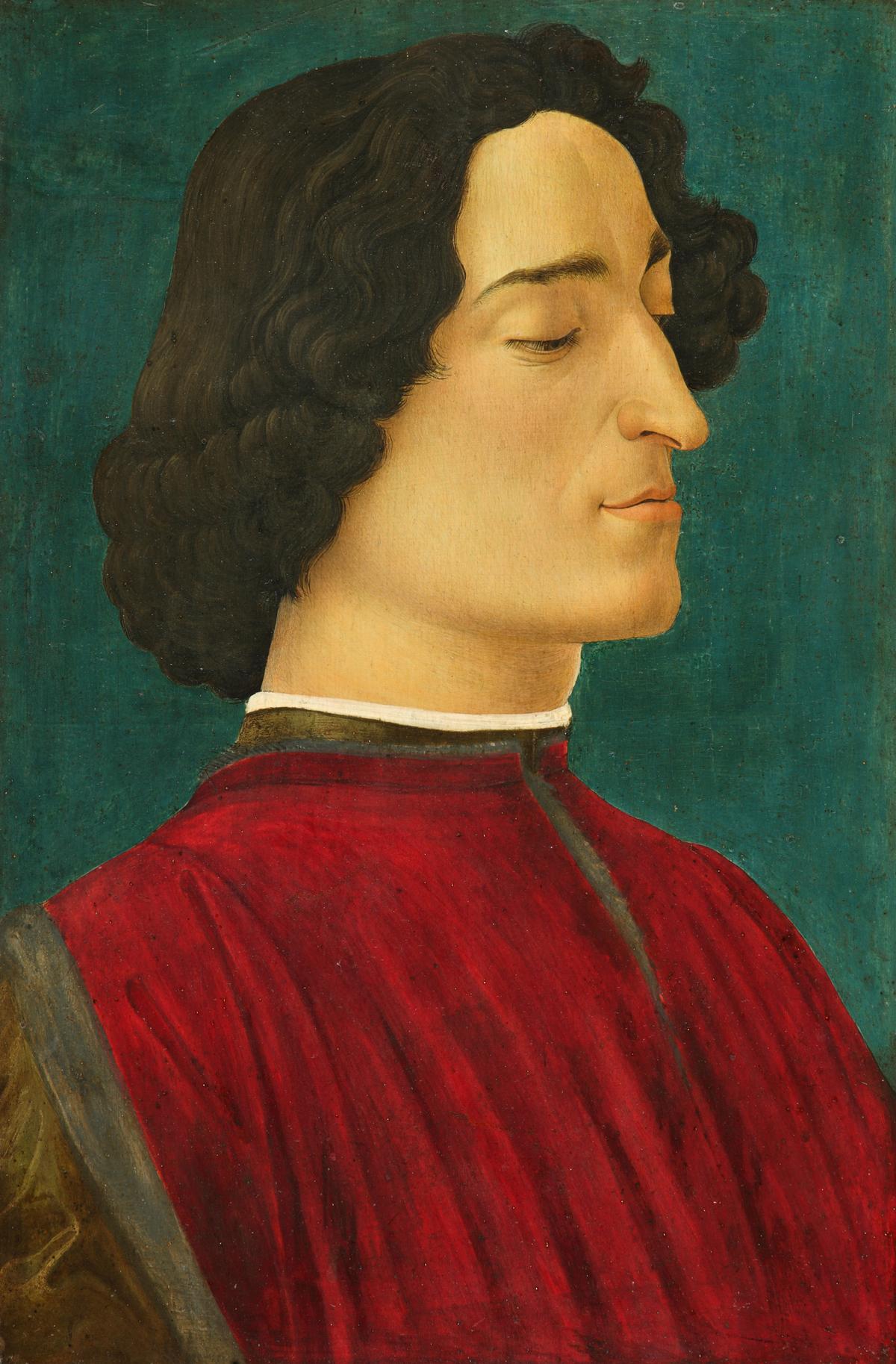
It has long been speculated that a romance developed between Simonetta Vespucci and Giuliano de’ Medici (1453–1478). However, recent scholarship has clarified that the attachment should be interpreted more as a platonic, courtly love: Giuliano competed successfully in a public joust as her champion. Simonetta was highly esteemed by Florentine society.
Poets wrote lines inspired by her, not just because of her physical beauty, but also because of her virtue. At that time, the combination made her an ideal beauty and a paragon of womanhood. This conceit of refashioning a real woman into an allegorical figure can be traced to the poetry of the early Italian Renaissance humanist Petrarch, whose writings the Medicis and their court admired and imitated.
Simonetta may have modeled for some of Botticelli’s paintings, though the idea that her image can be found repeatedly in his work or that the artist was in love with her is believed by today’s experts to be greatly overstated. Simonetta died at age 22 or 23, perhaps from tuberculosis. She was buried in the Chiesa di San Salvatore di Ognissanti church. In an apocryphal story, Botticelli requested to be buried specifically by her as an example of his great love; however, both of their family tombs were in the same church.
The Idealized Woman
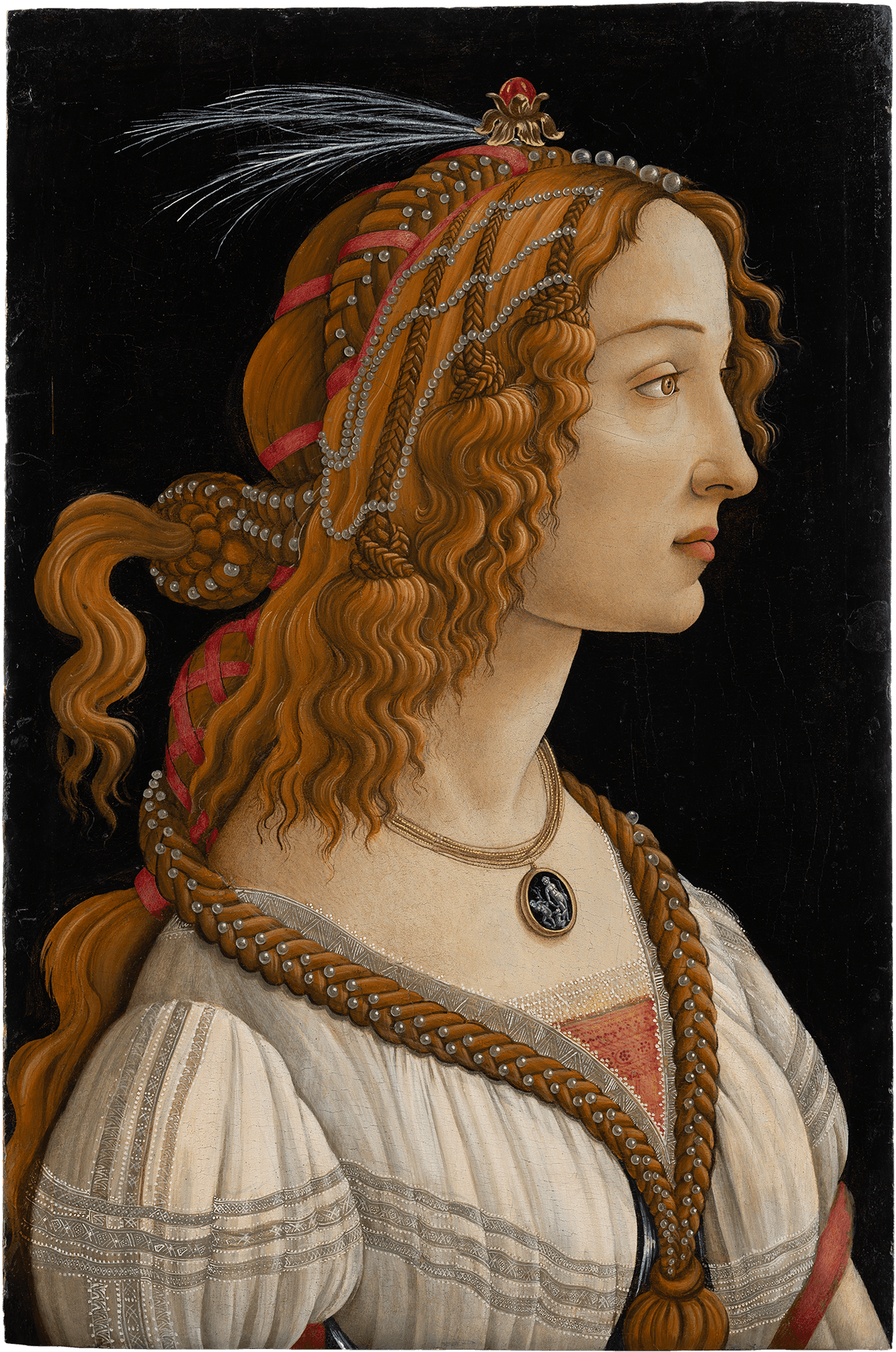
Botticelli’s “Ideal Portrait of a Lady, (‘Simonetta Vespucci’),” which dates to 1475–1480, is possibly a rendering of Simonetta, but this has not been confirmed. Regardless of the sitter’s identity, it is likely an idealized portrait, not a realistic depiction. This genre was popular in 15th-century Florence. Women were typically shown in profile—a pose derived from ancient coins—with pale skin, rosy lips, high foreheads, a slim neck, and fair hair.In both of Botticelli’s potential portraits of Simonetta, the figure is shown in a bust-length profile, but turns slightly to the viewer, creating a more engaging dynamic. Botticelli’s mastery of detailed adornment can be seen in the two works: The women have intricate hairstyles, a Botticelli specialty, that are enhanced with pearls as well as delicately depicted clothes.
Valued Jewels
In 15th-century Florence, the elite venerated the classical world. The painting’s most prominent example of this can be found in the pendant Simonetta wears suspended from gold bands around her neck. During the Renaissance, jewelry was an important art form, with collectors acquiring and displaying contemporary and antique treasures. Many artists, including Botticelli, trained as goldsmiths in addition to studying painting and were highly adept at rendering these pieces in paint.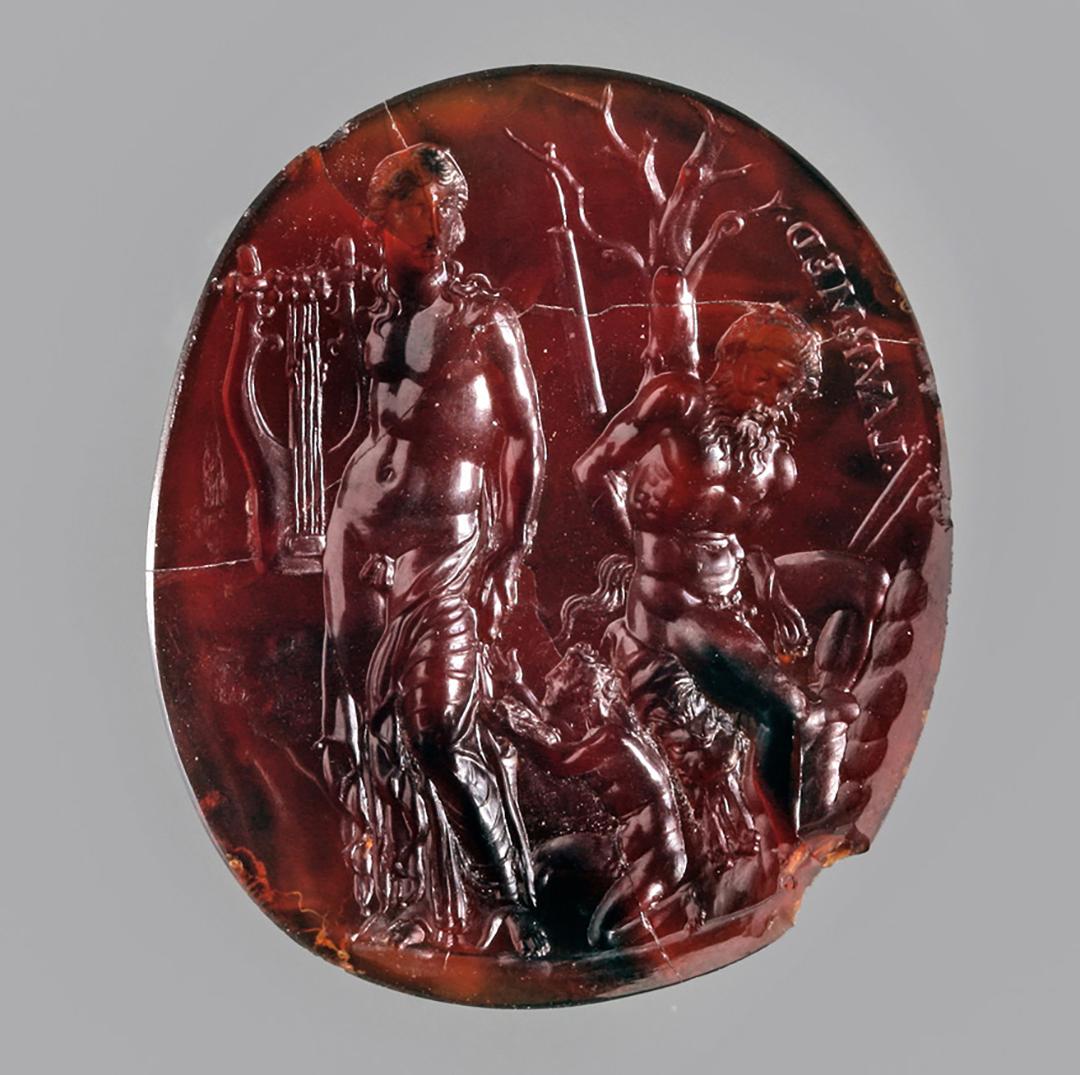
The jewel Simonetta wears is a depiction of a real and exceptional classical object, a carnelian intaglio known as “The Seal of Nero (Apollo, Olympus, and Marsyas).” The intaglio (an engraved gem with a design carved into the material’s surface) is believed to have been created circa 30 B.C.–A.D. 20. It depicts a scene from Greek mythology: The satyr Marsyas had challenged the god Apollo to a musical contest; he lost and faced the wrath of the god. Marsyas’s friend, Olympus, is shown in the intaglio pleading for the satyr’s life.
While the object has been linked with Emperor Nero, hence its title, it dates actually to before his reign and may have been belonged to Emperor Augustus. Subsequent owners included Pope Paul II and Lorenzo de’ Medici (1449–1492). Lorenzo, the brother of Giuliano, has also been the subject of a rumored relationship with Simonetta.
Due to the intaglio’s association with the Medicis, Simonetta’s pendant has been seen as evidence of her close relationship with the brothers. This is another false narrative: Botticelli’s “Portrait of a Young Woman (‘Portrait of Simonetta Vespucci as Nymph’)” was painted no later than 1485, and Lorenzo did not purchase the engraved gem until 1487. In fact, the pendant in the painting is not an intaglio, but a cameo (carved in relief, with a raised image). Even before Lorenzo’s acquisition, “The Seal of Nero” was famous and inspired other artworks. Botticelli used perhaps a cameo copy that had the composition reversed as his model.
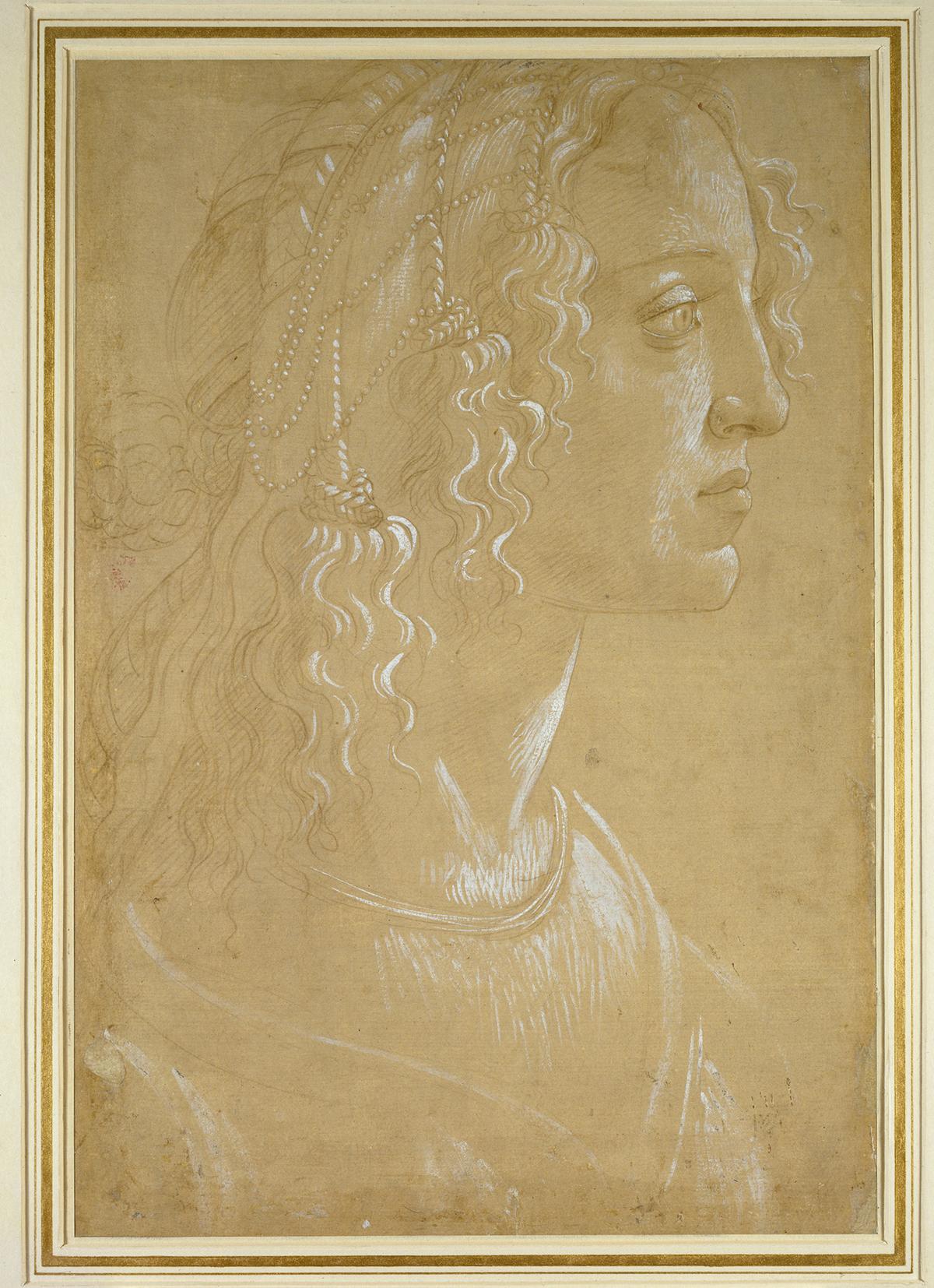
Botticelli was also a master draftsman. An exceptional drawing of his is a study for the “Idealized Portrait of a Lady (‘Portrait of Simonetta Vespucci as Nymph’),” a preparatory work for the Städel Museum’s painting. It is a smaller, more intimate object by its very nature of being a work on paper. Viewers often feel a greater connection with the artist when observing this medium, as it is from their hands instead of a collaboration with workshop assistants, as was common for paintings during the Renaissance.
In this drawing though, the sitter remains as enigmatic as her painted visage. A combination of faint lines and luminous highlights creates an ethereal aura, most fitting for a work linked to Simonetta.
History is filled with unknowable stories about people, events, and art. The connections between Simonetta Vespucci, Botticelli, and the Medicis rank amongst the most tantalizingly mysterious.