Accidents happen. You forgot to set a timer. You could’ve sworn there was a full bag of charcoal in the garage. Your overzealous burger-flipping led to one served on a bed of lawn clippings.
But then there’s the mistake of thinking you knew the right way to grill when you didn’t.
Man of Myth-tery
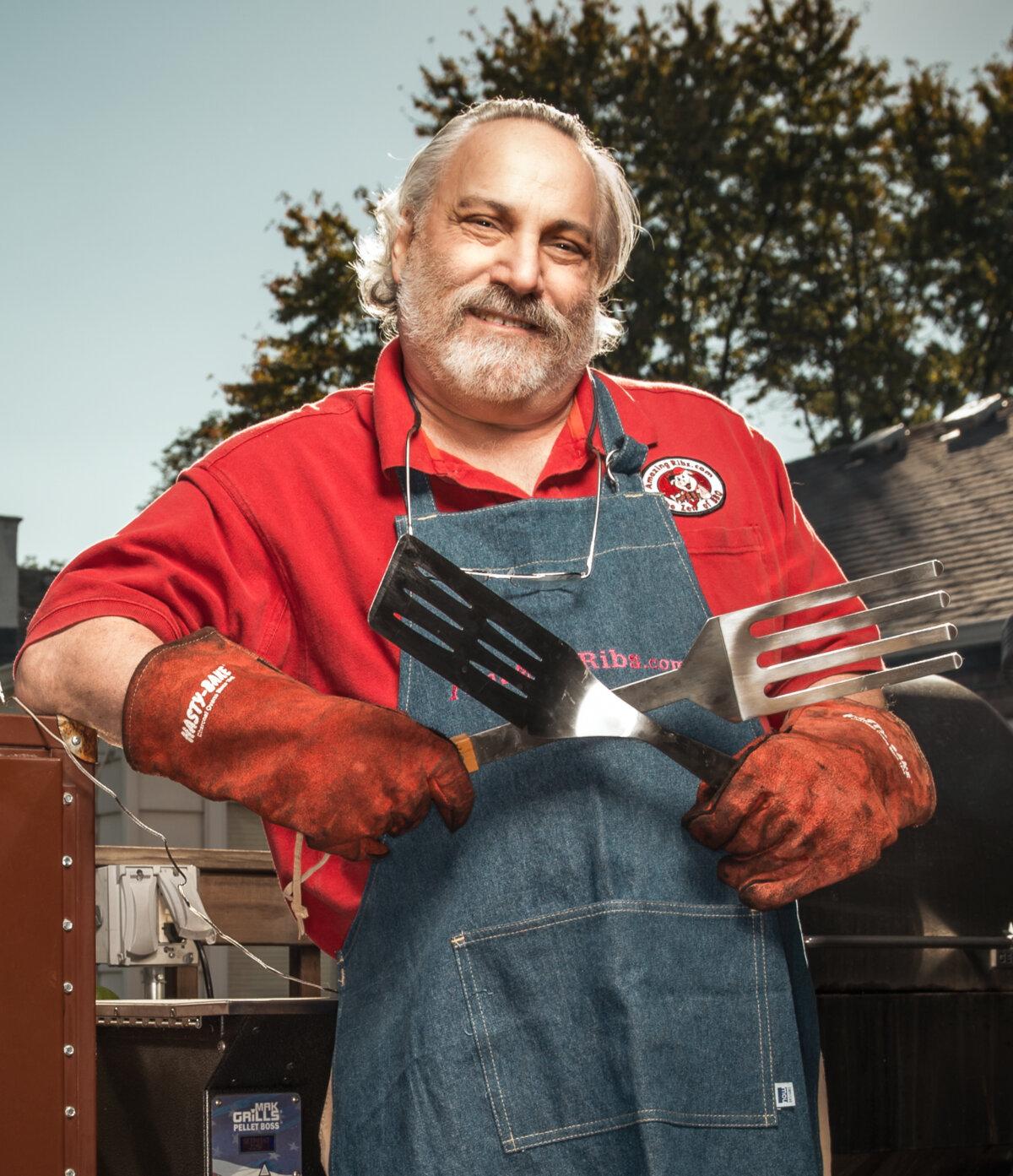
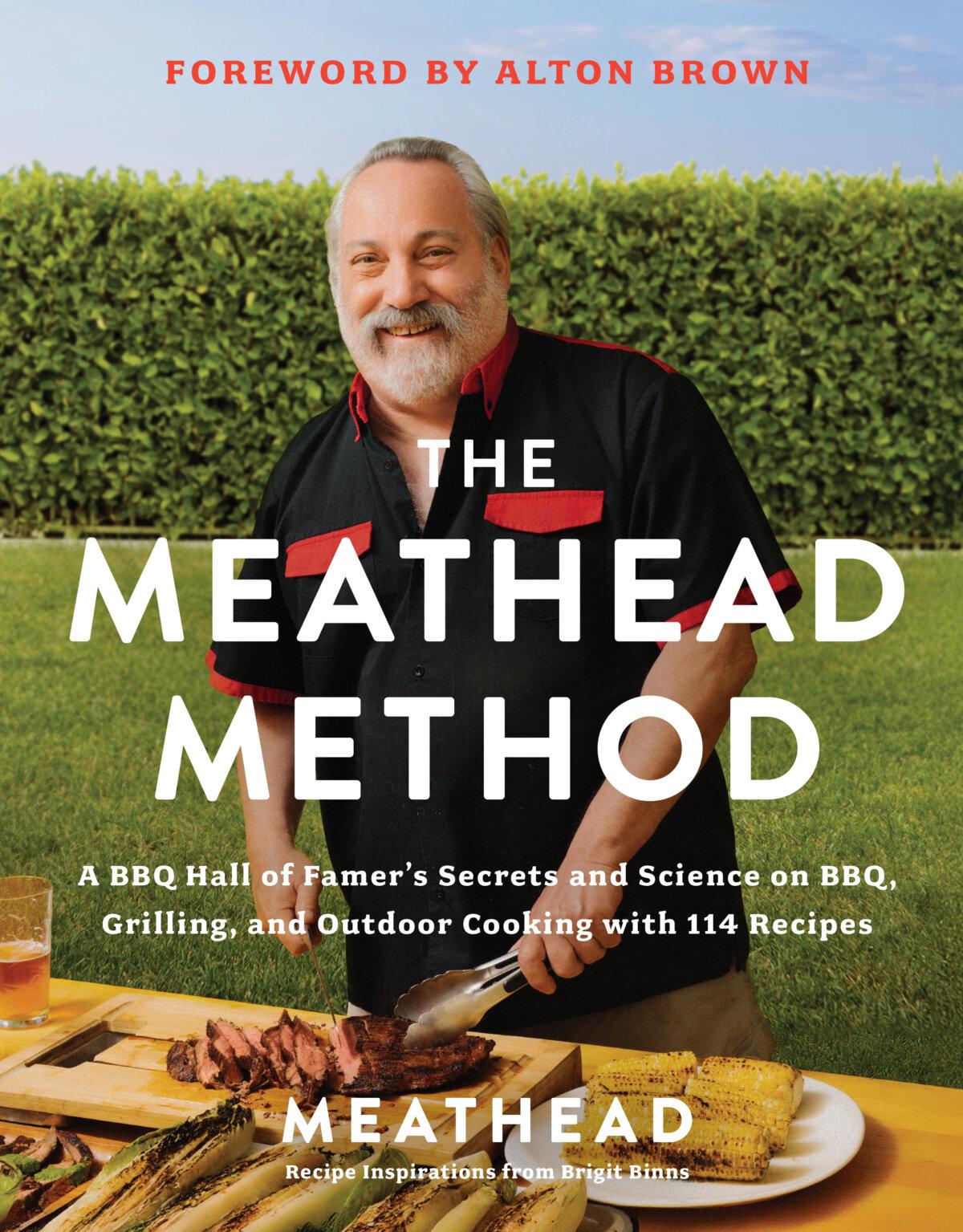
Meathead Goldwyn is an inductee in the Barbecue Hall of Fame and the founder of AmazingRibs.com, a resource for all things barbecue and grilling—from methods, products, and recipes to the science behind it all. While he has a reputation as a myth-buster, Meathead says it was never a planned effort.“As a cook with a scientific, inquisitive mind, I have always asked, ‘Why do we do this?’ and ‘What happens if we don’t?’ and ‘Is this really true?’” he said. When he was writing his first cookbook, “Meathead: The Science of Great Barbecue and Grilling,” he found himself repeatedly tearing down misinformation, and it became an overarching theme. The book’s follow-up, “The Meathead Method: A BBQ Hall of Famer’s Secrets and Science on BBQ, Grilling, and Outdoor Cooking,” was published in May 2025.
Some of Meathead’s cooking adventures start when he’s out for a meal. “I’ll taste something, I’ll say, ‘God, this is good. I’ll bet I can make it better on the grill,’” he said. Then he “fiddles with a concept” and writes a recipe, which he tests. Repeatedly.
“My poor wife has gone through quite a few mistakes and failures,” he said. His wife, Mary Tortorello, has a Ph.D. in microbiology and worked in food safety for years. His father was a food scientist from Cornell University.

While many home cooks appreciate the truth and proof of things, Meathead’s work occasionally has detractors. The busted myth that gets him the most antagonism is beer-can chicken. “It’s cute—but the beer actually hampers the cooking of the chicken,” he said. It still tastes great, but “roast chicken always tastes great. The beer has nothing to do with it.”
Has Meathead ever been wrong? Not exactly—he doesn’t go to print with anything he hasn’t tested. He started some investigations with a theory that proved to be wrong, but testing it prevented him from making a false claim.
Myth 1: Thermometers are for wimps.
A digital thermometer takes away the guesswork. “Good barbecue is all about temperature control,” Meathead said. The thermometer gets it right. “If Grandma wants hers medium, Grandpa wants his well done, and you want yours rare, you can do it all with a digital thermometer.”Don’t cut the meat to look, because the color changes as soon as the meat is exposed to oxygen. The effects of different kinds of lighting or lack thereof make color appearance unreliable. Also, forget about the “thumb test”—texture isn’t a reliable indicator of doneness.
Plus, new wireless thermometers with Bluetooth can be left in place. “You can cut the lawn and keep an eye on the temperature,” Meathead said.
Temperature helps you dial in tenderness. “We know a steak is most tender and most juicy at 130 to 135°F, medium-rare,” he said, citing the Warner-Bratzler test done in a lab. This test revealed the level of pressure required to cut through a piece of meat.
Myth 2: You can boil ribs to good effect.
If you boil your ribs, “the terrorists have won,” said Meathead. Boiling or simmering any food item leaches out flavors and juices from the meat, resulting in dry, bland ribs even after you barbecue them. This is acceptable if you’re making a soup with rib meat, but when it’s an entrée, you’re diminishing the flavor.Myth 3: Always crank the heat.
Muscle cells in meat contain water—the juiciness of a good steak—yet high heat shrinks those proteins. It causes the cells to squeeze out the water, drying out the meat and making it tough. For barbecue, “225 [°F] is my magic number,” Meathead said. He makes an exception for poultry, recommending 325°F to render the fat in the skin to give it a nice crispiness.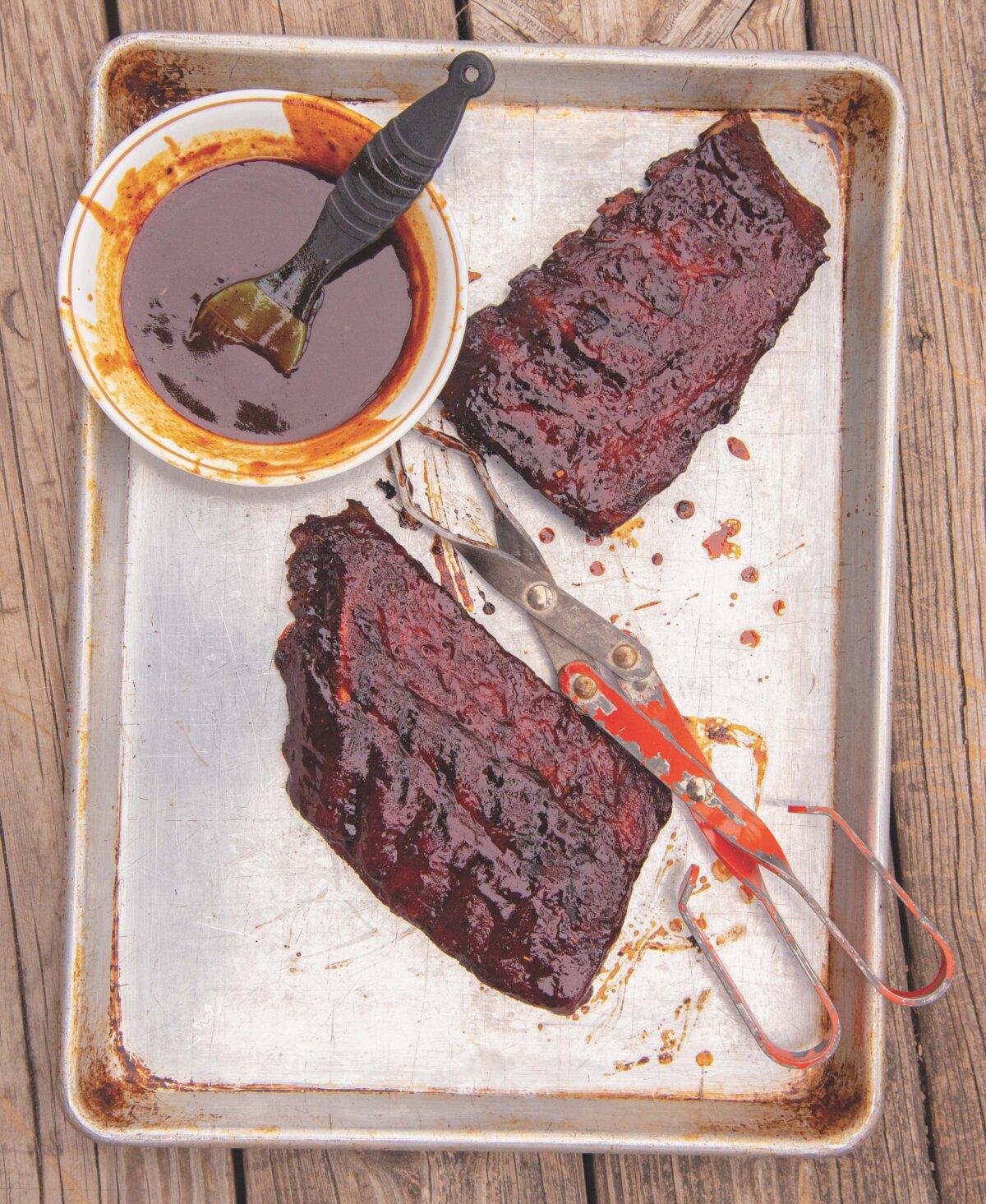
Myth 4: Charring is good. Grill marks are desirable.
You can and should darken the surface of meat. It’s an effect called the Maillard reaction, a result of heating amino acids and sugars in food to get a dark brown color and develop flavor. “But when the meat starts to char or blacken, you are creating carbon,” Meathead said. That’s a flavor generally considered unpalatable. “I won’t eat at a restaurant called the Char House.”Myth 5: Only flip the meat once.
Some grilling instructions recommend cooking a piece of meat for X minutes on one side, then flipping it once and leaving it for X more minutes. Meathead warns this can lead to the “rainbow effect”: what you see when you cut the meat and find a dark, seared outer edge, and then gradually lightening colors until a narrow red line in the middle. “Almost all cookbooks are recipes for the rainbow,” he said. What you really want is a thin dark edge, and a homogenous red or pink all the way through the middle. To avoid the rainbow, Meathead advises flipping the meat repeatedly, which will help it cook more evenly—and faster, too.Better still, try the reverse sear. Set up two zones on your grill: one side hot, directly over the coals; the other side cooler, taking indirect heat. Start the meat on the cool side with the lid down, at that low, consistent temperature, to get that uniform color in the middle.
When the meat reaches an internal heat of 120 to 125°F (use a thermometer!), move it to the hot side, crank up the heat, and leave the lid open. Now start flipping frequently. This builds a dark crust and allows the built-up surface energy to dissipate when it’s off direct heat.
Meet Meathead: A Life of Barbecue
Meathead Goldwyn’s interest in food and cooking came at a young age. He remembers his father as a dedicated backyard cook: “I loved the smell of the grilling steak.”While studying at the University of Florida in Gainesville in the late 1960s, he often grilled food for his roommates. He even planned his class schedule so he could be home to watch Julia Child on TV. He worked at a liquor store with a bar, where every Thursday, a man brought in foil-wrapped ribs to sell to patrons. Meathead was smitten.
One day, he ventured into a neighborhood “college kids didn’t normally go into,” he said, and stumbled upon YT Parker’s Bar-B-Q. Around an old cinder block pit in the back, Parker and his buddies were “sipping beers and flipping the ribs.” Parker took the college kid under his wing, and Meathead learned how to smoke meat. It became “a hobby and a habit,” he said.
Meathead worked as a wine critic before pivoting his career to all things barbecue. He started AmazingRibs.com in 2005.