Abundant History
Frankly, it’s the first place I’ve ever seen a bomb in a church—in fact, two of them, displayed on the wall, presumably defused. I look up at the ceiling and can find a repaired hole where one of them penetrated the roof. In the wee hours of Aug. 3, 1936, during the Spanish Civil War, a plane dropped four bombs: One landed in the square outside, another across the road in the Ebro River, and two directly on the Cathedral-Basilica of Our Lady of the Pillar. None of them exploded, and locals believed they had witnessed a miracle.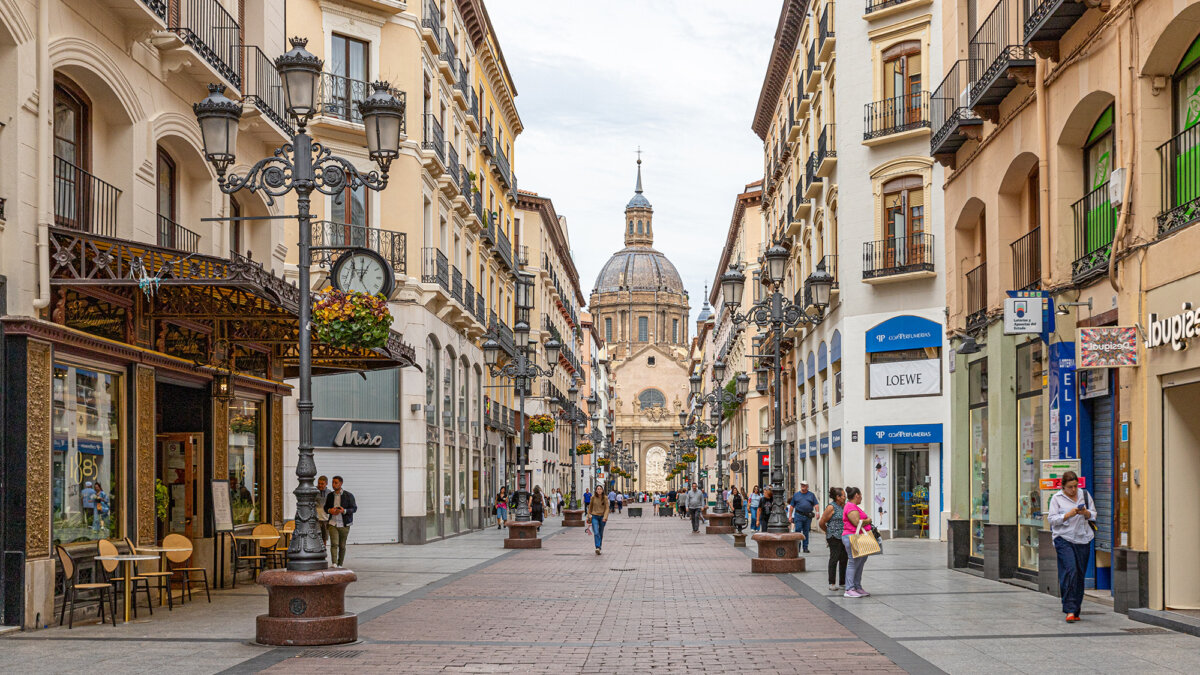
The Baroque-style Basilica of Our Lady of the Pillar, a famous pilgrimage site with a shrine to the Virgin Mary, sits in the center of the city. (Sami Auvinen/Getty Images)
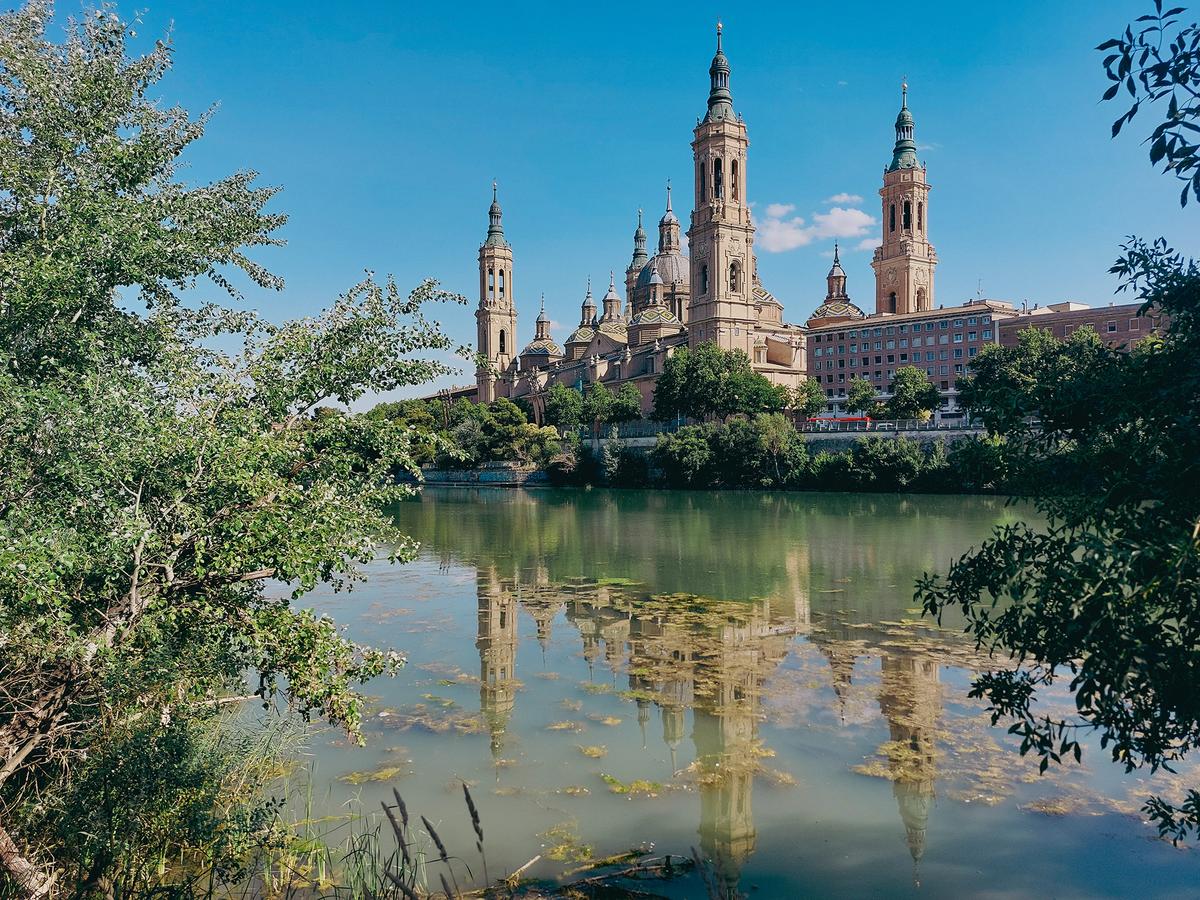
Then there’s the city’s UNESCO World Heritage listing, which celebrates its examples of Mudéjar Architecture, unique to Spain. From A.D. 711 to 1492, much of what is now modern Spain was under Muslim rule. At its farthest expansion, this extended into Aragon. After Aragon’s reconquest by Christians from the north, Muslims who stayed behind were called the Mudéjar (from an Arabic term meaning “permitted to remain” or “domesticated”), and workers from that community brought their designs and architecture to Christian structures.
A short walk southeast brings me to the Cathedral of the Savior or La Seo. A Roman forum once stood here, and eventually a mosque. In the 12th century, the Muslims were given a year to move out. The mosque was first converted to a church before being mostly demolished to make way for a Gothic structure that now showcases intricate brick and ceramic tilework, geometric patterns, and distinctive Mudéjar arches.
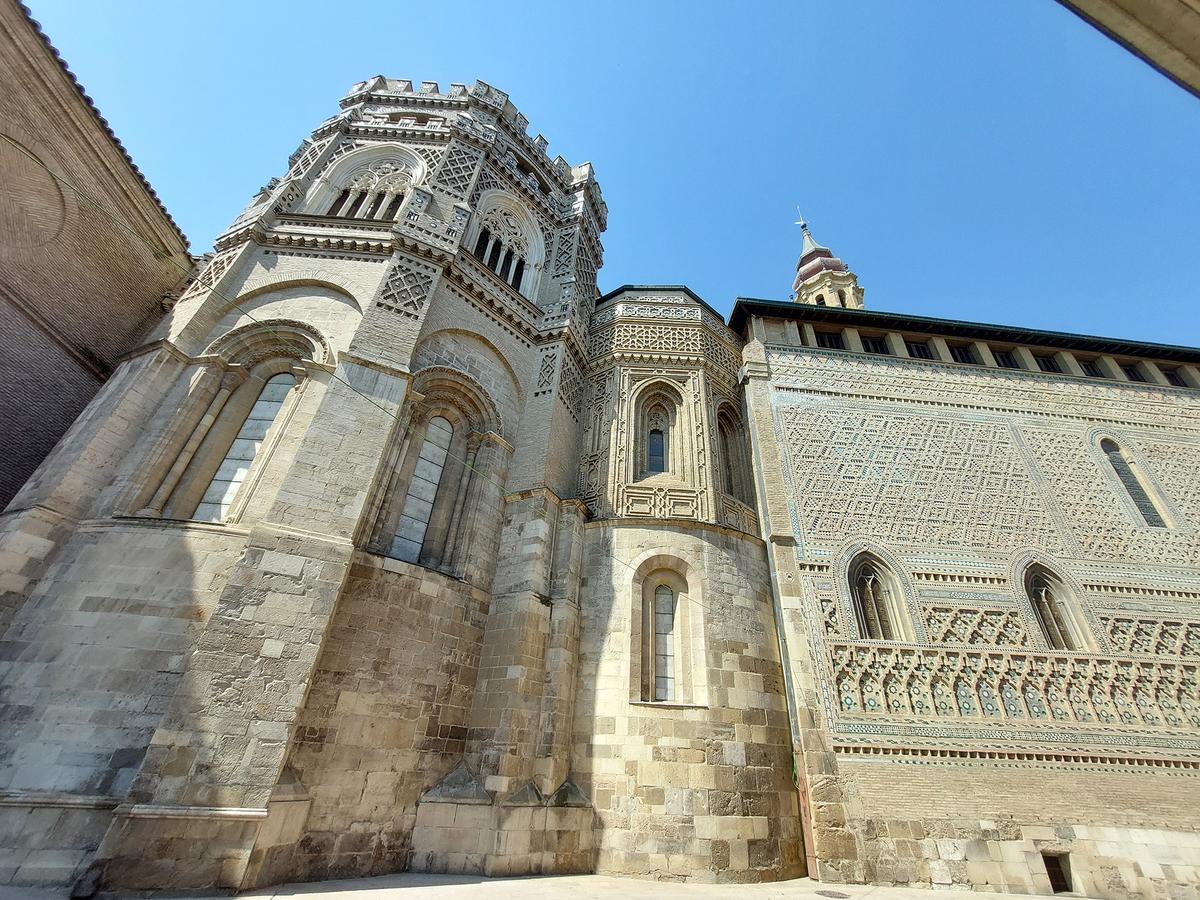
La Seo is also a cathedral; Aragonese kings were crowned here. The Catholic Church allows only a single cathedral to serve as the official seat of a particular bishopric or see (sede). For years, La Seo and the Cathedral of Our Lady of the Pillar competed for power and donations. In 1676, Pope Clement X settled the score, declaring them co-cathedrals.
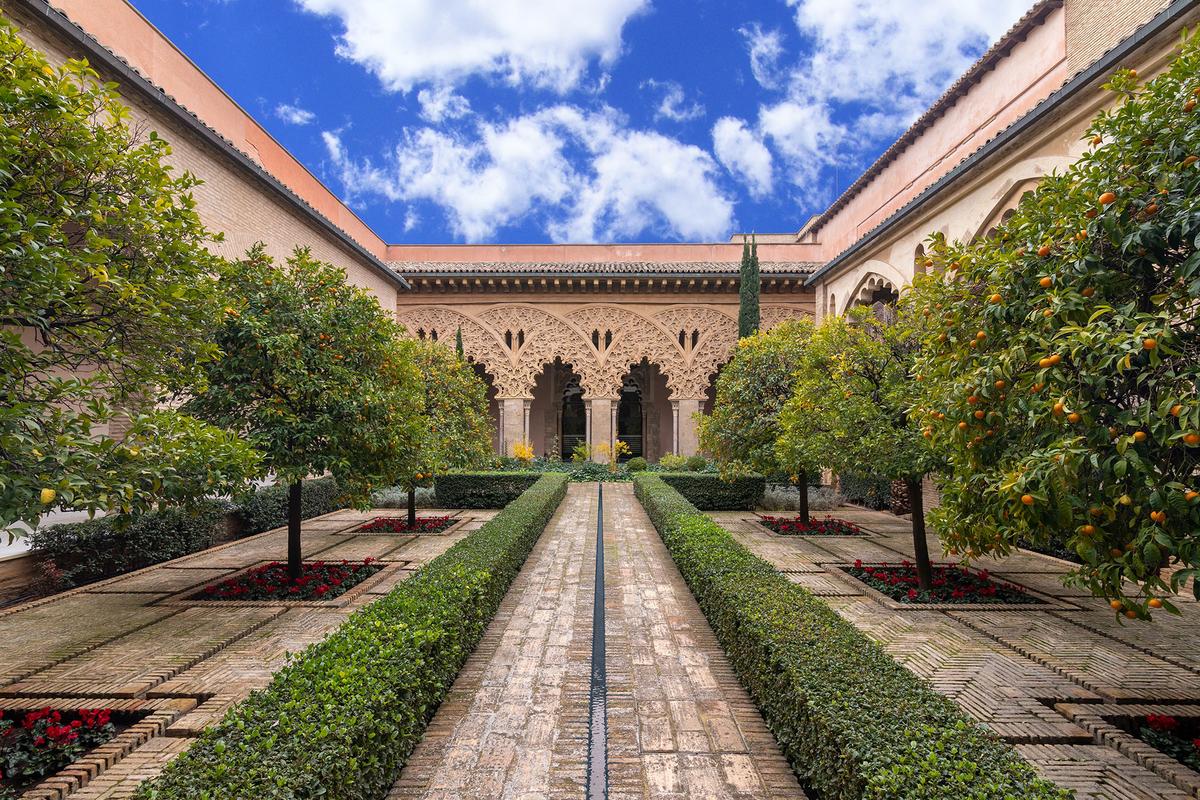
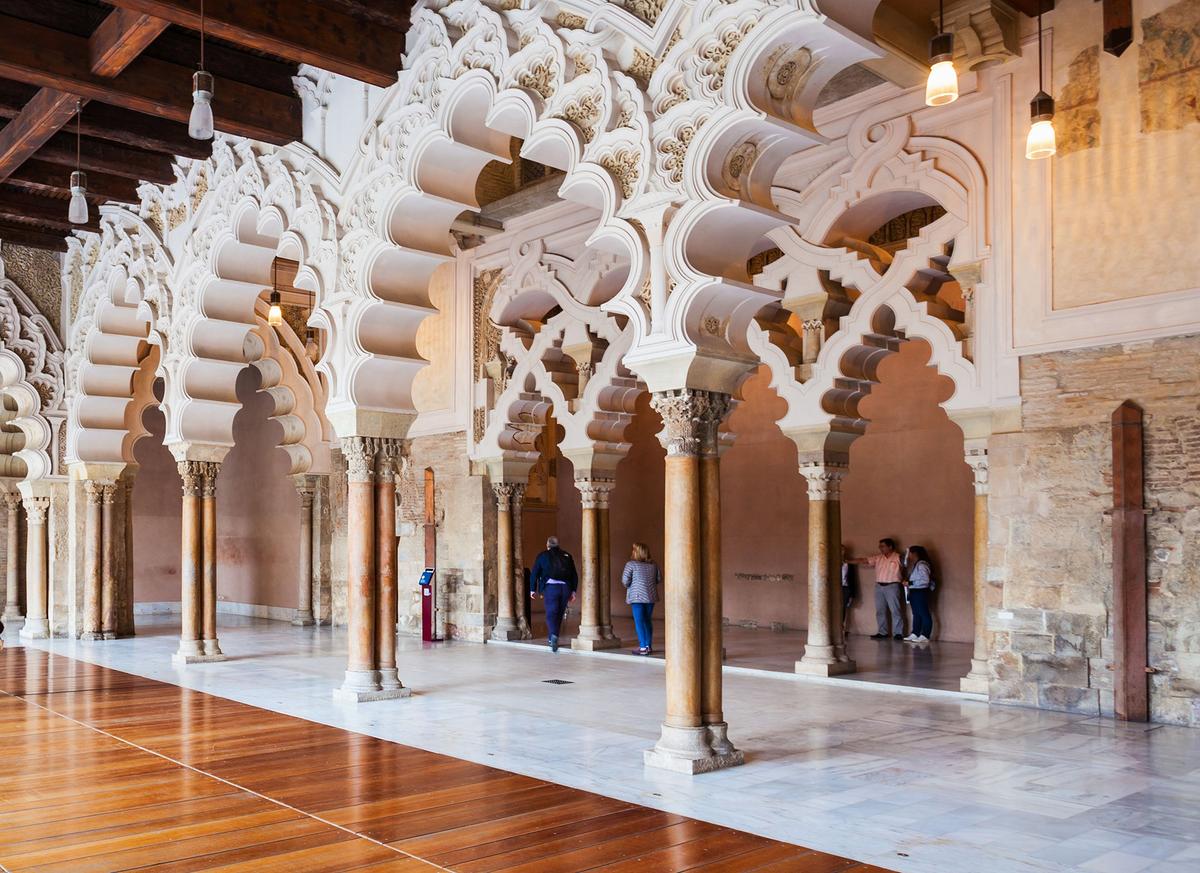
The most impressive display of Mudéjar design in the city, however, is the Aljafería Palace, a 15-minute walk from the cathedrals. As the Muslim caliphate fractured into the disparate Taifa kingdoms, the local king commissioned this exquisitely styled residence, now the last of its kind. Later, it became a royal residence for the kings of Aragon and even a prison for the Spanish Inquisition, but now it serves as the home of the regional parliament.
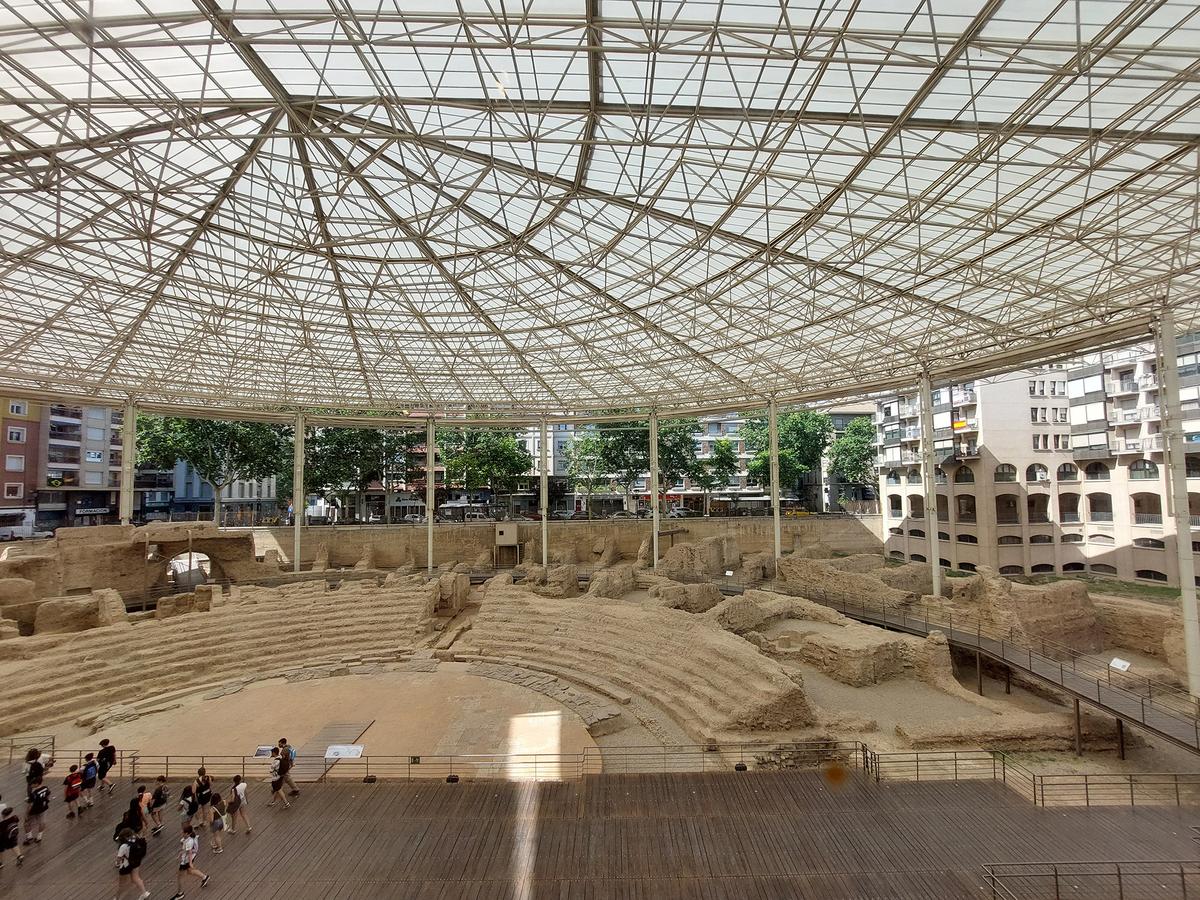
My tour guide called Zaragoza a “15-minute city”—you can get anywhere in the city in about that time or less. This checked out in the historic city center; another five-minute walk from La Seo are the ruins of a first-century Roman theatre. Its capacity was a third of the city’s population at the time of 18,000. The Romans left in A.D. 472, and block by block, the materials were repurposed, and the site disappeared under centuries of development until it was rediscovered in 1972. Today, a fine museum overlooks the site and chronicles the history of the city, Roman life, and especially the elements of the physical theater and its cultural importance.
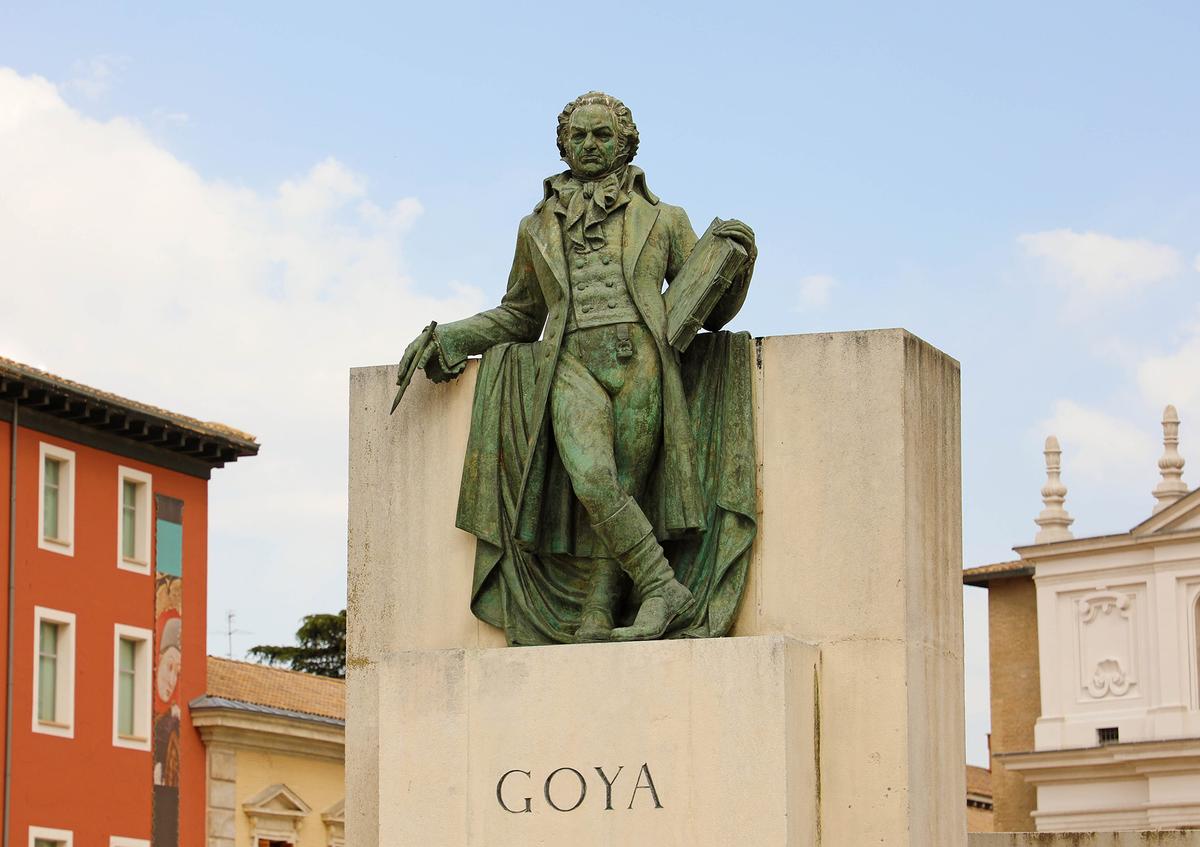
Other attractions not to miss include the 1549 Renaissance masterpiece Patio de la Infanta. Once gracing the mansion of a rich banker, this courtyard of columns and balconies with carvings of Roman emperors was taken apart and sold to a private buyer in France in 1904. Fortunately, it came home in the 1950s and is now on display inside the Ibercaja bank headquarters. Just off the Plaza of Our Lady of the Pillar is the Goya Museum, an art gallery recently expanded and due to reopen in October 2026. Right across the street from this, opening in 2027, will be the Goya Center, a new multisensory cultural and exhibition center.
The Tastes of Aragon
Since 2025, UNESCO has also listed Zaragoza as a Creative City of Gastronomy. Agriculture is rich along the Ebro Valley, and a vibrant foodie scene is apparent in everything from fine dining to fresh markets and El Tubo, a zone of crisscrossing alleyways filled with great places for tapas and drinks, a culinary gauntlet I defy anyone to pass through without stopping for at least a bite. Traditional regional menu items include Ternasco de Aragón—local young lamb, fed only grain and milk, producing tender, juicy meat; migas, a dish of fried breadcrumbs and chorizo with grapes; and borraja con patatas, potatoes with a variety of borage resembling endives or Swiss chard.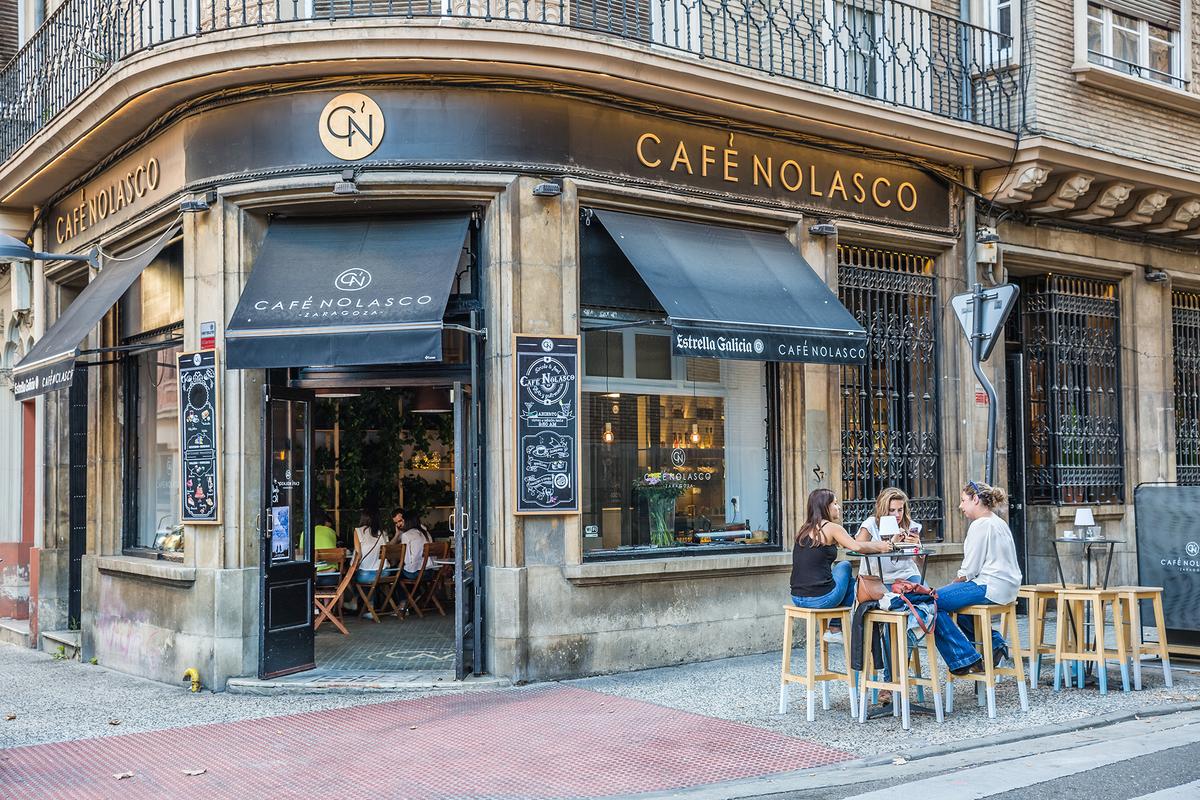
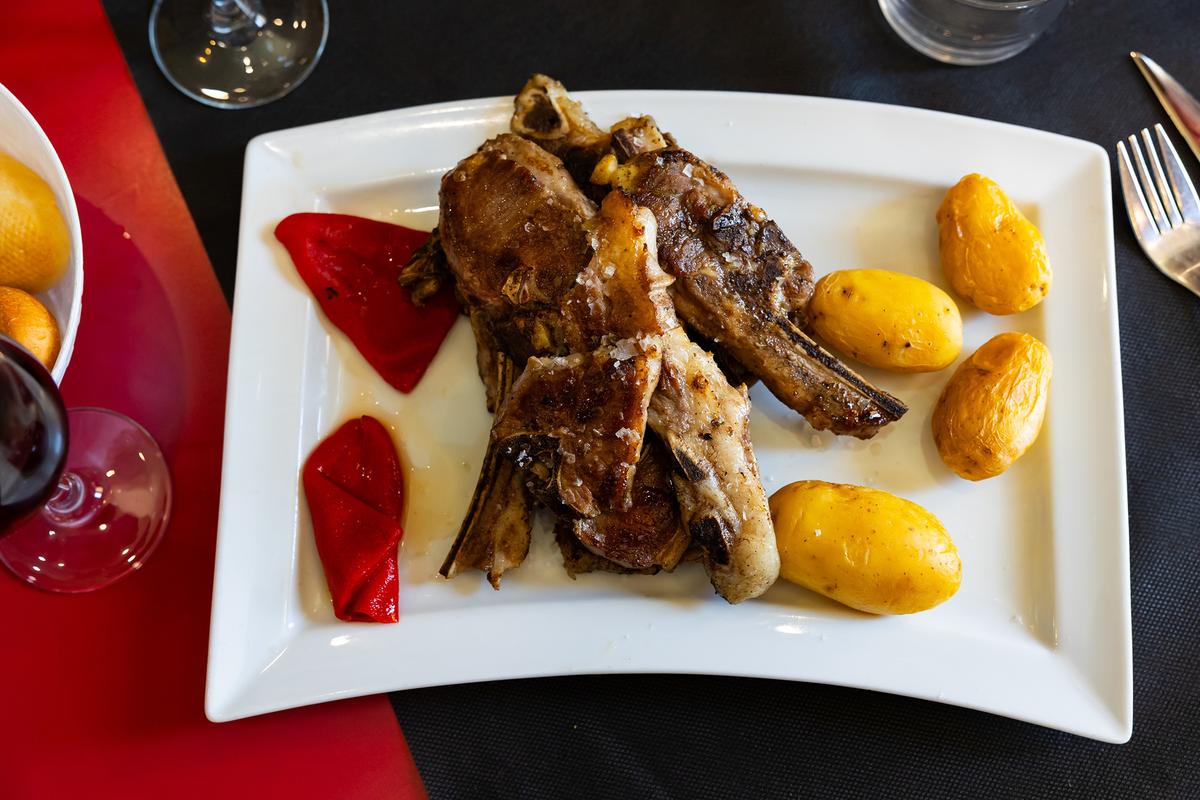
My favorite dining experience was a night at La Clandestina, where you can choose a reasonably priced set menu (vegan option available) with or without wine. The owner is actively moving among the tables, service feels like it warrants Michelin stars, and small plates are diverse, delicious, and divinely arranged. Reservations are a must. One afternoon, I attended a cooking experience at La Zarola, where I learned to make several dishes, including the cold almond soup ajo blanco, while sampling a few wines along the way.
Zaragoza is also the birthplace of European chocolate. In 1534, Cistercian monks at the Monasterio de Piedra created the confection using the first cocoa from the New World. The museum, hotel, spa, and surrounding park are an 80-minute drive from the city; add an hour if you’re taking a train. Inside Zaragoza are numerous notable chocolatiers, including Fantoba, founded in 1856, famous for candied fruit dipped in dark chocolate. Stop in to try to buy. Notably, any Zaragoza Tourism Office sells the Chocopass, an 11-euro voucher that gets you five tastings at more than 20 artisan chocolate shops.
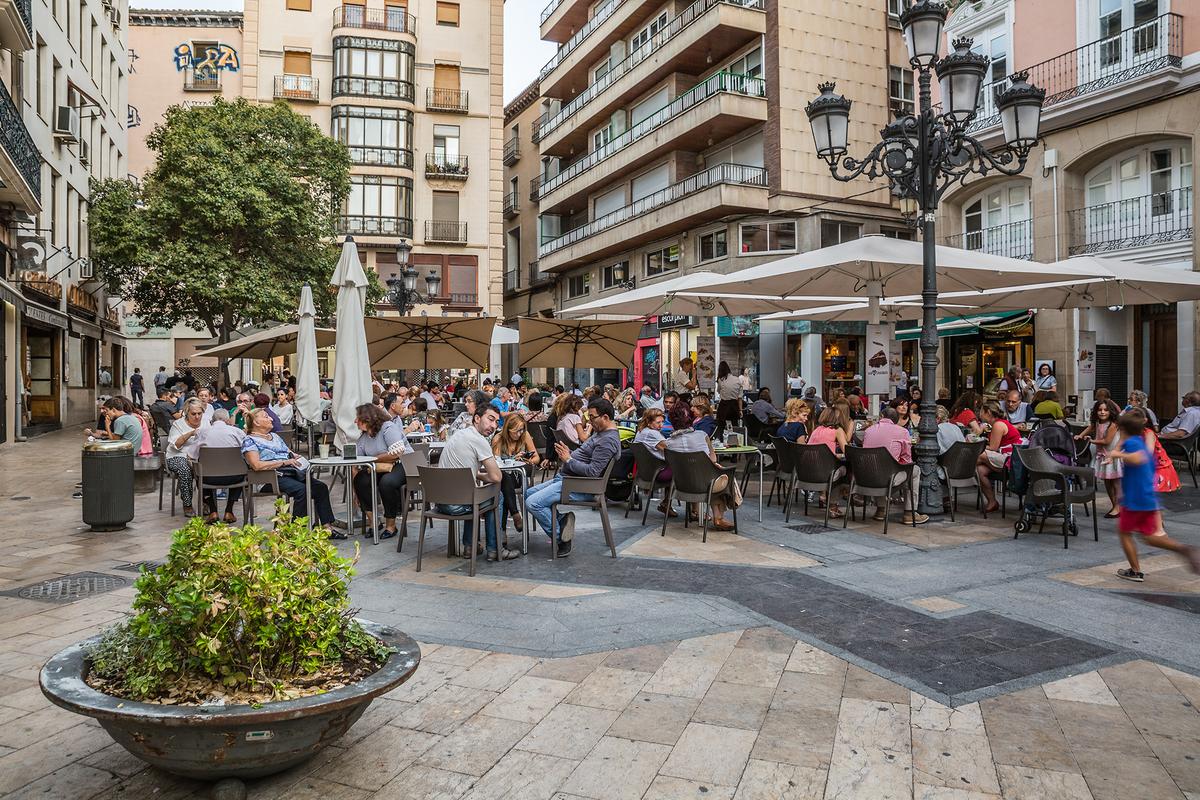
Fans of vino may already know Zaragoza is also the world capital of garnacha wine. Garnacha reds have bold, fruity flavors and a silky mouthfeel, but lower tannins and acidity, while the grape’s white variant produces dry, full-bodied wines with bright green apple and herbal notes. The garnacha grape originated here before making its way around the world, and the Zaragoza province is home to three demarcations of origin (DO) appellations – Campo de Borja, Calatayud, and Cariñena—plus a Vino de Pago, a single-estate appellation. The Garnacha Wine Route, with its 40 partner wineries, restaurants, wine bars, hotels, museums, and more, can keep a traveler busy for a day trip or a week’s mission, venturing out into the countryside. The first historical reference to this wine comes from the 12th-century Veruela Abbey, a beautiful, fortress-like monastery with a wine museum an hour’s drive from the city. Bodegas Aragonesas lies less than 30 minutes away for a proper winery tour and tasting, and the Cariñena Wine Museum, with more tasting opportunities, is less than an hour farther on to complete a day’s circle tour. The bottle prices of many excellent wines are less than 10 euros!
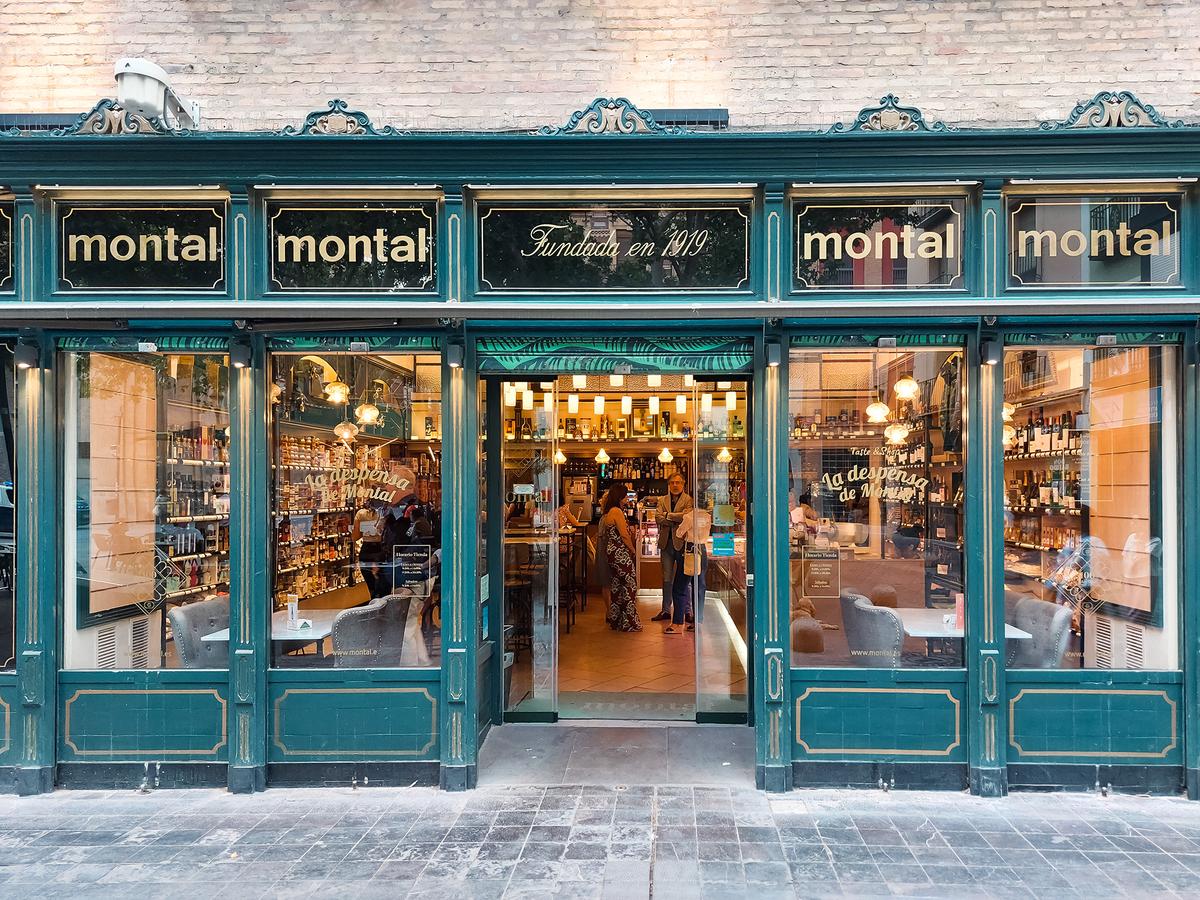
And with wine, I finish here in Zaragoza. Founded in 1919, Casa Montal is a culinary destination situated in a Renaissance palace. A deli counter is loaded with cheeses; shelves display gourmet chocolates, preserves, olive oils, and gift baskets; and legs of the finest Spanish ham—acorn-fed black Iberian pigs—hang from the ceiling. The wine shop in back has most of the Zaragoza DO wines as well as the DO wines from Somontano in Huesca, the province just north of here, plus so much more. I am the adult kid in the adult candy store. I sit for one of the upstairs restaurant’s tasting menus, and I try just one more glass of garnacha before deciding on a couple of bottles for my suitcase.
If You Go
Zaragoza has a small international airport (ZAZ) with connecting flights to North America. Still, high-speed rail from the larger hubs of Madrid or Barcelona makes the trip in only about 1.5 hours.Tour operators can provide wine route trips and excursions from Zaragoza into the rest of Aragon, but with the scenic mountain drives in the nearby Pyrenees and the charming towns and villages, turning a visit into a road trip with a rental car is a very attractive idea.