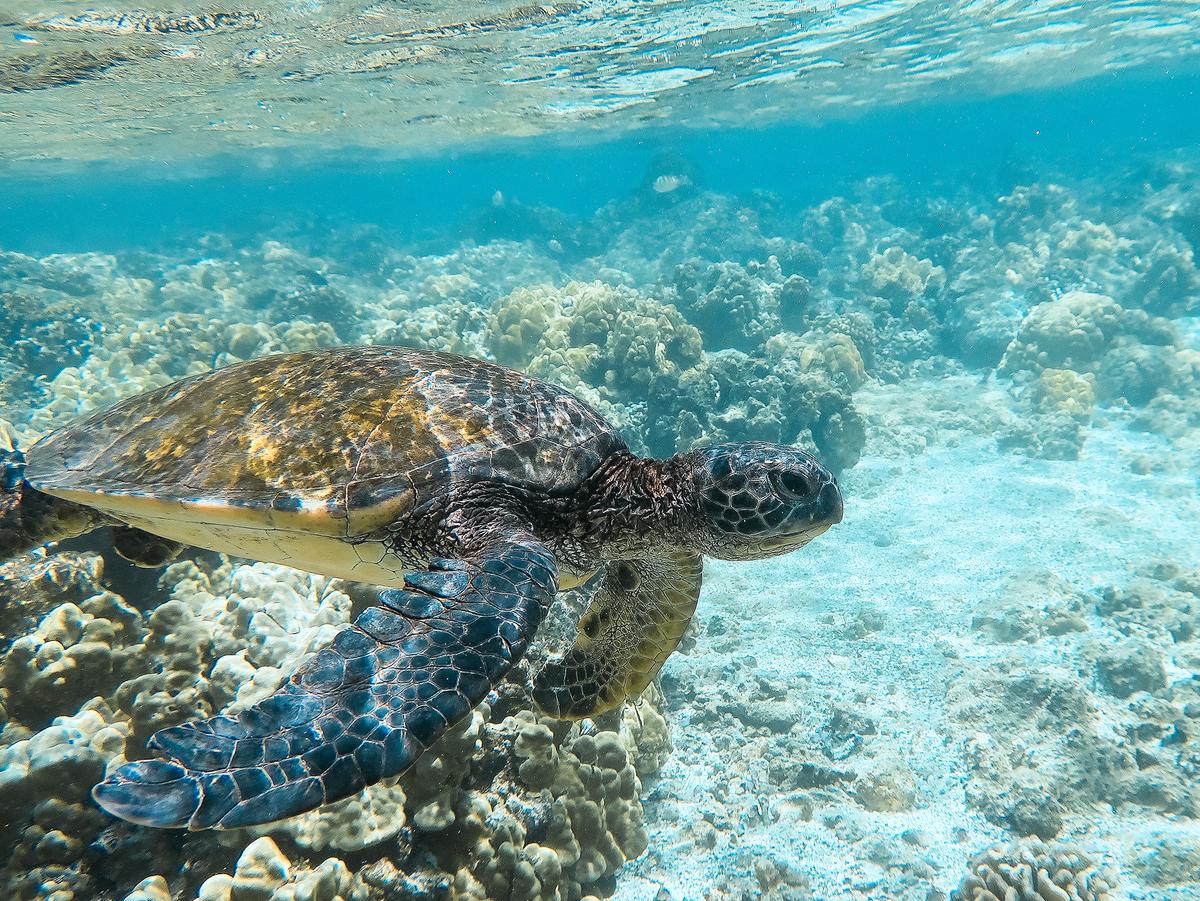
I cross a black sand beach and wind my way through volcanic rock and ancient coral, wading in up to my waist before pausing to don my mask, fins, and snorkel, and then get my face in the water. I am told green turtles are practically a guarantee here inside the partly protected cove at Hilo’s Richardson Park. That’s a mighty big promise, and I am doubtful. I see plenty of fish, some healthy coral, and the feet of a couple standing on a rock, struggling with their snorkels. I turn away from them, and there’s a dark shadow in the water ahead, coming into focus, waving its fins, heading right at me. No way. A green sea turtle is heading out to sea as high tide approaches. It swims right past, looking at me with its flat black disc eye, and disappears into the surf beyond the natural break wall. I was in the water for not even five minutes. Hilo had a lot of expectations to live up to, and this was a good start.
At Home in Hilo
Want to see Hawaii like a local? Friends told me to go to the Big Island. Hilo, the small city on the lush eastern coast, was the real deal. Not over-touristed, rich with natural sites and history, gorgeous, friendly, and feeling hyperlocal and culturally rich. It is the modern home and epicenter of hula and host of the prestigious Merrie Monarch Festival. The sense of community is strong there.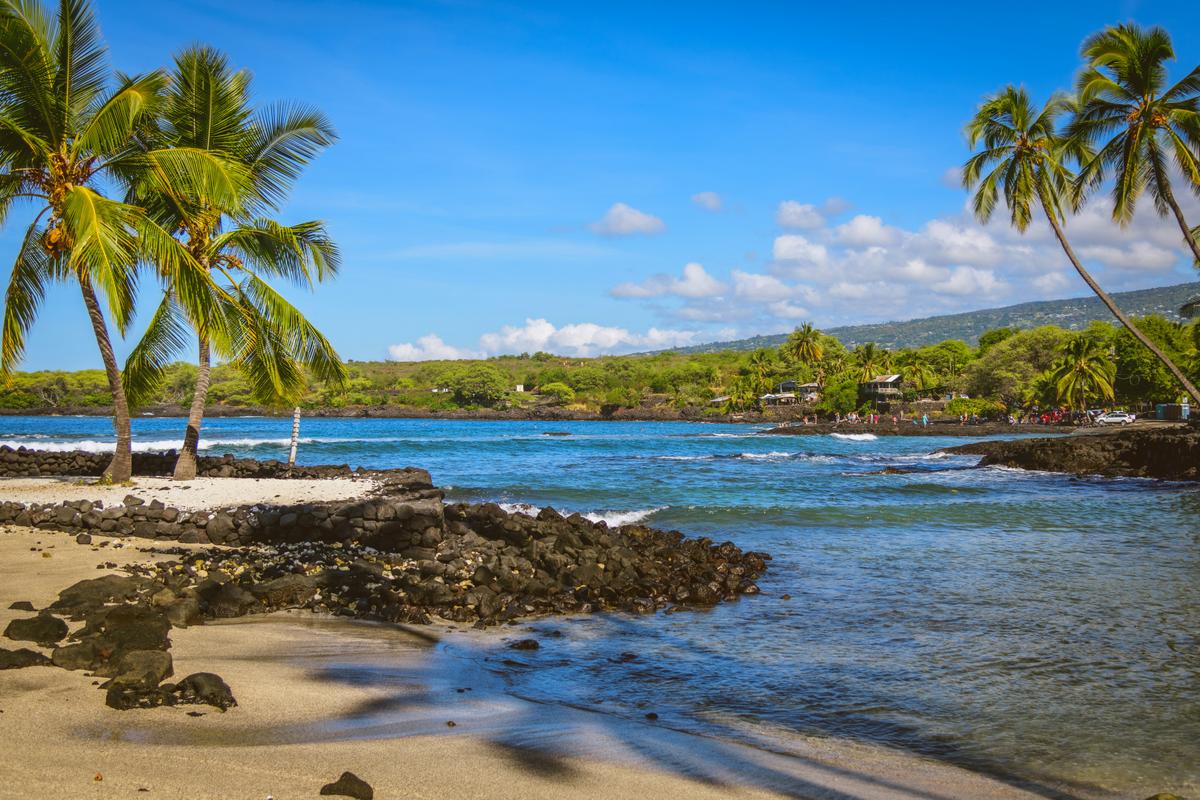
Get Your Bearings
Start with the Lyman Museum, a Smithsonian affiliate, named for a family of missionaries that came here in 1832. The museum comprises two floors of modern exhibits that cover the geological and natural history of the Hawaiian Islands, as well as the human story, from the arrival of the first Polynesian settlers to colonialism, statehood, and even pop music. It frames the cultural experience well and will deepen your awe of the volcanic origins and the various plants and creatures that first made a home in a formidable land. (If you want to see the historic Lyman home next door, be sure to book the guided tour in advance for just a few dollars more.) Also worth a visit is the Pacific Tsunami Museum, which features stories of the 1946 and 1960 tsunamis that struck Hilo, as well as those from around the world.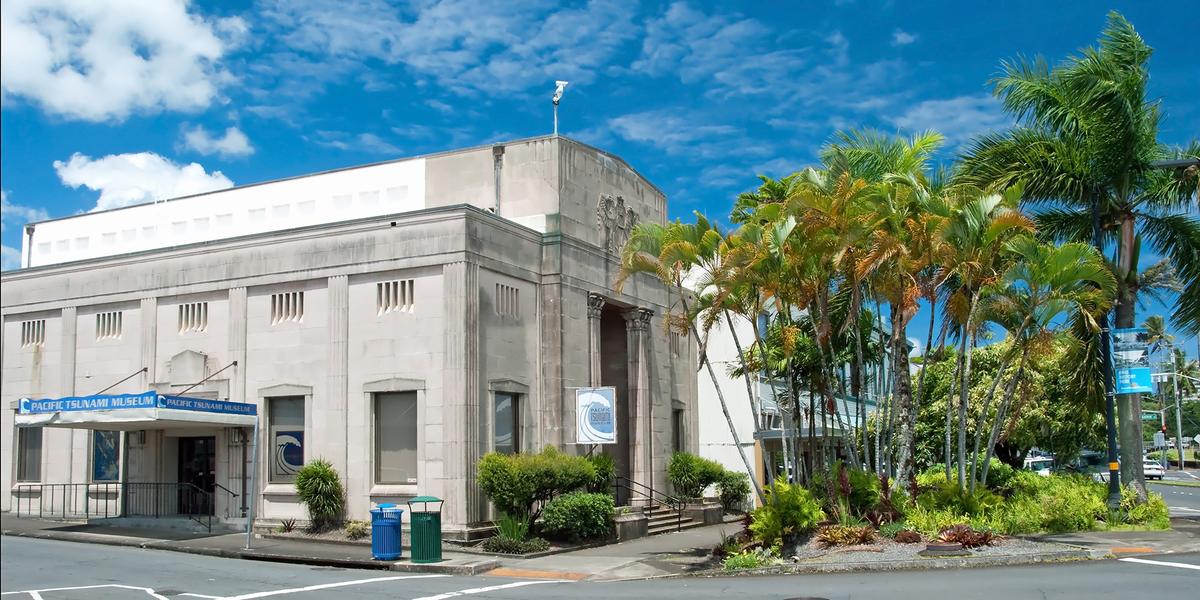
Walking on the Moon
While best described as a mix of barren lava fields and a bit of lush reborn forest, the Hawaii Volcanoes National Park is unmissable. Less than a half-hour drive from Hilo, it’s unlike anything I’ve ever seen. An old lava tube offers a short walk through the dark that once glowed with molten rock. The Kīlauea Iki Trail descends 400 feet with multiple switchbacks through rainforest all the way down to the bottom of Kīlauea Caldera. There you cross a solidified lava lake from a 1959 eruption. Before that the old crater was actually double that depth. We met a former guide from the nearby town of Volcano, who told us he met a witness of that eruption, who stood above at the lip of the crater, but only for a moment, as the heat coming off it was unbearable.
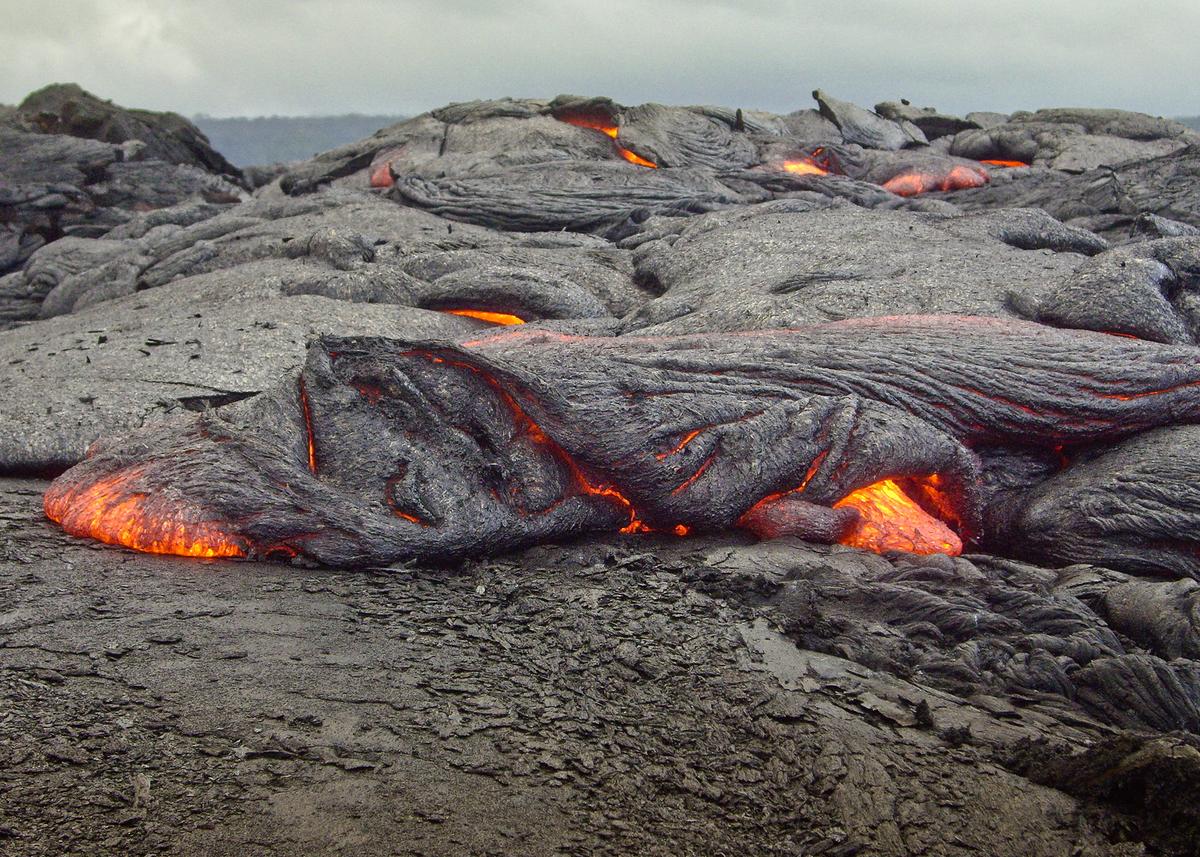
A week before our arrival, another vent had thrown lava 1,500 feet into the air. The tiny black pebbles crunching under our feet had only recently been raining down. Small clumps of what looked like angel food candy, a dark golden color full of tiny bubbles, lay strewn across the landscape. I crushed one with my hiking boot. “But don’t touch it,” our new friend said, as he crouched down and pressed one to dust with a thumb. “Or be sure to clean off your finger.” The dust is highly abrasive and can do a number on a human eyeball. After the last eruption, Episode 43, like a lava streaming series, tephra was flung as far as Hilo. From overlooks along the trail above the caldera, we could see steam rising from the more distant active vent.
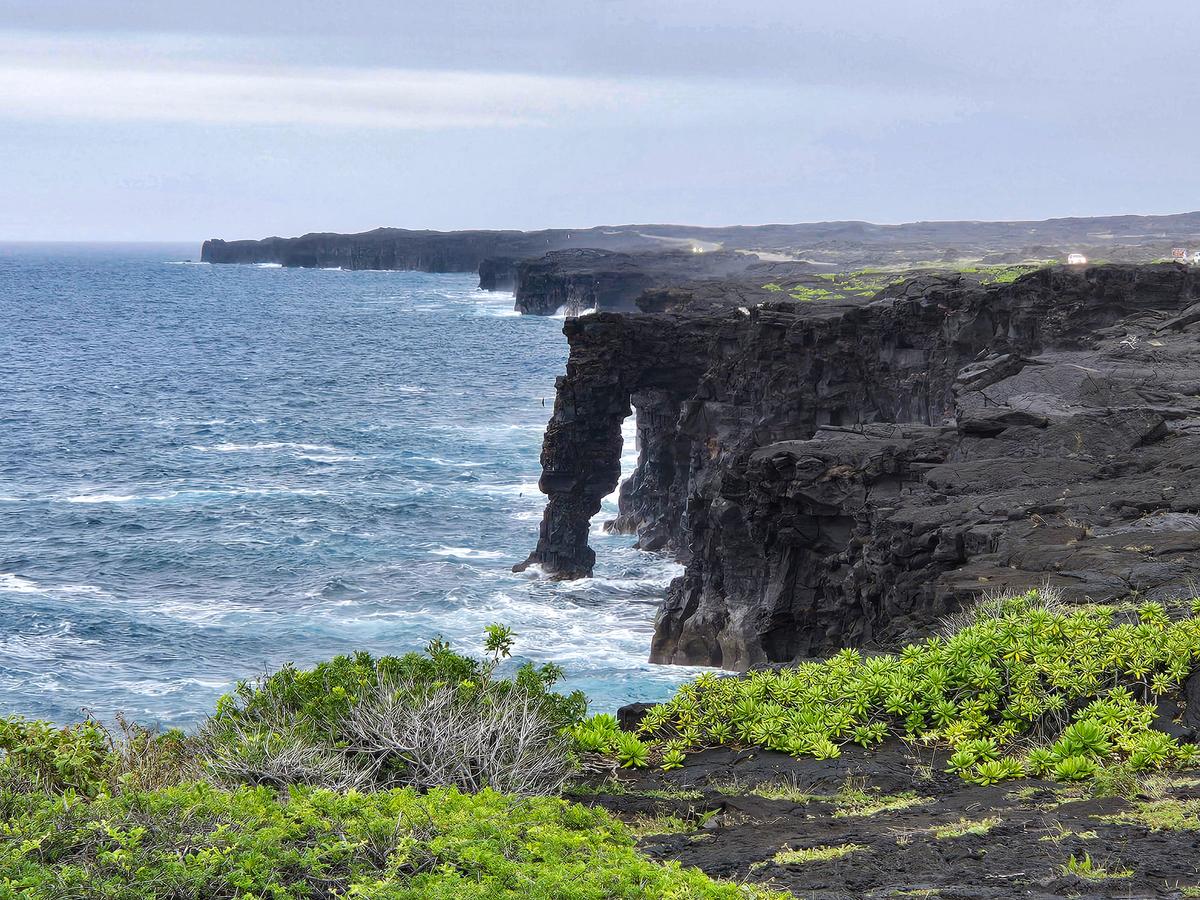
We drove to the coast on a road that crossed much older lava fields, and took photos of arches and cliff faces where the waves whittled away at previous eruptions’ efforts to push into the sea. Be sure to have enough gas to drive back out.
Falling Waters
The namesake of Akaka Falls State Park, 11 miles north of Hilo, is a 422-foot cascade that tumbles into a verdant gorge. The circle trail is four-tenths of a mile and passes through bamboo and banyan trees, where the calls of hidden frogs rival those of the birds. Even on a day given to sprinkles, you just don a raincoat or plastic poncho and linger there. Tip: follow the trail counterclockwise to avoid disappointment at Kahuna Falls, the second but smaller cascade.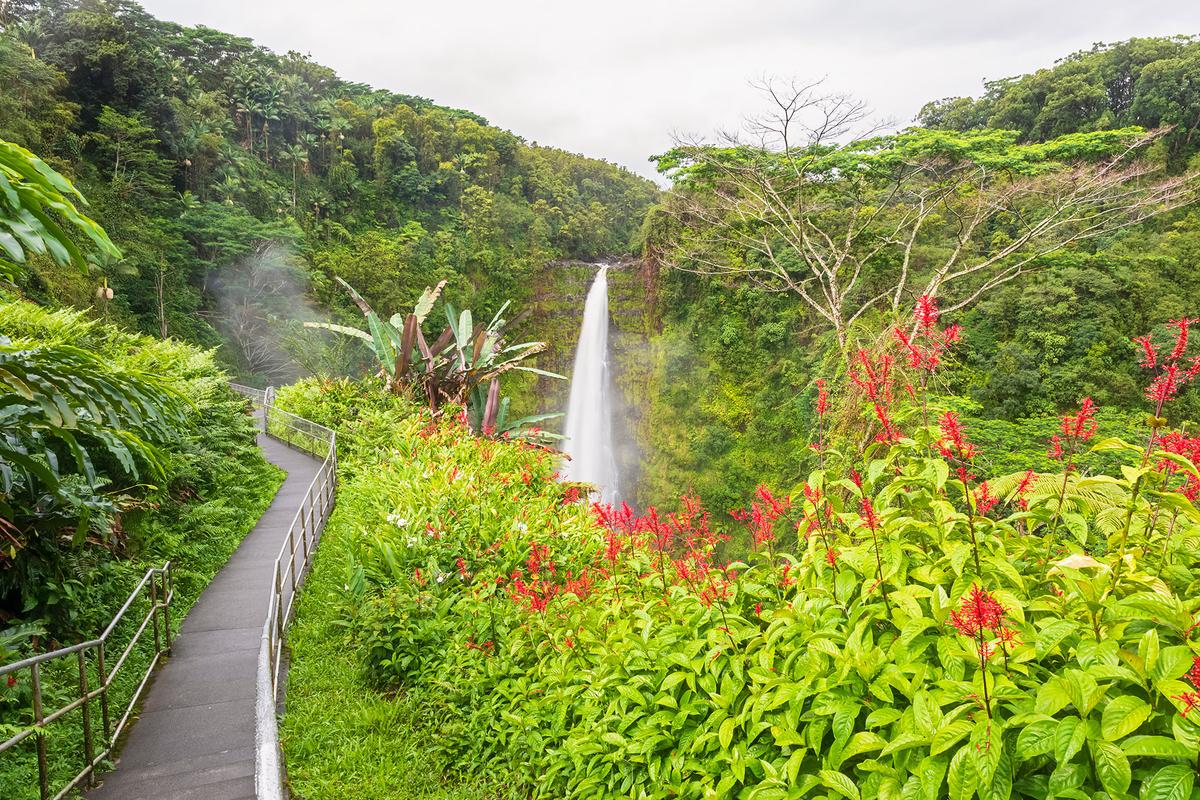
Heading back to town, we took the four-mile Onomea Scenic Drive, a stretch of the Old Mamalahoa Highway which winds through dense rainforest, crosses historic one-lane bridges, and offers sweeping ocean views of Onomea Bay. We stop at What’s Shakin' for a fresh fruit smoothie for the drive. The Hawaii Tropical Botanical Garden is a stop here, featuring 1,800 species, including a variety of orchids. Some narrow roadside parking marks a hiking trail down to the rocky shore of the bay.
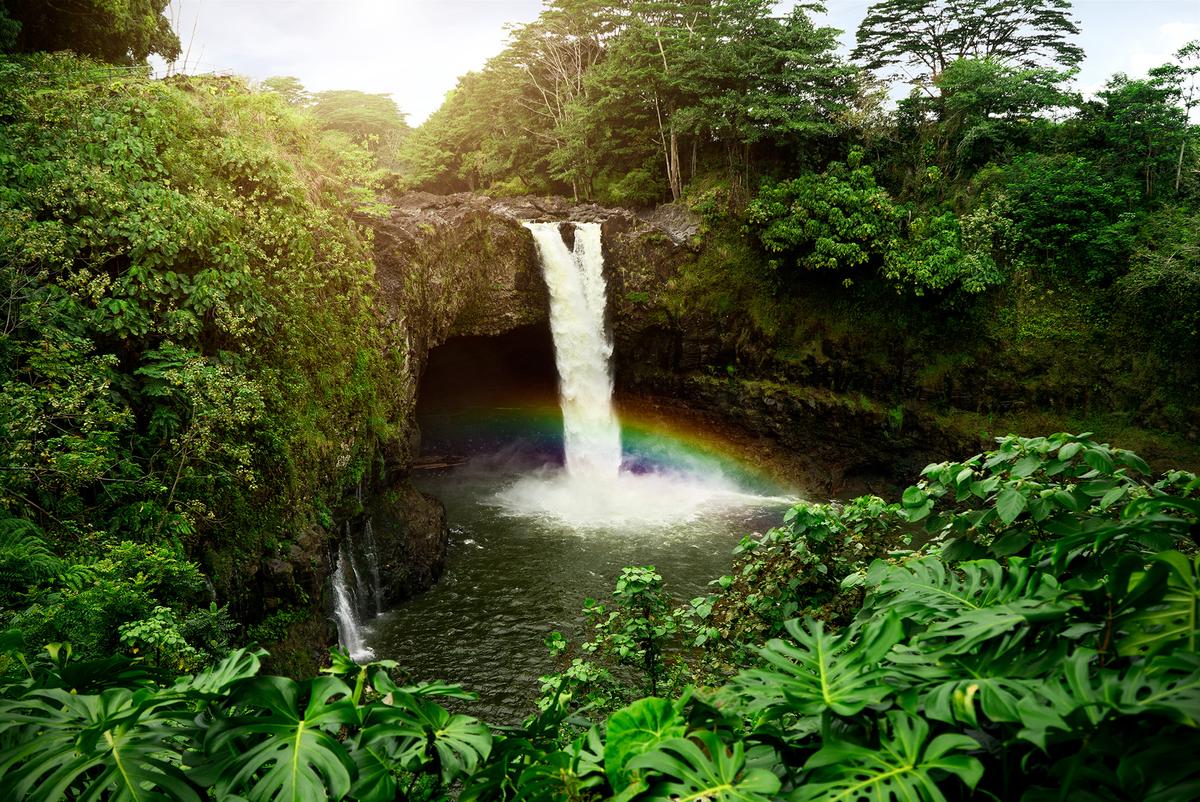
But Hilo also has some waterfall viewing. Waluku River, the state’s longest at 28 miles, is the namesake of a state park in town where you can see the 80-foot Rainbow Falls. The nominal fee covers entrance here and at Boiling Pots, another scenic bit of rushing water along the river.
Guided by Locals
Hakalau Forest National Wildlife Refuge is special. Its nearly 33,000 acres require visitors to hire a licensed guide to access them. Ours was Kumiko Mattison, a professional birding guide who also happens to be the organizer of the aforementioned wetlands restoration volunteer program. We bumped along a dirt road across the long eastern slope of Mauna Kea in her truck, passing cinder cones and sparse tenacious low-lying brush until the park gate. Much of this land was once used for cattle ranching, but since 1985, an army of volunteers has helped plant more than 600,000 plants for the refuge. We parked in the grass near an old ranch outbuilding and headed down a two-track winding into the trees. An indicator of high-quality air, usnea, a drooping gray-green lichen that resembles Spanish moss, swayed in the branches. The list of birds we were hoping to see turned out to be a veritable menu of what’s always on offer: three of them come up as “Rare” on the eBird, a citizen-science app from Cornell Lab of Ornithology. The ‘I’iwi (scarlet honeycreeper), a brilliant vermillion bird with a long orange beak curved like a scimitar, poked into the flowers of an ʻōhiʻa tree, as perfectly fit as a scabbard, a marvelous display of co-evolution. This is a must-stop for any birder with a life list.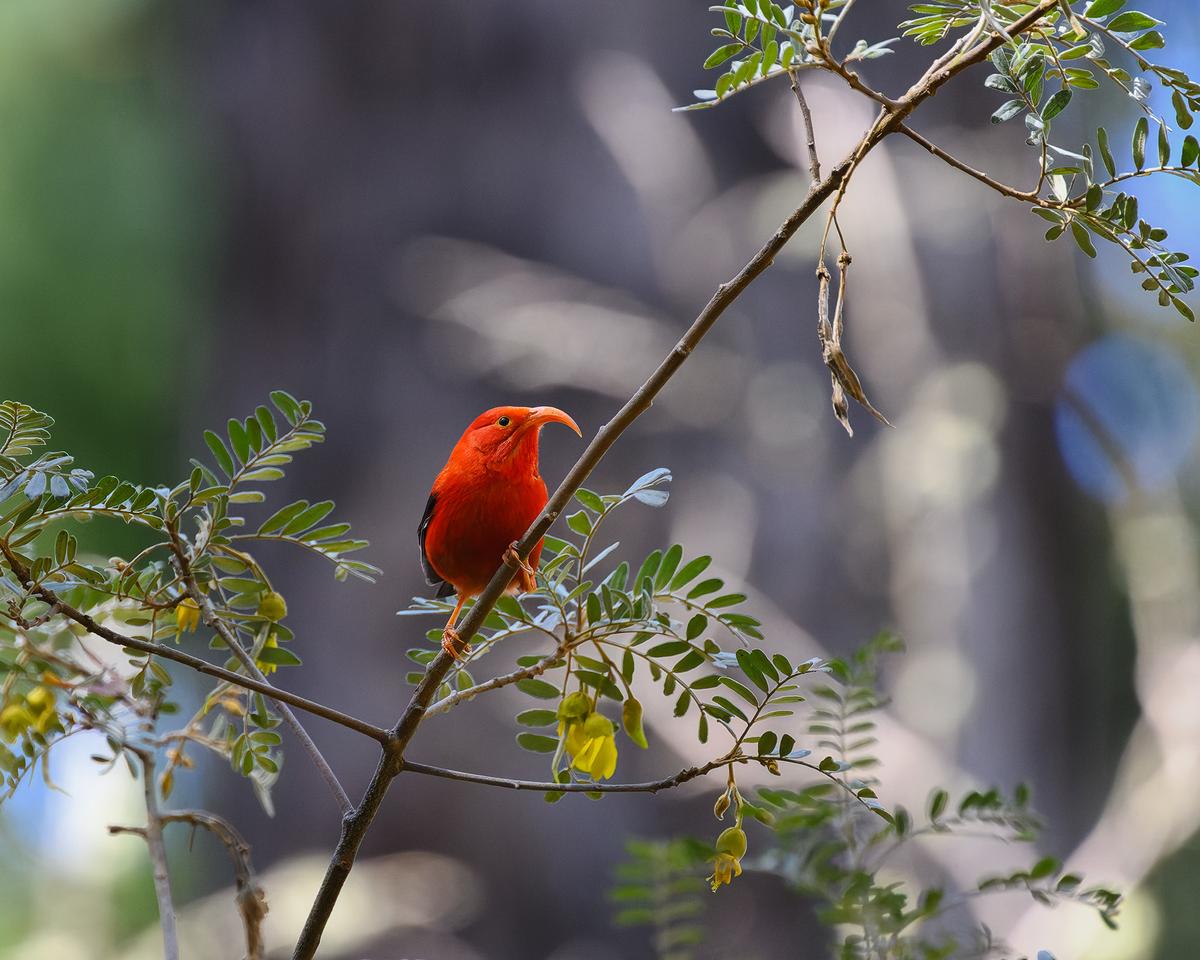
Local Eats
One of the most popular seafood restaurants in town, The Seaside Restaurant and Aqua Farm, is right across the street, overlooking Lokowaka Pond. But on our first day, we take a number and stand in line with the locals at the KTA, the local grocery store. Before us is a long deli counter with more than 20 pre-mixed poke combinations. Choose your rice, choose one or more poke portions, and you are off to work (or picnic, in our case). Know that furikake is a savory Japanese seasoning mix with crispy seaweed flakes, sesame seeds, dried bonito flakes, and salt; you’ll be asked from time to time if you want it on your poke, fries, and more.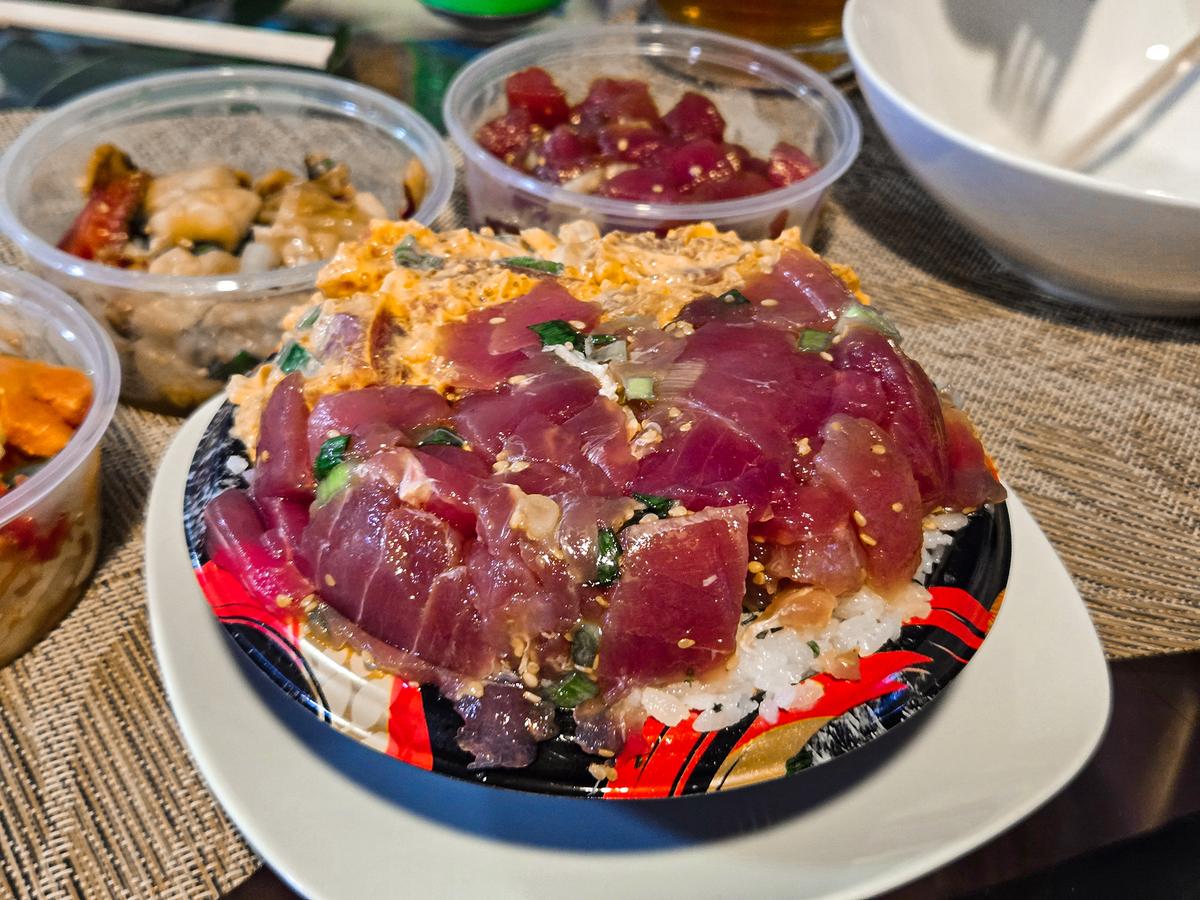
Stop at any 7-Eleven for a very Hawaiian snack: spam musubi, a slice of grilled, glazed Spam on a block of rice, wrapped together with a strip of nori (seaweed). Drink Kona coffee at the closest shop (Big Island Coffee Roasters was closest to our condo). More Japanese cultural influence: eat mocha, but try the ube (purple sweet potato, a local favorite) at Two Ladies Kitchen.
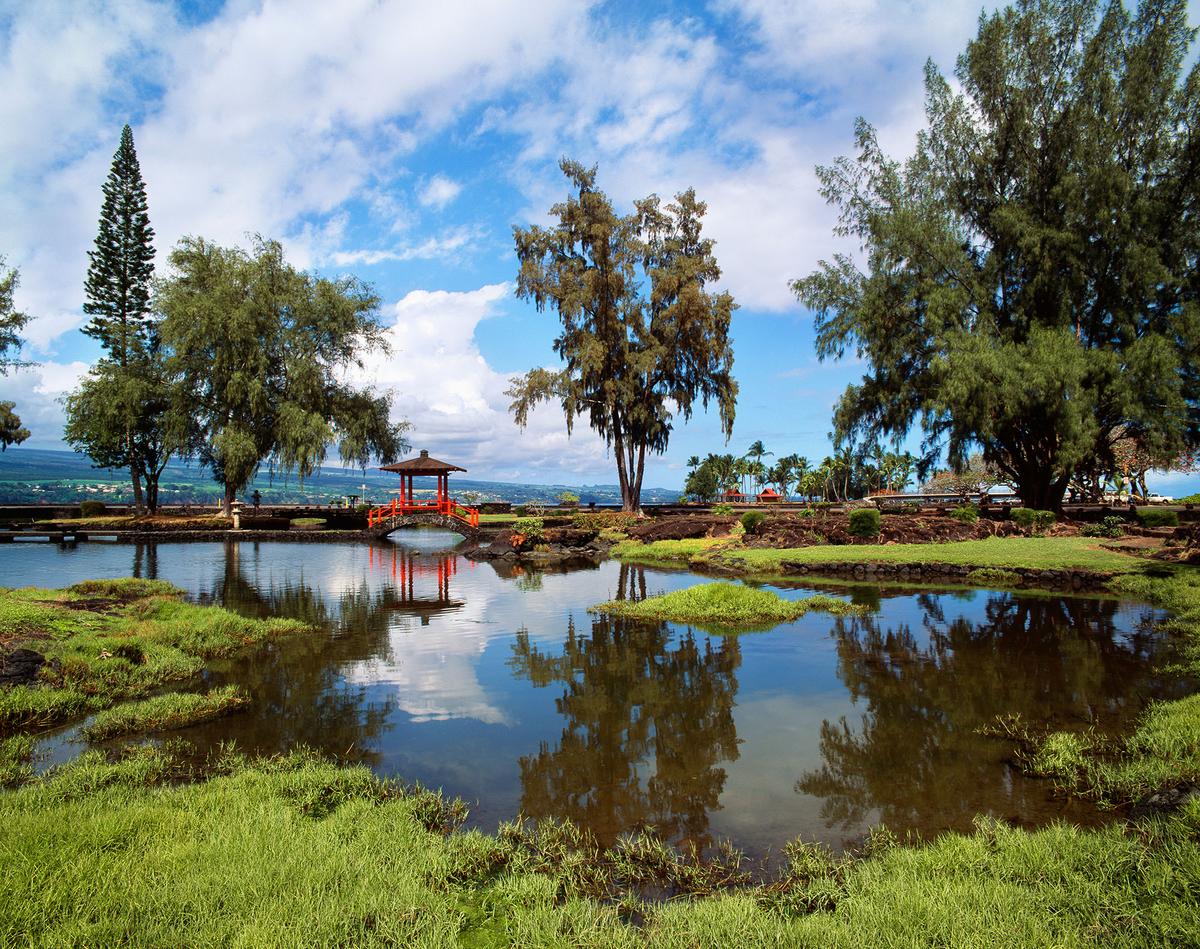
Join early morning tai chi at Liliʻuokalani Park and its Japanese gardens near the waterfront, and see Banyan Drive nearby with its long row of massive banyan trees donated by famous figures since 1933, including Babe Ruth, Louis Armstrong, Franklin D. Roosevelt, and Amelia Earhart, before she flew away into history over the Pacific. Opposite the park is Suisan Fish Market, a local favorite for fresh seafood (which we took back to cook at our temporary home) and the attached Wailoa Grill, with daily specials and picnic tables. Dessert? There’s Ali’i Ice in the park, an ice-making business that has an ice cream and shaved ice salon on the side.
Travel Tips
We rented a car from Hilo Auto Sales & Rentals, a local service (“Rick’s”) with better prices than any of the national chains at the island’s two main airports, at Hilo (ITO) and Kona (KOA). And they offer pickup and drop-off service at either. The drive between the island’s two biggest cities is about 90 minutes if you take the 52-mile Saddle Road, a cross-island highway right between Mauna Kea and Mauna Loa (or take the scenic two-hour drive along the sea). Both are worth it.You will find simple recommendations to avoid humid summer and rainy winter. We went during the “wettest” month, March, and had no problems. Temps were moderate, rains tended to be short and light if they came at all. And rental availability was widespread.