NR | 1h 52min | Drama | 1949
Anyone can play the odds. Only those who believe in themselves and those they love can make a comeback, even after they lose. That underpins director Mervyn LeRoy’s film.
The stakes are against him for over two tough decades. Right from his years as bartender, Charley Kyng (Clark Gable) worked hard and smart to grow his casino business.
With a devoted wife, Lon (Alexis Smith) and a grudgingly respectful if resentful teenage son, Paul (Darryl Hickman) beside him, he sees no reason to stop working. The doctor warns that if Charley doesn’t stop smoking, drinking, and stressing, he’ll have one heart attack too many.
Worse, Lon’s envious sister Alice (Audrey Totter) and her no-good husband, Robbin Elcott (Wendell Corey), live off Charley’s largesse.
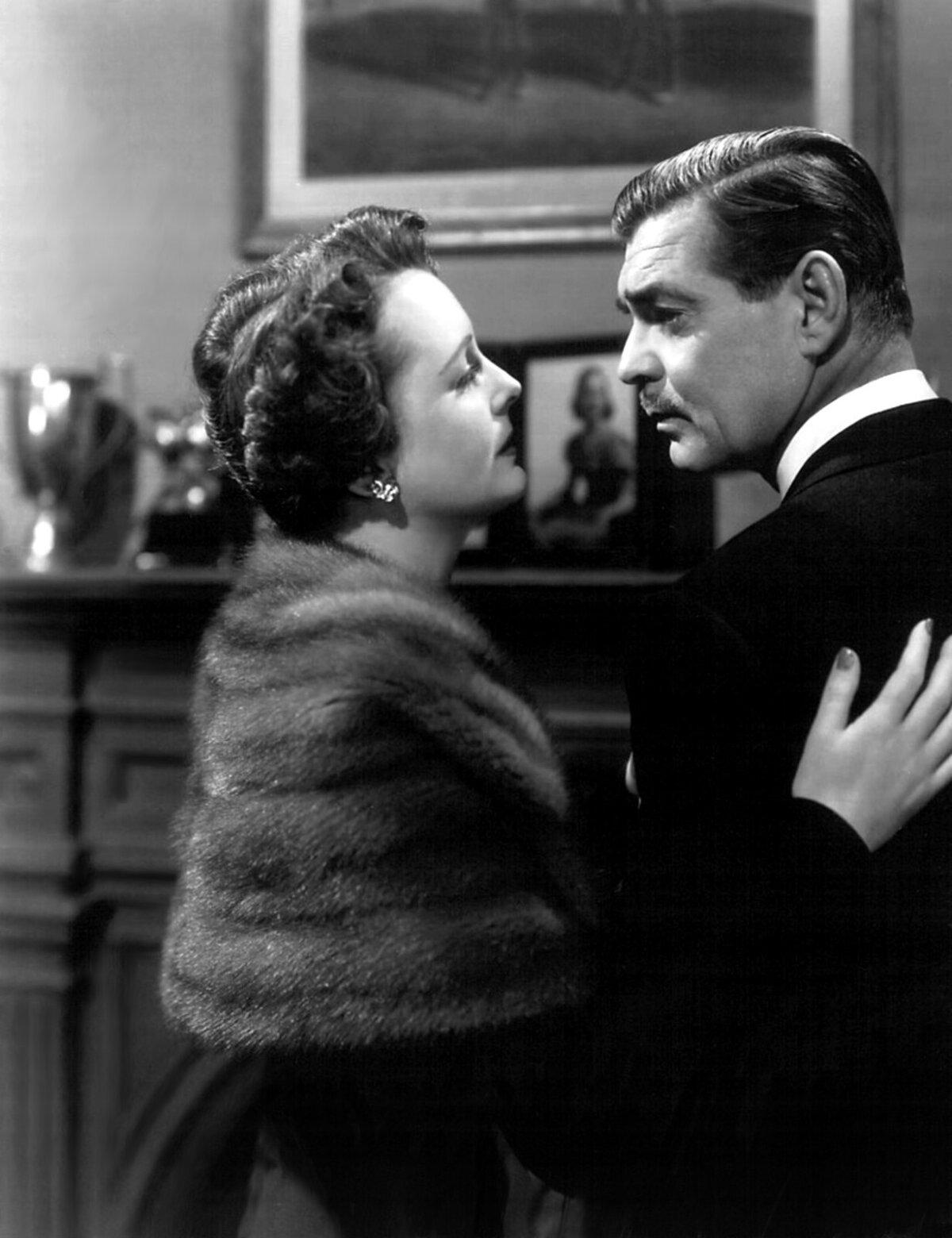
Charley insists that it’s his strictly legal business that gives them all the life they enjoy. But his preoccupations leave Lon lonely and Paul embarrassed at what he believes is his father’s disreputable legacy. With help from hoodlums, Robbin’s itching to cheat Charley out of even more money than Charley already gives him.

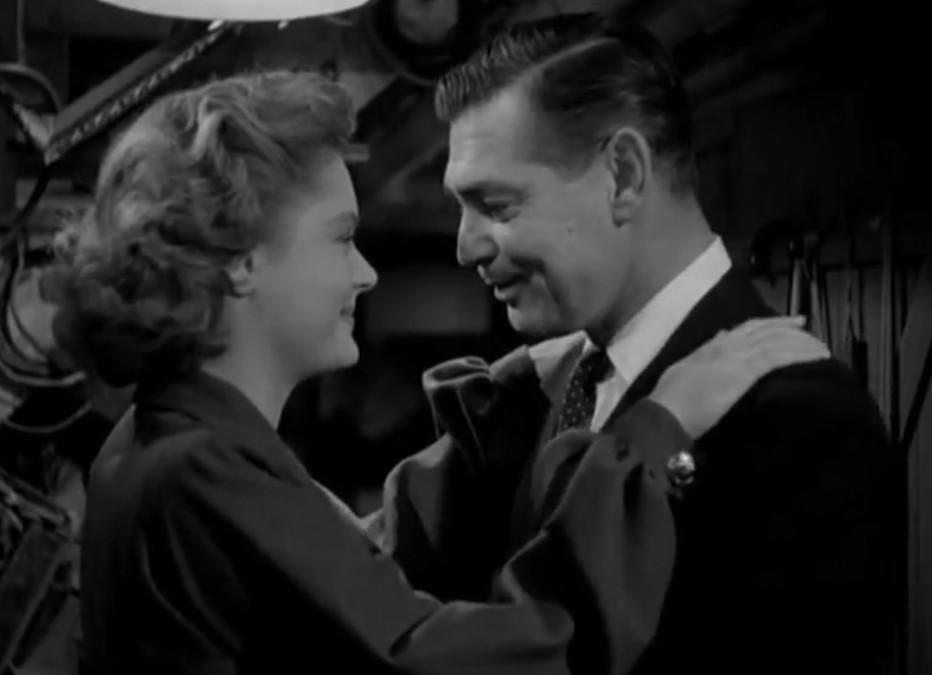
Beneath his calm exterior Charley yearns to make up for years he lost as a happy family man. He misses Lon’s companionship. He welcomes Paul’s respect, if only it wasn’t so tinged with resentment.
Weak Narrative, Strong Cast
Richard Brooks crowds his screenplay with too many characters who weaken his storytelling and detract from the focus LeRoy could’ve devoted to fleshing out his principal characters.The cast make up for that. Scenes between Lon and Charley show that, although they’re tenderly crazy about each other, life has a habit of getting in the way; only gritty commitment can keep their love alive.
Clearly overshadowed by the charismatic Gable, Smith turns out to be somewhat of a dark horse. She has some of the best lines and delivers them with class.
Watch Lon deal with Alice, who’s mad at her own slovenly husband and jealous of Lon’s. Lon explains to her sister that marriage is no lucky accident; it’s easy to get married but it takes much more to make it stick.
Then, watch Lon teach Paul to stop allowing reputation or its trappings to run and ruin him.
LeRoy’s climactic scene is like a showdown in a Western. This time it’s in a casino and packs more suspense than many frontier shootouts.
Once, Paul is berating his father’s gambling business and all he thinks it stands for. Charley gently challenges his son. He declares that in the previous year over 60 million cards and 5 million pairs of dice were bought, over 6 billion dollars were bet on horses and 70 million in taxes accrued from racetracks. All legal.
One in two people in the world gamble—on bridge, football, fights, poker, the lottery, the weather. Charley might as well have added that some even gamble on election outcomes. His point on bets about longevity is a snarky reference to life insurance being a bet, too. To Charley, all life’s a gamble.
Charley’s caveats about gambling, though, show in his treatment of a range of customers at his casino. He doesn’t believe in gambling with other people’s money or what’s meant for urgent and important family priorities. Besides, when things are rigged to cheat a legal winner, it’s wrong even if the state doesn’t say it’s illegal.
Young Paul finds all this hard to swallow but has second thoughts when middle-aged casino patron Sarah tells him that he may well be set to “look as good” as his father; but she wonders, with his resistance to learning from life, if he’s going to “be as good.”
Lon urges Charley to close a tense game and cut his losses. He resists. It wasn’t closed when he was winning. Why close it when he’s losing? Charley tells her that it’s easy to have ethics “when you’re ahead of the game.” He’s implying that his principles are tested only when he’s falling behind. Only then do his principles become real and make the man. Everything else is pretense.
Charley habitually stays clear of admitting, to Paul at least, whether gambling is right or wrong, but he’s eventually forced to decide whether his principles hold in only one part of his life or all of it.