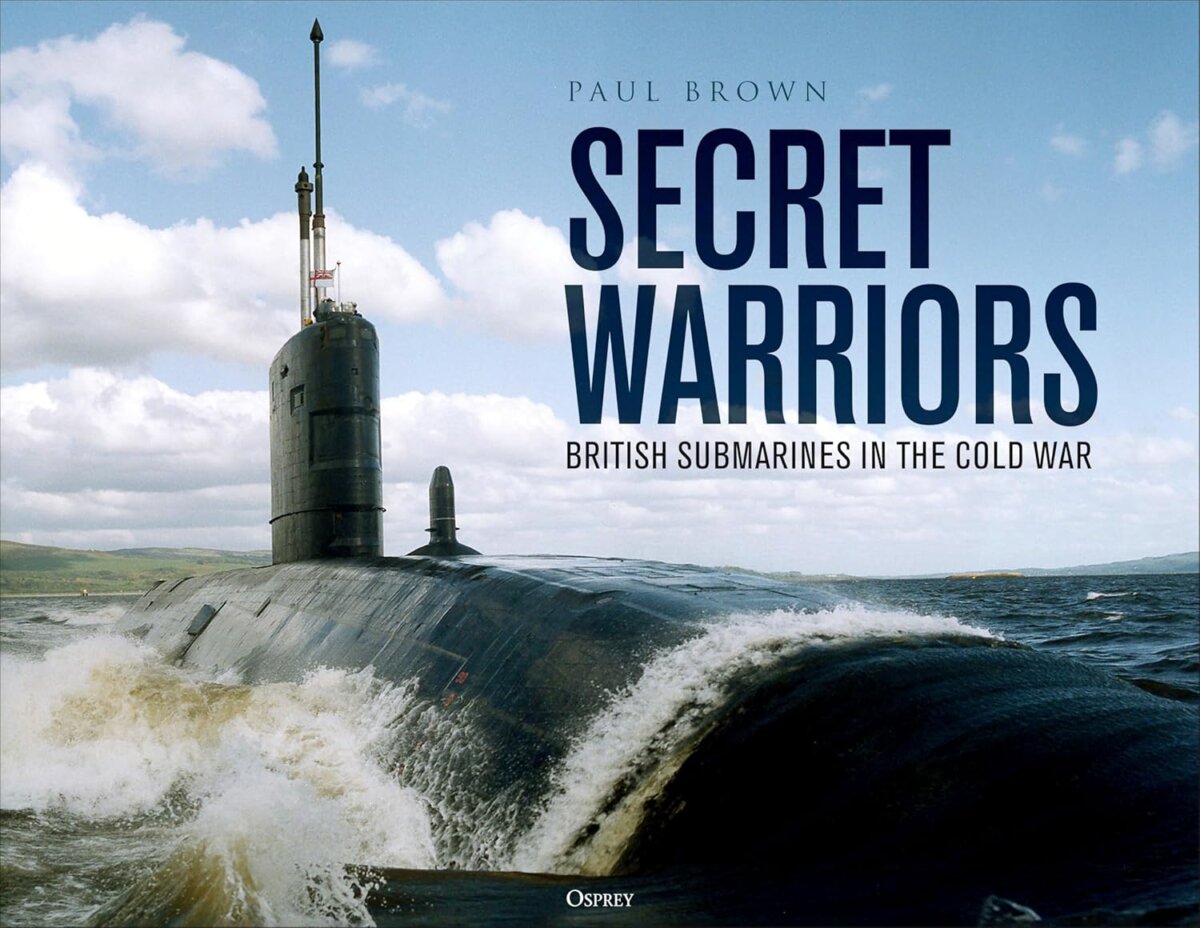
An entire generation was given a profound appreciation for the Cold War-era submarines with Tom Clany’s debut novel “The Hunt for Red October.” Those submarines were American- and Soviet-made.
Paul Brown’s new study of the Cold War submarines are of a different national variety but nonetheless very much from a major player during the Cold War. “Secret Warriors: British Submarines in the Cold War” is a deep dive into the development, construction and usage of various British submarine classes in an era that witnessed little if any hostile submarine action. The task for these British submarines was tracking enemy subs and using their potential firepower as a means of deterrent.
From diesel-powered to nuclear-powered, Brown guides the reader through the decades of submariner action, and, despite a lack of the aforementioned hostile kind (sans the conflict in the Falklands), there are plenty of interesting tales to keep one engaged.
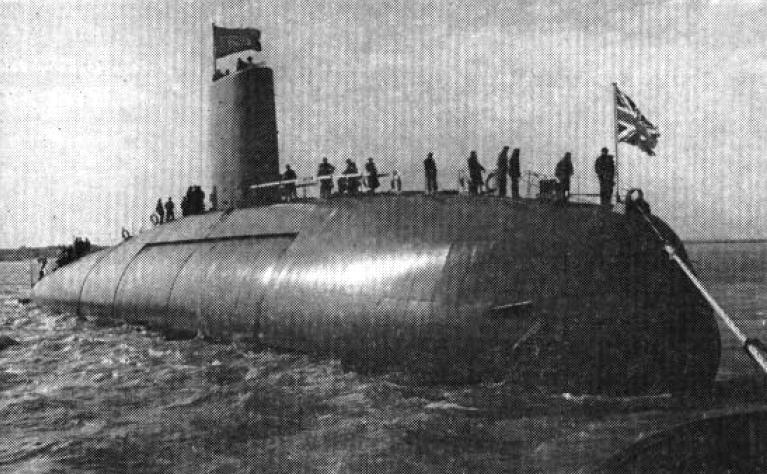
Additionally, “Secret Warriors” is chock-full of amazing photos of the various classes of submarines, from the pre-World War II and World War II S, T, U, and A classes; the Midget submarines and diesel-powered; to the Brits’ first nuclear-powered submarine called the Dreadnought to the Upholder Class, which proved to be a digression in British submarine technology practically across the board.
Progression and Digression
Brown’s multi-decade breakdown of the various classes includes graphics highlighting the engine types and how they were engineered, as well as their specifications, like displacement, length, speed, diving depth, range, armament, and sonar types. More importantly, Brown takes readers through the actions, errors, and tragedies onboard these massive vessels.The chapters are broken into sections by class. There are Arctic adventures, close calls with Soviet subs, and a whole host of court martials for officers, who either by negligence or happenstance endangered their ship and crew.
Regarding those adventures and misadventures, the Royal Navy was able to make adjustments and upgrades to later classes. Most notably, according to the author, was the upgrade from the Valiant Class to the Swiftsure Class (the Resolution Class came between), which witnessed a diving depth maximum of 1,500 feet, a speed of 29.5 knots (an increase by 1.5), and the capacity to restrict its snap roll during turns from 45 degrees to 10 degrees. This massive 4,000-plus ton nuclear-powered submarine could make a 180-degree turn in less than a minute. The Swiftsure Class appears to have been the height of Cold War British submarine capability.
Some of the upgrades to the British vessels were due to direct collaboration with the Americans, like its use of nuclear power, as well as its addition of the Polaris A3 ballistic missile. In numerous ways, the British submarines reached the height of their powers thanks to American innovation. But that, of course, is no slight to the British, which boasts a proud maritime tradition.
A Fun, Insightful Cold War Read
The book demonstrates the dangers of being in a submarine even when not being chased or when chasing an enemy vessel. Anything could go wrong inside, requiring immediate resurfacing. Resurfacing was risky in itself and required spatial awareness in order to avoid ships—a proposition made more dangerous in busy sea lanes. Being caught in a vessel’s trawl lines was a rather common event in the book. But it was even more risky when making an emergency resurface. Additionally, during the Royal Navy’s runs throughout the Arctic, it wasn’t other vessels that was the concern, but icebergs, as well as sheets of ice too thick to pierce. The Arctic adventures make for entertaining reading.“Secret Warriors” is no Tom Clancy novel, obviously, but there are several moments that are reminders of that classic work of fiction, like when conducting anti-detection techniques against the Soviets or when silently tracking a Soviet submarine for eight weeks over the course of more than 10,000 miles.
Cold War, submarine, and maritime enthusiasts will certainly enjoy this book. It is full of great information about the submarines and the officers who commanded them.