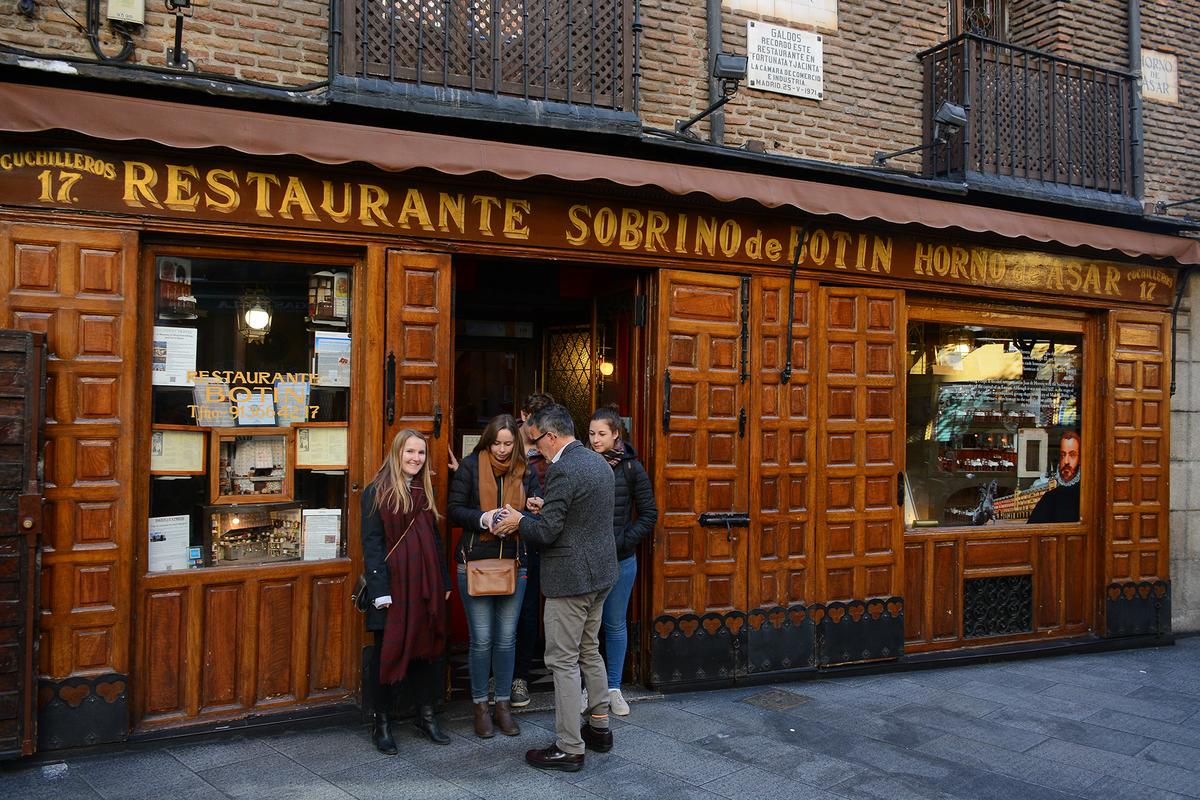
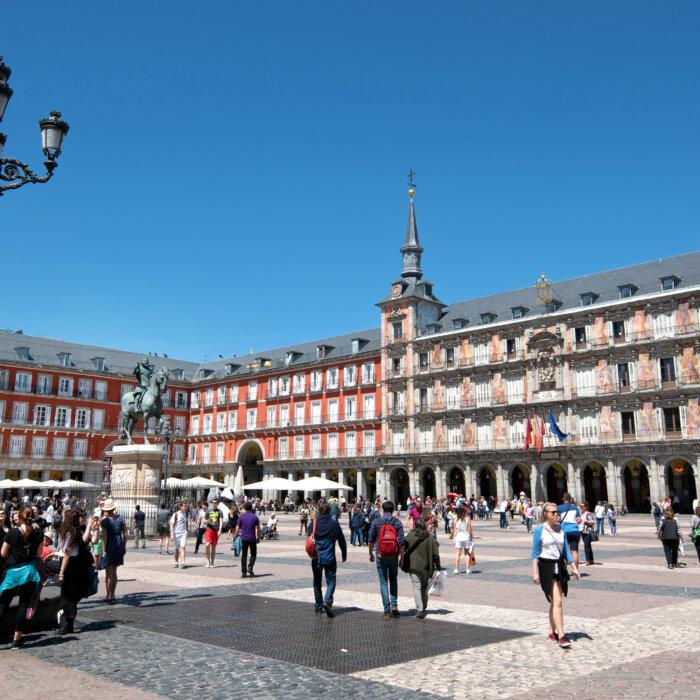
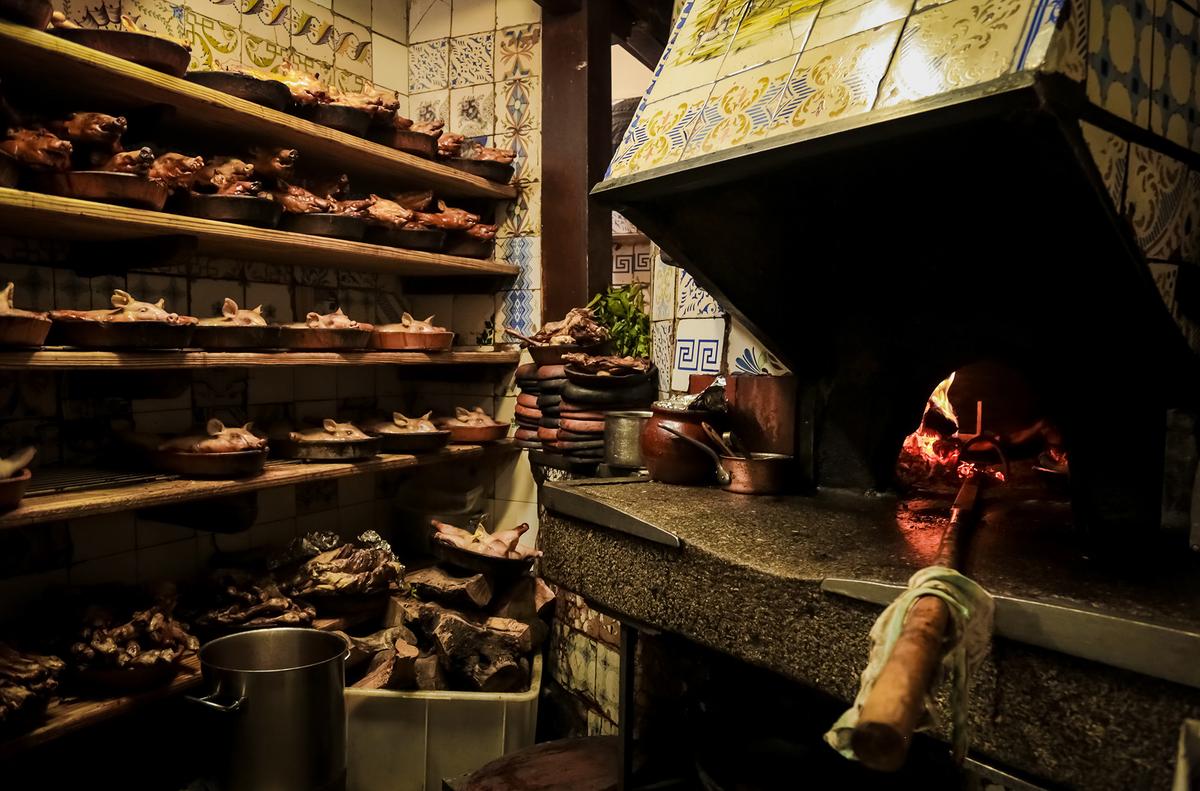
At the heart of a brick building on the street of Cuchilleros, the “knifemakers,” in Madrid, a fire burns. It has burned there continuously for 300 years. When Napoleon invaded Spain in 1808, the fire had already been lit for 83 years. When the Spanish Civil War rocked the streets of Madrid in the 1930s, damaging one of the balconies of the old brick building, the flame smoldered on. Even when all the world was quarantined during the COVID-19 pandemic, the fire in this building continued, quietly, to glow.
When the Oven Was First Lit
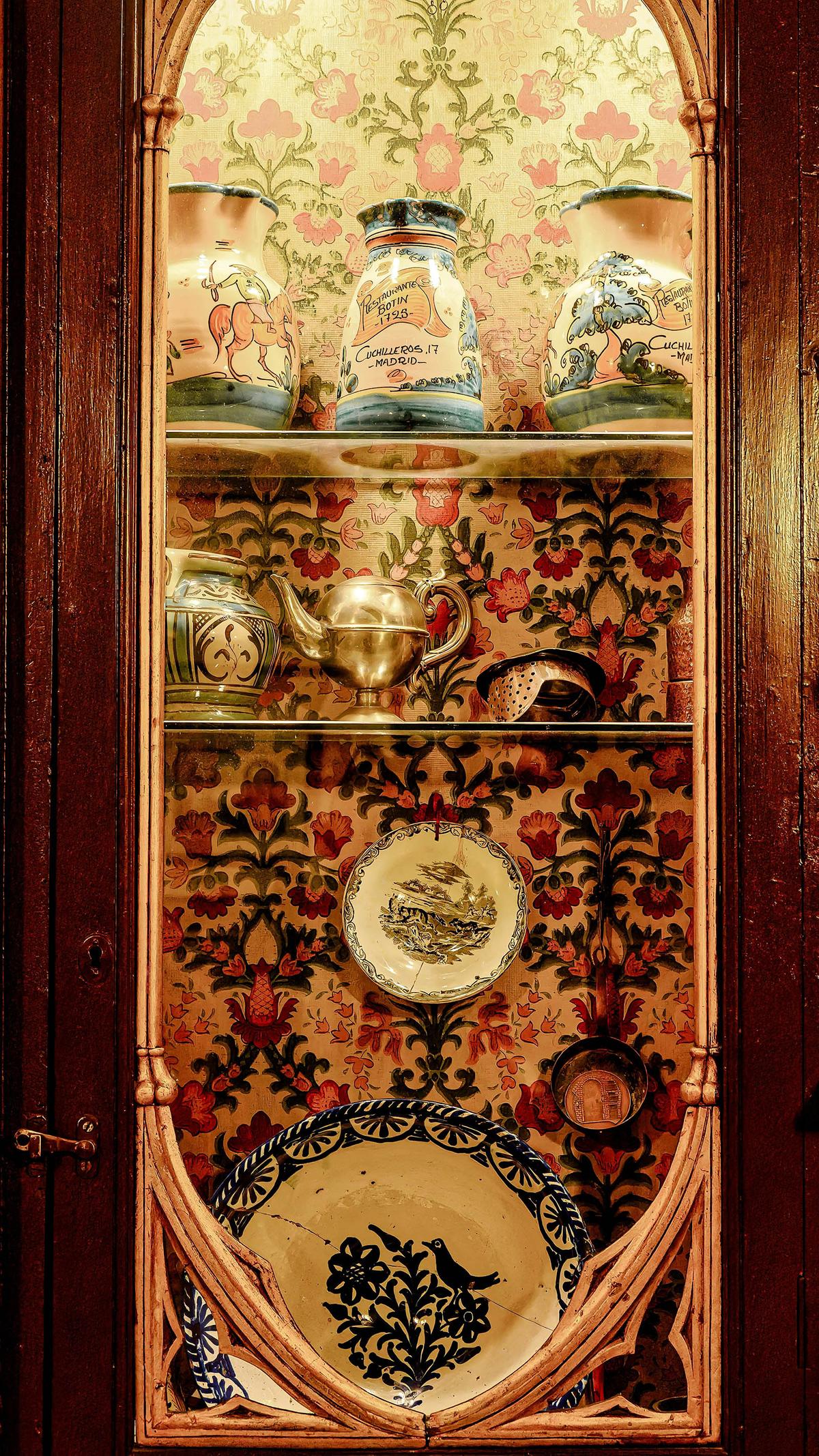
Botín’s oven fire is a fitting emblem of the culinary and cultural traditions that the restaurant has kept alive century after century. Botín’s story intertwines with the richest traditions—and most savory flavors—of European history.Sobrino de Botín—“Botín’s Nephew”—is the oldest eating establishment in the world to retain the same name, same location, and same hospitable activity without ever closing. Its storied dining rooms and cellars have been the haunts of kings, writers, painters, actors, and even a ghost.
Traditional Dishes
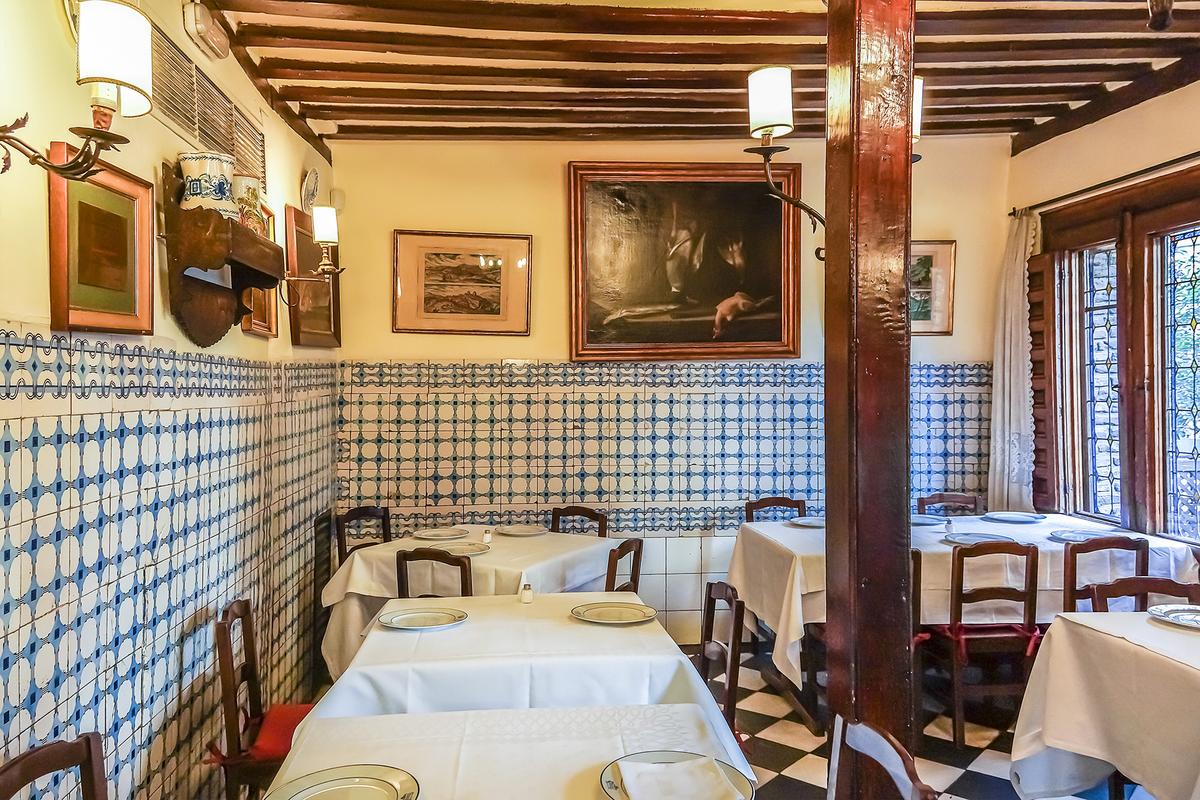
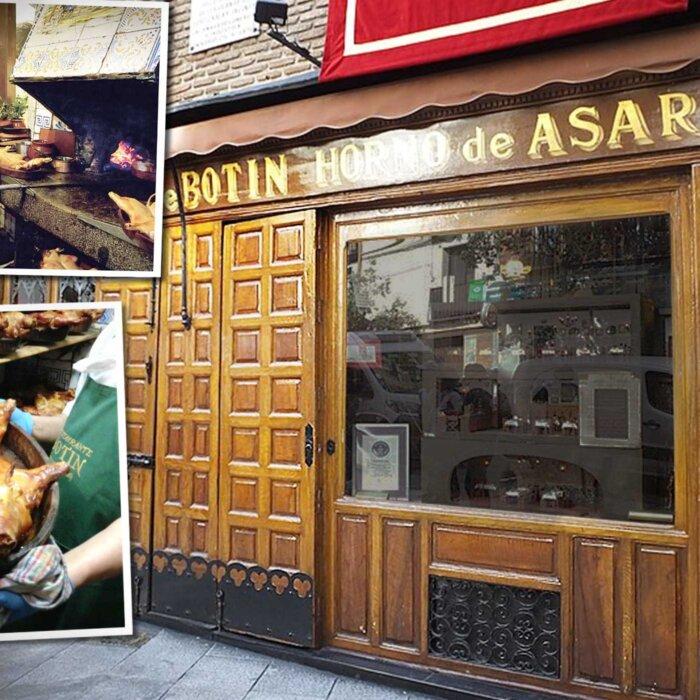
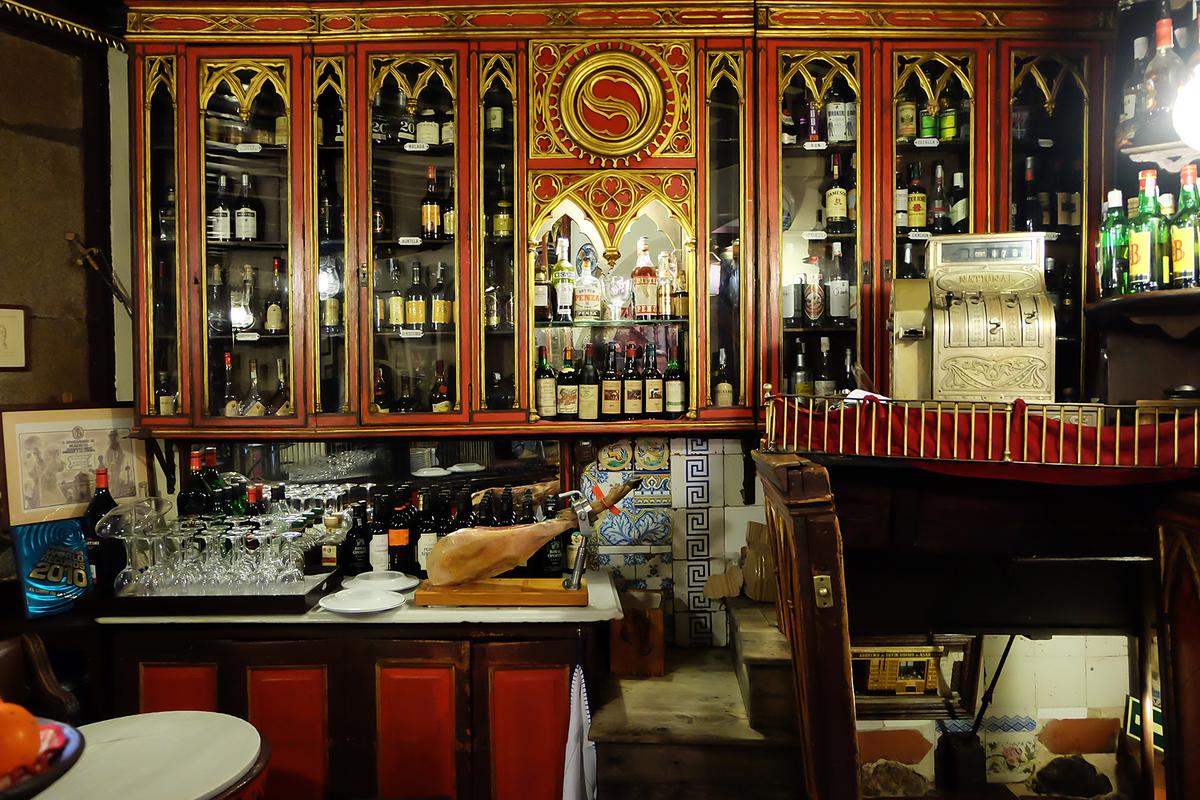
Today, the restaurant serves traditional Spanish cuisine, with González’s grandfather’s interpretation of the recipes. The place’s signature dish is roast suckling pig, cooked in its 300-year-old oven until golden brown.Inside one of the building’s richly decorated dining rooms—featuring exposed beams and the distinctive ceramic tile of Talavera de la Reina—guests can order lamb, baby eels in garlic sauce, chicken fricassee in almond sauce, stewed partridge, white asparagus with mayonnaise, squid, and many more delicacies. Every day, González’s restaurant welcomes 800 patrons and cooks 60 piglets and 20 lambs to feed them. The restaurant focuses on procuring the highest-quality ingredients, which must pass the scrutiny first of González’s nephew, then the kitchen staff, and finally the servers—many of whom begin working at the establishment as 18- to 20-year-olds and remain there for the rest of their careers.
Legends and Patrons
But in addition to the finest cuisine, Botín dishes up heaps of fascinating lore, and many guests visit as much for the historical experience as the gastronomic one. For instance, Spanish sovereigns throughout the centuries have left their signatures on one of the walls. Soldiers of the Spanish Civil War got their bellies filled at Botín. And legend has it that a ghost flits about the wine cellar—allegedly a disgruntled customer who smashed some dishes and is now imprisoned within the restaurant as punishment. Like something out of a gothic novel, the restaurant even has a secret tunnel lined with moldy old bottles.The establishment’s charm and mystery have enchanted many celebrities: Charlton Heston, Frank Sinatra, Jacqueline Kennedy Onassis, Ava Gardner, Nancy Reagan, and Catherine Zeta-Jones, to name a few familiar to American readers. Some say that the famous Spanish painter Francisco José de Goya y Lucientes worked at Botín as a waiter or dishwasher (depending on the account).
But perhaps the restaurant’s greatest claim to fame, however, consists of its literary connections. Ernest Hemingway adopted Botín as one of his favorite hangouts during his time in Madrid, and he even set the final scene of his novel “The Sun Also Rises” at Botín: the novel’s narrator, Jake Barnes, says: “We lunched upstairs at Botíns. It is one of the best restaurants in the world. We had roast young suckling pig and drank rioja alta.” This mention of the venerable old eatery greatly extended its fame in the English-speaking world. Today, foreigners make up a large percentage of Botín’s clientele.
In addition to Hemingway, Botín laid a table for Truman Capote, F. Scott Fitzgerald, and Graham Greene. Greene mentioned the restaurant in his book “Monsignor Quixote.”
In a 2017 interview with Hosco TV, González said: “Botín has an important literary connection that was created that gives a special character to the establishment. Botín, literature, concept of museum, a place where things happened, where history was written—how was this magic created? Well, spontaneously. Transformations accumulated throughout different eras. It has generated something with spirit, with soul.”
From its delightful history-encrusted architecture to its splendid menu to its literary pedigree, Botín certainly possesses a sense of soul that most restaurants simply can’t compete with. Any restaurant that has kept its ovens cooking for 300 years holds a special place in history and plays a special role in keeping the light of civilization alive.