Since 1945, fluoride has been added to public drinking water supplies, but research has shown it may pose risks to our health.

Doctor argues that the fluoride in water supplies is not medical-grade fluoride but hydrofluorosilicic acid, a waste product from the fertilizer industry.
One toothpaste was overdosed by a factor of 5.9 while the second was overdosed by a factor of 7.2.

This series will explore the contentious findings surrounding this ubiquitous public health measure and answer the question of whether water fluoridation poses

Industrial fluoride is added to the U.S. water supply, pharmaceuticals and dental products, and also contaminates our air, soil, and food.

The future of U.S. community water fluoridation programs hinges largely on the National Toxicology Program’s six-year systematic review.

A federal lawsuit could ban fluoride from drinking water, overturning a decades-long program that has been challenged by mounting evidence of harm.

The fluoride added to the public water supply of more than 73 percent of the U.S. population isn’t naturally occurring, and that creates added risk.

Fluorides can be inhaled, ingested, or absorbed through our skin. That means there are several factors that determine what your daily dose of fluoride is.
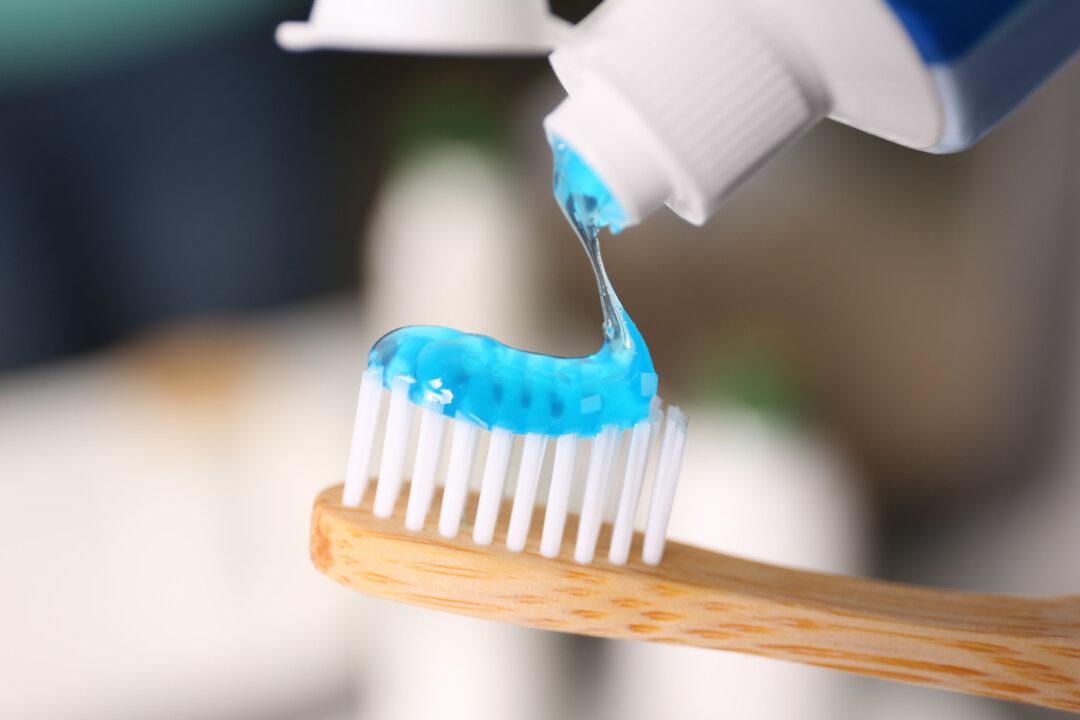
The NRC committee warned that “on a per-body-weight basis, infants and young children have approximately three to four times greater exposure than do adults.”

Research has revealed Fluoride has both beneficial and harmful effects in people and animals but many of the more critical findings are strongly debated.

Fluoride is unique in that it’s the only preventive chemical that most in the United States don’t have a choice about taking.

Water fluoridation is controversial for more than its potential adverse events; there are also concerns about how the fluoride used in water is produced.

After more than 70 years, the battle between the pro-fluoride and no-fluoride camps wages on.