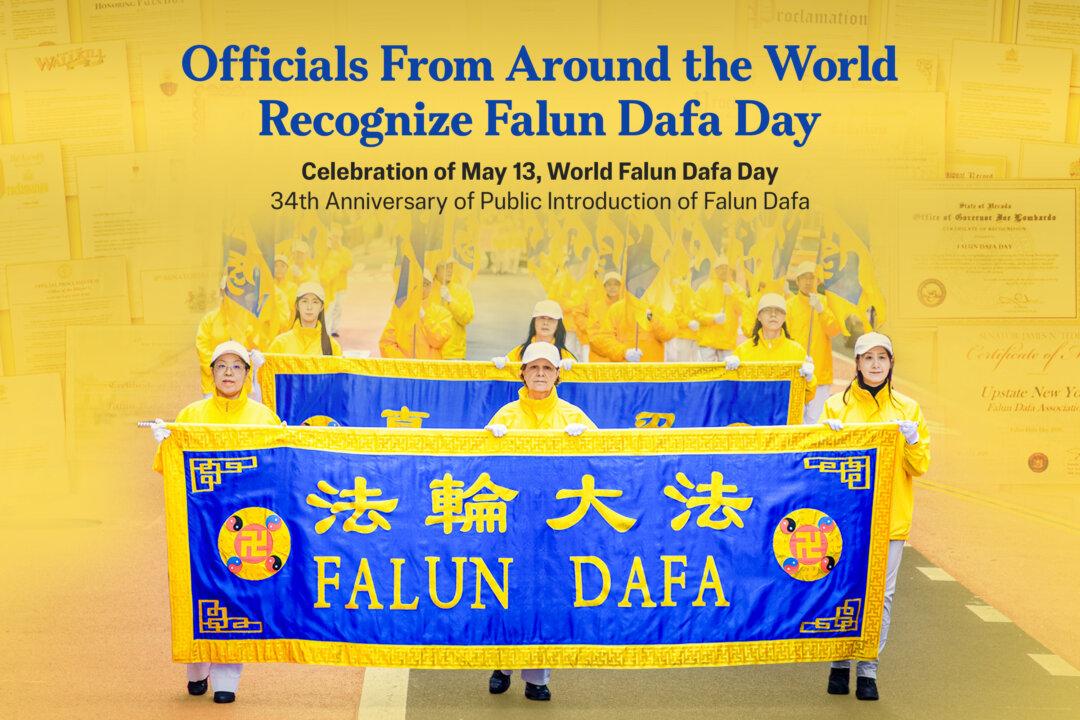
Most respondents supported national security reviews, foreign lab monitoring, and greater transparency in virus research.
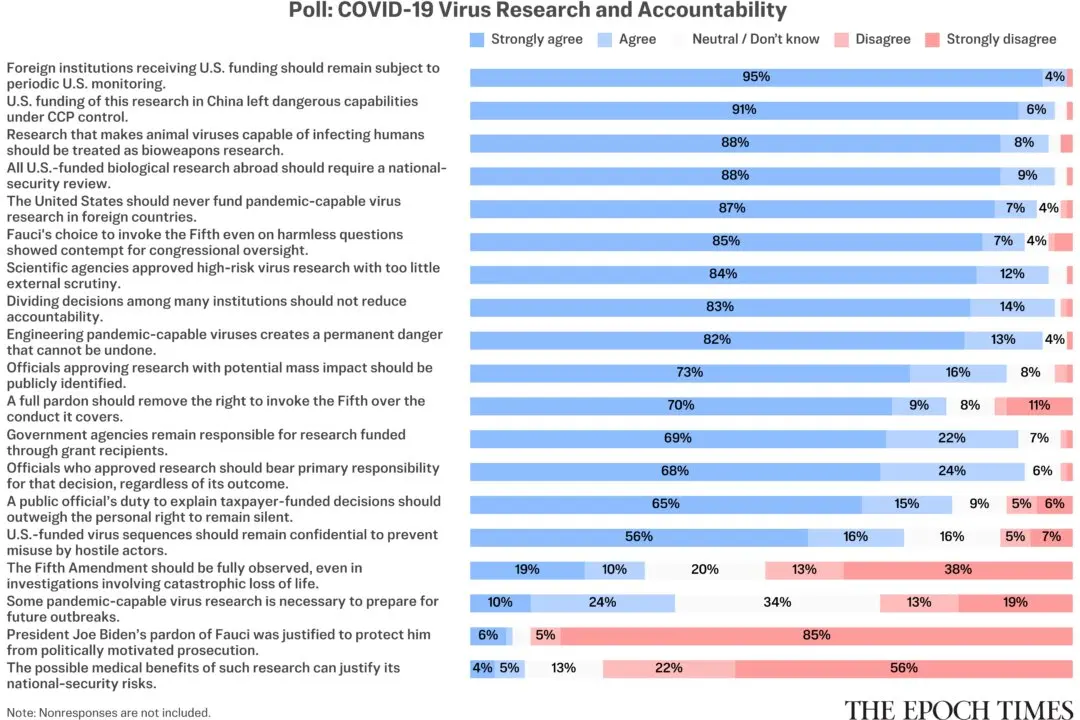
Most support stronger instruction on civics and the Constitution, plus making the educational system less political.
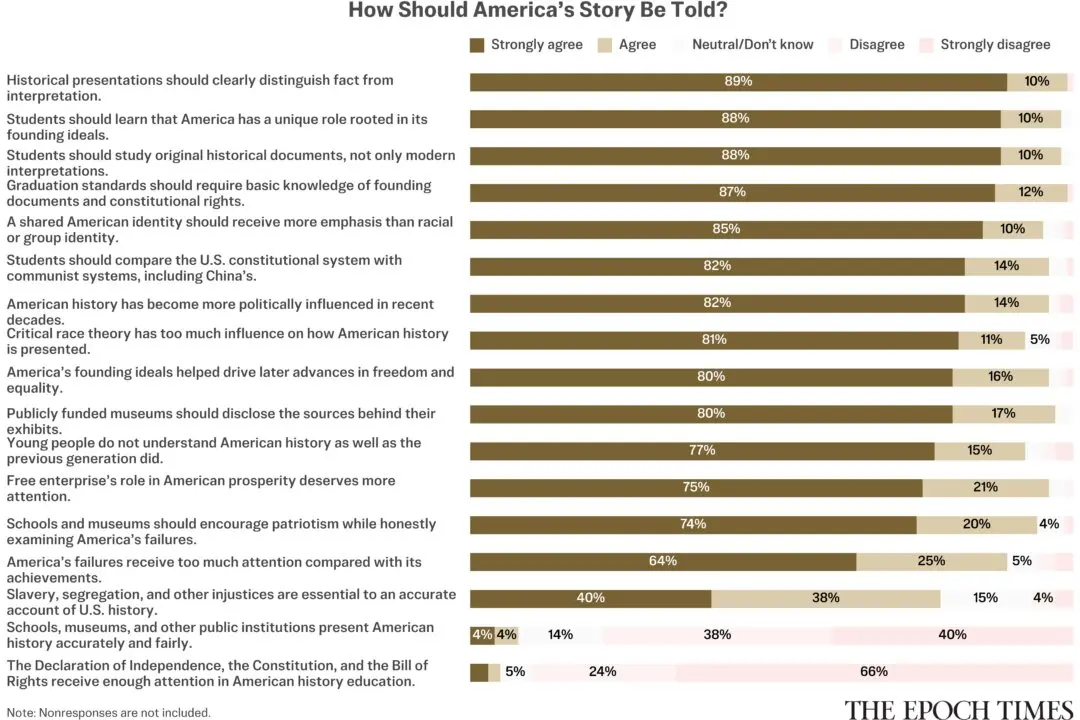
Despite their opposing outlooks, readers in both parties zeroed in on the same core challenges.
Commemorations were held across several cities on July 20 to mark the official start of the CCP’s persecution against Falun Gong.

Ninety percent of respondents said they think the global AI race is moving faster than society’s ability to adapt.

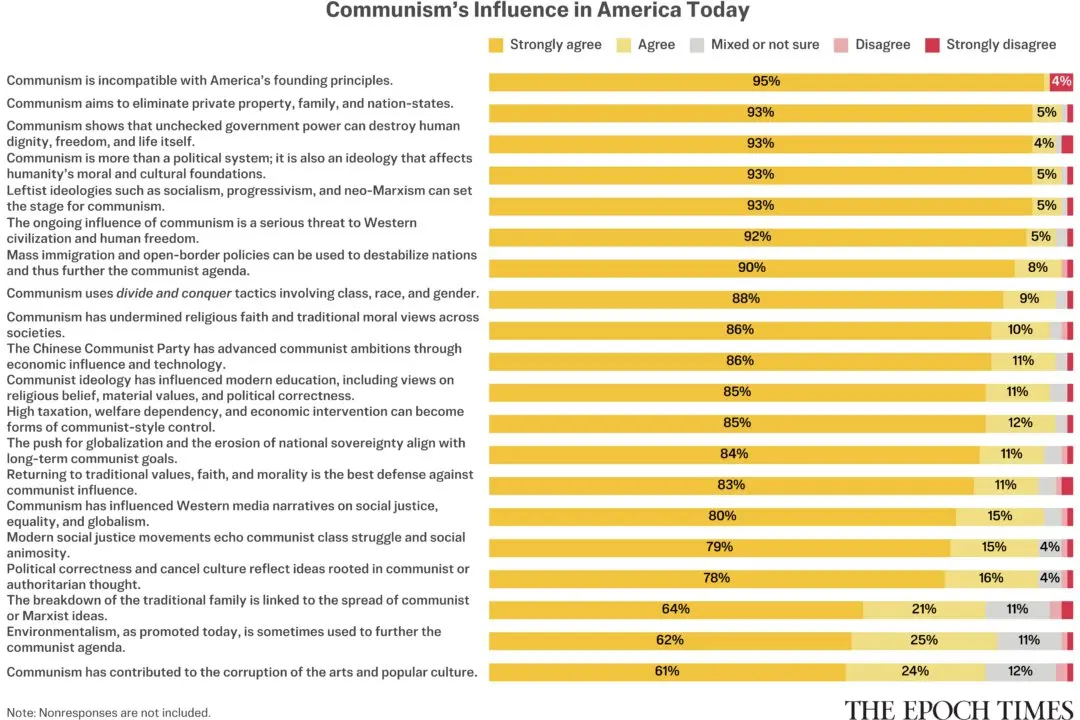
President Donald Trump suggested multiple times in recent weeks that communism was the biggest threat to America.
The contest for most individual goals features familiar soccer heroes from Europe and South America, but a Canadian and a Moroccan are still in the mix.

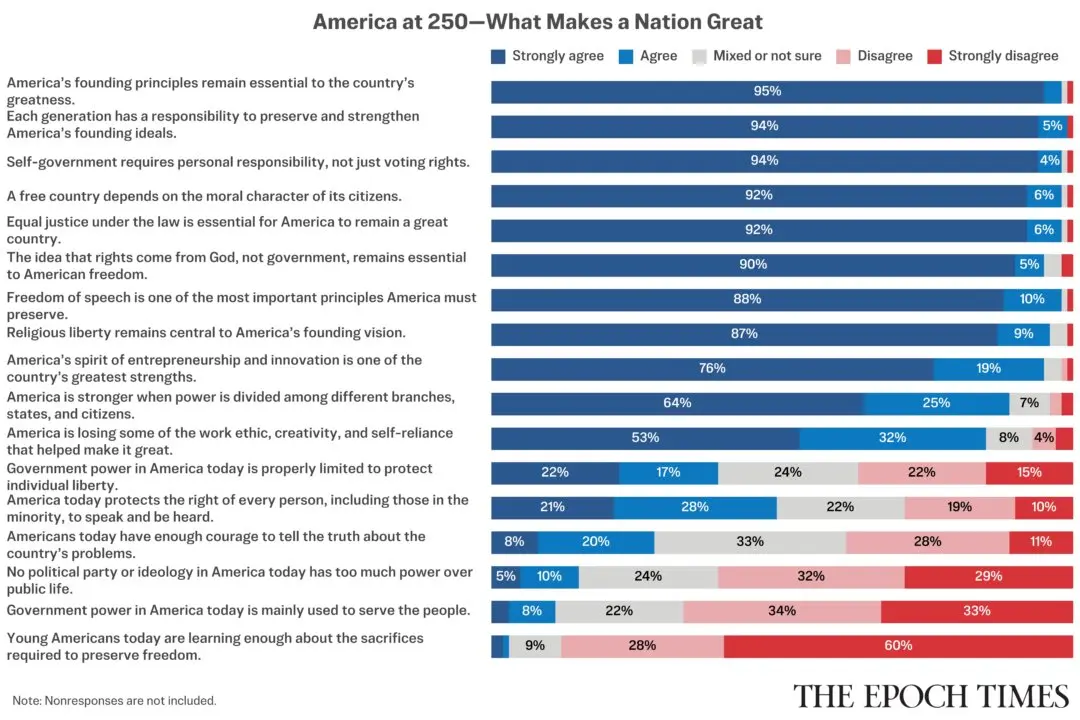
The vast majority of respondents said each generation of Americans has a personal responsibility to uphold and strengthen America’s founding ideals.
A majority (65 percent) of respondents found it harder to achieve the American Dream compared with their parents’ generation.
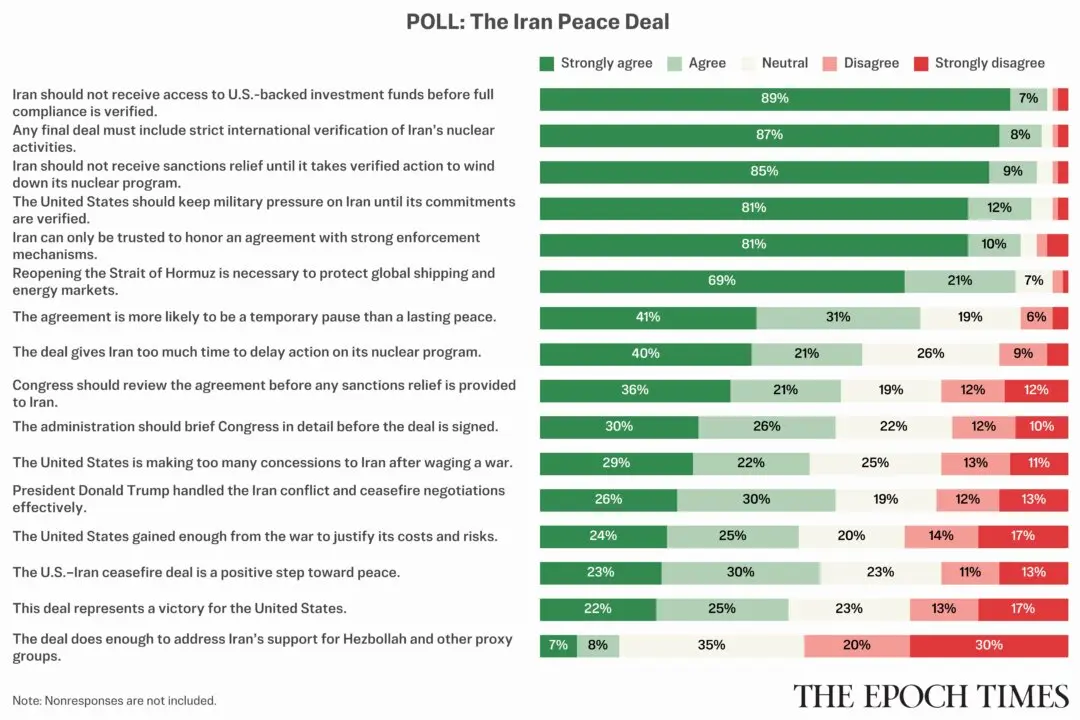
While a slim majority viewed the ceasefire as a positive step, most respondents said Iran should not receive sanctions relief until compliance is verified.
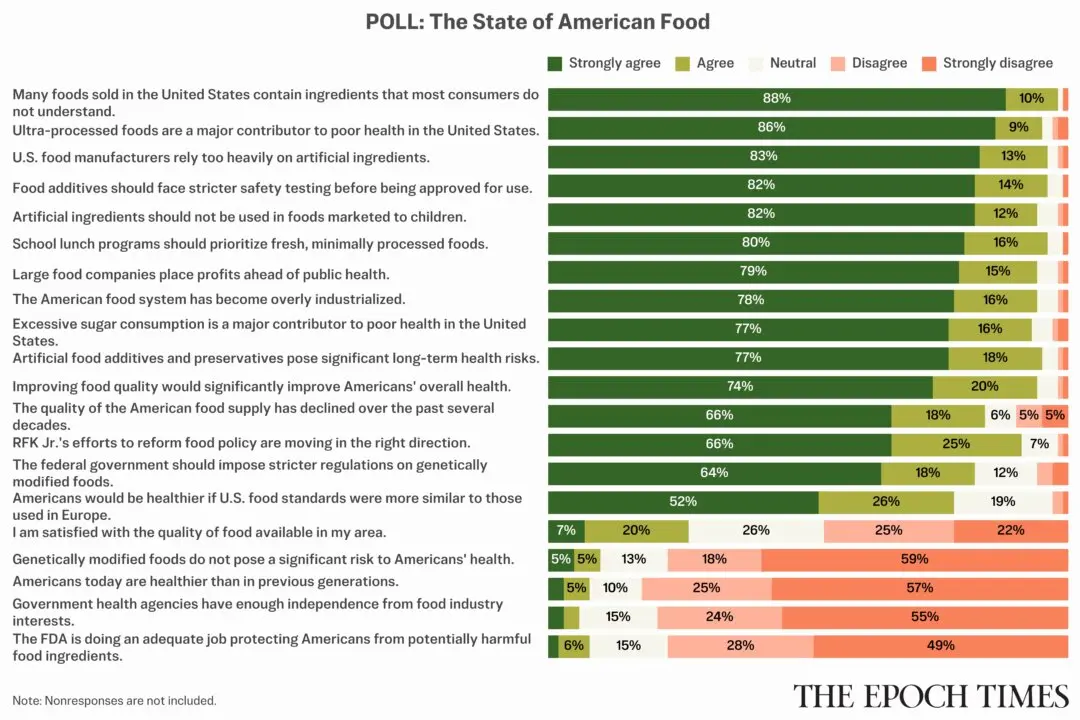
Roughly 98 percent of those surveyed agreed that many foods sold in the United States contain ingredients most consumers do not understand.
Expanded work requirements and stricter enforcement of payment errors moved 4.3 million Americans off program rolls.

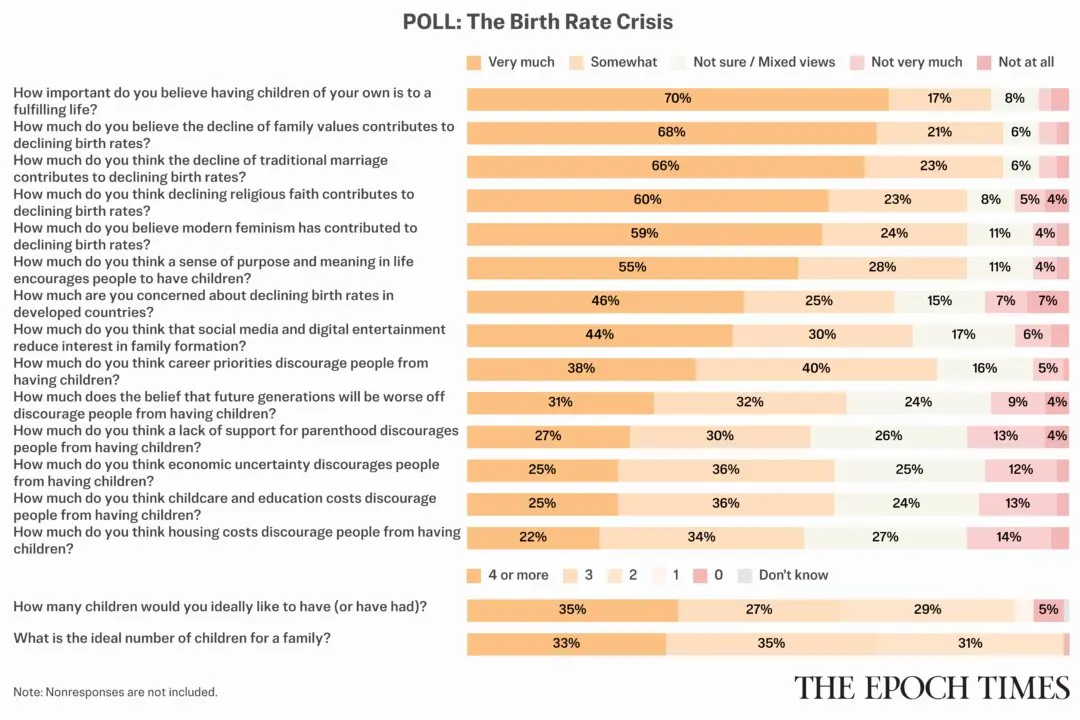
Most respondents said having children is important to a fulfilling life, while citing faith, family values, and economic stability as key factors.
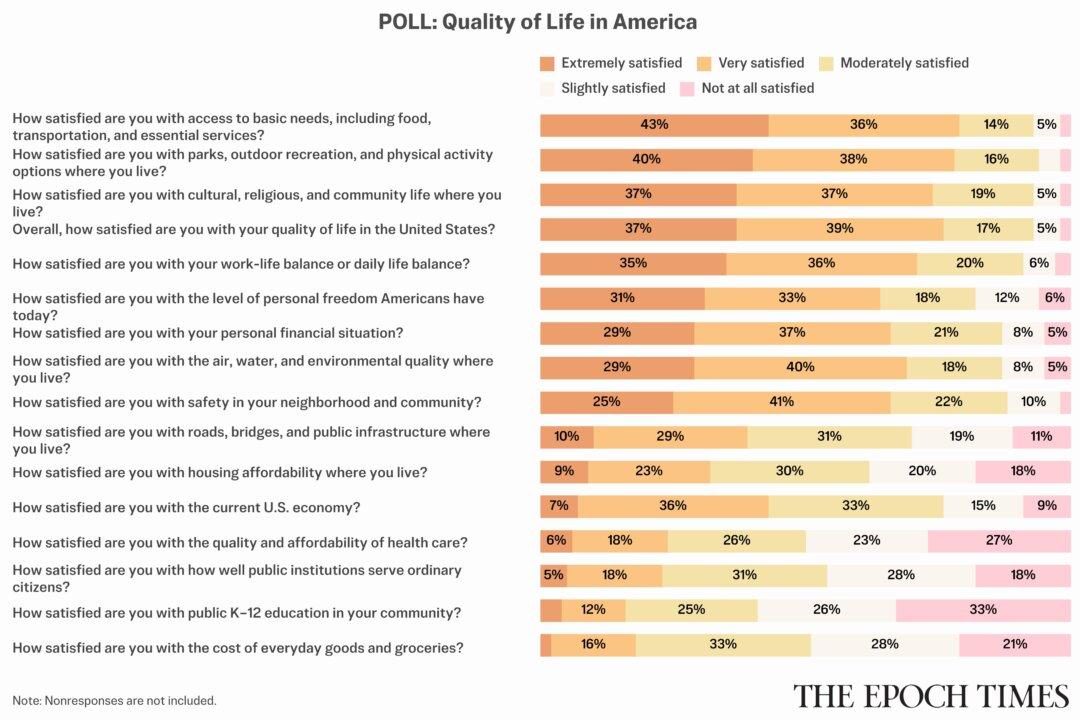
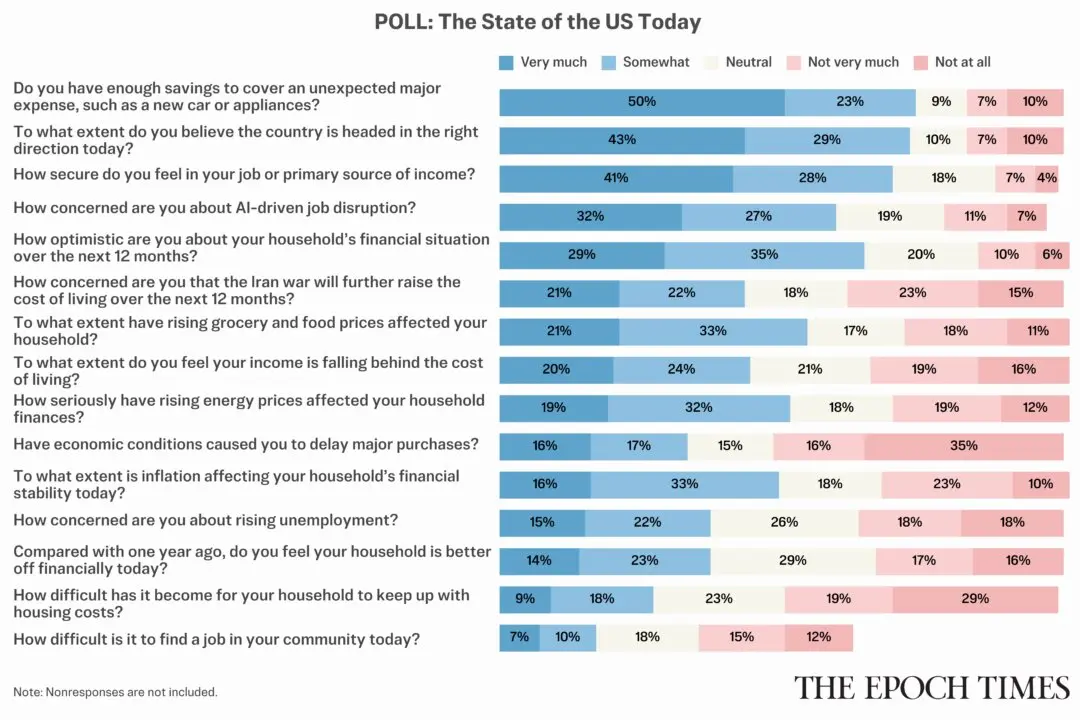
Survey respondents had mixed reactions to how the economy was impacting their households.
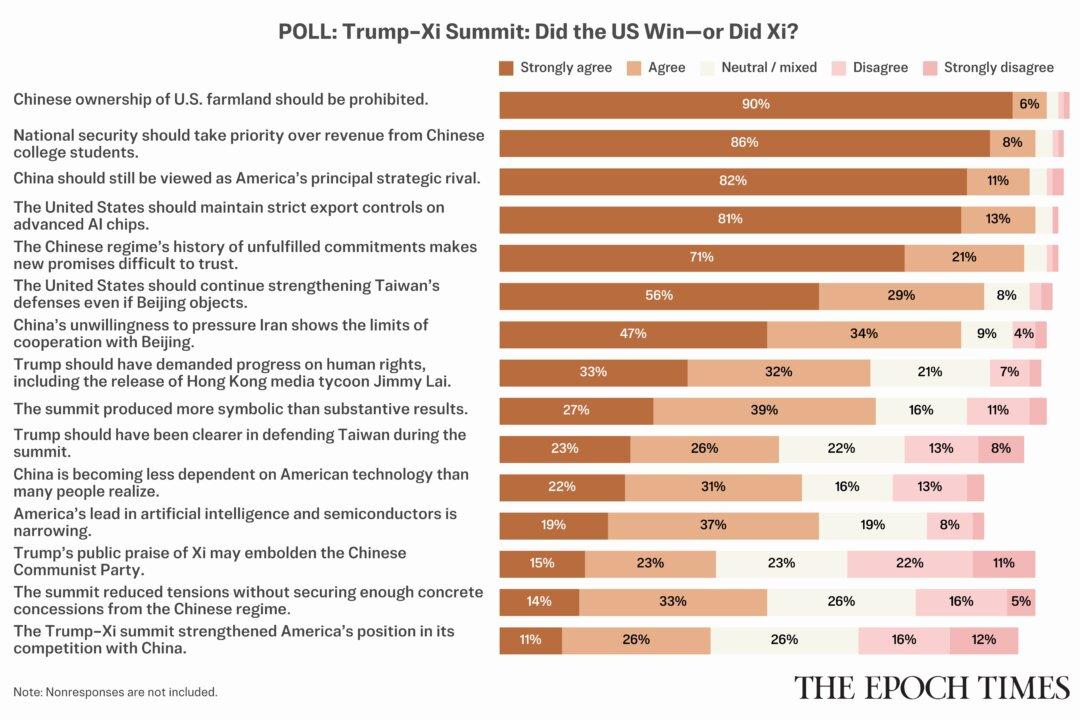
Readers were divided about whether they considered the trip to China a success for the United States.
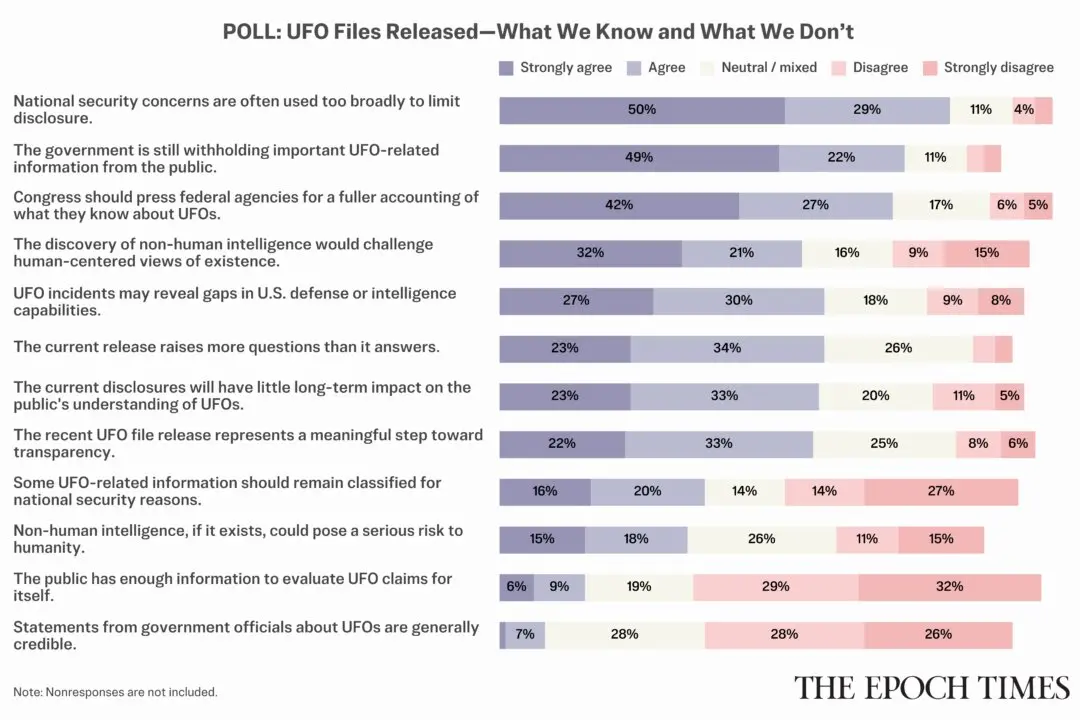
More than 70 percent of respondents agreed that the government is still withholding important UFO-related information from the public.
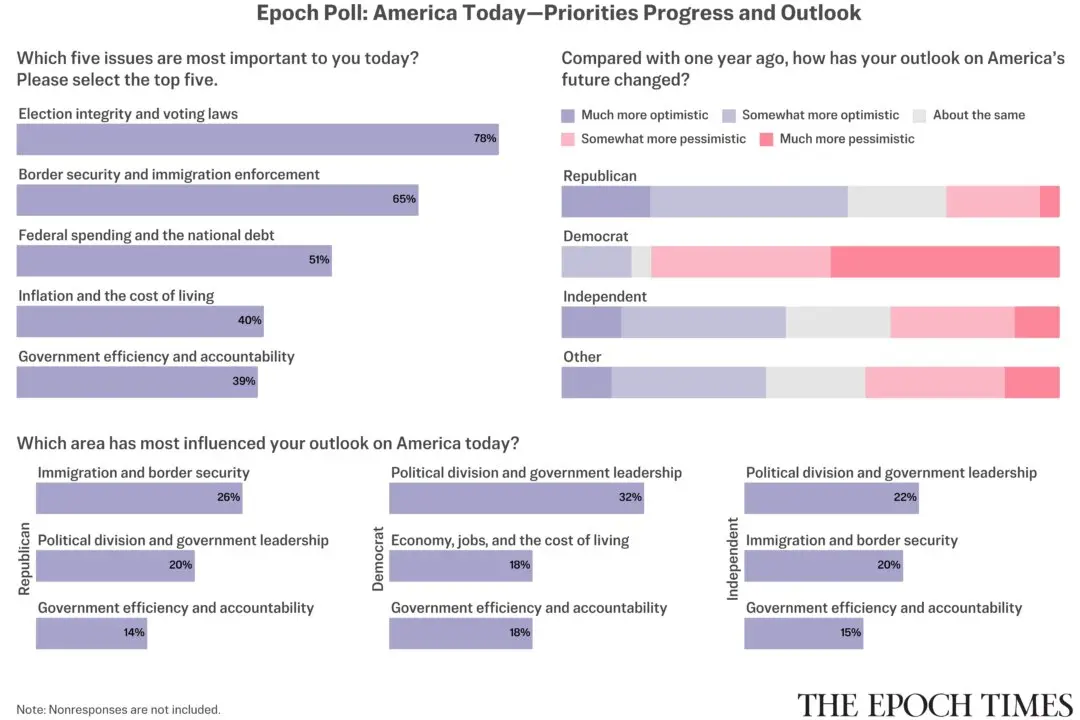
One parade participant said practicing Falun Gong has brought ‘true joy rather than fleeting happiness.’