The rise of artificial intelligence (AI) has brought with it as much cause for concern as hope for advancement.
Readers of The Epoch Times weighed in on what they think the future will look like with AI involved in an increasing number of public sectors as well as in homes across the United States.
“Truly, AI can be very beneficial if used correctly. Sadly, humans ruin most good ideas,” said one reader, summing up the opinion of many. “Humans are the problem, not the machines—just about the same [as with] guns.”
Another reader said they believe AI will “become independent and smarter than humans and will eventually be in control.”
But many see the emerging software as a tool to increase productivity and help solve complicated problems—assuming it’s used correctly.
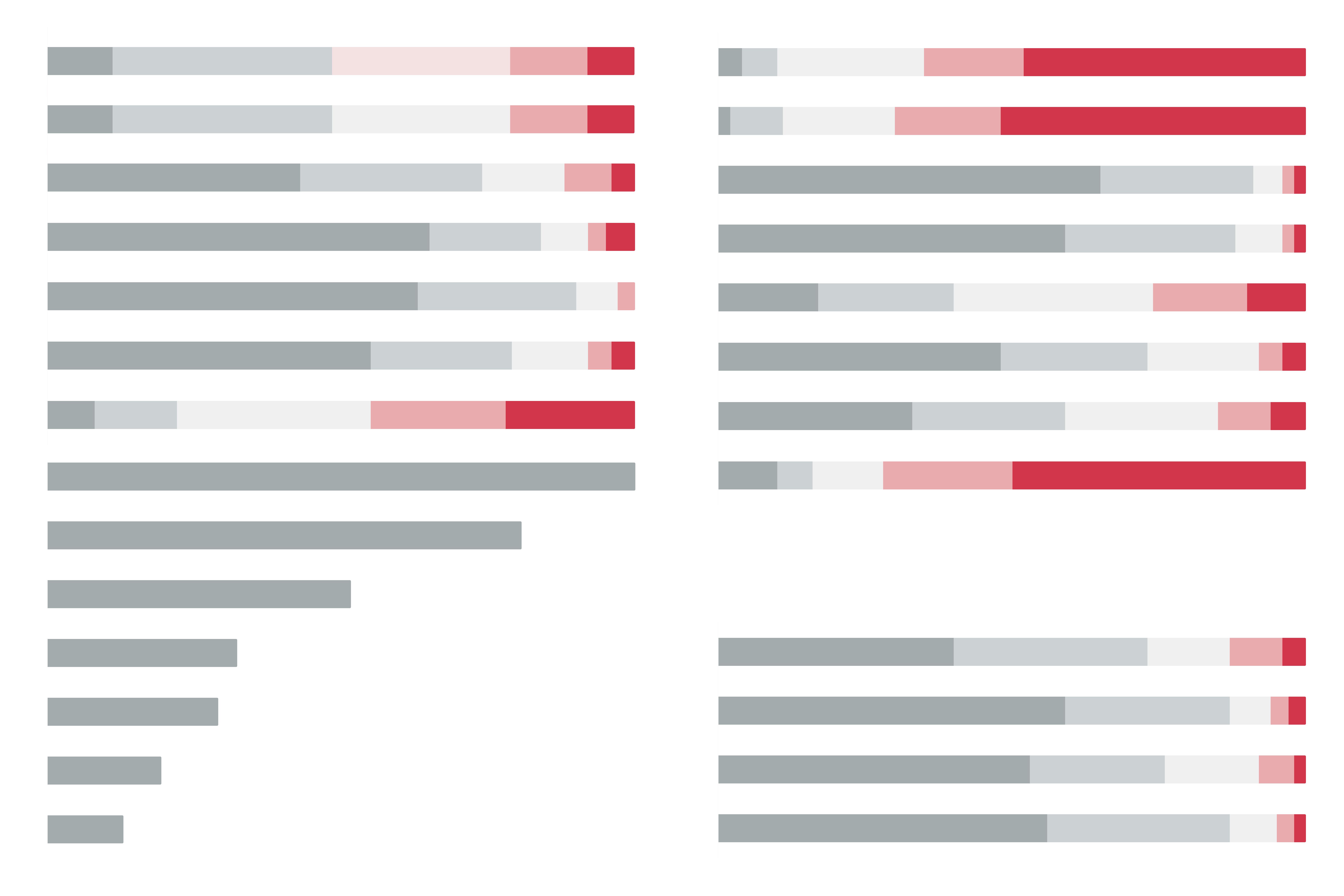
Of our poll respondents, 48 percent considered themselves somewhat or very familiar with AI systems such as ChatGPT, Gemini, Claude, Grok, and others. Another 44 percent had either heard of those programs or were vaguely aware of them.

Twenty-seven percent of readers said they rarely use the tools, 21 percent said they use them occasionally, and 28 percent said they used AI somewhere between several times a week and daily.
Societal Influence
Concern about the social influence of AI has been on the minds of many, particularly with issues such as AI psychosis, misinformation, and other AI-related harms on the rise.
Seventy-four percent of readers said they believe AI will influence human decisions more than other humans. Additionally, 84 percent believe that a society that relies too heavily on AI risks producing fewer original ideas.
Ninety percent of respondents said they think the global AI race is moving faster than society’s ability to adapt, while 79 percent agree that the development of AI could cause irreparable damage to humankind.
“The overall psychological impact” is likely the biggest possible harm, one reader said. “The ability to trust—in what people see and hear, in what information is being used for, in who or what is in charge, in what matters to a society.”
Only about 22 percent of respondents said that overall, AI will do more good than harm for humanity; 33 percent had mixed views or were not sure.
Personal Cost
Readers were concerned about the changes AI will make in how individuals interact with the world and how learning will be impacted.
Seventy-three percent of poll respondents said that as AI becomes more capable, people will become less confident in their own judgment.
One reader summed up their opinion, saying, “The problem is not the tool itself but the way that it is managed and integrated into the human experience. Most people don’t understand that AI doesn’t actually think. Garbage in [equals] garbage out, and the LLM trainers are moderating all the content.”
A large majority (88 percent) of readers agreed that the widespread use of AI may produce a generation that knows more but understands less.
As part of concern about AI’s effect on day-to-day life, 76 percent of readers agree that if AI-generated content becomes the norm, trust in online information will decline.
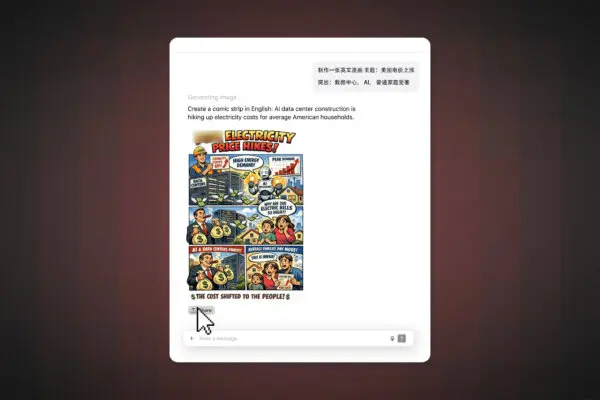
One reader cited “the damage to communities—both rural and urban. The data centers needed to drive these AI [companies] will decimate power grids and ground water sources.”
Additionally, 87 percent agree that AI will widen the gap between people who think independently and those who do not.
Impact on Private Industry
Within private businesses, AI has set off a domino effect, causing many to fear for the future of their jobs, and how this massive influx of access to computing power will change the businesses themselves.
AI’s interaction with workers and productivity is also a source of concern. Just days ago, 26 current and former employees of Meta filed suit against the social media and technology company, claiming it used AI to target employees who were on leave during the company’s last round of layoffs.
According to documents filed July 13, the company didn’t consult with managers when it compiled its lists of terminated employees but instead employed a constellation of AI systems and agents to rank and score employees targeted for the reduction in force.
Even when faced with the prospect of AI doing something good, 70 percent of readers disagree with the idea that AI companions can provide meaningful emotional support for people who are lonely.
A large majority of readers (91 percent) believe that large AI companies will have unprecedented influence over what people read, think, and ultimately decide.
However, about 87 percent of readers believe that the competition among companies and nations makes it difficult to slow AI development, even when safety concerns exist.
Readers had mixed reactions to the prospect that, without continued human creativity, AI progress could eventually slow. About 40 percent agree with this premise, while 26 percent disagree.
National Impact
At the national level, a race between nations to lead AI advancements has prompted the Trump administration to launch an AI and cybersecurity initiative to help identify software vulnerabilities and coordinate responses across critical infrastructure sectors, including finance, healthcare, and energy.
Among Epoch Times readers, about 73 percent agreed that maintaining U.S. leadership in artificial intelligence is important to America’s national security.
Additionally, 59 percent believe that the United States should invest more in AI research to remain competitive with China.
The White House initiative, called Gold Eagle, creates a clearinghouse for coordination between federal agencies and open-source software partners, allowing for faster patching of cybersecurity weaknesses with the assistance of AI.
“We are bringing a wartime footing to the cyber domain to relentlessly patch vulnerabilities,” Secretary of War Pete Hegseth said in the July 14 release, adding that the initiative is “leveraging frontier AI alongside top American innovators to safeguard our critical infrastructure and protect the homeland.”
The assessment cited cases linked to Chinese law enforcement, malware targeting Uyghur activists, an alleged plot against a Los Angeles critic of Chinese leader Xi Jinping, and attacks on protesters in San Francisco.
Despite the White House’s openness to AI, U.S. officials increasingly view AI as a double-edged sword.
When asked what gives them the greatest hope or concern in conjunction with AI, 30 percent of readers said their greatest concern about AI centered around human judgment and decision-making.
Nearly 16 percent said privacy and surveillance are their primary concern, with one reader saying:
“AI is a fun and exciting nightmare that will ultimately change everything to such an extent that we can only guess as to what those changes will be.”