What Did the American Revolution Truly Set in Motion?
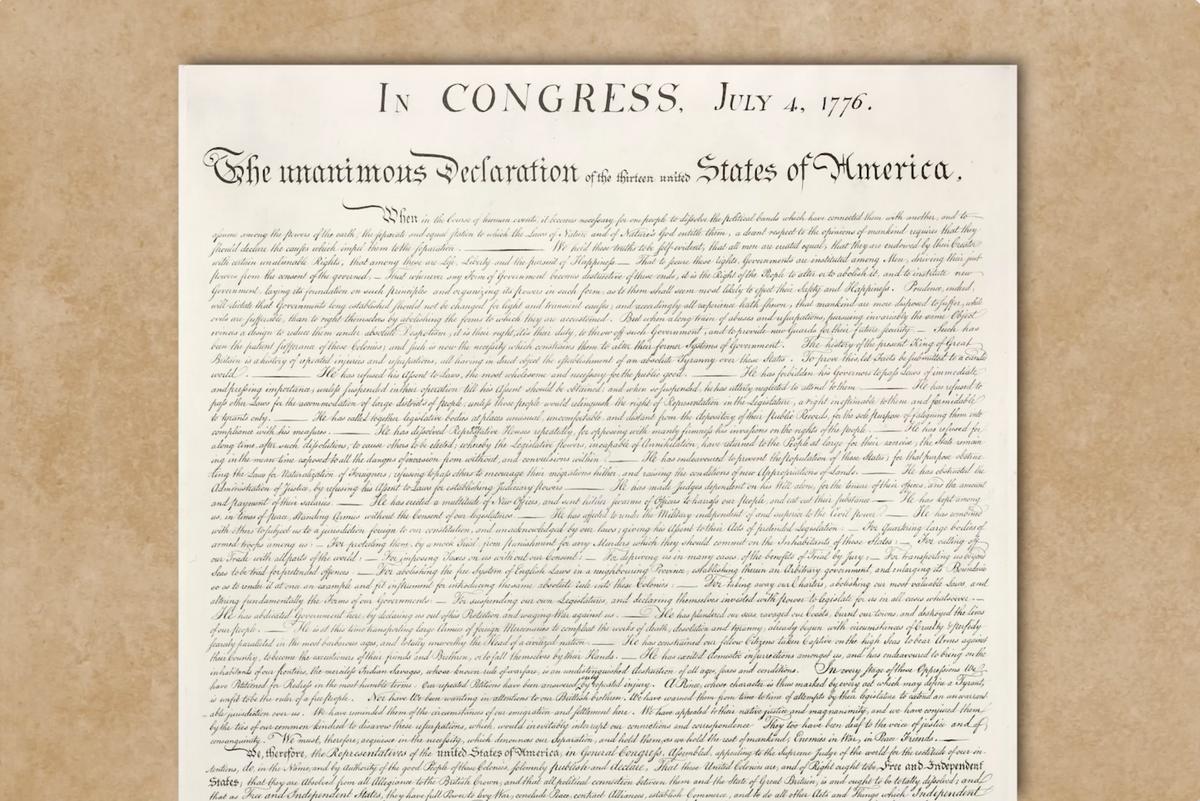
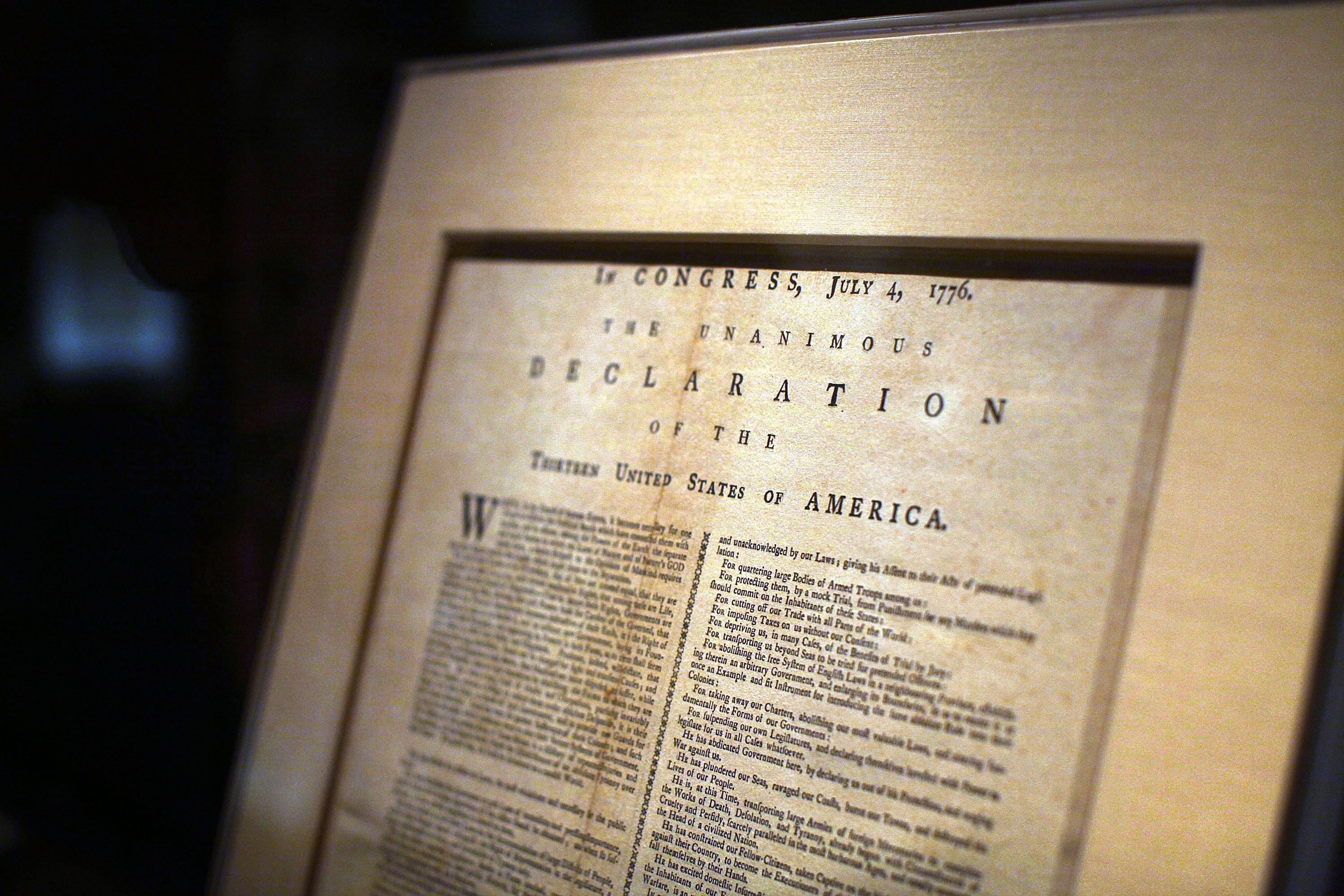
For many people, the answer seems clear. The Revolution brought independence from Great Britain, set up constitutional self-government, and led to the world’s oldest continuous constitutional Republic. While all of this is true, these achievements came from something deeper, not the Revolution’s main purpose.The Founders believed they were doing far more than merely replacing one government with another. They believed they were standing up for a lasting truth about political order: real government is based not just on power, but on moral truths that governments do not create or have the right to take away. The Declaration of Independence did not start with complaints against King George III. It began with basic principles: people have dignity because their Creator gives them unalienable rights, and governments get their power from their duty to protect those rights, not to hand them out.
The Founding’s First Principles
The American Revolution was not just about taxes, representation, or even independence. Those were the immediate reasons for conflict. The Revolution was really based on a deeper belief: that political power is not absolute or self-justifying, because it must answer to truths that exist beyond government.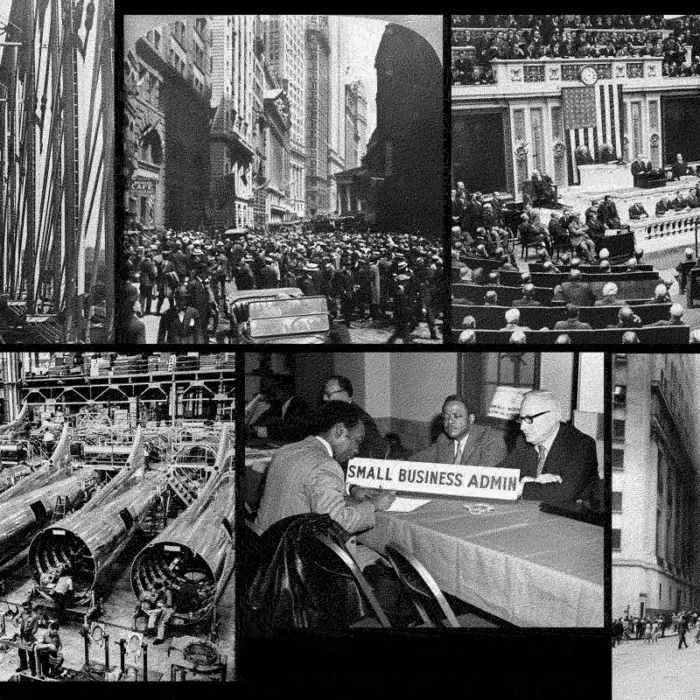
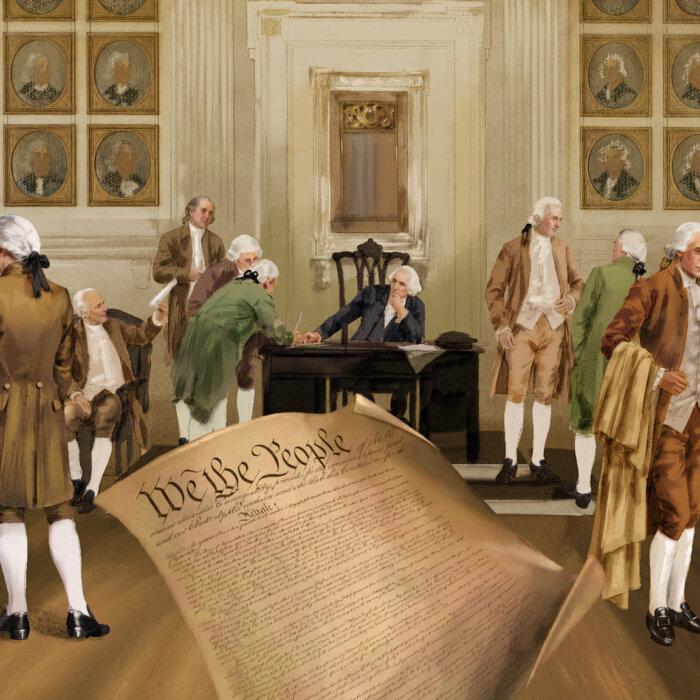
This difference is still important. Many revolutions claim to create something new. The American Founders thought they were bringing back something older. They did not appeal to majority rule, passing feelings, or force, but to lasting principles that are above any government or leader. In this way, the Declaration was less about new political ideas and more about confirming lasting moral values.
John Adams understood what this meant. Constitutional freedom could not last just because of good laws or systems. Laws, constitutions, and checks and balances are important, but they are not enough unless people can govern themselves. When Adams said the Constitution was made “only for a moral and religious people,” he was not just being pious. He was making a deep point about republican government. A free society needs more than free institutions; it needs citizens with virtue, self-control, and a sense of responsibility.
In “The International Relations of the Bible,” I argued that political communities reflect deeper truths about people, justice, and moral responsibility. The Founders saw it the same way. They knew a republic could not last if it cut itself off from the moral roots that give liberty both its strength and its boundaries. Freedom without truth eventually stops being freedom. American independence articulated a permanent standard by which every Government—including our own—must ultimately be judged.
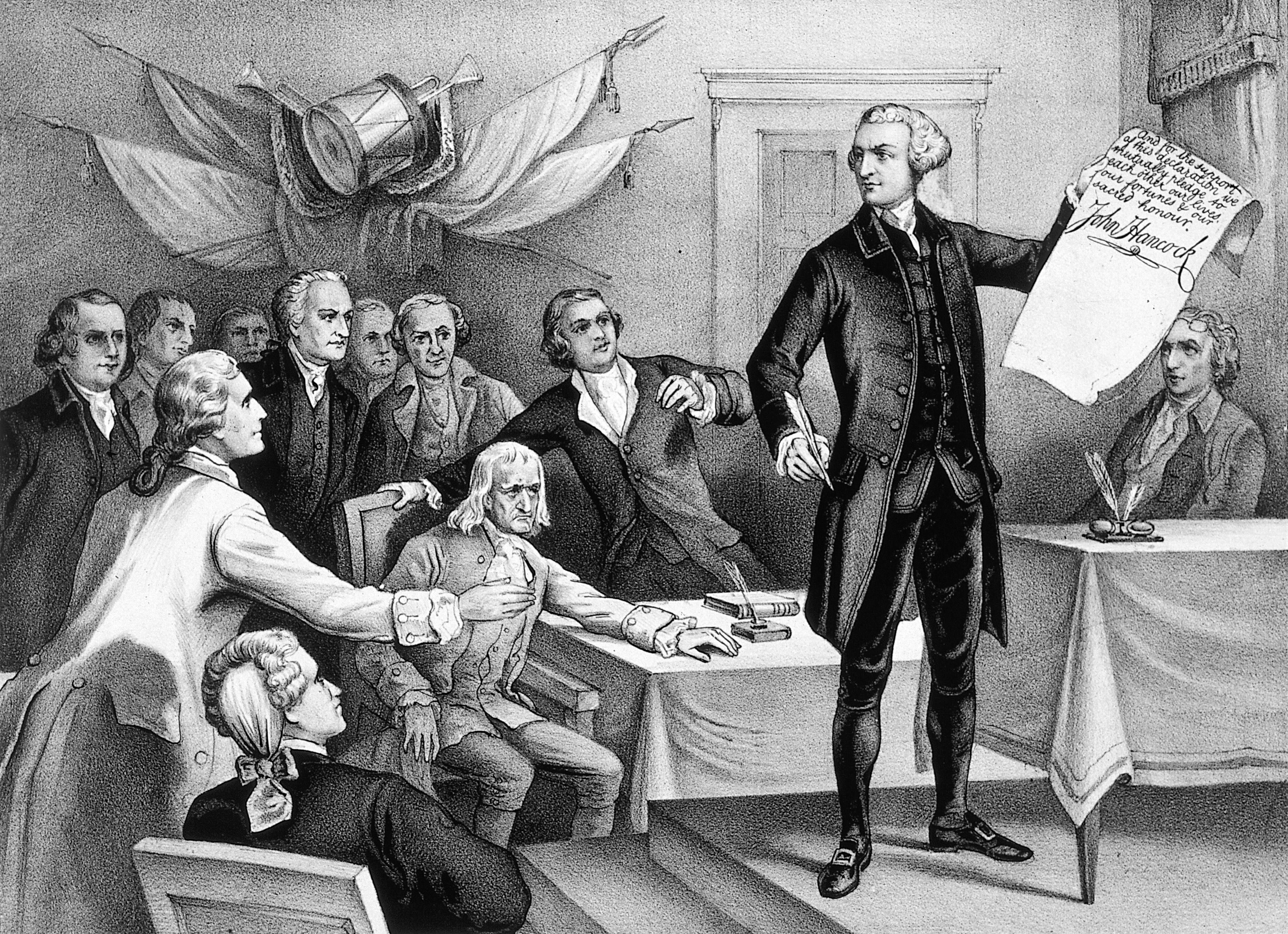
From Revolution to Statecraft
If the American Revolution set the principles for government, the next big challenge was just as hard, beginning with a practical question: could those principles last in actual leadership? It is one thing to declare liberty; it is another to keep it while facing enemies hungry for your demise or enthrallment, rival ideas, and the brutal realities of world politics.The best American leaders chose neither pure idealism nor cynicism. They chose prudence.
Edmund Burke is key to understanding the American experiment. Today, he is known as the father of modern conservatism, but above all, he defended civilization itself. Unlike many in Parliament, Burke saw that the American colonists were not trying to destroy the English constitutional tradition, but to protect it. Their problem was not with ordered liberty, but with a government that had started to break the very constitutional principles it said it stood for.
Burke saw something many modern historians miss: the American Revolution was, at its core, a conservative revolution, making it completely different from the French, Russian, or Chinese—it did not try to erase history, end religion, or change human nature. Instead, it appealed to inherited freedoms, constitutional limits, natural law, and the long growth of Anglo-American civilization. The Revolution worked because it kept what was good while fixing what was wrong. It aimed to restore before it tried to innovate.
That distinction would shape American statecraft for generations.
Washington knew that the Republic needed careful judgment before ambition. In his farewell address, he did not call for the United States to withdraw from the world or for isolationism as we think of it today. Instead, Washington saw that a young republic had to protect its own institutions before taking on bigger roles internationally. Strength without order could turn into tyranny. Idealism without strength could lead to disaster. Prudence meant finding a balance between the two.
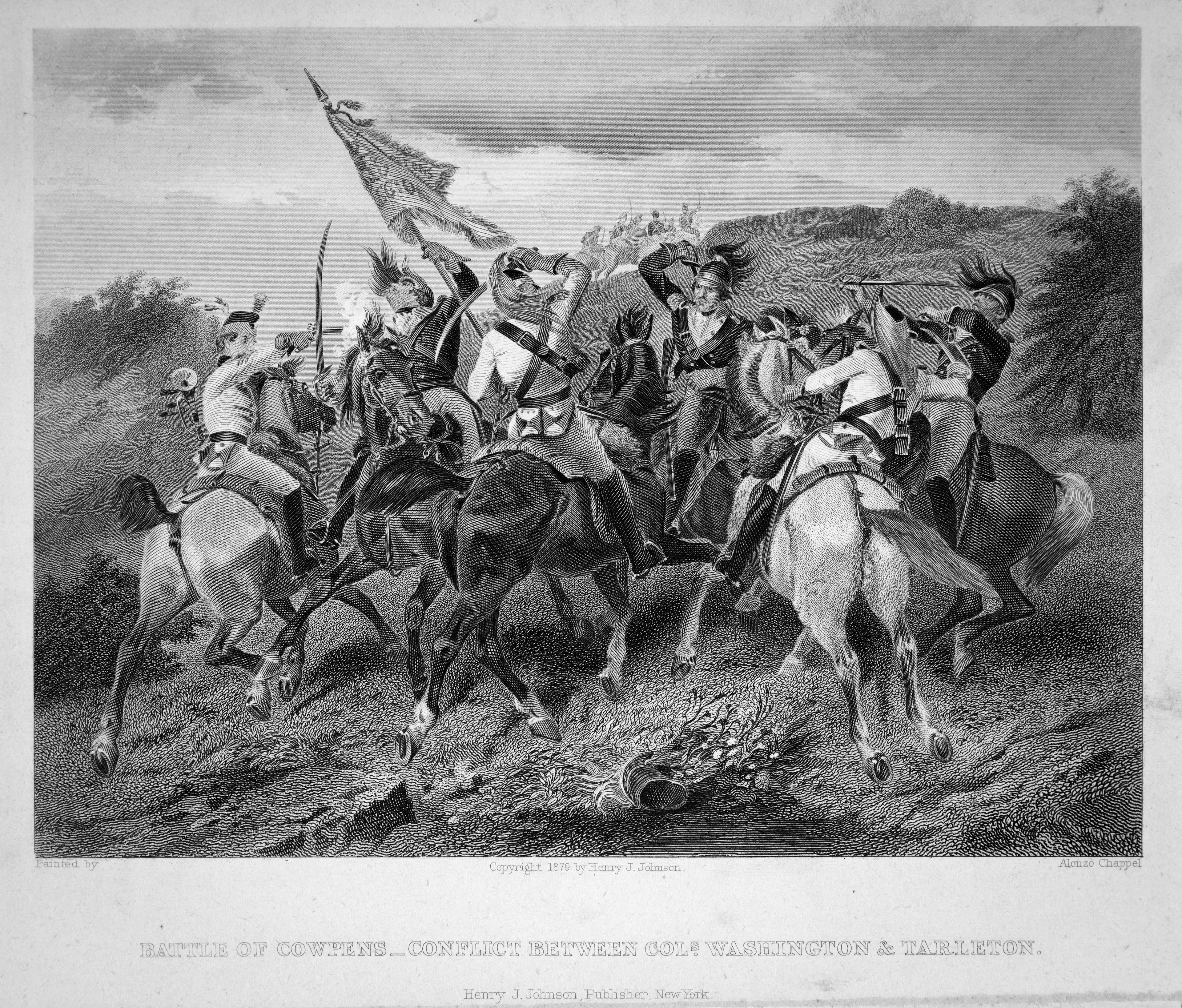
Over time, this idea grew into what we might call the American tradition of democratic statecraft. It never saw power as the main goal. It also did not believe that good intentions alone could keep liberty safe. Instead, it understood that military strength, diplomacy, trade, constitutional government, and moral legitimacy all work together as one strategy.
In “Crusading Realism: The Bush Doctrine and American Core Values After 9/11,” I argued that realism and morality should not be seen as opposites because foreign policy without moral truth becomes just a chase for power. But moral goals without practical strategy are just empty feelings. Good leadership means keeping both in mind. It takes prudence to see the world as it is, while also remembering how it should be.
President Theodore Roosevelt showed this tradition in action. People often remember him for being ready for military action and for saying, “speak softly and carry a big stick,” but Roosevelt also saw strength as a way to keep international order, not to seek out conflict, but to preserve an ordered peace, that civilized nations have duties as well as interests, and that peace is best kept when aggressors know that free nations are willing and able to defend themselves.
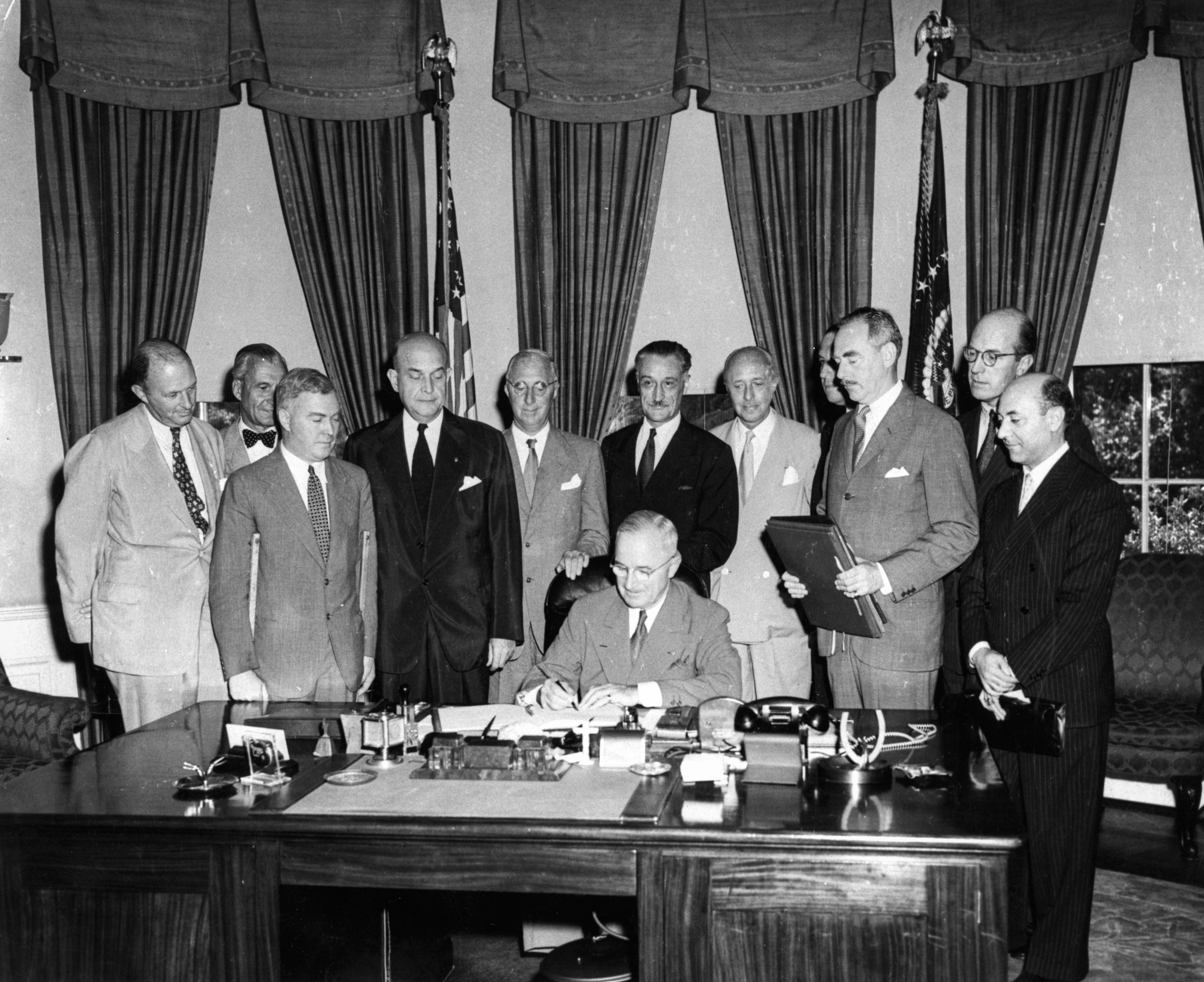
President Harry Truman faced an even bigger challenge after World War II. Soviet communism was more than just another rival; it offered a different view of human nature, government, and the role of the individual. Containment became more than a military plan—it was about defending constitutional civilization itself; it was about defending the West. The Truman Doctrine, the Marshall Plan, and NATO all showed a lasting American belief: free societies are strongest when they mix military power with alliances, economic strength, and faith in the moral value of liberty over tyranny.
The most successful American presidents of the 20th century knew the Founding gave them more than just a Constitution. It gave them a civilizational legacy. Their job was not just to protect American land, but to keep alive the principles that made the Republic worth defending.
The Enduring Mission
Every generation of Americans has been tempted to believe that its strategic challenges are entirely new. The names of enemies change. Technology moves forward. Battlefields have grown from continents to cyberspace and even space. But underneath all these changes is a familiar question: can a free people keep both its liberty and its moral confidence when facing regimes that deny both? Communist China, a revanchist Russia, revolutionary Iran, and other totalitarian and authoritarian regimes are not simply geopolitical rivals, but civilizational. Each represents, in different ways, an alternative understanding of political legitimacy, where the state precedes the individual and rights originate with political authority rather than existing independently of it. Power is what defines justice rather than serving it. This is more than a contest over territory or military capability. It is ultimately a contest between competing conceptions of the human person and the political order; it is a true clash of civilizations.Reinhold Niebuhr understood this tension better than most 20th-century Christian thinkers. He did not believe that history automatically moves toward justice or that nations can avoid the hard truths of power. However, he also rejected the idea that morality has no place in world affairs. This school of thought, entitled Christian realism, saw both the ongoing problem of sin and the lasting duty to seek justice. For him, prudence was not an excuse to ignore morals; it was the way to act responsibly with moral purpose in an imperfect world.
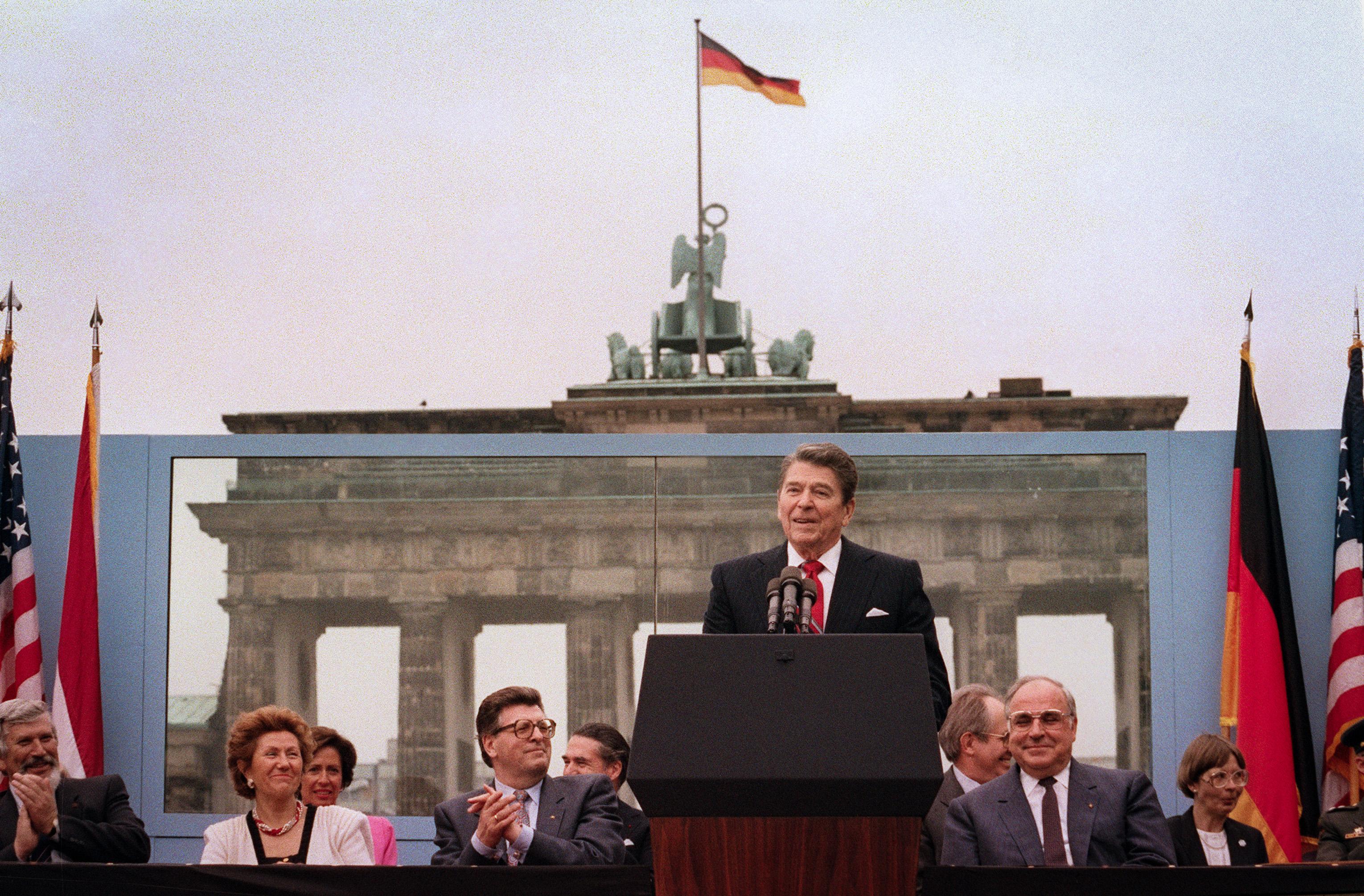
President Ronald Reagan followed this same tradition. His greatness was not just about rebuilding American military strength or renewing the Atlantic Alliance. He helped restore faith in the moral value of the American experiment. When Reagan called the Soviet Union an “evil empire,” he was not just using strong words. He understood that you cannot fully grasp strategic competition without looking at the moral nature of political systems. A government that denies religious freedom, silences conscience, and puts the state above the individual is a different kind of challenge than one that simply seeks more power.
The same lesson was clear after 9/11. President George W. Bush was often criticized for saying that liberty is a universal hope based on the dignity of every person. People still debate parts of the Freedom Agenda, especially how it was carried out in Iraq. These debates are fair and needed. But they should not hide the deeper truth. Bush did not invent the idea that human liberty is based on truths above government; he got it from the Founders. Putting this idea into practice was very hard, but the principle itself is deeply American.
As I wrote in “The National Security Doctrines of the American Presidency,” successful American leadership has never been about picking between moral goals and national interests. At its best, it sees that these two often support each other. The United States has been most influential when it understood that power is legitimate only when it aims for justice, follows constitutional principles, and is used with care.
That is still the lasting mission of the Revolution.
The Unfinished Mission
The American Revolution did more than make thirteen colonies independent. It started an experiment the world had never seen before: a constitutional republic based on the belief that political power gets its legitimacy from truths that come before government.For 250 years, this legacy has faced many tests. It survived its capital being burned, a horrific civil war, world wars, economic depression, fascism, communism, and terrorism because each generation of Americans knew the Republic was built on more than just military or economic strength. It was built on a moral order that values human dignity, limits government power, and keeps liberty and responsibility connected.
Every generation takes on that same responsibility.
The main question for Americans today is not whether the United States is still rich, strong, or advanced in technology. History shows that many great powers had these things before they faded away. The real question is whether America still understands the truths that first made its power legitimate.
As the Nation marks its 250th birthday, this may be the Revolution’s greatest lasting mission. Keeping the American experiment alive has never just been about protecting its borders. It has always depended on preserving the moral, constitutional, and cultural legacy that made the Republic worth defending from the start.